English
- Afrikaans
- Albanian
- Amharic
- Arabic
- Armenian
- Azerbaijani
- Basque
- Belarusian
- Bengali
- Bosnian
- Bulgarian
- Catalan
- Cebuano
- Corsican
- Croatian
- Czech
- Danish
- Dutch
- English
- Esperanto
- Estonian
- Finnish
- French
- Frisian
- Galician
- Georgian
- German
- Greek
- Gujarati
- Haitian Creole
- hausa
- hawaiian
- Hebrew
- Hindi
- Miao
- Hungarian
- Icelandic
- igbo
- Indonesian
- irish
- Italian
- Japanese
- Javanese
- Kannada
- kazakh
- Khmer
- Rwandese
- Korean
- Kurdish
- Kyrgyz
- Lao
- Latin
- Latvian
- Lithuanian
- Luxembourgish
- Macedonian
- Malgashi
- Malay
- Malayalam
- Maltese
- Maori
- Marathi
- Mongolian
- Myanmar
- Nepali
- Norwegian
- Norwegian
- Occitan
- Pashto
- Persian
- Polish
- Portuguese
- Punjabi
- Romanian
- Russian
- Samoan
- Scottish Gaelic
- Serbian
- Sesotho
- Shona
- Sindhi
- Sinhala
- Slovak
- Slovenian
- Somali
- Spanish
- Sundanese
- Swahili
- Swedish
- Tagalog
- Tajik
- Tamil
- Tatar
- Telugu
- Thai
- Turkish
- Turkmen
- Ukrainian
- Urdu
- Uighur
- Uzbek
- Vietnamese
- Welsh
- Bantu
- Yiddish
- Yoruba
- Zulu

Telephone: +86 13120555503
Email: frank@cypump.com


Apr . 01, 2024 17:55 Back to list
Septic Tank Lift Pump Performance Analysis
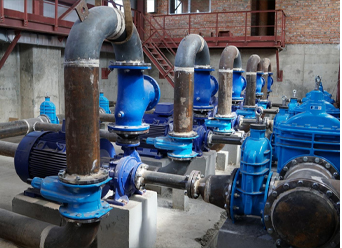
Introduction
Septic tank lift pumps are critical components in wastewater management systems serving properties not directly connected to municipal sewer lines. These submersible pumps are designed to transfer effluent from a septic tank to a drain field located at a higher elevation. Their technical position within the wastewater treatment chain is immediately post-primary settling (within the septic tank) and prior to final filtration and dispersal into the soil. Core performance characteristics are defined by pumping capacity (gallons per minute – GPM), total dynamic head (TDH) – the maximum height the pump can lift the fluid – and solids handling capability. Addressing the industry's pain points, namely consistent performance in demanding environments, pump longevity, and regulatory compliance concerning effluent discharge, necessitates a deep understanding of materials science, pump engineering, and proper installation practices. Failures can result in backups, environmental contamination, and costly repairs, making robust design and preventative maintenance paramount.
Material Science & Manufacturing
The primary materials employed in septic tank lift pump construction are cast iron, stainless steel (typically 304 or 316), and engineered polymers. Cast iron is often used for the pump housing due to its weight, vibration dampening properties, and cost-effectiveness. However, it is susceptible to corrosion in the anaerobic environment of a septic tank. Stainless steel, particularly 316, offers superior corrosion resistance due to its molybdenum content, mitigating this issue but increasing cost. Impellers and diffusers are frequently constructed from reinforced thermoplastic polymers like polypropylene or polyethylene, providing resistance to abrasion from solids and chemical attack from wastewater components. Manufacturing processes involve sand casting for iron housings, investment casting or centrifugal casting for stainless steel components, and injection molding for polymer parts. Critical parameter control during manufacturing includes ensuring dimensional accuracy of impeller vanes (affecting pump efficiency), precise tolerances for shaft seals (preventing leaks), and consistent material composition to meet specified strength and corrosion resistance properties. Welding processes for stainless steel components require stringent control of shielding gas and heat input to prevent sensitization and maintain corrosion resistance. Powder coating of cast iron housings with epoxy is a common method for enhancing corrosion protection. The selection of elastomers for seals and gaskets (typically nitrile or Viton) is crucial, considering their compatibility with various wastewater constituents and their ability to maintain elasticity over a wide temperature range.
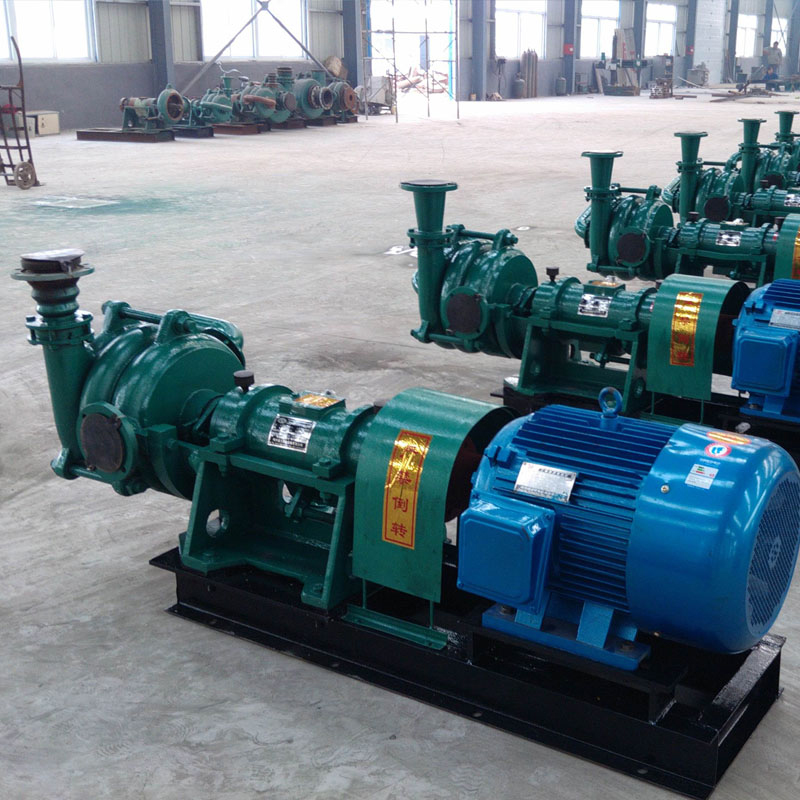
Performance & Engineering
Performance of a septic tank lift pump is fundamentally governed by Bernoulli's principle and the affinity laws of pumps. Force analysis involves calculating the hydraulic forces acting on the impeller, the static and dynamic head pressures, and the frictional losses within the pump and discharge piping. Environmental resistance is primarily manifested as corrosion and material degradation. The anaerobic environment within a septic tank promotes microbiologically influenced corrosion (MIC), particularly on ferrous materials. Temperature fluctuations affect fluid viscosity and pump efficiency. Compliance requirements are dictated by local and national environmental regulations regarding effluent discharge, requiring pumps to reliably handle solids and prevent system failures that could lead to contamination. Functional implementation hinges on selecting a pump with the appropriate horsepower (HP) and flow rate to overcome the total dynamic head (TDH) of the system. TDH is calculated by summing the static lift (vertical distance from the pump to the drain field), friction losses in the piping, and any pressure required at the discharge point. Proper sizing prevents pump cavitation (formation of vapor bubbles reducing efficiency) and premature wear. Pump curves, provided by manufacturers, detail the relationship between flow rate, head, and efficiency, aiding in optimal pump selection. Automatic float switches are essential for controlling pump operation, activating the pump when the liquid level reaches a predetermined high point and deactivating it when the level drops to a low point, preventing dry running.
Technical Specifications
| Horsepower (HP) | Flow Rate (GPM) | Total Dynamic Head (TDH) - ft | Solids Handling Capability - in |
|---|---|---|---|
| 1/3 HP | 40-60 | 20-30 | 1/2 |
| 1/2 HP | 60-80 | 30-40 | 1 |
| 3/4 HP | 80-100 | 40-50 | 1.5 |
| 1 HP | 100-120 | 50-60 | 2 |
| 1.5 HP | 120-150 | 60-80 | 2.5 |
| 2 HP | 150-200 | 80-100 | 3 |
Failure Mode & Maintenance
Common failure modes for septic tank lift pumps include impeller wear, seal failure, motor burnout, and float switch malfunction. Impeller wear is primarily caused by abrasion from solids in the wastewater, leading to reduced pumping efficiency. Seal failure results in leakage and potential motor damage due to water ingress. Motor burnout is often caused by overheating due to dry running or overload. Float switch malfunction can lead to continuous pump operation or failure to activate when needed. Failure analysis reveals that corrosion, particularly MIC, significantly contributes to component degradation. Preventative maintenance is crucial. This includes regular inspection of the pump for leaks, vibration, and unusual noises. Annual inspection and replacement of seals and gaskets are recommended. Periodic cleaning of the pump intake screen prevents clogging and ensures optimal flow. Checking the float switch operation and cleaning any accumulated debris is vital. Monitoring the pump’s electrical connections and ensuring proper grounding prevents electrical hazards and improves pump longevity. Professional inspection and pump servicing every 3-5 years is advisable, including a comprehensive assessment of pump performance and component condition. In the event of a pump failure, a thorough investigation should be conducted to identify the root cause and prevent recurrence.
Industry FAQ
Q: What is the appropriate horsepower for my septic tank lift pump?
A: Determining the correct horsepower requires calculating the Total Dynamic Head (TDH) of your system. This includes the vertical lift, friction losses in the piping, and any desired discharge pressure. Using the pump’s performance curve, you can then identify the horsepower required to deliver the necessary flow rate at the calculated TDH. Undersizing can lead to pump overload and failure, while oversizing results in inefficient operation and higher energy consumption.
Q: How do I prevent my pump from running dry?
A: The primary prevention method is a properly functioning float switch. Ensure the float switch is correctly adjusted and free to move without obstruction. Consider installing a second, redundant float switch as a backup. Regular inspection and testing of the float switch are critical. Additionally, maintaining adequate liquid levels within the septic tank is essential.
Q: What materials offer the best corrosion resistance in a septic tank environment?
A: Stainless steel (specifically 316) offers superior corrosion resistance compared to cast iron due to its molybdenum content. However, even stainless steel can be susceptible to MIC. Epoxy coating on cast iron housings provides an additional layer of protection. Polymer impellers and diffusers are also resistant to corrosion and abrasion.
Q: What are the typical maintenance intervals for a septic tank lift pump?
A: Annual inspection and replacement of seals and gaskets are recommended. The pump intake screen should be cleaned regularly (at least quarterly). A professional inspection and servicing should be conducted every 3-5 years. Regular monitoring of pump performance (flow rate, amp draw) can also help identify potential issues early on.
Q: What is the impact of solids on pump performance and longevity?
A: Solids can cause impeller wear, clogging, and increased energy consumption. Selecting a pump with adequate solids handling capability is crucial. Regular cleaning of the intake screen and periodic flushing of the piping system can help minimize the impact of solids. Proper septic tank maintenance, including regular pumping to remove accumulated sludge, also reduces the solids load on the pump.
Conclusion
Septic tank lift pumps are essential components in off-mains wastewater systems, demanding careful consideration of material science, engineering principles, and preventative maintenance strategies. The selection of appropriate materials, such as stainless steel and engineered polymers, is critical for mitigating corrosion and ensuring long-term reliability. Proper pump sizing, based on a thorough calculation of Total Dynamic Head, is paramount for efficient and trouble-free operation. Consistent preventative maintenance, including regular inspections, seal replacements, and float switch testing, is crucial for maximizing pump lifespan and minimizing the risk of costly failures and environmental contamination.
Future developments in septic tank lift pump technology will likely focus on enhanced motor efficiency, improved solids handling capabilities, and remote monitoring systems for predictive maintenance. Integration with smart home technologies could enable automated system diagnostics and alerts, further improving reliability and reducing operational costs. Continued research into materials with even greater corrosion resistance will also be essential for extending pump lifespan in the harsh environment of a septic tank.
-
Comprehensive Guide to Waterproof ORings for Optimal Sealing Solutions
News2026-06-09
-
submersable pumps Performance Analysis
News2026-06-12
-
submerge pump Performance Analysis
News2026-06-12
-
Septic Tank Lift Pump Performance Analysis
News2026-06-12
-
Septic System Pump Replacement Performance Analysis
News2026-06-12
-
Septic Pumps Cost Performance Analysis
News2026-06-12
-
best sewage ejector pump Performance Engineering
News2026-06-11
-
aerobic septic system pump Performance Analysis
News2026-06-11
-
Sumergible Pump Performance Analysis
News2026-06-11
-
ejector pump for basement Performance Engineering
News2026-06-11
-
sewer lift pump Performance Engineering
News2026-06-11
-
Septic Pump Replacement Performance Analysis
News2026-06-10
-
Septic Pump Price Performance Analysis
News2026-06-10
-
pumps for septic systems Material Science Manufacturing
News2026-06-10
-
ejector pumps for basement bathrooms Performance Analysis
News2026-06-10




