English
- Afrikaans
- Albanian
- Amharic
- Arabic
- Armenian
- Azerbaijani
- Basque
- Belarusian
- Bengali
- Bosnian
- Bulgarian
- Catalan
- Cebuano
- Corsican
- Croatian
- Czech
- Danish
- Dutch
- English
- Esperanto
- Estonian
- Finnish
- French
- Frisian
- Galician
- Georgian
- German
- Greek
- Gujarati
- Haitian Creole
- hausa
- hawaiian
- Hebrew
- Hindi
- Miao
- Hungarian
- Icelandic
- igbo
- Indonesian
- irish
- Italian
- Japanese
- Javanese
- Kannada
- kazakh
- Khmer
- Rwandese
- Korean
- Kurdish
- Kyrgyz
- Lao
- Latin
- Latvian
- Lithuanian
- Luxembourgish
- Macedonian
- Malgashi
- Malay
- Malayalam
- Maltese
- Maori
- Marathi
- Mongolian
- Myanmar
- Nepali
- Norwegian
- Norwegian
- Occitan
- Pashto
- Persian
- Polish
- Portuguese
- Punjabi
- Romanian
- Russian
- Samoan
- Scottish Gaelic
- Serbian
- Sesotho
- Shona
- Sindhi
- Sinhala
- Slovak
- Slovenian
- Somali
- Spanish
- Sundanese
- Swahili
- Swedish
- Tagalog
- Tajik
- Tamil
- Tatar
- Telugu
- Thai
- Turkish
- Turkmen
- Ukrainian
- Urdu
- Uighur
- Uzbek
- Vietnamese
- Welsh
- Bantu
- Yiddish
- Yoruba
- Zulu

Telephone: +86 13120555503
Email: frank@cypump.com


Apr . 01, 2024 17:55 Back to list
Septic Tank and Pump System Performance Analysis
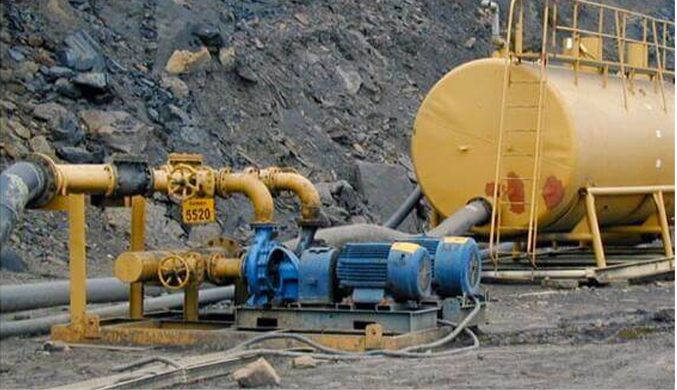
Introduction
Septic tank and pump systems represent a critical component of wastewater management in areas lacking centralized sewage infrastructure. These systems provide on-site treatment and disposal of domestic wastewater, relying on both physical-chemical processes within the tank and the mechanical action of a pump to effectively manage effluent distribution. Their technical position in the wastewater treatment chain falls between primary treatment (sedimentation within the tank) and secondary treatment/soil absorption. Core performance metrics center around solids retention, hydraulic loading rates, and efficient pump operation, directly influencing long-term system viability and environmental protection. Common pain points within the industry include premature pump failure due to abrasive solids, insufficient tank capacity leading to system overload, inadequate effluent filtration resulting in groundwater contamination, and regulatory compliance challenges regarding discharge standards. Achieving optimized performance requires careful consideration of material selection, pump sizing, maintenance protocols, and adherence to local and national regulations.
Material Science & Manufacturing
Septic tanks are commonly manufactured from precast concrete, polyethylene, or fiberglass. Concrete tanks leverage the compressive strength of reinforced concrete (typically utilizing Type II Portland cement) to withstand soil loads. The manufacturing process involves formwork, steel reinforcement placement, concrete pouring, curing, and sealing to prevent water ingress. Polyethylene tanks are rotomolded from high-density polyethylene (HDPE) resin, offering corrosion resistance and lighter weight. This process requires precise temperature and pressure control during molding to ensure uniform wall thickness and structural integrity. Fiberglass tanks utilize a layered construction of resin (typically polyester or vinyl ester) and fiberglass matting, providing high strength-to-weight ratio and excellent chemical resistance. Manufacturing involves hand lay-up or automated spray-up techniques, demanding skilled labor and rigorous quality control.
Pump components, primarily impellers and housings, utilize materials selected for abrasion resistance and corrosion protection. Impellers are frequently constructed from stainless steel (304 or 316 grades) or engineered polymers. Housings are often made from cast iron (with protective coatings) or thermoplastic materials. Manufacturing processes include investment casting, sand casting, and injection molding. Critical parameters include impeller blade geometry (optimized for hydraulic efficiency), pump curve performance (head vs. flow rate), and motor winding insulation (to prevent electrical failure in wet environments). Seal materials – typically elastomers like nitrile or Viton – are essential for preventing leakage and must exhibit compatibility with wastewater constituents. The welding processes used for tank construction, particularly in steel tank variations, require strict adherence to AWS D1.1 standards to ensure weld integrity and prevent structural failure.
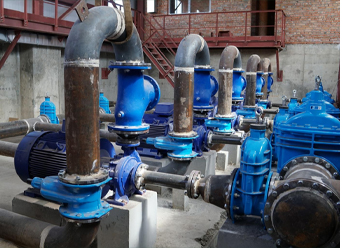
Performance & Engineering
The performance of a septic tank and pump system is heavily influenced by hydraulic loading, solids loading, and pump characteristics. Hydraulic loading refers to the volume of wastewater entering the tank per day, impacting the hydraulic retention time (HRT) – a critical factor in solids settling. Solids loading, measured as pounds of biochemical oxygen demand (BOD) per day, determines the efficiency of anaerobic digestion within the tank. Pump performance is characterized by its flow rate (gallons per minute – GPM), total dynamic head (TDH – the vertical distance the pump can lift the liquid plus friction losses), and horsepower (HP).
Engineering considerations involve force analysis of the tank structure to ensure it can withstand soil loads, hydrostatic pressure, and potential surcharge from peak flow events. Environmental resistance focuses on preventing groundwater contamination through proper effluent filtration and soil absorption field design. Compliance requirements vary significantly by jurisdiction, but generally involve adherence to National Pollutant Discharge Elimination System (NPDES) permit limits for discharge to surface waters. Functional implementation involves properly sizing the pump based on the effluent flow rate, TDH, and the characteristics of the soil absorption field. Pump control systems, utilizing float switches or pressure transducers, regulate pump operation to maintain optimal liquid levels within the tank and prevent overflow or pump dry-run conditions. Furthermore, proper venting is crucial to prevent pressure buildup or vacuum formation within the tank.
Technical Specifications
| Parameter | Typical Septic Tank (1000 Gallon) | Submersible Pump (1/2 HP) | Effluent Filter |
|---|---|---|---|
| Tank Capacity (Gallons) | 1000 | N/A | N/A |
| Tank Material | Precast Concrete / HDPE / Fiberglass | N/A | N/A |
| Pump Flow Rate (GPM) | N/A | 30-60 | N/A |
| Pump Total Dynamic Head (Feet) | N/A | 50-100 | N/A |
| Pump Motor Horsepower (HP) | N/A | 1/2 | N/A |
| Filter Mesh Size (Microns) | N/A | N/A | 100-200 |
Failure Mode & Maintenance
Common failure modes in septic tank and pump systems include tank cracking (concrete tanks due to soil settlement or freeze-thaw cycles), pump impeller damage (due to abrasive solids or dry-run conditions), seal failure (leading to leakage), and effluent filter clogging. Tank cracking can lead to groundwater contamination and structural instability. Pump failure results in system overload and potential sewage backup. Effluent filter clogging reduces flow rate and can cause pump burnout. Corrosion of metal components, particularly in high-sulfide environments, is another significant failure mechanism.
Preventative maintenance is critical. Regular tank inspections (every 1-3 years) should assess structural integrity, sludge accumulation levels, and baffle condition. Pump inspections should include checking impeller condition, seal integrity, and electrical connections. Effluent filters require periodic cleaning or replacement (typically every 6-12 months). Routine pumping of the septic tank (every 3-5 years, depending on usage) is essential to remove accumulated sludge and scum. Avoid flushing non-biodegradable materials down the drain. Consider using a septic tank additive (enzyme-based) to enhance bacterial digestion of solids, although efficacy is debated. Finally, ensure proper landscaping around the drainfield to prevent root intrusion and soil compaction. Addressing pump failures promptly, often involving impeller replacement or seal repair, prevents further system damage.
Industry FAQ
Q: What is the optimal sludge removal frequency for a 1000-gallon septic tank serving a four-person household?
A: For a four-person household, a 1000-gallon tank typically requires pumping every 3-5 years. However, this interval can vary based on water usage habits and the amount of solids entering the system. Regular inspections of the sludge layer depth are crucial. Pumping should occur when the sludge layer reaches approximately one-third of the tank's liquid depth or when the scum layer significantly reduces the effective tank volume.
Q: What are the key factors to consider when selecting a submersible pump for a septic system?
A: Key factors include the total dynamic head (TDH), required flow rate (GPM), horsepower (HP), and pump curve performance. The TDH must account for the vertical lift, pipe friction losses, and pressure requirements of the drainfield. The flow rate should be matched to the drainfield’s absorption capacity. The pump curve should demonstrate adequate performance at the anticipated operating point. Solids-handling capability is also crucial to prevent clogging.
Q: How does effluent filter maintenance impact the lifespan of the pump?
A: Regular effluent filter maintenance – cleaning or replacement – is vital for pump longevity. A clogged filter restricts flow, causing the pump to work harder and potentially overheat. This can lead to premature pump failure. By preventing excessive strain on the pump, a clean filter significantly extends its operational life.
Q: What materials are most resistant to hydrogen sulfide corrosion within a septic tank environment?
A: Hydrogen sulfide (H2S) is a corrosive gas produced during anaerobic digestion. Stainless steel (316 grade) offers excellent resistance to H2S corrosion. High-density polyethylene (HDPE) and fiberglass are also inherently resistant. However, for cast iron components, protective coatings such as epoxy or specialized paints are essential to prevent corrosion.
Q: What are the common causes of septic system failure, and how can they be prevented?
A: Common causes include overloading (excessive water usage), improper maintenance (lack of pumping), drainfield failure (root intrusion, soil compaction), and pump failure. Prevention involves conservative water usage, regular tank pumping, protecting the drainfield from physical damage and root intrusion, and implementing a preventative pump maintenance schedule.
Conclusion
Septic tank and pump systems provide a robust, albeit complex, solution for on-site wastewater treatment. Successful operation hinges on a thorough understanding of the underlying material science, hydraulic principles, and potential failure modes. Proper component selection, meticulous installation, and consistent preventative maintenance are paramount to maximizing system lifespan and protecting public health and the environment. The industry trend is shifting toward more sophisticated monitoring systems and advanced treatment technologies to improve effluent quality and extend drainfield life.
Future innovations will likely focus on integrating smart sensors for real-time performance monitoring, developing more durable and corrosion-resistant materials, and optimizing pump control algorithms for enhanced energy efficiency. Furthermore, the development of novel filtration technologies and anaerobic digestion enhancement methods will contribute to more sustainable and resilient septic systems. Adhering to standardized installation and maintenance practices, coupled with ongoing research and development, will be crucial for addressing the evolving challenges of on-site wastewater management.
-
Comprehensive Guide to Waterproof ORings for Optimal Sealing Solutions
News2026-06-09
-
submergable pump Material Science
News2026-06-23
-
sewer injection pump Performance Engineering
News2026-06-23
-
Sewer Ejector Pump System Performance Analysis
News2026-06-23
-
septic tank pump for sale Performance Engineering
News2026-06-23
-
septic pump for sale Performance Engineering
News2026-06-23
-
septic ejector system Performance Analysis
News2026-06-22
-
replace septic pump Performance Analysis
News2026-06-22
-
pump system septic tank Performance Analysis
News2026-06-22
-
lift pump for sewer Performance and Engineering
News2026-06-22
-
industrial submersible water pump Material Science
News2026-06-22
-
industrial submersible pumps Material Science and Manufacturing
News2026-06-21
-
best sewer ejector pump Performance Analysis
News2026-06-21
-
best septic pump Performance Analysis
News2026-06-21
-
1 2 hp septic pump Performance Engineering
News2026-06-21




