English
- Afrikaans
- Albanian
- Amharic
- Arabic
- Armenian
- Azerbaijani
- Basque
- Belarusian
- Bengali
- Bosnian
- Bulgarian
- Catalan
- Cebuano
- Corsican
- Croatian
- Czech
- Danish
- Dutch
- English
- Esperanto
- Estonian
- Finnish
- French
- Frisian
- Galician
- Georgian
- German
- Greek
- Gujarati
- Haitian Creole
- hausa
- hawaiian
- Hebrew
- Hindi
- Miao
- Hungarian
- Icelandic
- igbo
- Indonesian
- irish
- Italian
- Japanese
- Javanese
- Kannada
- kazakh
- Khmer
- Rwandese
- Korean
- Kurdish
- Kyrgyz
- Lao
- Latin
- Latvian
- Lithuanian
- Luxembourgish
- Macedonian
- Malgashi
- Malay
- Malayalam
- Maltese
- Maori
- Marathi
- Mongolian
- Myanmar
- Nepali
- Norwegian
- Norwegian
- Occitan
- Pashto
- Persian
- Polish
- Portuguese
- Punjabi
- Romanian
- Russian
- Samoan
- Scottish Gaelic
- Serbian
- Sesotho
- Shona
- Sindhi
- Sinhala
- Slovak
- Slovenian
- Somali
- Spanish
- Sundanese
- Swahili
- Swedish
- Tagalog
- Tajik
- Tamil
- Tatar
- Telugu
- Thai
- Turkish
- Turkmen
- Ukrainian
- Urdu
- Uighur
- Uzbek
- Vietnamese
- Welsh
- Bantu
- Yiddish
- Yoruba
- Zulu

Telephone: +86 13120555503
Email: frank@cypump.com


Apr . 01, 2024 17:55 Back to list
septic system with lift pump Performance Engineering
Introduction
A septic system with a lift pump is a crucial component of wastewater management for properties where gravity alone cannot effectively transport effluent to a drain field. This is commonly encountered in areas with challenging topography, high water tables, or significant elevation differences. The system functions by collecting household wastewater in a septic tank, where primary treatment – separation of solids from liquids – occurs. Effluent, the partially treated liquid, is then pumped via a lift pump station to the drain field for final filtration and dispersal into the soil. The lift pump is essential for overcoming elevation challenges, ensuring consistent and reliable wastewater flow, and preventing system backups. This guide provides a comprehensive overview of the material science, manufacturing, performance engineering, failure modes, and maintenance of septic systems incorporating lift pumps, geared towards B2B industrial professionals involved in their design, installation, and service.
Material Science & Manufacturing
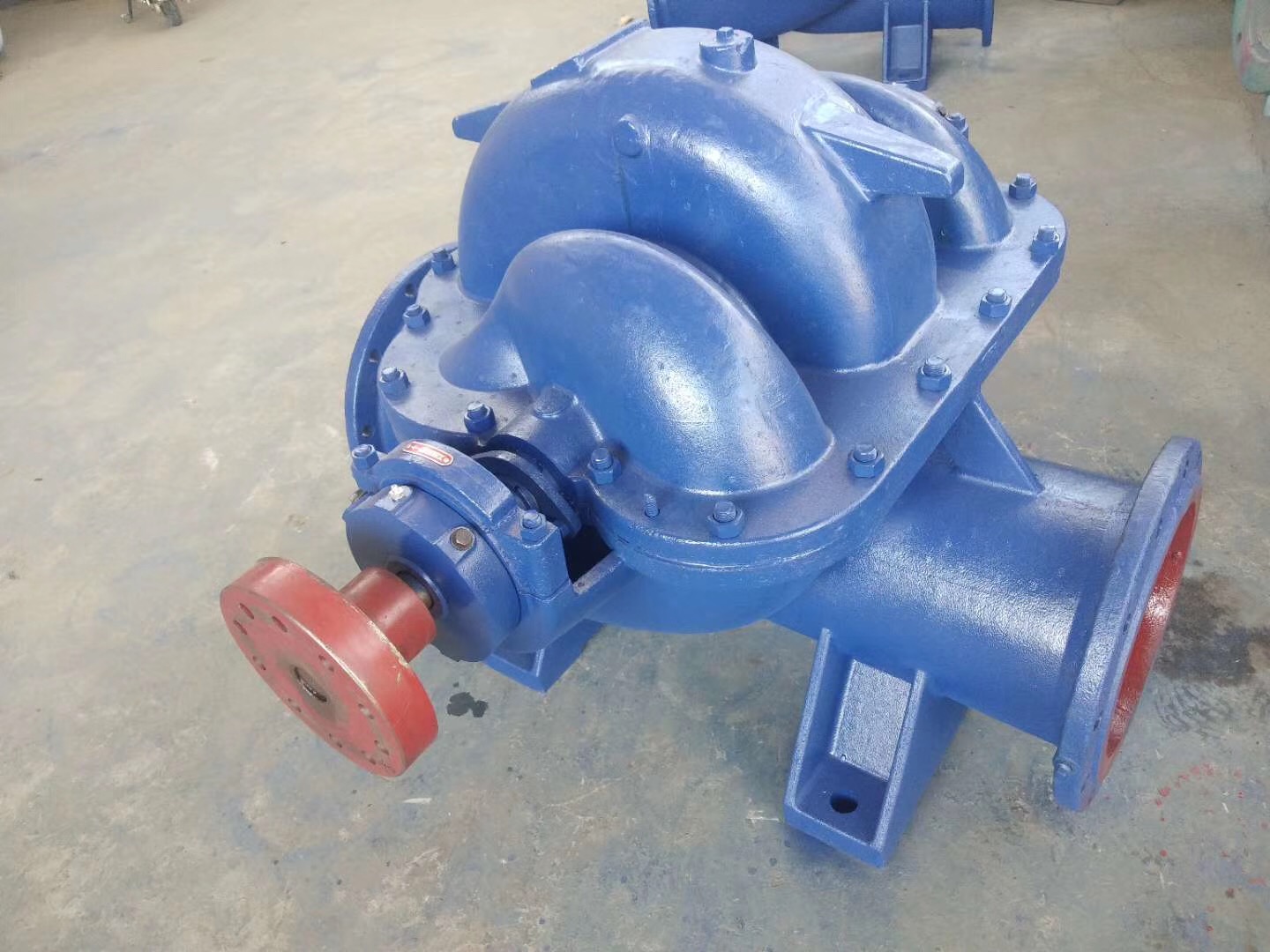
Septic tanks are predominantly constructed from precast concrete, fiberglass reinforced plastic (FRP), or polyethylene. Concrete tanks offer structural rigidity and longevity but are susceptible to cracking and corrosion due to sulfuric acid production during anaerobic digestion. FRP tanks provide corrosion resistance and lighter weight but require careful resin formulation to withstand soil pressures and UV degradation. Polyethylene tanks are lightweight, corrosion-proof, and cost-effective, however, their structural integrity is dependent on wall thickness and ribbing designs. The lift pump station components demand specific material considerations. Pump housings are frequently made from cast iron (ASTM A48 Class 30) for robustness, stainless steel (304 or 316 grade – ASTM A240) for corrosion resistance in aggressive environments, or engineered plastics like polypropylene for lighter-duty applications. Impellers often utilize high-chrome cast iron or hardened stainless steel to resist abrasion from solids. Piping within the system typically employs Schedule 40 PVC (ASTM D1785) for its chemical resistance and cost-effectiveness, while high-pressure lines may utilize ductile iron. Manufacturing of the septic tank involves precise concrete pouring and curing procedures, FRP molding utilizing closed mold processes, or rotational molding for polyethylene. Lift pump manufacturing necessitates precision machining of metallic components, injection molding of plastic parts, and rigorous quality control to ensure proper impeller balance and sealing. Key parameter control includes resin ratios in FRP, concrete compressive strength, and weld integrity in metal components.
Performance & Engineering
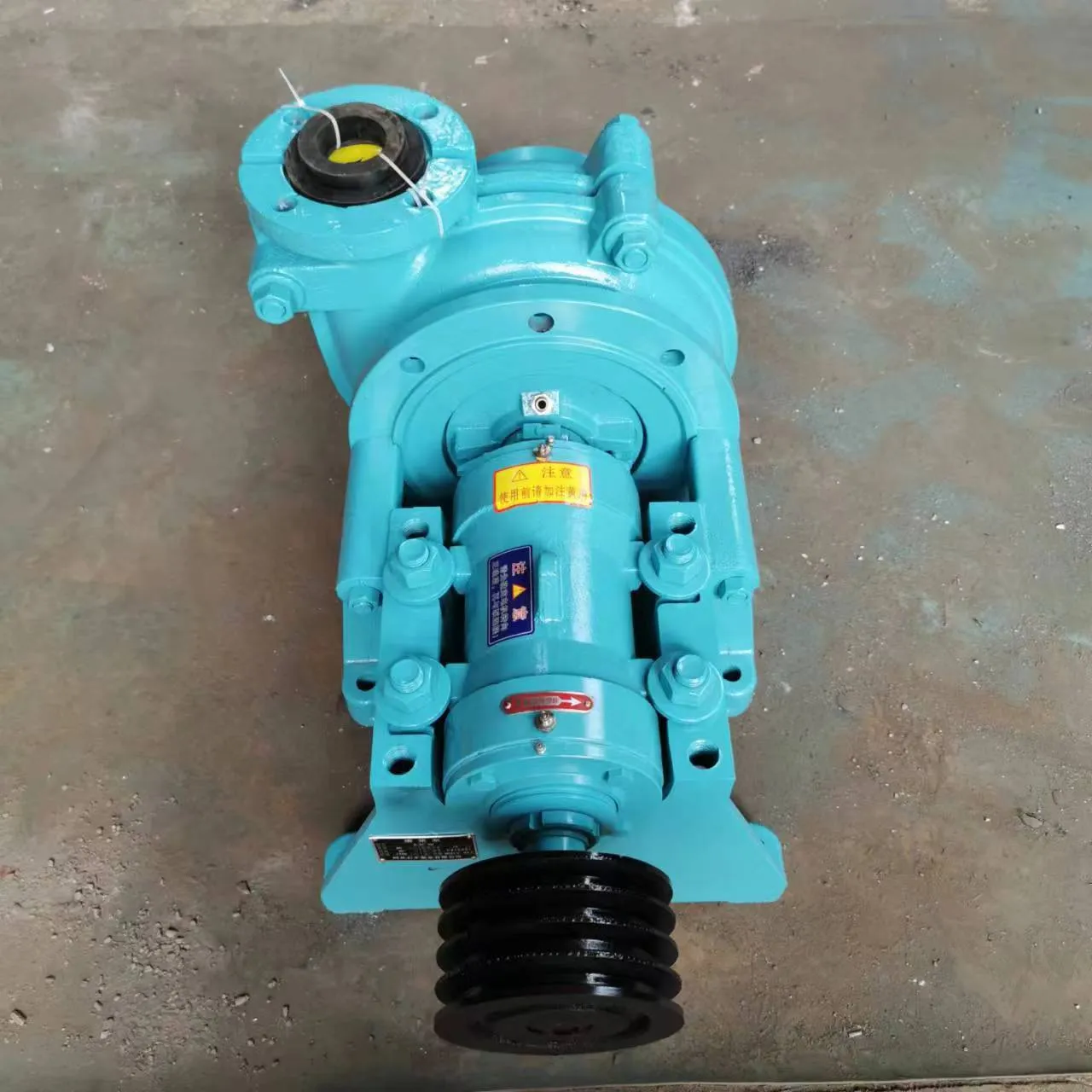
The performance of a septic system with a lift pump hinges on hydraulic loading rates, pump curve characteristics, and effluent quality. Hydraulic loading rate (gallons per day per square foot) determines the drain field’s capacity to handle wastewater. The lift pump must be sized to deliver the required flow rate against the total dynamic head (TDH), which comprises static head (elevation difference), friction losses in piping, and pressure requirements at the drain field. Force analysis is critical in the pump station design, accounting for pump motor torque, impeller forces, and structural loads on the tank and piping. Environmental resistance is paramount. Tanks require structural integrity to withstand soil pressures and groundwater forces. Pump stations must be weatherproof and protected from freezing. Compliance requirements include adherence to local and state regulations concerning effluent discharge limits (BOD, TSS, nitrogen), tank sizing, setback distances from wells, and drain field design. Functional implementation necessitates proper electrical wiring and grounding, level sensor calibration for automatic pump operation, and alarm systems for high liquid levels or pump failure. Long-term performance is affected by biofilm formation within the pump station, leading to reduced pump efficiency and potential clogging. Regular inspection and maintenance are vital to mitigate these issues.
Technical Specifications
| Parameter | Septic Tank (Concrete) | Septic Tank (FRP) | Lift Pump (Typical) | PVC Piping (Schedule 40) |
|---|---|---|---|---|
| Material | Reinforced Concrete (ASTM C1499) | Fiberglass Reinforced Plastic (ASTM D3299) | Cast Iron/Stainless Steel | Polyvinyl Chloride (ASTM D1785) |
| Capacity (Gallons) | 1000 – 5000+ | 1000 – 5000+ | N/A – Component within system | Various Diameters (4” – 12”) |
| Tensile Strength | >3000 psi | >10,000 psi | N/A | 6,000 – 8,000 psi |
| Corrosion Resistance | Moderate (requires coating) | Excellent | Good to Excellent (grade dependent) | Excellent (to most chemicals) |
| Operating Temperature Range | 40°F – 120°F | 32°F – 140°F | 32°F – 104°F | 14°F – 140°F |
| Pump Flow Rate (GPM) | N/A | N/A | 20 – 100+ (variable) | N/A |
Failure Mode & Maintenance
Septic systems with lift pumps are prone to several failure modes. Septic tank failures include cracking due to soil settlement or overload, inlet/outlet baffle deterioration leading to solids carryover, and anaerobic digestion exceeding capacity. Lift pump failures commonly stem from impeller wear or blockage from debris, motor burnout due to overheating or electrical faults, and seal failures leading to leakage. Piping failures can result from joint separation, cracking from ground movement, or root intrusion. Failure analysis reveals that inadequate solids removal from the septic tank significantly contributes to pump failures. Corrosion of metallic components is also a common issue, particularly in areas with acidic soil. Preventative maintenance is crucial. This includes regular septic tank pumping (every 3-5 years), inspection of baffles and tank integrity, pump station cleaning to remove debris, impeller inspection and replacement, electrical connection checks, and level sensor calibration. Periodic testing of effluent quality ensures compliance with regulations. Addressing root intrusion requires root cutting and pipe repair or replacement. Implementing a pre-filter upstream of the lift pump can significantly reduce debris entering the pump, extending its lifespan and reducing maintenance frequency.
Industry FAQ
Q: What is the optimal sizing criteria for a lift pump, considering both flow rate and total dynamic head?
A: Optimal sizing requires a comprehensive hydraulic analysis. The pump must deliver the anticipated daily wastewater flow rate, factoring in peak usage, plus a safety margin. Total Dynamic Head (TDH) is calculated by summing the static lift (vertical distance from pump to drain field), friction losses in piping (using the Darcy-Weisbach equation considering pipe material, diameter, and length), and any pressure requirements at the drain field. Select a pump with a performance curve that efficiently meets these requirements, avoiding operation at extreme ends of the curve which reduce efficiency and longevity.
Q: What are the implications of selecting a lift pump material that is not compatible with the anticipated wastewater composition?
A: Incompatible materials can lead to premature pump failure. For example, using a carbon steel pump in a corrosive environment (high sulfide content) will result in rapid corrosion and pump degradation. Stainless steel (316 grade) is preferred for corrosive environments, while cast iron is suitable for less aggressive applications. Ensure the material's chemical resistance is verified against the anticipated wastewater characteristics, including pH, chloride levels, and sulfide concentrations.
Q: How can biofilm formation within the lift pump station be minimized and what impact does it have on system performance?
A: Biofilm formation can significantly reduce pump efficiency and cause blockages. Minimization strategies include regular pump station cleaning, maintaining adequate flow velocities to prevent solids settling, and potentially using UV disinfection to reduce bacterial growth. Biofilm reduces impeller efficiency, increases energy consumption, and can lead to pump overheating. Regular inspection and cleaning are paramount.
Q: What are the key considerations for ensuring proper electrical grounding and safety within a lift pump station?
A: Proper grounding is critical to prevent electrical shock hazards. The pump, station components, and any associated electrical panels must be grounded according to the National Electrical Code (NEC). Ground fault circuit interrupters (GFCIs) should be installed on all circuits serving the pump station. Regular inspection of grounding connections and GFCI functionality is essential. All electrical work must be performed by a qualified electrician.
Q: What is the role of a level sensor in a lift pump system and what are common causes of failure?
A: The level sensor automatically activates the lift pump when the wastewater level reaches a predetermined point, preventing overflows and ensuring consistent effluent flow. Common failure causes include sensor fouling from solids buildup, electrical connection corrosion, and component failure due to age or environmental factors. Regular inspection and cleaning of the sensor are vital, and replacing sensors proactively is recommended at scheduled intervals.
Conclusion
Septic systems employing lift pumps represent a sophisticated wastewater management solution, particularly suited to challenging site conditions. The selection of appropriate materials – concrete, FRP, polyethylene for tanks, and cast iron, stainless steel, or engineered plastics for pumps – is fundamental to long-term performance and reliability. Precise engineering, considering hydraulic loading rates, total dynamic head, and environmental factors, is essential for optimal system operation and adherence to regulatory compliance.
Proactive maintenance, including regular tank pumping, pump station cleaning, and component inspection, is paramount to prevent failure modes such as impeller wear, motor burnout, and piping blockages. Understanding the interplay between material science, engineering principles, and maintenance practices will ensure the efficient and sustainable operation of these critical wastewater infrastructure components. Continuous monitoring and adherence to established standards are vital for safeguarding public health and the environment.
-
Comprehensive Guide to Waterproof ORings for Optimal Sealing Solutions
News2026-06-09
-
Waste Tank Pump Performance Analysis
News2026-06-27
-
Sewer System Pump Out Material Science
News2026-06-27
-
Sewer Ejector Pit Performance Analysis
News2026-06-27
-
septic tank pumps for sale Performance Engineering
News2026-06-27
-
septic system with lift pump Performance Engineering
News2026-06-27
-
septic system sump pump Performance Analysis
News2026-06-26
-
septic pump company Performance Analysis
News2026-06-26
-
pumps water treatment Performance Analysis
News2026-06-26
-
pumps for septic tanks Material Science and Manufacturing
News2026-06-26
-
pump for septic system Material Science Manufacturing
News2026-06-26
-
heavy duty submersible pump Performance Analysis
News2026-06-25
-
best submersible pump for septic tank Performance Analysis
News2026-06-25
-
basement sewer ejector pump Performance Analysis
News2026-06-25
-
basement pumps ejector pumps Performance Analysis
News2026-06-25




