English
- Afrikaans
- Albanian
- Amharic
- Arabic
- Armenian
- Azerbaijani
- Basque
- Belarusian
- Bengali
- Bosnian
- Bulgarian
- Catalan
- Cebuano
- Corsican
- Croatian
- Czech
- Danish
- Dutch
- English
- Esperanto
- Estonian
- Finnish
- French
- Frisian
- Galician
- Georgian
- German
- Greek
- Gujarati
- Haitian Creole
- hausa
- hawaiian
- Hebrew
- Hindi
- Miao
- Hungarian
- Icelandic
- igbo
- Indonesian
- irish
- Italian
- Japanese
- Javanese
- Kannada
- kazakh
- Khmer
- Rwandese
- Korean
- Kurdish
- Kyrgyz
- Lao
- Latin
- Latvian
- Lithuanian
- Luxembourgish
- Macedonian
- Malgashi
- Malay
- Malayalam
- Maltese
- Maori
- Marathi
- Mongolian
- Myanmar
- Nepali
- Norwegian
- Norwegian
- Occitan
- Pashto
- Persian
- Polish
- Portuguese
- Punjabi
- Romanian
- Russian
- Samoan
- Scottish Gaelic
- Serbian
- Sesotho
- Shona
- Sindhi
- Sinhala
- Slovak
- Slovenian
- Somali
- Spanish
- Sundanese
- Swahili
- Swedish
- Tagalog
- Tajik
- Tamil
- Tatar
- Telugu
- Thai
- Turkish
- Turkmen
- Ukrainian
- Urdu
- Uighur
- Uzbek
- Vietnamese
- Welsh
- Bantu
- Yiddish
- Yoruba
- Zulu

Telephone: +86 13120555503
Email: frank@cypump.com


Apr . 01, 2024 17:55 Back to list
septic system sump pump Performance Analysis
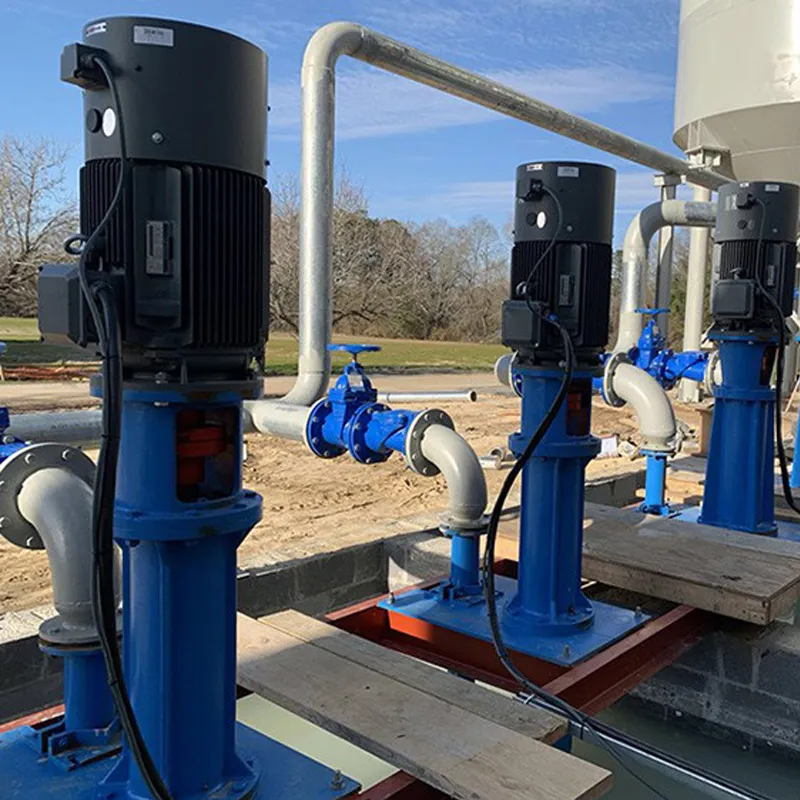
Introduction
Septic system sump pumps are critical components in wastewater management for properties not connected to municipal sewer systems. Positioned within a septic tank or designated sump basin, these pumps are designed to automatically remove accumulated effluent and solids, preventing system overload and potential failure. Unlike sewage ejectors handling greywater, septic sump pumps specifically manage the output from a septic tank. Core performance characteristics include flow rate (gallons per minute/hour), total dynamic head (TDH) – the maximum height the pump can lift the liquid, motor horsepower, and solids handling capability (diameter and concentration). A primary industry challenge is selecting a pump material and impeller design resistant to the highly corrosive environment within a septic system, and ensuring reliable operation across variable flow conditions often dictated by rainfall and household water usage. Effective sump pump function directly dictates the lifespan and efficiency of the entire septic system, preventing costly repairs and environmental contamination.
Material Science & Manufacturing
Septic sump pumps commonly utilize materials selected for their resistance to hydrogen sulfide (H2S), organic acids, and abrasive solids prevalent in septic effluent. Pump housings are frequently constructed from cast iron (ASTM A48 Class 30), often coated with epoxy or polyurethane for enhanced corrosion protection. Impellers are typically manufactured from high-density polyethylene (HDPE) or stainless steel (304 or 316 grade), chosen for their durability and resistance to degradation. Shaft seals are a critical point, utilizing materials like silicon carbide (SiC) against SiC faces to provide a robust barrier against leakage and corrosion. Manufacturing processes involve several key stages. Casting for iron housings is followed by precision machining. Plastic impellers are typically produced via injection molding, controlling melt temperature, injection pressure, and cooling rates to ensure dimensional accuracy and material integrity. Motor stators are wound with copper wire insulated with epoxy resins, while rotor laminations are constructed from silicon steel to maximize efficiency. Quality control at each stage involves dimensional inspections, non-destructive testing (NDT) like ultrasonic testing for castings, and dielectric strength testing for electrical components. Failure to control parameters like epoxy coating thickness or impeller balance significantly reduces pump lifespan and performance.
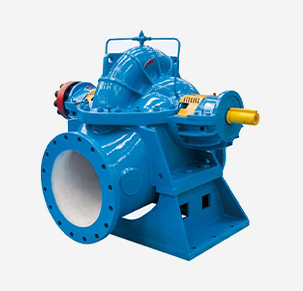
Performance & Engineering
Performance of a septic sump pump is directly linked to hydraulic design and motor characteristics. Force analysis considers hydrostatic pressure, dynamic head loss due to friction in pipes and fittings, and impeller momentum transfer. The pump curve, a graphical representation of head vs. flow rate, is crucial for proper system sizing. Engineering considerations include selecting a pump with sufficient TDH to overcome elevation differences and frictional losses within the discharge piping. Impeller design (radial, vortex, or mixed-flow) affects solids handling capability and efficiency; vortex impellers are better suited for handling large solids, while radial impellers offer higher head. Environmental resistance is critical, demanding pumps withstand continuous immersion in corrosive liquids and fluctuating temperatures. Compliance with National Sanitation Foundation (NSF) standards (NSF/ANSI 467) mandates specific performance criteria for septic tank components, including pump efficiency, leakage rates, and material safety. Properly sized discharge piping (diameter and slope) is crucial to minimize frictional losses and prevent solids buildup. Float switch mechanisms, responsible for automatic pump activation and deactivation, must be regularly inspected for proper operation to avoid pump burnout or system failure. Variable Frequency Drives (VFDs) are increasingly employed to modulate pump speed based on effluent levels, optimizing energy consumption and extending pump life.
Technical Specifications
| Parameter | Typical Range (Residential Application) | Unit | Testing Standard |
|---|---|---|---|
| Flow Rate | 60-120 | Gallons Per Minute (GPM) | ANSI/CSPIA SP102 |
| Total Dynamic Head (TDH) | 20-50 | Feet | Hydraulic Institute Standards |
| Motor Horsepower | 1/2 – 1 | HP | NEMA MG 1 |
| Solids Handling Capability | Up to 2 inches | Diameter | Manufacturer’s Specifications |
| Minimum Submersion Depth | 18-24 | Inches | Manufacturer’s Specifications |
| Discharge Pipe Size | 1.25 – 2 | Inches | Plumbing Codes (Local) |
Failure Mode & Maintenance
Septic sump pump failures commonly stem from several mechanisms. Fatigue cracking can occur in the impeller due to repeated impacts from solids. Corrosion, particularly pitting corrosion from sulfide attack, weakens pump housing and impeller components. Delamination of epoxy coatings on cast iron housings accelerates corrosion. Seal failure, often caused by abrasive particles or chemical degradation, leads to leakage and motor damage. Motor burnout results from overheating due to dry running (pump operating without sufficient liquid) or voltage fluctuations. Electrical failures, including winding shorts and capacitor failures, are also prevalent. Preventive maintenance is critical. Regular inspection (every 6-12 months) should include checking float switch operation, verifying discharge line integrity, and inspecting for signs of corrosion or leakage. Periodic cleaning of the sump basin to remove accumulated solids reduces pump strain. Professional servicing should include motor amperage testing, seal replacement, and impeller inspection. In areas with high H2S concentrations, chemical inhibitors may be used to mitigate corrosion. The use of a pump controller with high-level alarms and automatic shutoff features prevents pump damage from prolonged dry running or system overload.
Industry FAQ
Q: What is the optimal material for a septic sump pump impeller given the harsh chemical environment?
A: While cast iron was traditionally used, modern applications strongly favor high-density polyethylene (HDPE) or stainless steel (316 grade). HDPE offers excellent resistance to most chemicals found in septic effluent and is less prone to corrosion. 316 stainless steel provides superior mechanical strength and corrosion resistance, though at a higher cost. The choice depends on the expected lifespan, solids concentration, and budget.
Q: How do I determine the correct pump size (flow rate and TDH) for my septic system?
A: Correct sizing requires a thorough assessment of your system’s needs. Calculate the total dynamic head (TDH) by adding the vertical lift (elevation difference), frictional losses in piping, and any pressure losses from fittings. Flow rate should be determined based on the peak daily wastewater flow and the desired pumping cycle frequency. Consulting with a qualified septic system professional is highly recommended.
Q: What are the common causes of premature pump failure and how can they be avoided?
A: Common causes include dry running, solids buildup, corrosion, and seal failure. Avoid dry running by ensuring adequate liquid levels and utilizing a reliable float switch system. Prevent solids buildup with regular sump basin cleaning. Mitigate corrosion with appropriate material selection and, if necessary, chemical inhibitors. Regularly inspect and replace seals as needed.
Q: How important is it to use a pump that meets NSF/ANSI 467 standards?
A: Extremely important. NSF/ANSI 467 certification ensures the pump meets minimum performance and safety standards for septic tank components. This certification verifies material safety, leakage rates, and efficiency, protecting both the environment and the system's long-term performance.
Q: What role do variable frequency drives (VFDs) play in septic sump pump applications?
A: VFDs allow for modulating pump speed based on effluent levels. This optimizes energy consumption by reducing pump speed during low-flow periods and extending pump life by reducing mechanical stress. They also provide soft-start capabilities, minimizing water hammer and extending the lifespan of the piping system.
Conclusion
Septic system sump pump selection and maintenance are fundamentally linked to ensuring long-term septic system functionality and environmental protection. Proper material selection, informed by an understanding of the corrosive environment and solids handling requirements, is paramount. Accurate hydraulic calculations, accounting for total dynamic head and peak flow rates, are crucial for optimizing pump performance and preventing premature failure. The integration of preventative maintenance practices – regular inspections, cleaning, and component replacement – significantly extends pump lifespan and minimizes the risk of costly repairs.
Looking ahead, advancements in pump technology, such as intelligent controllers and improved impeller designs, will further enhance energy efficiency and reliability. The increasing adoption of remote monitoring systems will provide real-time performance data, enabling proactive maintenance and minimizing downtime. Compliance with evolving regulatory standards, such as those related to nutrient removal, will drive innovation in septic system component design and operation. Prioritizing a holistic approach to septic system management, with the sump pump as a central element, remains vital for sustainable wastewater treatment.
-
Comprehensive Guide to Waterproof ORings for Optimal Sealing Solutions
News2026-06-09
-
septic system sump pump Performance Analysis
News2026-06-26
-
septic pump company Performance Analysis
News2026-06-26
-
pumps water treatment Performance Analysis
News2026-06-26
-
pumps for septic tanks Material Science and Manufacturing
News2026-06-26
-
pump for septic system Material Science Manufacturing
News2026-06-26
-
heavy duty submersible pump Performance Analysis
News2026-06-25
-
best submersible pump for septic tank Performance Analysis
News2026-06-25
-
basement sewer ejector pump Performance Analysis
News2026-06-25
-
basement pumps ejector pumps Performance Analysis
News2026-06-25
-
basement lift pump Performance and Engineering
News2026-06-25
-
basement bathroom pump systems Performance Analysis
News2026-06-24
-
basement bathroom ejector pump system Performance Engineering
News2026-06-24
-
2 hp sewage pump Performance Engineering
News2026-06-24
-
1 hp septic pump Performance Engineering
News2026-06-24




