English
- Afrikaans
- Albanian
- Amharic
- Arabic
- Armenian
- Azerbaijani
- Basque
- Belarusian
- Bengali
- Bosnian
- Bulgarian
- Catalan
- Cebuano
- Corsican
- Croatian
- Czech
- Danish
- Dutch
- English
- Esperanto
- Estonian
- Finnish
- French
- Frisian
- Galician
- Georgian
- German
- Greek
- Gujarati
- Haitian Creole
- hausa
- hawaiian
- Hebrew
- Hindi
- Miao
- Hungarian
- Icelandic
- igbo
- Indonesian
- irish
- Italian
- Japanese
- Javanese
- Kannada
- kazakh
- Khmer
- Rwandese
- Korean
- Kurdish
- Kyrgyz
- Lao
- Latin
- Latvian
- Lithuanian
- Luxembourgish
- Macedonian
- Malgashi
- Malay
- Malayalam
- Maltese
- Maori
- Marathi
- Mongolian
- Myanmar
- Nepali
- Norwegian
- Norwegian
- Occitan
- Pashto
- Persian
- Polish
- Portuguese
- Punjabi
- Romanian
- Russian
- Samoan
- Scottish Gaelic
- Serbian
- Sesotho
- Shona
- Sindhi
- Sinhala
- Slovak
- Slovenian
- Somali
- Spanish
- Sundanese
- Swahili
- Swedish
- Tagalog
- Tajik
- Tamil
- Tatar
- Telugu
- Thai
- Turkish
- Turkmen
- Ukrainian
- Urdu
- Uighur
- Uzbek
- Vietnamese
- Welsh
- Bantu
- Yiddish
- Yoruba
- Zulu

Telephone: +86 13120555503
Email: frank@cypump.com


Apr . 01, 2024 17:55 Back to list
Septic System Pumps Performance Analysis
Introduction
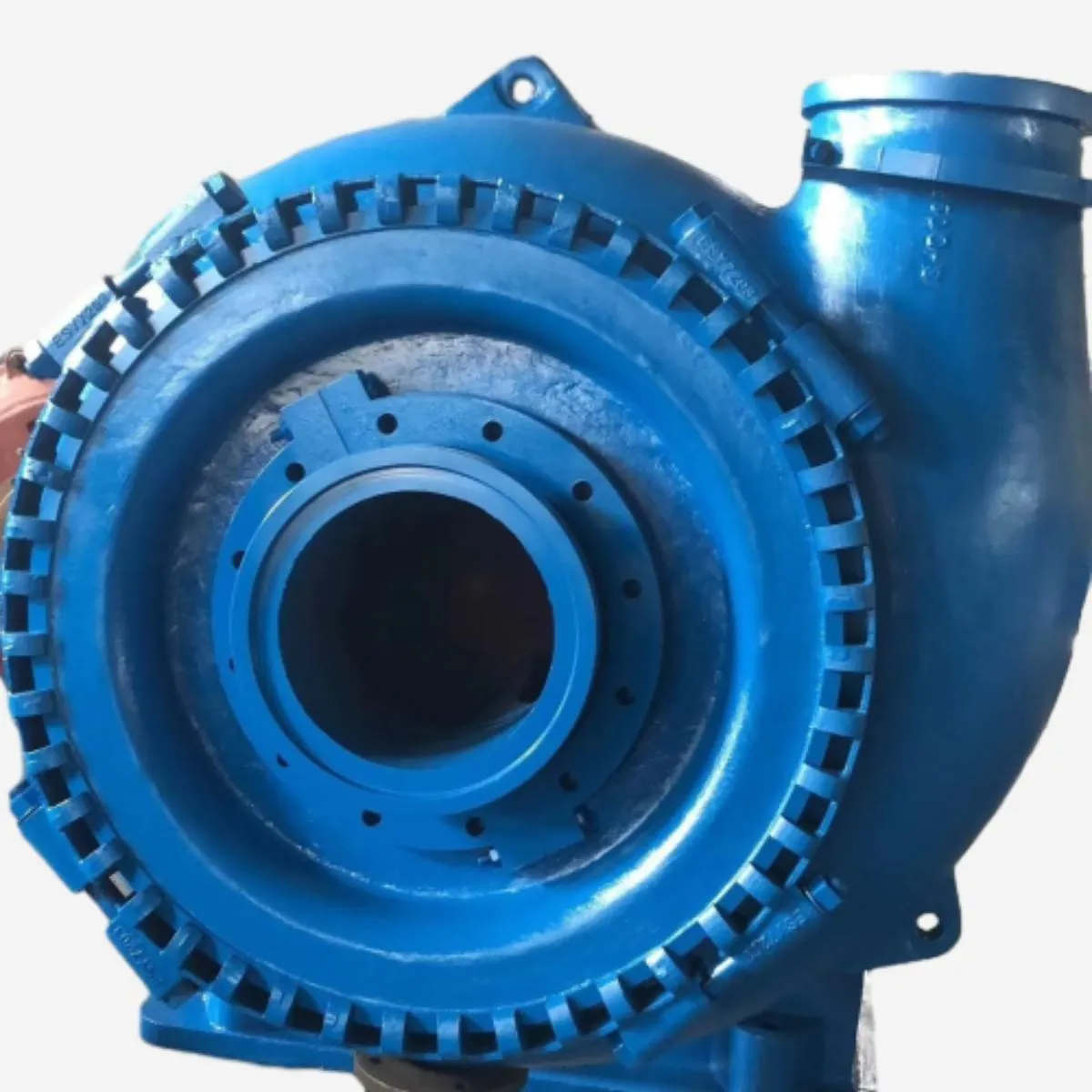
Septic system pumps, integral components of decentralized wastewater treatment systems, are designed to transfer effluent from a septic tank to a drain field. Their technical position within the wastewater management chain is crucial, acting as the bridge between primary solids separation and secondary treatment through soil filtration. These pumps address limitations inherent in gravity-fed systems, particularly in challenging topographical conditions or where soil permeability is insufficient. Core performance characteristics center around reliable operation, efficient hydraulic output (gallons per minute/GPM, total dynamic head/TDH), resistance to corrosive wastewater constituents, and robust solids handling capabilities. The increasing prevalence of stringent environmental regulations and growing demand for sustainable wastewater solutions are driving advancements in septic pump technology, focusing on energy efficiency, remote monitoring, and extended service life. A primary industry pain point lies in premature pump failure due to abrasive solids, corrosive environments, and inadequate maintenance practices, leading to costly repairs and potential environmental hazards.
Material Science & Manufacturing
Septic system pumps commonly utilize a combination of materials to withstand the harsh operating environment. Pump housings are frequently constructed from engineered thermoplastics such as polypropylene (PP) or high-density polyethylene (HDPE) due to their chemical resistance, lightweight properties, and cost-effectiveness. For high-pressure or demanding applications, cast iron (ASTM A48 Class 30) with epoxy or polyurethane coatings is employed to provide structural integrity and corrosion protection. Impellers and diffusers are often made from stainless steel (304 or 316 grade) to resist abrasion and corrosion from wastewater solids. Shaft materials typically consist of 4140 alloy steel, heat-treated and hardened for increased durability. Seals are crucial components, commonly employing silicon carbide mechanical seals paired with Viton or EPDM elastomers for chemical compatibility and leak prevention.
Manufacturing processes vary based on component and material. Thermoplastic housings are typically produced using injection molding, with precise control over mold temperature, injection pressure, and cooling rates to ensure dimensional accuracy and material integrity. Cast iron components involve sand casting followed by machining and coating application. Stainless steel impellers are created using investment casting or machining from solid stock. Pump assembly is a critical stage, requiring meticulous attention to sealing surfaces, fastener torque, and proper alignment to prevent premature failure. Quality control measures include hydrostatic testing to verify housing integrity, electrical safety testing, and performance validation against specified hydraulic curves. Parameter control during manufacturing centers on maintaining tight tolerances on impeller geometry, seal surface finish, and material composition to optimize pump efficiency and longevity.
Performance & Engineering
The performance of a septic system pump is governed by several key engineering principles. Hydraulic design focuses on optimizing impeller geometry and diffuser configurations to maximize pump efficiency and minimize head loss. Force analysis considers radial and axial thrust loads generated by the impeller, requiring robust bearing systems and shaft support. Environmental resistance is paramount, necessitating materials and coatings that can withstand prolonged exposure to hydrogen sulfide (H2S), sulfates, and other corrosive elements present in septic wastewater. Pump selection must align with the specific system requirements, including total dynamic head (TDH), flow rate, and solids handling capacity. TDH is calculated by summing static lift, friction losses in piping, and pressure required at the discharge point.
Compliance requirements are dictated by local and national regulations, including NSF/ANSI Standard 40 for septic tank components and EPA guidelines for wastewater treatment. Pump curve analysis is essential for ensuring proper pump sizing and performance optimization. Cavitation, a phenomenon caused by low inlet pressure, can severely damage impellers; proper submergence and inlet piping design are critical to avoid this. Motor selection must account for the pump's power requirements, duty cycle, and operating environment. Submersible motors are commonly used, requiring hermetic sealing and robust corrosion protection. Control systems, ranging from simple float switches to sophisticated variable frequency drives (VFDs), are employed to regulate pump operation and optimize energy consumption.
Technical Specifications
| Pump Type | Maximum Flow Rate (GPM) | Maximum Head (ft) | Motor Horsepower (HP) |
|---|---|---|---|
| Submersible Grinder Pump | 125 | 80 | 1.0 |
| Submersible Effluent Pump | 80 | 60 | 0.75 |
| Centrifugal Pump (Surface Mounted) | 150 | 100 | 1.5 |
| Diaphragm Pump | 40 | 40 | 0.5 |
| Low-Pressure Pump (LP Pump) | 60 | 30 | 0.33 |
| High-Pressure Pump (HP Pump) | 30 | 120 | 1.0 |
Failure Mode & Maintenance
Septic system pumps are susceptible to several failure modes. Fatigue cracking of impellers can occur due to cyclical loading and abrasive solids. Seal failure, resulting in leakage, is often caused by abrasive wear, chemical degradation of elastomers, or improper installation. Winding failure in the motor can result from overheating, moisture ingress, or voltage fluctuations. Clogging of the impeller or discharge piping is a common issue, particularly in systems with inadequate pre-filtration. Corrosion, particularly pitting corrosion in stainless steel components, can weaken structural integrity.
Preventive maintenance is crucial for extending pump life. Regular inspection of seals, bearings, and electrical connections is essential. Periodic cleaning of the pump intake and discharge piping prevents clogging. Monitoring pump run times and energy consumption can identify potential issues. Scheduled oil changes (for oil-filled motors) and bearing lubrication ensure smooth operation. When replacing components, use OEM-specified parts to maintain compatibility and performance. Failure analysis, involving visual inspection, dimensional measurements, and material testing, can help determine the root cause of failures and prevent recurrence. Corrective maintenance should address the underlying cause of the failure, not just the symptom.
Industry FAQ
Q: What is the typical lifespan of a septic system pump?
A: The lifespan of a septic system pump varies significantly based on operating conditions and maintenance practices. However, a well-maintained submersible pump typically lasts between 7 to 10 years. Grinder pumps, due to their more demanding application, may have a shorter lifespan of 5 to 7 years. Factors such as solids content, corrosion levels, and pump duty cycle significantly impact longevity.
Q: How do I determine the correct pump size for my system?
A: Correct pump sizing requires careful consideration of several factors. The total dynamic head (TDH) must be accurately calculated, accounting for static lift, friction losses in piping, and desired discharge pressure. The required flow rate depends on the size of the drain field and the effluent generation rate. A qualified engineer should perform these calculations to ensure proper pump selection.
Q: What are the common causes of pump failure in septic systems?
A: Common failure modes include impeller wear and damage from abrasive solids, seal failure due to chemical degradation or mechanical wear, motor winding failure from overheating or moisture ingress, and clogging of the pump intake or discharge. Lack of routine maintenance and improper system design also contribute to premature failure.
Q: Is a grinder pump necessary for all septic systems?
A: Grinder pumps are typically required when the drain field is located at a higher elevation than the septic tank or when the soil conditions are not suitable for traditional gravity-fed systems. They effectively macerate solids, allowing for smaller pipe diameters and overcoming elevation challenges. However, they require more energy and maintenance than standard effluent pumps.
Q: What maintenance tasks can I perform myself to extend pump life?
A: Routine maintenance tasks include periodically inspecting the pump intake for debris, cleaning the pump discharge piping, and checking electrical connections for corrosion. Avoid introducing non-biodegradable materials into the septic system and ensure proper septic tank pumping intervals. For more complex maintenance, such as seal replacement or motor repair, it is recommended to consult a qualified technician.
Conclusion
Septic system pumps represent a critical component in modern wastewater management, enabling the effective and reliable treatment of effluent in decentralized systems. Their performance is dictated by a complex interplay of material science, hydraulic engineering, and environmental considerations. Selecting the appropriate pump type, ensuring proper installation, and implementing a robust preventive maintenance program are essential for maximizing pump lifespan and minimizing the risk of costly failures.
Future advancements in septic pump technology will likely focus on enhanced energy efficiency, remote monitoring capabilities, and improved solids handling performance. Integration with smart home systems and data analytics will enable proactive maintenance and optimized system operation. Continued adherence to industry standards and best practices will be crucial for ensuring the long-term sustainability of septic system infrastructure and protecting public health and the environment.
-
Comprehensive Guide to Waterproof ORings for Optimal Sealing Solutions
News2026-06-09
-
Septic Pump Replacement Performance Analysis
News2026-06-10
-
Septic Pump Price Performance Analysis
News2026-06-10
-
pumps for septic systems Material Science Manufacturing
News2026-06-10
-
ejector pumps for basement bathrooms Performance Analysis
News2026-06-10
-
Ejector Pump Cost Analysis
News2026-06-10
-
drainage pumps Performance and Engineering
News2026-06-09
-
basement bathroom ejector pump Material Science
News2026-06-09
-
Sewer Ejector Pump Cost Performance Analysis
News2026-06-09
-
Septic Tank Pump Replacement Performance Analysis
News2026-06-09
-
septic sump pump Performance and Engineering
News2026-06-09
-
Septic Pump System Performance Analysis
News2026-06-08
-
pump for septic Material Science
News2026-06-08
-
basement sewer pump Performance Analysis
News2026-06-08
-
submerged pump Performance Engineering
News2026-06-08




