English
- Afrikaans
- Albanian
- Amharic
- Arabic
- Armenian
- Azerbaijani
- Basque
- Belarusian
- Bengali
- Bosnian
- Bulgarian
- Catalan
- Cebuano
- Corsican
- Croatian
- Czech
- Danish
- Dutch
- English
- Esperanto
- Estonian
- Finnish
- French
- Frisian
- Galician
- Georgian
- German
- Greek
- Gujarati
- Haitian Creole
- hausa
- hawaiian
- Hebrew
- Hindi
- Miao
- Hungarian
- Icelandic
- igbo
- Indonesian
- irish
- Italian
- Japanese
- Javanese
- Kannada
- kazakh
- Khmer
- Rwandese
- Korean
- Kurdish
- Kyrgyz
- Lao
- Latin
- Latvian
- Lithuanian
- Luxembourgish
- Macedonian
- Malgashi
- Malay
- Malayalam
- Maltese
- Maori
- Marathi
- Mongolian
- Myanmar
- Nepali
- Norwegian
- Norwegian
- Occitan
- Pashto
- Persian
- Polish
- Portuguese
- Punjabi
- Romanian
- Russian
- Samoan
- Scottish Gaelic
- Serbian
- Sesotho
- Shona
- Sindhi
- Sinhala
- Slovak
- Slovenian
- Somali
- Spanish
- Sundanese
- Swahili
- Swedish
- Tagalog
- Tajik
- Tamil
- Tatar
- Telugu
- Thai
- Turkish
- Turkmen
- Ukrainian
- Urdu
- Uighur
- Uzbek
- Vietnamese
- Welsh
- Bantu
- Yiddish
- Yoruba
- Zulu

Telephone: +86 13120555503
Email: frank@cypump.com


Apr . 01, 2024 17:55 Back to list
Septic System Pump Replacement Performance Analysis
Introduction
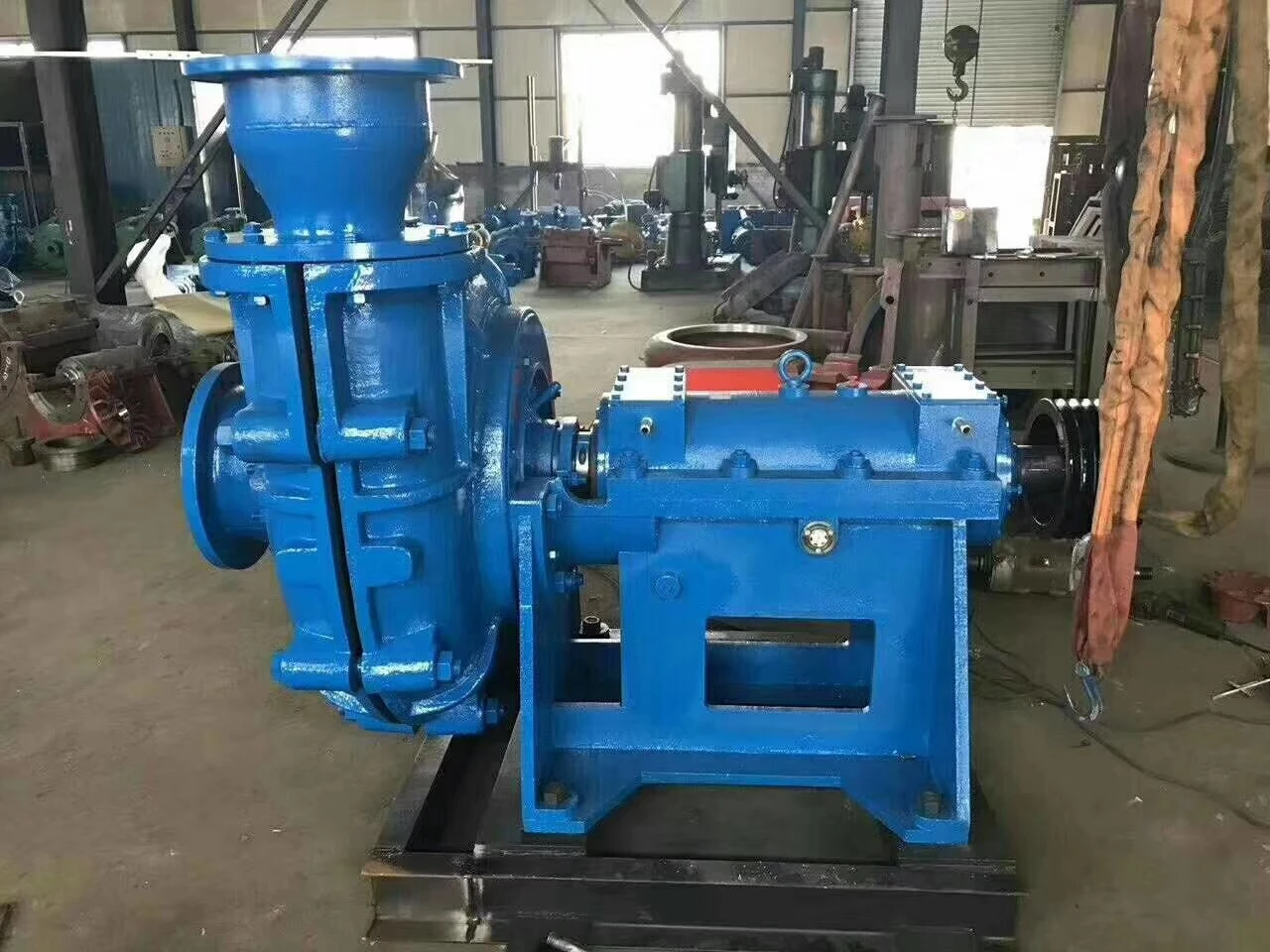
Septic system pump replacement is a critical maintenance procedure for homeowners relying on decentralized wastewater treatment. These pumps, typically effluent pumps, are integral to moving wastewater from the septic tank to the drainfield, particularly in systems facing elevation challenges or those with limited soil permeability. Failure to properly replace a pump can lead to system backups, untreated wastewater release, and potential environmental contamination. This guide provides a comprehensive overview of the process, encompassing material science, manufacturing considerations, performance engineering, failure analysis, and relevant industry standards. The core pain point in this industry revolves around ensuring long-term reliability, minimizing maintenance frequency, and mitigating the risk of costly system failures. Choosing the correct pump, ensuring proper installation, and understanding potential failure modes are paramount for effective septic system operation.
Material Science & Manufacturing
Septic system pumps are commonly constructed from cast iron, stainless steel (typically 304 or 316), and engineered polymers. Cast iron provides a cost-effective and dense material, offering good resistance to abrasion from solids in the wastewater stream. However, it is susceptible to corrosion. Stainless steel, particularly grade 316, offers superior corrosion resistance, crucial in the chemically aggressive environment of a septic tank. Engineered polymers, such as polypropylene or glass-filled nylon, are used for impellers and housings where lightweight and corrosion resistance are prioritized.
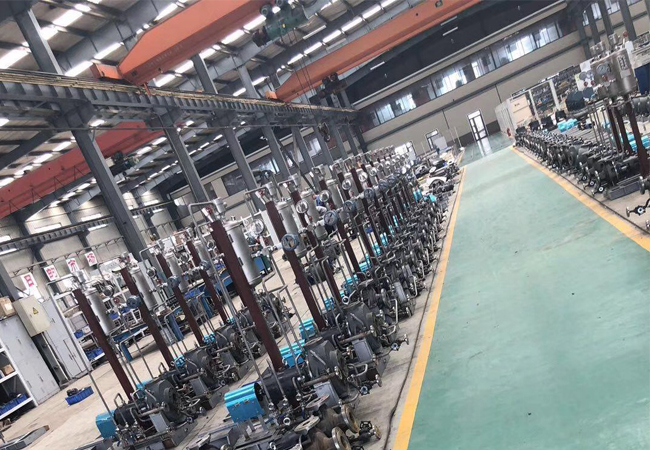
Manufacturing processes vary based on material. Cast iron components are produced using sand casting, followed by machining for precision. Stainless steel components utilize investment casting or CNC machining for intricate shapes and tight tolerances. Polymer components are typically injection molded. Critical parameters during manufacturing include impeller balancing (to minimize vibration and extend bearing life), weld integrity (for stainless steel housings), and dimensional accuracy (to ensure proper fit within the pump housing). The choice of elastomers for seals (typically nitrile or Viton) is critical, dictating resistance to chemical degradation from hydrogen sulfide and other compounds present in septic wastewater. Surface treatments, such as epoxy coating for cast iron, are applied to enhance corrosion resistance. Furthermore, the impeller design – radial, axial, or vortex – impacts pump efficiency and solids handling capability.
Performance & Engineering
The performance of a septic system pump is dictated by several key engineering factors. Head pressure, measured in feet, represents the maximum vertical distance the pump can lift the effluent. Flow rate, measured in gallons per minute (GPM), determines the volume of wastewater discharged. Power requirements, typically expressed in horsepower (HP), influence energy consumption and operational costs. Solids handling capability, measured in sphere diameter, dictates the size of particles the pump can process without clogging.
Force analysis is crucial in pump design, considering the radial and axial forces exerted on the impeller and shaft during operation. Finite Element Analysis (FEA) is often employed to optimize component geometry and minimize stress concentrations. Environmental resistance is paramount; pumps must withstand continuous immersion in wastewater, fluctuating temperatures, and potential exposure to corrosive elements. Compliance requirements are dictated by local and state regulations, often referencing NSF/ANSI standards for wastewater treatment components. Proper sizing of the pump to the drainfield capacity is critical; an undersized pump will lead to system overloading, while an oversized pump can cause premature drainfield failure. The pump’s on/off cycle, controlled by a float switch, must be calibrated to prevent short-cycling and extend pump life. Additionally, the pump curve – a graphical representation of head vs. flow rate – is essential for selecting a pump that meets the specific application requirements.
Technical Specifications
| Pump Type | Horsepower (HP) | Maximum Head (ft) | Maximum Flow Rate (GPM) |
|---|---|---|---|
| Submersible Effluent Pump | 1/2 | 80 | 40 |
| Submersible Effluent Pump | 3/4 | 100 | 60 |
| Submersible Effluent Pump | 1 | 120 | 80 |
| Centrifugal Pump (External) | 1/3 | 60 | 30 |
| Centrifugal Pump (External) | 1/2 | 80 | 45 |
| Centrifugal Pump (External) | 3/4 | 100 | 60 |
Failure Mode & Maintenance
Septic system pump failures commonly stem from several factors. Impeller clogging, due to solids buildup, is a frequent issue, reducing flow rate and potentially causing motor overheating. Bearing failure, resulting from wear and tear or lack of lubrication, leads to excessive vibration and pump seizure. Seal failure, caused by chemical degradation or mechanical wear, allows wastewater to enter the motor housing, leading to short circuits and motor failure. Switch failure, affecting the pump’s on/off cycle, can cause continuous operation or complete pump shutdown. Electrical issues, such as corroded wiring or damaged power cords, disrupt pump functionality. Corrosion, particularly in cast iron pumps, weakens the housing and leads to leaks.
Preventative maintenance is crucial. Regular inspection of the pump intake screen for debris and blockage is essential. Annual cleaning of the pump chamber removes accumulated solids. Lubrication of bearings (if applicable) extends bearing life. Testing of the float switch ensures proper operation. Periodic electrical inspections identify and address wiring issues. When replacing a pump, ensure the new unit is properly sized for the system and that all electrical connections are secure and watertight. Properly backfilling around the pump housing prevents soil intrusion and protects the electrical components. Monitoring pump runtime and amperage draw can provide early warning signs of potential problems.
Industry FAQ
Q: What is the expected lifespan of a typical septic system pump?
A: The lifespan of a septic system pump typically ranges from 7 to 10 years, but this can vary significantly based on usage, water quality, and maintenance practices. Pumps operating in systems with high solids loading or frequent use will likely have a shorter lifespan. Regular maintenance and proper sizing are key to maximizing pump longevity.
Q: How do I determine the correct pump size for my septic system?
A: Determining the correct pump size requires considering the total dynamic head (TDH), which is the vertical distance the pump must lift the effluent plus friction losses in the piping. Flow rate requirements are also crucial, dictated by the drainfield’s absorption capacity. Consulting a septic system professional is recommended to accurately assess these factors and select the appropriate pump.
Q: What are the common signs that my septic system pump is failing?
A: Common signs of pump failure include frequent pump cycling (short-cycling), slow draining, sewage backups, unusual noises from the pump, and a high electrical amperage draw. These symptoms indicate a potential issue that requires immediate attention.
Q: Is it acceptable to use a general-purpose water pump in a septic system?
A: No. General-purpose water pumps are not designed to handle the solids and corrosive environment of a septic system. Using an unsuitable pump will likely result in premature failure and potential system damage. Only pumps specifically designed for septic applications, with appropriate solids handling capabilities and corrosion-resistant materials, should be used.
Q: What safety precautions should I take when replacing a septic system pump?
A: Safety is paramount. Always disconnect the power supply to the pump before commencing any work. Wear appropriate personal protective equipment (PPE), including gloves, eye protection, and waterproof boots. Be aware of potential hazards such as confined spaces and hazardous materials. If you are not comfortable performing the replacement yourself, consult a qualified septic system professional.
Conclusion
Septic system pump replacement is a multifaceted process requiring a thorough understanding of material science, engineering principles, and industry best practices. Selecting a pump constructed from corrosion-resistant materials, ensuring proper sizing and installation, and implementing a proactive maintenance schedule are critical for maximizing system reliability and minimizing the risk of costly failures. The long-term performance of a septic system hinges on the appropriate selection and diligent upkeep of its pumping components.
Looking ahead, advancements in pump technology, such as variable frequency drives (VFDs) and smart pump controllers, offer opportunities to optimize energy efficiency and enhance system monitoring. Continued research into corrosion-resistant materials and improved impeller designs will further extend pump lifespan and reduce maintenance requirements. Adherence to evolving industry standards and regulations remains paramount for ensuring environmentally responsible wastewater treatment.
-
Comprehensive Guide to Waterproof ORings for Optimal Sealing Solutions
News2026-06-09
-
submersable pumps Performance Analysis
News2026-06-12
-
submerge pump Performance Analysis
News2026-06-12
-
Septic Tank Lift Pump Performance Analysis
News2026-06-12
-
Septic System Pump Replacement Performance Analysis
News2026-06-12
-
Septic Pumps Cost Performance Analysis
News2026-06-12
-
best sewage ejector pump Performance Engineering
News2026-06-11
-
aerobic septic system pump Performance Analysis
News2026-06-11
-
Sumergible Pump Performance Analysis
News2026-06-11
-
ejector pump for basement Performance Engineering
News2026-06-11
-
sewer lift pump Performance Engineering
News2026-06-11
-
Septic Pump Replacement Performance Analysis
News2026-06-10
-
Septic Pump Price Performance Analysis
News2026-06-10
-
pumps for septic systems Material Science Manufacturing
News2026-06-10
-
ejector pumps for basement bathrooms Performance Analysis
News2026-06-10




