English
- Afrikaans
- Albanian
- Amharic
- Arabic
- Armenian
- Azerbaijani
- Basque
- Belarusian
- Bengali
- Bosnian
- Bulgarian
- Catalan
- Cebuano
- Corsican
- Croatian
- Czech
- Danish
- Dutch
- English
- Esperanto
- Estonian
- Finnish
- French
- Frisian
- Galician
- Georgian
- German
- Greek
- Gujarati
- Haitian Creole
- hausa
- hawaiian
- Hebrew
- Hindi
- Miao
- Hungarian
- Icelandic
- igbo
- Indonesian
- irish
- Italian
- Japanese
- Javanese
- Kannada
- kazakh
- Khmer
- Rwandese
- Korean
- Kurdish
- Kyrgyz
- Lao
- Latin
- Latvian
- Lithuanian
- Luxembourgish
- Macedonian
- Malgashi
- Malay
- Malayalam
- Maltese
- Maori
- Marathi
- Mongolian
- Myanmar
- Nepali
- Norwegian
- Norwegian
- Occitan
- Pashto
- Persian
- Polish
- Portuguese
- Punjabi
- Romanian
- Russian
- Samoan
- Scottish Gaelic
- Serbian
- Sesotho
- Shona
- Sindhi
- Sinhala
- Slovak
- Slovenian
- Somali
- Spanish
- Sundanese
- Swahili
- Swedish
- Tagalog
- Tajik
- Tamil
- Tatar
- Telugu
- Thai
- Turkish
- Turkmen
- Ukrainian
- Urdu
- Uighur
- Uzbek
- Vietnamese
- Welsh
- Bantu
- Yiddish
- Yoruba
- Zulu

Telephone: +86 13120555503
Email: frank@cypump.com


Apr . 01, 2024 17:55 Back to list
septic system pump Material Science and Manufacturing
Introduction
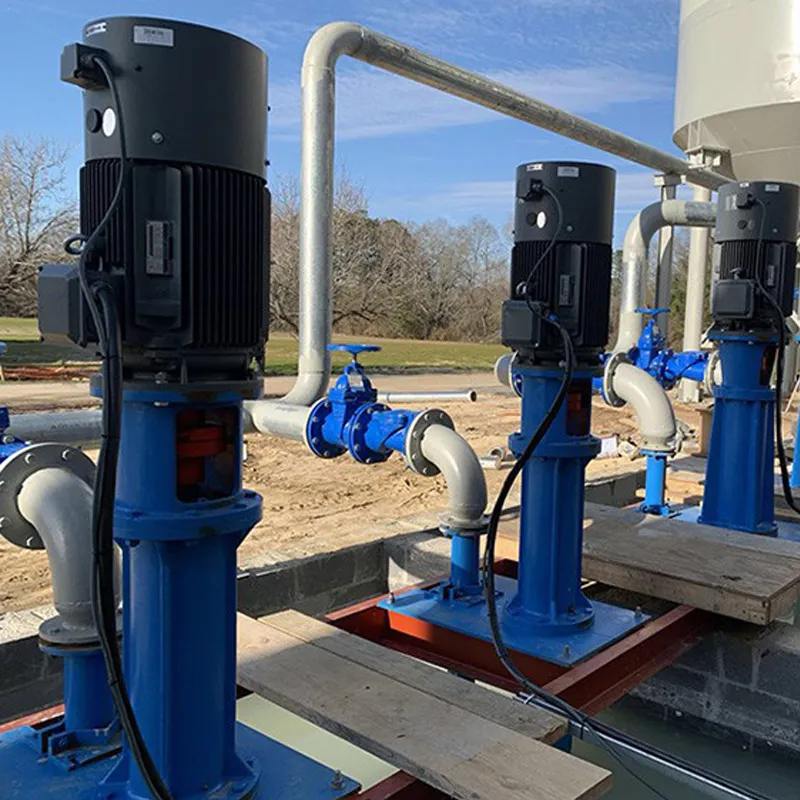
Septic system pumps, also known as effluent pumps, are critical components in decentralized wastewater treatment systems. These pumps are designed to transfer wastewater from a septic tank to a drainfield or other advanced treatment systems. Their technical position within the wastewater management chain is post-primary treatment (septic tank) and prior to soil-based or engineered dispersal. Core performance characteristics center around reliable operation, efficient hydraulic performance (flow rate and head pressure), solids handling capability, and resistance to the corrosive environment inherent in septic tank effluent. Failures in these pumps can lead to system backups, environmental contamination, and costly repairs, making robust design and informed maintenance essential. The increasing adoption of advanced treatment units, like aerobic treatment units (ATUs), further necessitates pumps capable of precise dosing and varying operational demands. This guide will provide an in-depth examination of septic system pumps, encompassing materials, manufacturing, performance characteristics, failure modes, and relevant industry standards.
Material Science & Manufacturing
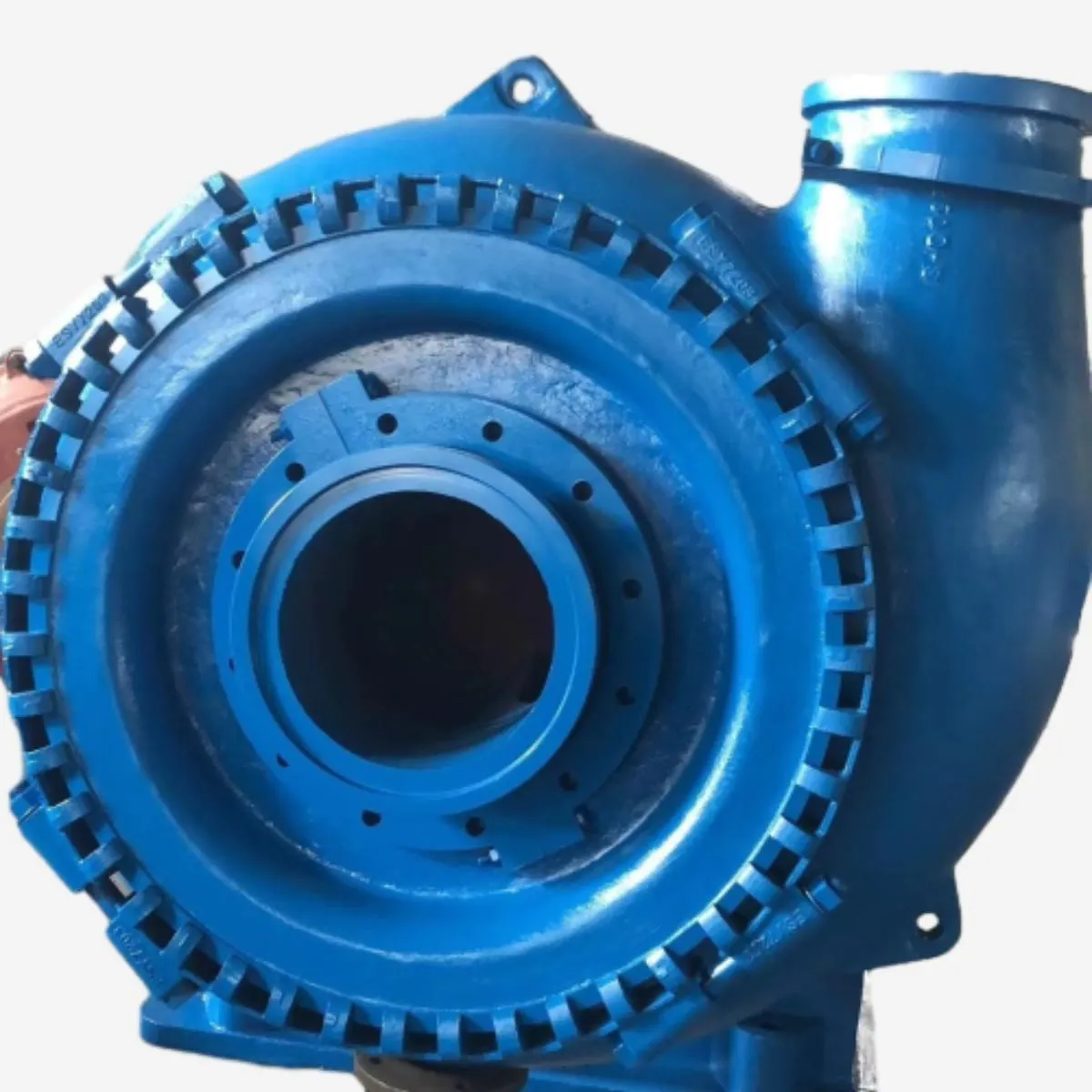
Septic system pumps are typically constructed from materials chosen for their resistance to corrosion and abrasion. Common materials include cast iron (often with epoxy coatings), stainless steel (304 or 316 grades), and engineered polymers. Cast iron provides excellent weight and vibration damping, but requires protective coatings to mitigate corrosion from hydrogen sulfide (H2S) and other aggressive compounds present in septic effluent. Stainless steel 316 offers superior corrosion resistance, particularly in marine or highly saline environments, but is more expensive. Engineered polymers, such as polypropylene or polyethylene, are increasingly used for pump housings and impellers due to their inherent corrosion resistance and lighter weight. Impellers are often made from a combination of materials - a polymer body with wear-resistant inserts (e.g., ceramic or hardened steel) to handle abrasive solids.
Manufacturing processes vary depending on the component. Pump housings often utilize sand casting for cast iron or investment casting for stainless steel. Impellers are frequently produced using injection molding for polymers or lost-wax casting for metal impellers. A crucial process is the dynamic balancing of the impeller to minimize vibration and ensure smooth operation. Pump seals are critical for preventing leaks and are typically comprised of mechanical seals featuring silicon carbide faces for long-term durability. Proper seal installation and lubrication are paramount. Welding processes, such as shielded metal arc welding (SMAW) or gas tungsten arc welding (GTAW), are used to assemble various pump components. Parameter control during welding is vital to maintain material integrity and prevent corrosion initiation points. Coatings, like epoxy powder coating, are applied to cast iron components using electrostatic deposition to ensure uniform coverage and corrosion protection. Quality control checks throughout the manufacturing process, including non-destructive testing (NDT) like dye penetrant inspection and radiographic inspection, are essential to detect flaws and ensure product reliability.
Performance & Engineering
The performance of a septic system pump is characterized by its head-capacity curve, which defines the relationship between the pump’s discharge pressure (head) and the volume of fluid it can deliver (capacity). Force analysis during pump design considers the hydraulic forces acting on the impeller, the inertial forces generated by rotating components, and the static forces due to the weight of the pump and fluid. Pump selection must account for the total dynamic head (TDH), which includes static lift (vertical distance the fluid must be pumped), friction losses in the piping, and pressure requirements of the downstream treatment system. Environmental resistance is a key consideration, as pumps are often exposed to fluctuating temperatures, humidity, and potentially harsh weather conditions. Proper pump sizing is critical to avoid overloading the motor, which can lead to premature failure.
Compliance requirements are influenced by local and national regulations regarding wastewater discharge. Pumps used in systems discharging to surface waters must meet effluent quality standards. Furthermore, pumps must comply with electrical safety standards (e.g., UL listing or CSA certification). Functional implementation often involves utilizing level sensors within the septic tank to automatically activate and deactivate the pump based on liquid level. Sophisticated control systems may incorporate variable frequency drives (VFDs) to adjust pump speed and optimize energy consumption. Pump curves are generated through rigorous hydraulic testing, ensuring the pump meets its specified performance criteria. The pump’s materials must be chemically compatible with septic tank effluent, which contains a complex mixture of organic and inorganic compounds, including sulfides, chlorides, and fats, oils, and grease (FOG). Engineers must also consider the potential for solids buildup and implement features like recessed impellers or grinder pumps to prevent clogging.
Technical Specifications
| Parameter | Typical Range | Units | Testing Standard |
|---|---|---|---|
| Flow Rate | 40 – 120 | Gallons Per Minute (GPM) | ANSI/HI 1.1 |
| Total Dynamic Head | 10 – 50 | Feet | ANSI/HI 1.1 |
| Motor Horsepower | 1/2 – 1 | HP | NEMA MG 1 |
| Solids Handling Capability | Up to 1/2 | Inches | Manufacturer Specification |
| Voltage | 115/230 | Volts | UL 508A |
| Phase | Single or Three | - | IEC 60038 |
Failure Mode & Maintenance
Septic system pumps are susceptible to several failure modes. Fatigue cracking can occur in pump housings and impellers due to repeated stress cycles. Corrosion, particularly pitting corrosion, is a common issue, especially in pumps lacking adequate corrosion protection. Delamination of epoxy coatings can expose the underlying cast iron to corrosive elements. Mechanical seal failures are frequent, often caused by abrasive particles, dry running, or improper installation. Motor failures can result from overloading, overheating, or winding insulation breakdown. Clogging due to solids buildup is a common problem, especially in systems lacking adequate pre-filtration. Oxidation of electrical connections can lead to intermittent operation or complete failure.
Professional maintenance solutions include regular inspections of the pump and control panel, cleaning of the pump intake screen to prevent clogging, and lubrication of the motor bearings. Seal replacement should be performed preventively based on operating hours or when leakage is detected. Periodic testing of the pump’s electrical connections and wiring is recommended. Voltage and amperage measurements can help identify potential motor issues. Consider implementing a scheduled pump station cleaning to remove accumulated sludge and solids. When replacing a pump, ensure the new unit is compatible with the existing piping and electrical system. Utilize surge protection devices to safeguard the pump from voltage spikes. In areas with high sulfide concentrations, consider using pumps with corrosion-resistant materials and a sulfide oxidation system. A thorough failure analysis should be conducted when a pump fails prematurely to identify the root cause and prevent recurrence.
Industry FAQ
Q: What is the impact of influent solids concentration on pump selection and lifespan?
A: Higher influent solids concentrations significantly reduce pump lifespan. Abrasive solids cause impeller wear and accelerate seal failure. Pump selection should prioritize solids handling capability, potentially utilizing grinder pumps or pumps with recessed impellers. Regular inspection and cleaning of intake screens and the pump chamber are crucial. Implementing a pre-treatment system, such as a solids separator, can extend pump life.
Q: How does the pump’s material of construction affect its resistance to hydrogen sulfide corrosion?
A: Hydrogen sulfide (H2S) is a major contributor to corrosion in septic systems. Cast iron, without adequate protective coatings, is highly susceptible to H2S-induced corrosion. Epoxy coatings offer some protection, but can delaminate over time. Stainless steel 316 provides significantly better resistance to H2S, but is more expensive. Engineered polymers are generally resistant to H2S but may have lower mechanical strength.
Q: What are the key considerations when selecting a pump for a low-pressure pipe (LPP) system?
A: LPP systems require pumps capable of delivering consistent pressure and flow to a network of subsurface drip irrigation lines. Pump selection should focus on maintaining a stable head pressure and delivering a uniform flow rate. Variable Frequency Drives (VFDs) are often employed to optimize pump performance and reduce energy consumption. Filtration is critical to prevent clogging of the drip lines.
Q: How often should the pump’s mechanical seal be replaced as preventative maintenance?
A: The replacement frequency of the mechanical seal depends on operating conditions and pump usage. As a general guideline, seals should be inspected annually and replaced every 2-3 years, or after approximately 10,000 operating hours. In systems with high solids content or abrasive effluent, more frequent replacement may be necessary.
Q: What are the implications of selecting a pump with an oversized motor?
A: An oversized motor can lead to short cycling (frequent starts and stops), which increases energy consumption and reduces pump lifespan. Short cycling also generates excessive heat and stress on the motor windings. Proper pump sizing ensures the motor operates within its optimal load range, maximizing efficiency and reliability.
Conclusion
Septic system pumps are indispensable components in decentralized wastewater treatment, demanding careful consideration of material selection, manufacturing processes, and operational parameters. The durability and reliability of these pumps directly impact the functionality and environmental safety of the entire system. Understanding the potential failure modes and implementing a proactive maintenance program are crucial for minimizing downtime and extending pump lifespan.
Advancements in pump technology, such as the integration of VFDs and smart control systems, offer opportunities to optimize performance and reduce energy consumption. Ongoing research into corrosion-resistant materials and improved seal designs will further enhance the longevity and efficiency of septic system pumps. Adherence to relevant industry standards and best practices is essential for ensuring compliant and sustainable wastewater management solutions.
-
Comprehensive Guide to Waterproof ORings for Optimal Sealing Solutions
News2026-06-09
-
Septic Pump Replacement Performance Analysis
News2026-06-10
-
Septic Pump Price Performance Analysis
News2026-06-10
-
pumps for septic systems Material Science Manufacturing
News2026-06-10
-
ejector pumps for basement bathrooms Performance Analysis
News2026-06-10
-
Ejector Pump Cost Analysis
News2026-06-10
-
drainage pumps Performance and Engineering
News2026-06-09
-
basement bathroom ejector pump Material Science
News2026-06-09
-
Sewer Ejector Pump Cost Performance Analysis
News2026-06-09
-
Septic Tank Pump Replacement Performance Analysis
News2026-06-09
-
septic sump pump Performance and Engineering
News2026-06-09
-
Septic Pump System Performance Analysis
News2026-06-08
-
pump for septic Material Science
News2026-06-08
-
basement sewer pump Performance Analysis
News2026-06-08
-
submerged pump Performance Engineering
News2026-06-08




