English
- Afrikaans
- Albanian
- Amharic
- Arabic
- Armenian
- Azerbaijani
- Basque
- Belarusian
- Bengali
- Bosnian
- Bulgarian
- Catalan
- Cebuano
- Corsican
- Croatian
- Czech
- Danish
- Dutch
- English
- Esperanto
- Estonian
- Finnish
- French
- Frisian
- Galician
- Georgian
- German
- Greek
- Gujarati
- Haitian Creole
- hausa
- hawaiian
- Hebrew
- Hindi
- Miao
- Hungarian
- Icelandic
- igbo
- Indonesian
- irish
- Italian
- Japanese
- Javanese
- Kannada
- kazakh
- Khmer
- Rwandese
- Korean
- Kurdish
- Kyrgyz
- Lao
- Latin
- Latvian
- Lithuanian
- Luxembourgish
- Macedonian
- Malgashi
- Malay
- Malayalam
- Maltese
- Maori
- Marathi
- Mongolian
- Myanmar
- Nepali
- Norwegian
- Norwegian
- Occitan
- Pashto
- Persian
- Polish
- Portuguese
- Punjabi
- Romanian
- Russian
- Samoan
- Scottish Gaelic
- Serbian
- Sesotho
- Shona
- Sindhi
- Sinhala
- Slovak
- Slovenian
- Somali
- Spanish
- Sundanese
- Swahili
- Swedish
- Tagalog
- Tajik
- Tamil
- Tatar
- Telugu
- Thai
- Turkish
- Turkmen
- Ukrainian
- Urdu
- Uighur
- Uzbek
- Vietnamese
- Welsh
- Bantu
- Yiddish
- Yoruba
- Zulu

Telephone: +86 13120555503
Email: frank@cypump.com


Apr . 01, 2024 17:55 Back to list
septic system lift pump Performance Analysis
Introduction
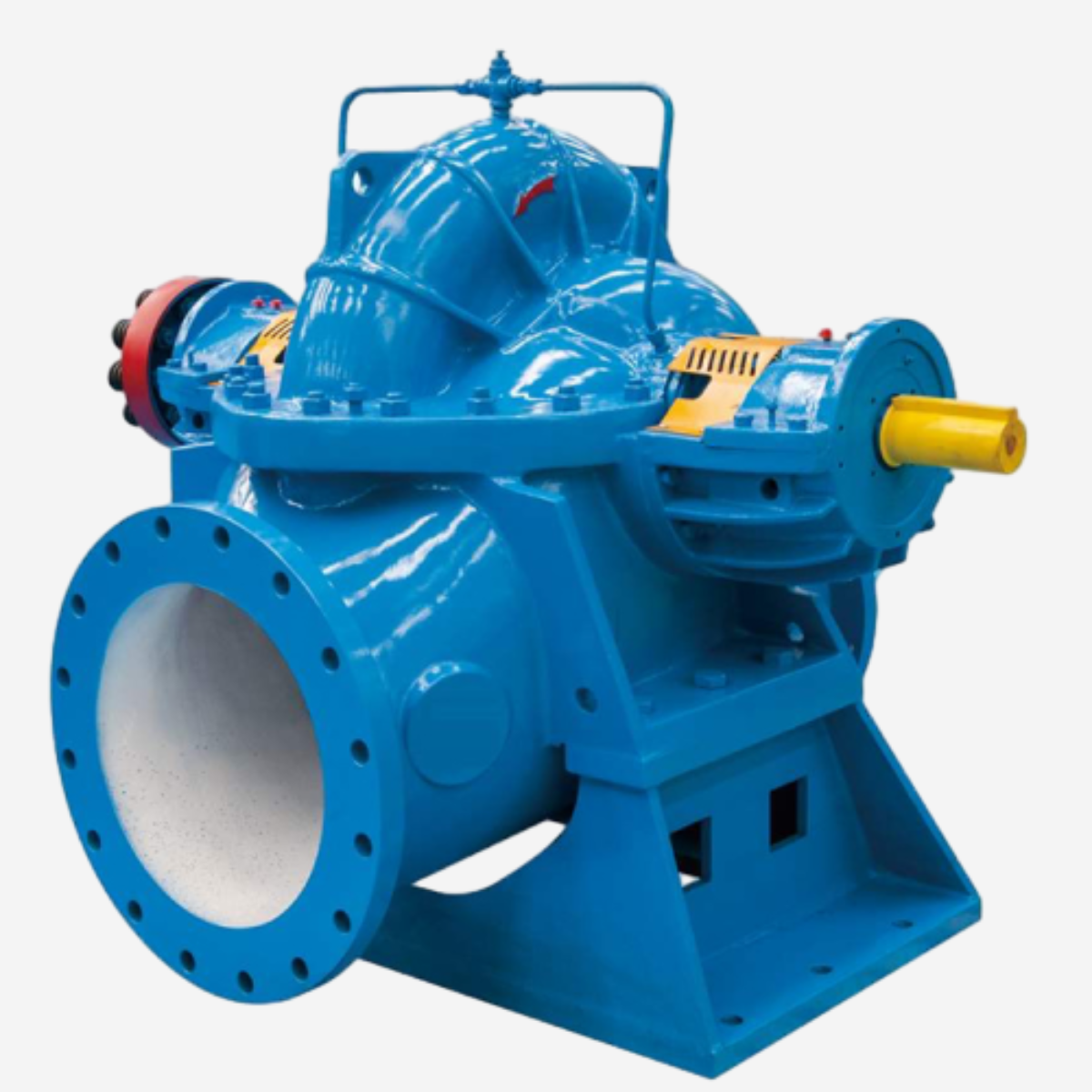
Septic system lift pumps are engineered solutions designed to overcome gravitational limitations within onsite wastewater treatment systems. Positioned within the septic tank or a designated lift station, these pumps facilitate the upward conveyance of effluent to the drainfield, especially in installations where the drainfield is located at a higher elevation than the tank. Their technical positioning is critical in areas with challenging topography or high groundwater tables, enabling system functionality where conventional gravity-fed systems are impractical. Core performance characteristics center around reliable pumping capacity, efficient motor operation, solids handling capability, and long-term corrosion resistance, all vital for maintaining sanitary wastewater disposal. The primary industry pain point revolves around pump failure leading to system backups, environmental contamination, and costly repairs. Selecting a pump compatible with the specific wastewater characteristics and installation demands is therefore paramount.
Material Science & Manufacturing
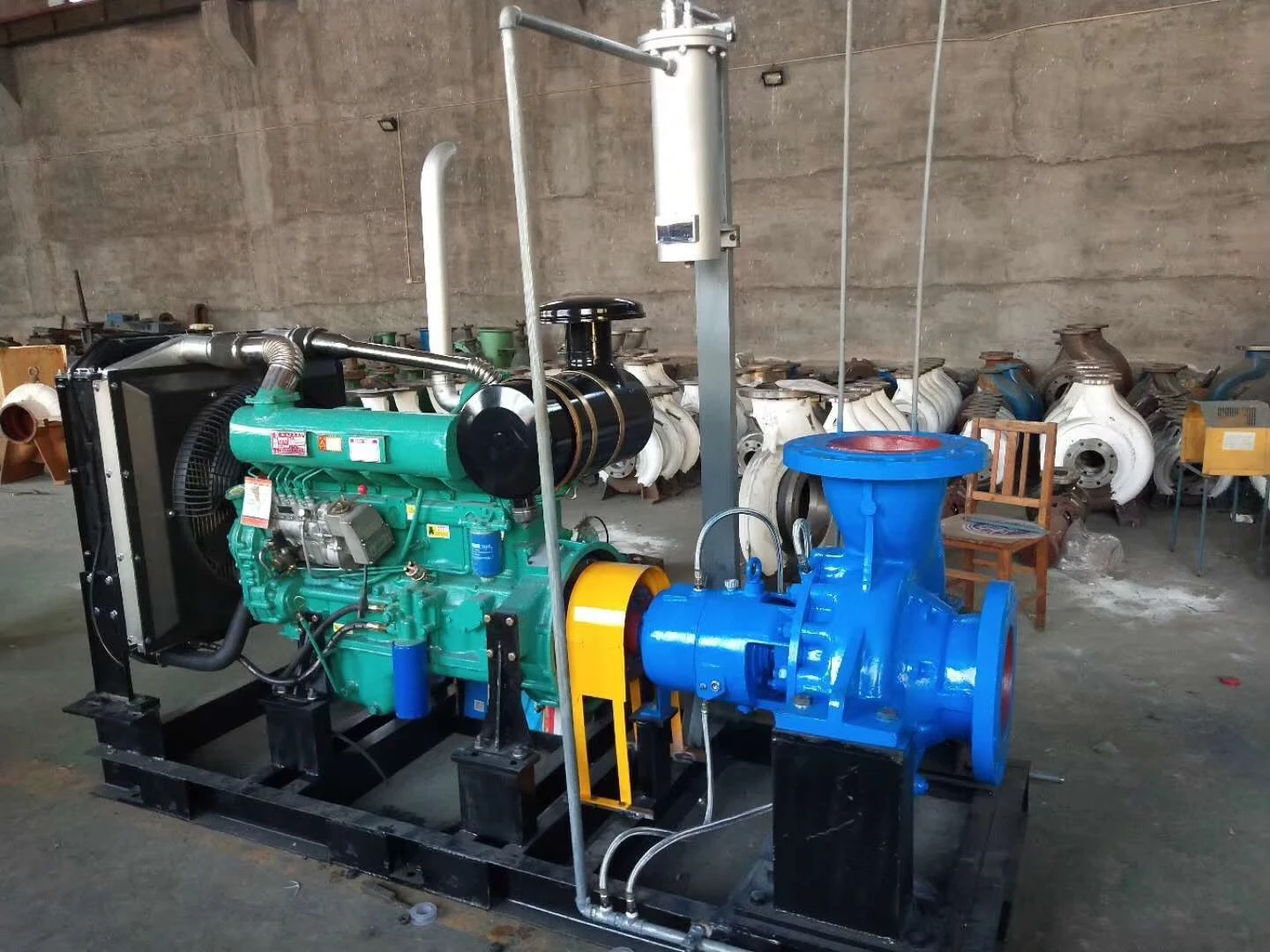
The construction of septic system lift pumps typically involves several key materials. Pump housings are commonly fabricated from engineered thermoplastics like polypropylene or high-density polyethylene (HDPE), selected for their chemical resistance to the corrosive elements present in septic wastewater (sulfides, acids, and organic compounds). Impeller materials frequently utilize a combination of stainless steel (304 or 316 grade) for strength and corrosion resistance, often with glass-filled polypropylene or similar polymers for enhanced abrasion resistance. Motor housings are typically cast iron, providing robust protection and heat dissipation. Shaft seals are critical components, employing materials like Viton or nitrile rubber to prevent leakage and ingress of contaminants. Manufacturing processes include rotational molding for the pump housing, investment casting or sand casting for impeller components, and automated winding and impregnation for the electric motor. Key parameter control during manufacturing focuses on dimensional accuracy of the impeller to maximize hydraulic efficiency, seal integrity to prevent leaks, and proper motor insulation to ensure reliable electrical operation. Material compatibility testing, including accelerated aging studies in simulated wastewater environments, is crucial to validate long-term performance.
Performance & Engineering
Performance of a septic lift pump is dictated by several engineering considerations. Head (the vertical distance the pump can lift the effluent) and flow rate (gallons per minute or liters per minute) are primary metrics, determined by impeller design, motor horsepower, and pump speed. Force analysis involves calculating the hydraulic forces exerted on the impeller, the shear stresses within the pump housing, and the dynamic loads on the motor shaft. Environmental resistance is crucial; pumps must withstand temperature fluctuations, soil corrosion, and potential submersion in groundwater. Compliance requirements necessitate adherence to National Sanitation Foundation (NSF) standards, ensuring the pump does not contribute to groundwater contamination. Functional implementation requires proper sizing of the pump to match the expected wastewater flow rates and head requirements. A critical aspect is the inclusion of a float switch system to automatically activate and deactivate the pump based on effluent levels, preventing dry-running (which can damage the pump) and overflow. Pump curves, illustrating the relationship between head, flow rate, and efficiency, are essential for proper system design. Proper venting of the lift station is also essential to prevent air locking and ensure efficient pump operation. Solids handling capacity is a key parameter, defined by the maximum size of particulate matter the pump can process without clogging.
Technical Specifications
| Parameter | Unit | Typical Value (Residential) | Typical Value (Commercial) |
|---|---|---|---|
| Flow Rate | GPM (Gallons Per Minute) | 40-60 | 100-200 |
| Total Dynamic Head | Feet | 10-20 | 30-60 |
| Motor Horsepower | HP | 1/2 - 1 | 1.5 - 3 |
| Impeller Type | - | Vortex or Submersible Centrifugal | Vortex or Multi-Vane Centrifugal |
| Solids Handling Capacity | Inches | Up to 2 | Up to 3 |
| Minimum Submersible Depth | Inches | 12 | 18 |
Failure Mode & Maintenance
Septic lift pump failures commonly stem from several modes. Fatigue cracking can occur in the impeller or pump housing due to continuous stress from solids impact. Delamination of the impeller material can result in reduced pumping efficiency and eventual failure. Degradation of shaft seals leads to leakage and motor damage. Oxidation and corrosion of metallic components occur due to exposure to corrosive wastewater constituents. Clogging is a frequent issue, caused by the accumulation of non-biodegradable materials (e.g., wipes, plastics) within the pump. Electrical failures can arise from motor winding insulation breakdown or connection corrosion. Preventive maintenance is crucial. Regular inspections (every 6-12 months) should include checking for leaks, abnormal noise, and reduced flow rate. Cleaning the pump inlet and impeller is essential to remove debris. Shaft seals should be replaced periodically based on usage and observed wear. Motor windings should be tested for insulation resistance. Proper vent maintenance prevents air locking. In the event of a failure, thorough inspection of all components is necessary to identify the root cause and prevent recurrence. Use of a pre-filter system upstream of the pump can significantly reduce solids loading and extend pump life.
Industry FAQ
Q: What is the optimal impeller type for a septic system with a high concentration of fibrous materials?
A: A vortex impeller is generally preferred in systems with high fibrous content. Vortex impellers utilize a recessed impeller design that allows solids to pass through the pump without being macerated, reducing the risk of clogging compared to traditional centrifugal impellers. However, they typically have lower pumping efficiency.
Q: How often should the float switches be tested for proper functionality?
A: Float switches should be tested monthly. This can be done manually by triggering the switch and verifying the pump activates and deactivates correctly. Ensure the floats move freely and are not obstructed by debris.
Q: What is the impact of prolonged dry-running on a submersible lift pump?
A: Prolonged dry-running can severely damage a submersible lift pump. The pump relies on the surrounding liquid for lubrication and cooling. Operating without liquid can cause overheating, seal failure, and ultimately, motor burnout. Float switches are designed to prevent this, but regular testing is vital.
Q: What level of corrosion resistance is necessary for a pump installed in a highly acidic septic environment?
A: For highly acidic environments, a pump housing and impeller constructed from 316 stainless steel is highly recommended. 316 stainless steel offers superior corrosion resistance compared to 304 stainless steel, particularly against chloride-induced pitting corrosion. Consideration should also be given to using chemically resistant seals (Viton).
Q: What are the advantages of using a lift pump with built-in overload protection?
A: Built-in overload protection safeguards the motor from damage caused by excessive current draw. This can occur due to clogging, voltage fluctuations, or mechanical obstructions. Overload protection automatically shuts off the pump, preventing motor burnout and extending its lifespan. It's a critical safety and reliability feature.
Conclusion
Septic system lift pumps represent a crucial component in modern wastewater management, enabling functionality in challenging site conditions. Effective selection requires a thorough understanding of hydraulic requirements, wastewater characteristics, material science, and long-term reliability factors. Prioritizing pumps constructed with corrosion-resistant materials, incorporating robust float switch systems, and implementing a proactive maintenance schedule are essential for ensuring optimal performance and minimizing the risk of costly failures.
Future advancements in lift pump technology are likely to focus on enhanced monitoring capabilities (e.g., remote diagnostics, predictive maintenance algorithms), improved energy efficiency through variable frequency drives, and the development of more durable and clog-resistant impeller designs. A holistic approach to system design, incorporating pre-filtration and proper venting, will remain paramount for maximizing pump lifespan and maintaining environmental integrity.
-
Comprehensive Guide to Waterproof ORings for Optimal Sealing Solutions
News2026-06-09
-
septic tank pump system Performance Analysis
News2026-06-15
-
septic system lift pump Performance Analysis
News2026-06-15
-
septic pumps for sale Performance Analysis
News2026-06-15
-
lift pump for septic system Material Science Manufacturing
News2026-06-15
-
Ejector Pit and Pump System Performance
News2026-06-15
-
basement plumbing pump Performance Engineering
News2026-06-14
-
water submersible pump Performance Engineering
News2026-06-14
-
Septic Systems with Pumps Performance Analysis
News2026-06-14
-
Septic Pump Systems Performance Analysis
News2026-06-14
-
septic ejector pump Material Science and Manufacturing
News2026-06-14
-
septic effluent pump Performance and Engineering
News2026-06-13
-
ejector sump pump Performance Engineering
News2026-06-13
-
Wastewater Pump Performance Analysis
News2026-06-13
-
waste water pumps Material Science Manufacturing
News2026-06-13




