English
- Afrikaans
- Albanian
- Amharic
- Arabic
- Armenian
- Azerbaijani
- Basque
- Belarusian
- Bengali
- Bosnian
- Bulgarian
- Catalan
- Cebuano
- Corsican
- Croatian
- Czech
- Danish
- Dutch
- English
- Esperanto
- Estonian
- Finnish
- French
- Frisian
- Galician
- Georgian
- German
- Greek
- Gujarati
- Haitian Creole
- hausa
- hawaiian
- Hebrew
- Hindi
- Miao
- Hungarian
- Icelandic
- igbo
- Indonesian
- irish
- Italian
- Japanese
- Javanese
- Kannada
- kazakh
- Khmer
- Rwandese
- Korean
- Kurdish
- Kyrgyz
- Lao
- Latin
- Latvian
- Lithuanian
- Luxembourgish
- Macedonian
- Malgashi
- Malay
- Malayalam
- Maltese
- Maori
- Marathi
- Mongolian
- Myanmar
- Nepali
- Norwegian
- Norwegian
- Occitan
- Pashto
- Persian
- Polish
- Portuguese
- Punjabi
- Romanian
- Russian
- Samoan
- Scottish Gaelic
- Serbian
- Sesotho
- Shona
- Sindhi
- Sinhala
- Slovak
- Slovenian
- Somali
- Spanish
- Sundanese
- Swahili
- Swedish
- Tagalog
- Tajik
- Tamil
- Tatar
- Telugu
- Thai
- Turkish
- Turkmen
- Ukrainian
- Urdu
- Uighur
- Uzbek
- Vietnamese
- Welsh
- Bantu
- Yiddish
- Yoruba
- Zulu

Telephone: +86 13120555503
Email: frank@cypump.com


Apr . 01, 2024 17:55 Back to list
septic sump pump Performance and Engineering
Introduction
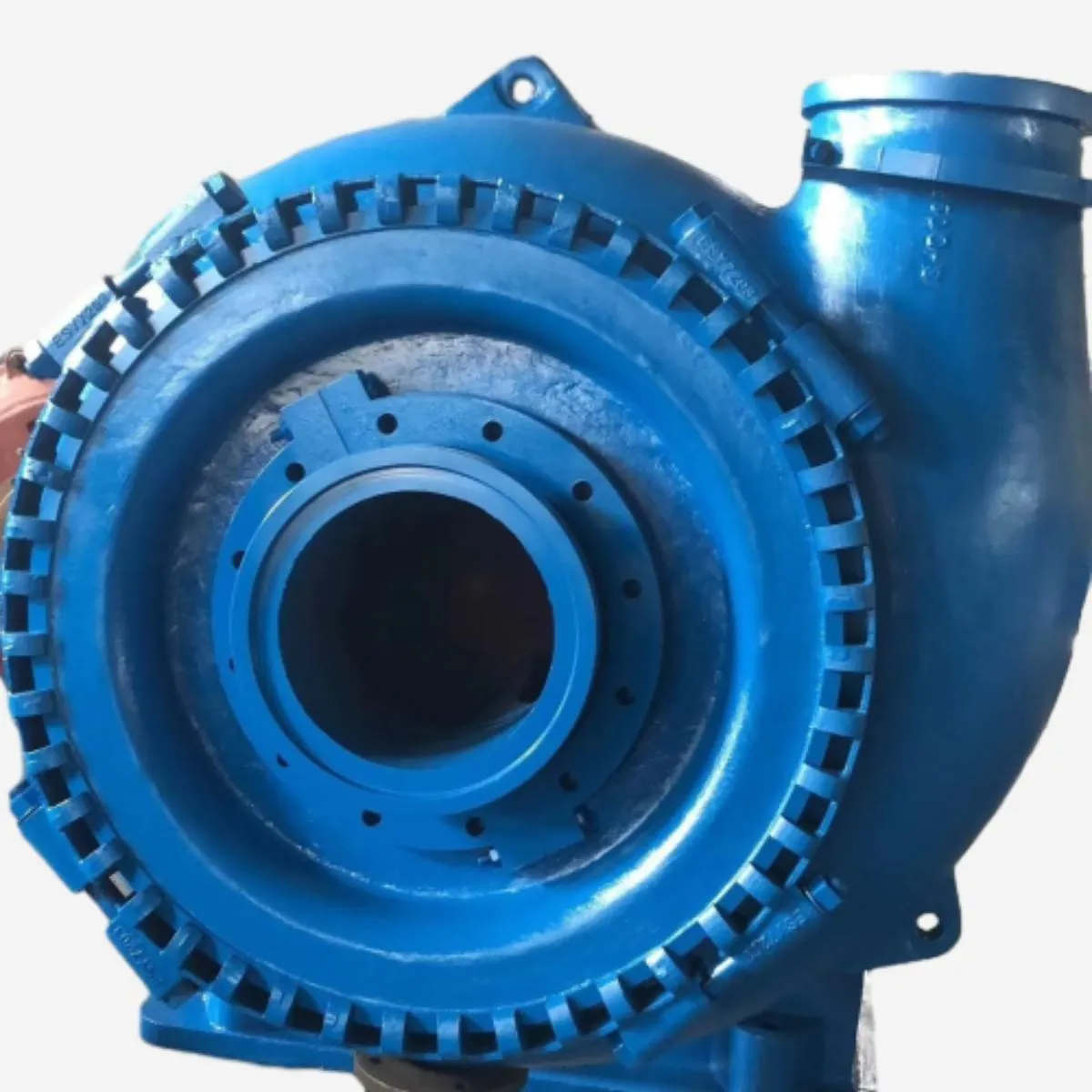
Septic sump pumps are critical components in decentralized wastewater treatment systems, specifically those utilizing septic tanks. Positioned within a sump basin adjacent to the septic tank, these pumps facilitate the transfer of effluent – partially treated wastewater – to a drain field for final filtration. Unlike sewage ejectors which manage solids, septic sump pumps primarily handle liquid effluent, often triggered by a float switch when liquid levels reach a predetermined threshold. Their function is vital in systems where gravity flow to the drain field is insufficient due to elevation differences or expansive soil conditions. Core performance characteristics include flow rate (gallons per minute – GPM), total dynamic head (TDH – measured in feet), horsepower (HP), and the ability to handle specific fluid compositions without corrosion or clogging. Industry pain points revolve around pump failure due to solids carryover, corrosion from hydrogen sulfide (H2S) and other aggressive compounds present in septic effluent, and inadequate sizing leading to insufficient effluent transfer and system backups. Proper pump selection and routine maintenance are therefore paramount for optimal septic system functionality and environmental protection.
Material Science & Manufacturing
Septic sump pump construction commonly employs a combination of materials chosen for their resistance to corrosion, abrasion, and structural integrity. Pump housings are frequently cast iron (ASTM A48 Class 30), offering a cost-effective solution with adequate durability. However, in more aggressive environments, stainless steel (typically 316L – ASTM A240) is preferred due to its superior resistance to H2S and other corrosive elements. Impellers, responsible for generating flow, are often constructed of a thermoplastic material like polypropylene or a high-density polyethylene (HDPE) exhibiting good chemical resistance and impact strength. Pump shafts are generally made of 4140 alloy steel (ASTM A485) and hardened for wear resistance. Seals are critical; Viton (fluoroelastomer) is frequently used due to its excellent resistance to a wide range of chemicals, including those found in septic effluent. Manufacturing processes vary but typically include: 1) Casting/Machining: For metal housings and impellers, involving mold creation, metal pouring, and precision machining. Parameter control focuses on ensuring dimensional accuracy and surface finish to minimize turbulence and maximize hydraulic efficiency. 2) Injection Molding: Used for thermoplastic impellers and components, requiring precise temperature and pressure control to achieve desired part geometry and material properties. 3) Assembly: Combining the various components, including the motor, seal, and impeller, with rigorous quality control checks for leak tightness and proper operation. 4) Coating/Finishing: Epoxy coatings are often applied to cast iron housings to provide an additional layer of corrosion protection. The manufacturing process must adhere to ISO 9001 quality management standards.

Performance & Engineering
The performance of a septic sump pump is governed by fundamental hydraulic principles. Force analysis centers on the impeller’s ability to impart kinetic energy to the fluid, converting electrical energy into hydraulic power. Calculating the Bernoulli head and applying the pump affinity laws (flow rate varies proportionally with speed, head varies with the square of speed, and power varies with the cube of speed) are crucial for pump selection and system design. Environmental resistance is a key consideration; pumps must operate reliably in potentially damp, corrosive, and temperature-fluctuating environments. Submersible pump designs offer inherent protection against these factors. Compliance requirements are dictated by local and national regulations, often referencing NSF/ANSI Standard 40 for wastewater treatment components. Engineering details include proper pump sizing based on drain field infiltration rate, effluent flow volume, and static head. Float switch calibration is essential to prevent pump overcycling and potential motor burnout. Considerations must also be given to the pump’s power requirements (voltage, phase, amperage) and ensuring compatibility with the electrical system. Proper venting of the sump basin is also vital to prevent the buildup of explosive gases. Moreover, the pump’s capacity to handle variations in effluent composition (e.g., increased solids during peak usage) is a critical engineering parameter.
Technical Specifications
| Parameter | Typical Range | Units | Testing Standard |
|---|---|---|---|
| Flow Rate | 40-120 | GPM | ANSI/HI 1.1 |
| Total Dynamic Head | 10-50 | Feet | ANSI/HI 1.6 |
| Horsepower | 1/2 - 1 | HP | NEMA MG 1 |
| Solids Handling Capability | Up to 1/2 | Inches | Manufacturer Specification |
| Voltage | 115/230 | Volts | UL 508A |
| Discharge Pipe Size | 1.25 – 2 | Inches | ASTM D1785 (PVC) |
Failure Mode & Maintenance
Septic sump pump failures commonly stem from several factors. Fatigue cracking in the impeller, often initiated by abrasive solids, can lead to reduced efficiency and eventual pump failure. Corrosion, particularly pitting corrosion caused by H2S, weakens pump components, especially housings and impellers. Seal failure allows for leakage and potential motor damage. Motor burnout occurs due to overheating, frequently caused by insufficient liquid levels (dry running) or excessive cycling. Clogging of the impeller by debris (rags, wipes, etc.) reduces flow and can overload the motor. Delamination of epoxy coatings on cast iron housings exposes the underlying metal to corrosion. Regular maintenance is crucial for mitigating these failures. This includes: 1) Annual Inspection: Visually inspect the pump, piping, and electrical connections for signs of corrosion, leakage, or damage. 2) Cleaning: Remove any accumulated debris from the sump basin and pump inlet. 3) Seal Replacement: Replace seals periodically (typically every 1-2 years) to prevent leakage. 4) Float Switch Adjustment: Ensure the float switch is properly adjusted to maintain appropriate liquid levels. 5) Pump Priming: Verify the pump is properly primed upon startup. 6) Effluent Filter Installation: Install a filter upstream of the pump to minimize solids carryover. Failure analysis should involve a detailed examination of the failed component to identify the root cause and prevent recurrence. Proactive maintenance significantly extends pump lifespan and reduces the risk of costly septic system failures.
Industry FAQ
Q: What is the impact of effluent solids concentration on pump longevity?
A: Higher solids concentrations significantly reduce pump longevity. Abrasive solids cause impeller wear, leading to reduced efficiency and eventual failure. Additionally, solids can clog the pump, increasing motor load and potentially causing burnout. Installing an effluent filter upstream of the pump is critical for mitigating this issue. Regularly scheduled inspection and cleaning of the filter are also necessary.
Q: What material is best suited for a septic sump pump operating in a highly corrosive environment?
A: In highly corrosive environments, a pump with a 316L stainless steel housing and impeller is recommended. While more expensive than cast iron, 316L stainless steel offers superior resistance to H2S and other aggressive compounds commonly found in septic effluent. Consideration should also be given to using Viton seals.
Q: How often should the float switch be tested and calibrated?
A: The float switch should be tested and calibrated at least twice a year, preferably during routine maintenance inspections. Ensure the switch activates and deactivates the pump at the correct liquid levels. Incorrect calibration can lead to pump overcycling or dry running, both of which can significantly reduce pump lifespan.
Q: What are the key considerations when sizing a septic sump pump?
A: Key considerations include the drain field infiltration rate, the volume of effluent generated, the static head (vertical distance between the pump and the drain field), and the length and diameter of the discharge pipe. The pump must be capable of delivering sufficient flow at the required head to ensure proper effluent transfer. Oversizing the pump can lead to excessive cycling and reduced efficiency, while undersizing can result in system backups.
Q: What is the role of a check valve in a septic sump pump system?
A: A check valve prevents backflow of effluent into the sump basin when the pump shuts off. This is important for maintaining prime and preventing the pump from having to restart against a column of liquid. It also reduces stress on the pump motor and extends pump lifespan.
Conclusion
Septic sump pumps are indispensable elements within modern decentralized wastewater treatment infrastructure. Selecting a pump capable of withstanding the aggressive chemical environment of septic effluent, coupled with appropriate sizing and meticulous installation, is paramount. Material selection, particularly favoring corrosion-resistant alloys like 316L stainless steel, and proactive maintenance strategies, including regular inspections, cleaning, and seal replacement, are critical for maximizing pump lifespan and ensuring long-term system reliability.
Future trends in septic sump pump technology will likely focus on increased efficiency, smart control systems with remote monitoring capabilities, and the integration of advanced filtration technologies to further reduce solids carryover. Addressing the industry’s pain points related to corrosion and pump failure requires a holistic approach, encompassing material innovation, optimized pump designs, and comprehensive maintenance programs. Prioritizing these aspects will not only enhance system performance but also contribute to environmental sustainability.
-
Comprehensive Guide to Waterproof ORings for Optimal Sealing Solutions
News2026-06-09
-
drainage pumps Performance and Engineering
News2026-06-09
-
basement bathroom ejector pump Material Science
News2026-06-09
-
Sewer Ejector Pump Cost Performance Analysis
News2026-06-09
-
Septic Tank Pump Replacement Performance Analysis
News2026-06-09
-
septic sump pump Performance and Engineering
News2026-06-09
-
Septic Pump System Performance Analysis
News2026-06-08
-
pump for septic Material Science
News2026-06-08
-
basement sewer pump Performance Analysis
News2026-06-08
-
submerged pump Performance Engineering
News2026-06-08
-
Septic System Pumps Performance Analysis
News2026-06-08
-
septic system pump Material Science and Manufacturing
News2026-06-07
-
pump for septic tank Material Science Manufacturing
News2026-06-07
-
submersible sewage pump Material Science
News2026-06-07
-
Sewage Ejector Material Science and Manufacturing
News2026-06-07




