English
- Afrikaans
- Albanian
- Amharic
- Arabic
- Armenian
- Azerbaijani
- Basque
- Belarusian
- Bengali
- Bosnian
- Bulgarian
- Catalan
- Cebuano
- Corsican
- Croatian
- Czech
- Danish
- Dutch
- English
- Esperanto
- Estonian
- Finnish
- French
- Frisian
- Galician
- Georgian
- German
- Greek
- Gujarati
- Haitian Creole
- hausa
- hawaiian
- Hebrew
- Hindi
- Miao
- Hungarian
- Icelandic
- igbo
- Indonesian
- irish
- Italian
- Japanese
- Javanese
- Kannada
- kazakh
- Khmer
- Rwandese
- Korean
- Kurdish
- Kyrgyz
- Lao
- Latin
- Latvian
- Lithuanian
- Luxembourgish
- Macedonian
- Malgashi
- Malay
- Malayalam
- Maltese
- Maori
- Marathi
- Mongolian
- Myanmar
- Nepali
- Norwegian
- Norwegian
- Occitan
- Pashto
- Persian
- Polish
- Portuguese
- Punjabi
- Romanian
- Russian
- Samoan
- Scottish Gaelic
- Serbian
- Sesotho
- Shona
- Sindhi
- Sinhala
- Slovak
- Slovenian
- Somali
- Spanish
- Sundanese
- Swahili
- Swedish
- Tagalog
- Tajik
- Tamil
- Tatar
- Telugu
- Thai
- Turkish
- Turkmen
- Ukrainian
- Urdu
- Uighur
- Uzbek
- Vietnamese
- Welsh
- Bantu
- Yiddish
- Yoruba
- Zulu

Telephone: +86 13120555503
Email: frank@cypump.com


Apr . 01, 2024 17:55 Back to list
septic submersible pump Performance Engineering
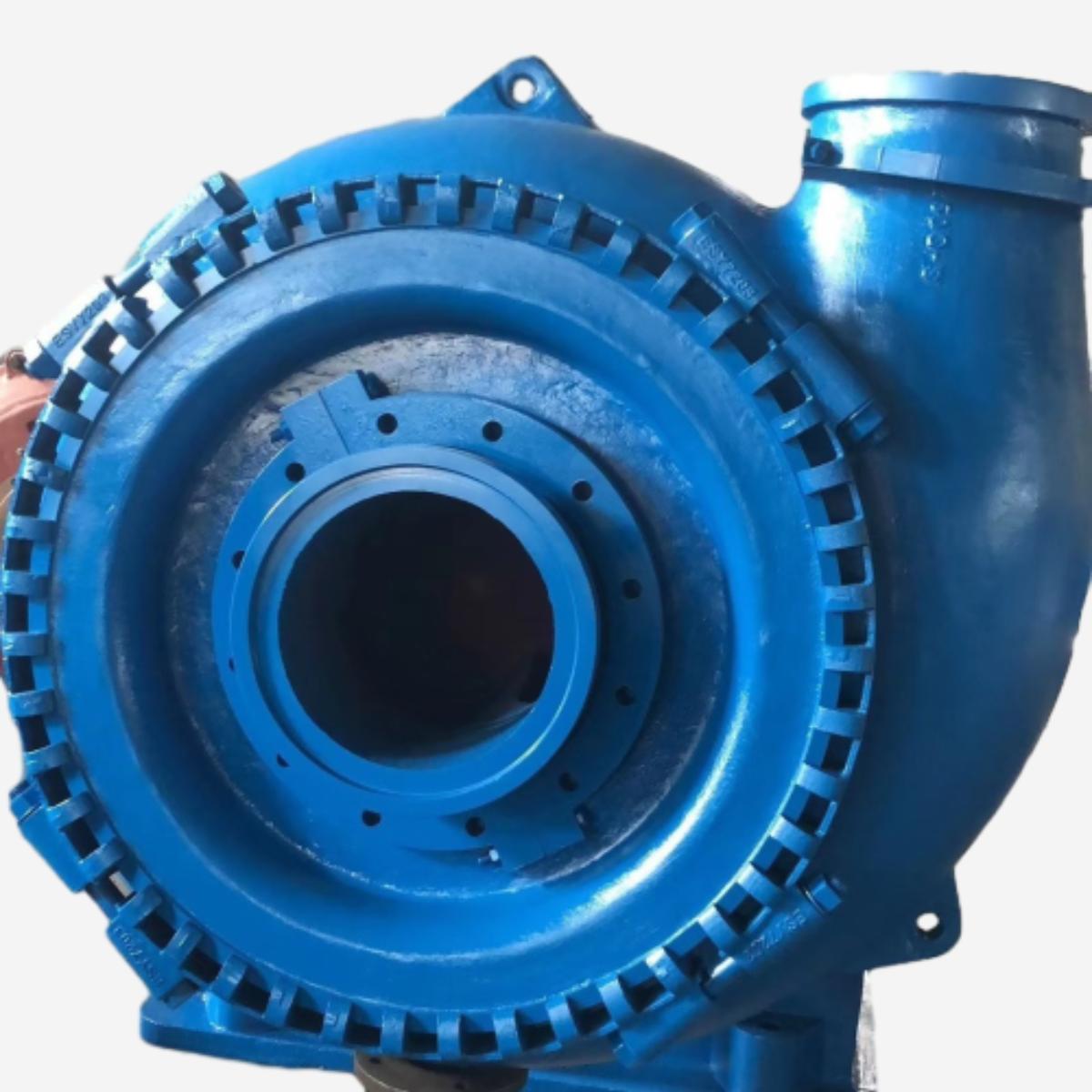
Introduction
Septic submersible pumps are essential components in wastewater management systems, specifically designed for the efficient removal of effluent from septic tanks. Positioned within the tank, these pumps utilize centrifugal force to transfer wastewater to a drain field for further treatment. Unlike traditional sewage ejectors relying on float switches and external motors, submersible pumps operate completely immersed, offering several advantages including reduced noise, elimination of priming issues, and increased efficiency. Core performance characteristics include flow rate (gallons per minute or GPM), total dynamic head (TDH) – the maximum height the pump can lift fluid – and solids handling capability. The selection of an appropriately sized and constructed pump is critical for the longevity and reliable operation of the entire septic system, addressing common industry pain points related to pump failure, system backups, and environmental contamination. This guide provides an in-depth exploration of septic submersible pump technology, encompassing materials science, manufacturing processes, performance engineering, failure analysis, and relevant industry standards.
Material Science & Manufacturing
The construction of a septic submersible pump necessitates materials capable of withstanding prolonged immersion in corrosive wastewater environments. Pump housings are commonly manufactured from cast iron (ASTM A48 Class 30), known for its durability and cost-effectiveness, often coated with epoxy or other protective polymers to enhance corrosion resistance. Impellers, responsible for generating flow, are frequently made from stainless steel (304 or 316 stainless steel – ASTM A97/A97M) due to its exceptional resistance to chemical attack and abrasion. Shafts are similarly constructed from stainless steel, heat-treated to provide high tensile strength and resistance to torsional stress. Seals, a critical component preventing water ingress into the motor, utilize materials like silicon carbide (SiC) or tungsten carbide (WC) for their hardness and wear resistance, coupled with elastomers like nitrile rubber (NBR) or Viton (FKM) for flexibility and sealing capability. Manufacturing processes involve several key steps. Cast iron housings are produced via sand casting, followed by machining to precise tolerances. Impellers are typically investment cast or machined from bar stock. Motor stators are wound with copper wire and encapsulated in epoxy resin for electrical insulation and protection against moisture. Assembly involves rigorous quality control checks, including pressure testing, electrical safety testing, and dynamic balancing to ensure optimal performance and reliability. Parameter control during manufacturing focuses on maintaining precise material composition, ensuring proper heat treatment, and achieving tight dimensional tolerances to minimize friction and maximize pump efficiency.
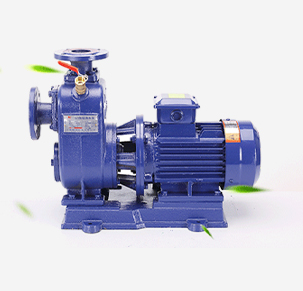
Performance & Engineering
Septic submersible pump performance is fundamentally governed by hydraulic principles and motor characteristics. Force analysis considers centrifugal force generated by the impeller, fluid dynamic forces acting on the impeller blades, and the hydrostatic pressure exerted by the wastewater. The pump’s performance curve, a graphical representation of flow rate versus total dynamic head, is crucial for selecting the appropriate pump for a specific application. Environmental resistance is a key design consideration. Pumps must withstand exposure to hydrogen sulfide (H2S), sulfates, and other corrosive substances present in septic wastewater. Coatings and material selection are optimized to minimize corrosion rates. Compliance requirements, dictated by local and national regulations, often specify pump efficiency standards and discharge limitations. Functional implementation involves precise motor sizing to deliver sufficient torque to drive the impeller at the optimal rotational speed. The motor must be designed to operate efficiently underwater and withstand the thermal stresses associated with continuous operation. Pump curves are generated through extensive testing, adhering to standards such as Hydraulic Institute standards (HI) for centrifugal pump testing. Proper impeller design, including blade angle and number of blades, is critical for maximizing hydraulic efficiency and minimizing noise. The pump's electrical system must be properly grounded and protected against overcurrent and short circuits, adhering to National Electrical Code (NEC) standards.
Technical Specifications
| Parameter | Unit | Typical Value (Residential) | Typical Value (Commercial) |
|---|---|---|---|
| Flow Rate | GPM (Gallons Per Minute) | 40-60 | 100-200 |
| Total Dynamic Head | Feet | 20-40 | 50-100 |
| Motor Horsepower | HP | 1/2 - 1 | 1.5 - 5 |
| Solids Handling Capability | Inches | Up to 2 | Up to 3 |
| Minimum Submersion Depth | Inches | 18 | 24 |
| Discharge Pipe Size | Inches | 2 | 3-4 |
Failure Mode & Maintenance
Septic submersible pumps are susceptible to several failure modes. Fatigue cracking of the impeller, often initiated by abrasive solids in the wastewater, is a common issue. Delamination of the epoxy coating on the pump housing can lead to corrosion and eventual failure. Seal failure, resulting in water ingress into the motor, is a frequent cause of motor burnout. Bearing failure, due to lack of lubrication or contamination, can cause excessive noise and vibration. Electrical failures, such as winding shorts or insulation breakdown, can also occur. Oxidation and corrosion of electrical connections can lead to intermittent operation or complete failure. Preventative maintenance is crucial for extending pump life. Regular inspection of the pump for signs of corrosion, wear, and damage is recommended. Periodic cleaning of the impeller and volute to remove accumulated solids can improve efficiency and prevent clogging. Lubrication of bearings, if applicable, should be performed according to the manufacturer's recommendations. Electrical connections should be checked for tightness and corrosion. Routine monitoring of pump performance, including flow rate and current draw, can identify potential problems early on. If failure occurs, a thorough failure analysis should be conducted to determine the root cause and prevent recurrence. Replacement of worn or damaged components, such as impellers, seals, and bearings, is often necessary to restore pump functionality.
Industry FAQ
Q: What is the impact of wastewater temperature on pump performance?
A: Elevated wastewater temperatures can reduce the viscosity of the fluid, potentially increasing flow rate but also accelerating corrosion rates. Motor overheating can also be a concern at higher temperatures. Pump selection should account for the expected wastewater temperature range.
Q: How does the specific gravity of the wastewater affect pump selection?
A: Higher specific gravity (due to increased solids content) increases the hydraulic load on the pump, requiring a more powerful motor and potentially a larger impeller to achieve the desired flow rate and head.
Q: What are the key considerations when selecting a pump for a variable flow rate system?
A: Variable flow rate systems require pumps with robust motor control systems and the ability to operate efficiently over a wide range of flow rates. Variable Frequency Drives (VFDs) are often used to adjust the pump speed and maintain the desired flow rate.
Q: What role does the drain field play in overall system performance and pump selection?
A: The drain field’s capacity to absorb effluent directly influences pump run times and cycle frequency. An undersized or poorly maintained drain field can lead to pump overload and premature failure. Proper drain field maintenance is critical for optimal system performance.
Q: What are the advantages of using a stainless-steel impeller versus a cast iron impeller?
A: Stainless steel impellers offer superior resistance to corrosion and abrasion, leading to longer service life, especially in wastewater containing high levels of abrasive solids. While more expensive initially, the increased durability often justifies the investment.
Conclusion
Septic submersible pumps represent a critical technology in modern wastewater management. Their reliable operation depends heavily on careful material selection, precise manufacturing processes, and informed engineering design. Understanding the underlying hydraulic principles, potential failure modes, and relevant industry standards is paramount for ensuring long-term performance and minimizing environmental impact. Proper pump selection, based on accurate assessment of system requirements and wastewater characteristics, is the foundation for a robust and sustainable septic system.
Future advancements in septic pump technology will likely focus on increasing energy efficiency, enhancing corrosion resistance, and integrating smart monitoring systems for predictive maintenance. Further research into advanced materials, such as ceramics and composites, may yield pumps with even greater durability and longevity. The integration of IoT-enabled sensors and data analytics will enable remote monitoring of pump performance, allowing for proactive maintenance and reducing the risk of system failures. Continuous innovation in this field is essential for addressing the growing challenges of wastewater management and protecting public health and the environment.
-
Precision at the Pump: How Better Machining Protects Flow and Uptime
News2026-11-20
-
Why Pump Reliability Begins Before the First Drop of Fluid
News2026-11-20
-
Beyond the Pump: Designing Safer Access Around Critical Water Infrastructure
News2026-11-20
-
Why Pumping Stations Depend on the Infrastructure Beneath the Pumps
News2026-11-20
-
Beyond the Pump Room: How Smarter Loading Protects Industrial Equipment
News2026-11-19
-
When Pumps Stop: Designing More Resilient Power for Critical Pumping Systems
News2026-11-19
-
The Hidden Role of Dust and Gas Monitoring in Reliable Pump Operations
News2026-11-19
-
The Hidden Role of Mineral Compounds in Extending Industrial Pump Lifespan
News2026-10-12
-
Why Pump System Reliability Depends on Precision Hose Assembly Methods
News2026-09-15
-
How Advanced Imaging Films Are Transforming Pump Component Quality Control
News2026-08-25
-
How Advanced Filtration Protects Pump Systems from Premature Wear and Costly Downtime
News2026-08-25
-
How Steel Material Selection Drives Pump Reliability in Heavy-Duty Systems
News2026-08-25
-
Ensuring Pump System Efficiency: The Role of High-Quality Pipe Fittings and Tubing
News2026-08-24
-
Optimizing Fluid Dynamics and Material Consistency in Industrial Processing
News2026-08-18
-
Innovations and Challenges in Hydraulic Systems for Heavy Machinery
News2026-08-13




