English
- Afrikaans
- Albanian
- Amharic
- Arabic
- Armenian
- Azerbaijani
- Basque
- Belarusian
- Bengali
- Bosnian
- Bulgarian
- Catalan
- Cebuano
- Corsican
- Croatian
- Czech
- Danish
- Dutch
- English
- Esperanto
- Estonian
- Finnish
- French
- Frisian
- Galician
- Georgian
- German
- Greek
- Gujarati
- Haitian Creole
- hausa
- hawaiian
- Hebrew
- Hindi
- Miao
- Hungarian
- Icelandic
- igbo
- Indonesian
- irish
- Italian
- Japanese
- Javanese
- Kannada
- kazakh
- Khmer
- Rwandese
- Korean
- Kurdish
- Kyrgyz
- Lao
- Latin
- Latvian
- Lithuanian
- Luxembourgish
- Macedonian
- Malgashi
- Malay
- Malayalam
- Maltese
- Maori
- Marathi
- Mongolian
- Myanmar
- Nepali
- Norwegian
- Norwegian
- Occitan
- Pashto
- Persian
- Polish
- Portuguese
- Punjabi
- Romanian
- Russian
- Samoan
- Scottish Gaelic
- Serbian
- Sesotho
- Shona
- Sindhi
- Sinhala
- Slovak
- Slovenian
- Somali
- Spanish
- Sundanese
- Swahili
- Swedish
- Tagalog
- Tajik
- Tamil
- Tatar
- Telugu
- Thai
- Turkish
- Turkmen
- Ukrainian
- Urdu
- Uighur
- Uzbek
- Vietnamese
- Welsh
- Bantu
- Yiddish
- Yoruba
- Zulu

Telephone: +86 13120555503
Email: frank@cypump.com


Apr . 01, 2024 17:55 Back to list
septic sprinkler pump Performance Analysis
Introduction
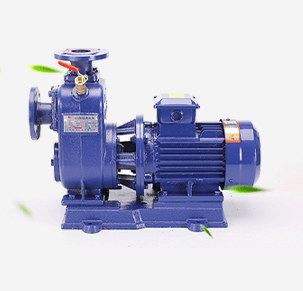
Septic sprinkler pumps, also known as effluent pumps, represent a critical component within decentralized wastewater treatment systems. These pumps are specifically designed for the reliable and efficient distribution of partially treated wastewater (effluent) from septic tanks onto designated land application areas, typically utilizing spray irrigation. Their technical position within the wastewater management chain falls between the septic tank's solids separation and clarification stage and the final soil absorption process. Core performance characteristics center around flow rate, total dynamic head (TDH), solids handling capability, and electrical efficiency, directly impacting system longevity and environmental compliance. A primary industry pain point revolves around pump failure due to solids build-up, corrosion, and insufficient system design leading to premature wear and costly replacements. Proper pump selection, installation, and scheduled maintenance are paramount to mitigating these risks and ensuring long-term operational effectiveness. The increasing emphasis on sustainable wastewater solutions and stringent environmental regulations further elevates the importance of these specialized pumps.
Material Science & Manufacturing
Septic sprinkler pump construction commonly utilizes a combination of materials chosen for their corrosion resistance, durability, and mechanical properties. Pump housings are frequently manufactured from engineered plastics like polypropylene (PP) or high-density polyethylene (HDPE) due to their resistance to the aggressive chemical environment present in septic effluent. Impellers and diffusers, responsible for fluid transfer, often employ reinforced thermoplastic polymers or stainless steel (304 or 316 grade) for enhanced wear resistance and hydraulic efficiency. Shafts are typically constructed from stainless steel alloys to withstand torsional stresses and corrosion. Seals are critical components, commonly utilizing nitrile rubber (NBR) or Viton (fluoroelastomer) for compatibility with wastewater constituents.
Manufacturing processes vary depending on component complexity. Pump housings are often produced via injection molding, a process requiring precise temperature and pressure control to ensure dimensional accuracy and material homogeneity. Impellers are typically manufactured using investment casting or injection molding, followed by precision machining to achieve desired hydraulic profiles. Shafts are produced through turning, milling, and grinding operations. Assembly involves rigorous quality control checks, including hydrostatic testing to verify leak-proof operation and electrical safety testing. Parameter control is paramount; injection molding requires precise resin temperature, mold temperature, and injection pressure regulation. Stainless steel components demand careful control of heat treatment processes to achieve desired hardness and ductility. Welding, if employed, requires specialized techniques to prevent corrosion and maintain structural integrity. The selection of appropriate adhesives and sealants is also crucial, ensuring long-term compatibility with wastewater and maintaining a hermetic seal.
Performance & Engineering
Performance of septic sprinkler pumps is dictated by several key engineering principles. Force analysis focuses on hydraulic head losses (friction, elevation) and pump characteristic curves (head vs. flow). Selecting a pump with a characteristic curve that matches the system’s total dynamic head (TDH) and required flow rate is essential for optimal efficiency. Environmental resistance is critical, particularly concerning UV exposure (for above-ground components) and temperature fluctuations. Polymers must exhibit adequate UV stability to prevent degradation and embrittlement. Electrical components require waterproofing and corrosion protection to withstand outdoor conditions.
Compliance requirements are stringent, often governed by local and national regulations regarding wastewater discharge. Pumps must meet electrical safety standards (UL, CSA) and may require certifications demonstrating effluent handling capabilities. Functional implementation involves careful system design, including proper pipe sizing, filtration (to prevent solids from entering the pump), and pressure equalization. Sprinkler head selection is crucial to ensure even distribution of effluent and minimize ponding. Slope analysis of the application area is necessary to prevent runoff and groundwater contamination. Fatigue analysis of the pump impeller and shaft is important for predicting long-term durability under cyclic loading. Cavitation, a phenomenon occurring when pump inlet pressure drops too low, must be avoided as it can cause severe damage to the impeller. System control strategies, such as timed dosing or demand-based operation, can further optimize performance and conserve energy.
Technical Specifications
| Parameter | Typical Range (Residential Application) | Typical Range (Commercial Application) | Units |
|---|---|---|---|
| Flow Rate | 25-75 | 75-200+ | Gallons Per Minute (GPM) |
| Total Dynamic Head (TDH) | 20-50 | 50-150+ | Feet |
| Horsepower (HP) | 1/2 - 1 | 1 - 5+ | HP |
| Solids Handling Capability | Up to 1/2 inch | Up to 2 inches | Inch |
| Voltage | 115/230 | 230/460 | Volts |
| Phase | Single | Three | - |
Failure Mode & Maintenance
Septic sprinkler pump failures are commonly attributable to several modes. Fatigue cracking of the impeller, often initiated by cavitation or abrasive wear from solids, is a frequent cause. Delamination of plastic pump housings can occur due to UV degradation or chemical attack. Seal failure, leading to leakage and motor burnout, is often a result of abrasive particles or chemical incompatibility. Motor winding failure can occur due to overheating (caused by low voltage, clogged impellers, or excessive run times) or moisture ingress. Oxidation and corrosion of metallic components (shafts, fasteners) can lead to seizing and pump malfunction.
Professional maintenance is crucial for extending pump life. Scheduled inspections should include visual examination for leaks, corrosion, and physical damage. Impeller cleaning is essential to remove accumulated solids and maintain hydraulic efficiency. Seal replacement should be performed periodically, based on usage and effluent characteristics. Electrical connections should be inspected and tightened to prevent overheating. Monitoring pump performance (flow rate, pressure, current draw) can provide early warning signs of impending failure. Regularly flushing the septic tank and implementing a pre-filter system can significantly reduce solids loading and prolong pump life. In cases of repeated failure, a thorough system assessment is necessary to identify and address underlying issues, such as undersized piping, inadequate filtration, or improper pump selection.
Industry FAQ
Q: What is the optimal pump sizing methodology for a new septic sprinkler system?
A: Optimal pump sizing requires a comprehensive hydraulic analysis. Begin by accurately determining the Total Dynamic Head (TDH), factoring in static lift, friction losses in piping, and pressure required at the sprinkler heads. Next, calculate the required flow rate based on the loading rate allowable for the application field and the system's design flow. Select a pump whose performance curve provides the desired flow rate at the calculated TDH, ensuring it operates within its recommended efficiency range. It's often prudent to slightly oversize the pump to account for future increases in flow or changes in system conditions.
Q: How can I mitigate the risk of pump clogging in systems with high solids content?
A: Implementing a robust pre-filtration system is the most effective strategy. Utilize a screen filter with an appropriate mesh size (e.g., 80-100 mesh) to remove larger solids before they enter the pump. Consider installing a solids separation tank upstream of the pump to allow heavier particles to settle. Regular cleaning of the filter is essential. Select a pump with a solids handling capability that exceeds the expected solids content of the effluent.
Q: What are the key considerations for selecting pump materials in highly corrosive environments?
A: Environments with high sulfide concentrations or aggressive chemical constituents necessitate the use of corrosion-resistant materials. Stainless steel (316 grade) is generally preferred for impellers, shafts, and fasteners. Pump housings should be constructed from engineered plastics like HDPE or PP, which offer excellent resistance to a wide range of chemicals. Ensure all seals and elastomers are compatible with the effluent composition. Periodic inspections for corrosion are crucial.
Q: What are the best practices for winterizing a septic sprinkler pump system?
A: Thoroughly drain the pump housing and suction line to prevent freezing. Disconnect the pump from the power source. Insulate exposed piping and electrical connections. Consider using a heat trace cable to prevent freezing in critical areas. If the system is entirely shut down for the winter, consult local regulations regarding proper effluent management during cold weather.
Q: How frequently should I perform routine maintenance on a septic sprinkler pump?
A: Routine maintenance should be performed at least annually, and more frequently in systems with high usage or challenging effluent characteristics. This includes visual inspection for leaks and corrosion, impeller cleaning, seal inspection, electrical connection check, and performance monitoring (flow rate, pressure). Keep detailed maintenance records to track pump performance and identify potential issues.
Conclusion
Septic sprinkler pumps are integral to the effective and environmentally responsible management of decentralized wastewater. Their performance relies on careful material selection, precise manufacturing processes, and sound engineering principles. Understanding potential failure modes and implementing a proactive maintenance program are paramount for ensuring long-term reliability and minimizing operational costs. Proper pump sizing, adequate filtration, and corrosion protection are critical considerations during system design and installation.
The future of septic sprinkler pump technology will likely focus on enhanced energy efficiency, intelligent control systems, and improved solids handling capabilities. Integration with remote monitoring and diagnostic tools will enable proactive maintenance and minimize downtime. Continued advancements in materials science will yield more durable and corrosion-resistant pumps, further extending their service life and reducing environmental impact. Compliance with increasingly stringent environmental regulations will continue to drive innovation in this vital sector.
-
Precision at the Pump: How Better Machining Protects Flow and Uptime
News2026-11-20
-
Why Pump Reliability Begins Before the First Drop of Fluid
News2026-11-20
-
Beyond the Pump: Designing Safer Access Around Critical Water Infrastructure
News2026-11-20
-
Why Pumping Stations Depend on the Infrastructure Beneath the Pumps
News2026-11-20
-
Beyond the Pump Room: How Smarter Loading Protects Industrial Equipment
News2026-11-19
-
When Pumps Stop: Designing More Resilient Power for Critical Pumping Systems
News2026-11-19
-
The Hidden Role of Dust and Gas Monitoring in Reliable Pump Operations
News2026-11-19
-
The Hidden Role of Mineral Compounds in Extending Industrial Pump Lifespan
News2026-10-12
-
Why Pump System Reliability Depends on Precision Hose Assembly Methods
News2026-09-15
-
How Advanced Imaging Films Are Transforming Pump Component Quality Control
News2026-08-25
-
How Advanced Filtration Protects Pump Systems from Premature Wear and Costly Downtime
News2026-08-25
-
How Steel Material Selection Drives Pump Reliability in Heavy-Duty Systems
News2026-08-25
-
Ensuring Pump System Efficiency: The Role of High-Quality Pipe Fittings and Tubing
News2026-08-24
-
Optimizing Fluid Dynamics and Material Consistency in Industrial Processing
News2026-08-18
-
Innovations and Challenges in Hydraulic Systems for Heavy Machinery
News2026-08-13




