English
- Afrikaans
- Albanian
- Amharic
- Arabic
- Armenian
- Azerbaijani
- Basque
- Belarusian
- Bengali
- Bosnian
- Bulgarian
- Catalan
- Cebuano
- Corsican
- Croatian
- Czech
- Danish
- Dutch
- English
- Esperanto
- Estonian
- Finnish
- French
- Frisian
- Galician
- Georgian
- German
- Greek
- Gujarati
- Haitian Creole
- hausa
- hawaiian
- Hebrew
- Hindi
- Miao
- Hungarian
- Icelandic
- igbo
- Indonesian
- irish
- Italian
- Japanese
- Javanese
- Kannada
- kazakh
- Khmer
- Rwandese
- Korean
- Kurdish
- Kyrgyz
- Lao
- Latin
- Latvian
- Lithuanian
- Luxembourgish
- Macedonian
- Malgashi
- Malay
- Malayalam
- Maltese
- Maori
- Marathi
- Mongolian
- Myanmar
- Nepali
- Norwegian
- Norwegian
- Occitan
- Pashto
- Persian
- Polish
- Portuguese
- Punjabi
- Romanian
- Russian
- Samoan
- Scottish Gaelic
- Serbian
- Sesotho
- Shona
- Sindhi
- Sinhala
- Slovak
- Slovenian
- Somali
- Spanish
- Sundanese
- Swahili
- Swedish
- Tagalog
- Tajik
- Tamil
- Tatar
- Telugu
- Thai
- Turkish
- Turkmen
- Ukrainian
- Urdu
- Uighur
- Uzbek
- Vietnamese
- Welsh
- Bantu
- Yiddish
- Yoruba
- Zulu

Telephone: +86 13120555503
Email: frank@cypump.com


Apr . 01, 2024 17:55 Back to list
Septic Sewer Pump Performance Analysis
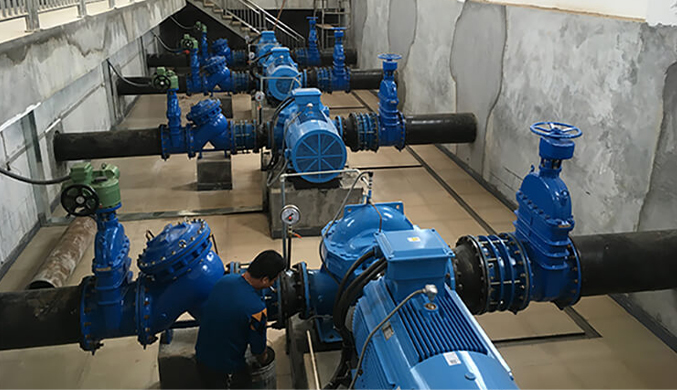
Introduction
Septic sewer pumps, also known as effluent pumps, are critical components in decentralized wastewater treatment systems. These pumps are designed to transfer wastewater from a septic tank to a drain field, often when gravity flow is insufficient due to elevation differences or unfavorable site topography. Their technical position lies within the broader industrial chain of wastewater management, acting as the interface between the primary treatment stage (septic tank) and the secondary treatment/disposal stage (drain field). Core performance metrics include flow rate (gallons per minute – GPM), total dynamic head (TDH) in feet, horsepower (HP), and solids handling capability. The increasing demands for efficient and reliable septic systems, driven by environmental regulations and growing populations in areas not served by centralized sewer systems, necessitate a deep understanding of septic sewer pump technology, failure mechanisms, and appropriate maintenance protocols. Proper pump selection and installation are paramount to prevent system failure, environmental contamination, and costly repairs. This guide provides a comprehensive overview of septic sewer pump technology, encompassing material science, manufacturing processes, performance characteristics, failure analysis, and relevant industry standards.
Material Science & Manufacturing
The construction of a septic sewer pump necessitates materials capable of withstanding prolonged exposure to corrosive wastewater, abrasive solids, and varying temperatures. Pump housings are commonly manufactured from cast iron (ASTM A48 Class 30), stainless steel (304 or 316 grades conforming to ASTM A240), or engineered polymers like high-density polyethylene (HDPE) or polypropylene. Cast iron provides excellent weight and vibration damping but requires a protective coating (epoxy or powder coating) to resist corrosion. Stainless steel offers superior corrosion resistance but is significantly more expensive. HDPE and polypropylene are lightweight, chemically inert, and cost-effective but have lower structural strength and temperature resistance. Impeller materials typically mirror those of the housing, with stainless steel being favored for its durability and resistance to wear from suspended solids. Shaft materials are generally high-strength stainless steel (410 or 420 series) for torsional strength and corrosion resistance. Seals are crucial components, often employing silicon carbide mechanical seals (to DIN 24960) with Viton or EPDM elastomers for compatibility with wastewater constituents. Manufacturing processes include: 1) Casting: For iron and stainless steel housings, utilizing sand casting or investment casting techniques. Key parameters include melt temperature, cooling rate, and mold design to ensure dimensional accuracy and structural integrity. 2) Injection Molding: For polymer housings and certain impeller components. Critical parameters are mold temperature, injection pressure, and material viscosity. 3) Machining: Precision machining is required for shafts, impellers, and seal housings to achieve tight tolerances and smooth surface finishes. 4) Welding: Stainless steel components often require welding (TIG or MIG) adhering to AWS D1.1 standards. Post-weld heat treatment is crucial to prevent corrosion. 5) Coating: Epoxy or powder coating is applied to cast iron housings to enhance corrosion resistance, requiring surface preparation (sandblasting) and controlled curing cycles.
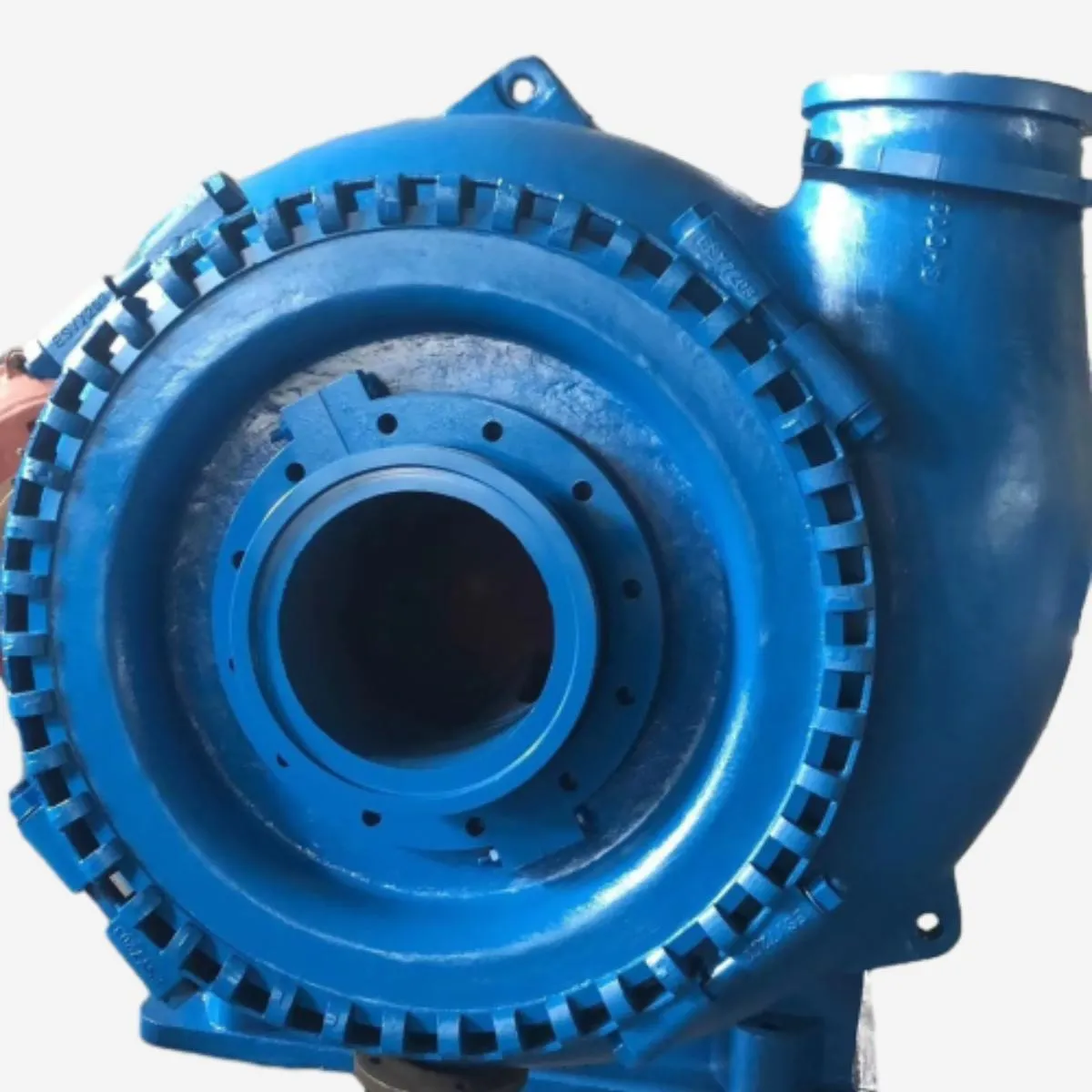
Performance & Engineering
Septic sewer pump performance is fundamentally governed by hydraulic principles and motor characteristics. Force analysis involves calculating the hydrostatic head (due to elevation difference), friction losses within the piping system (Darcy-Weisbach equation), and dynamic losses at fittings and valves. These losses contribute to the total dynamic head (TDH) the pump must overcome. Pump curves, provided by manufacturers, illustrate the relationship between flow rate and TDH. The pump’s operating point must align with the system curve (representing the total head loss at various flow rates) for efficient operation. Environmental resistance is a major consideration. Pumps are often submerged in wastewater with varying temperatures and potentially corrosive constituents (hydrogen sulfide, methane). Motor enclosures must be rated appropriately (typically NEMA 6P or IP68) for submersible operation and protection against ingress of water and solids. Compliance requirements vary by region but typically include NSF/ANSI Standard 40 (for wastewater treatment components) and local plumbing codes. Functional implementation involves selecting a pump with sufficient horsepower (HP) to deliver the required flow rate at the calculated TDH. Pump control systems often incorporate float switches or pressure transducers to automatically start and stop the pump based on liquid level in the septic tank or pressure in the discharge line. Variable Frequency Drives (VFDs) are increasingly used to modulate pump speed and optimize energy consumption, minimizing wear and tear on the pump.
Technical Specifications
| Parameter | Typical Range | Units | Test Standard |
|---|---|---|---|
| Flow Rate | 40-120 | GPM (Gallons Per Minute) | ANSI/HI 1.1 |
| Total Dynamic Head (TDH) | 10-50 | Feet | ANSI/HI 1.3 |
| Horsepower (HP) | 1/2 - 2 | HP | NEMA MG 1 |
| Solids Handling Capability | Up to 2 | Inches | Manufacturer Specification |
| Voltage | 120/240 | VAC (Volts AC) | UL 508A |
| Phase | Single or Three | - | IEC 60038 |
Failure Mode & Maintenance
Septic sewer pump failures commonly stem from several mechanisms. Fatigue cracking can occur in the impeller or pump housing due to cyclical stress from solids impingement and vibration. Delamination of protective coatings on cast iron housings exposes the metal to corrosion. Degradation of seals (Viton or EPDM) leads to leakage and loss of pump efficiency. Oxidation of stainless steel components can occur in environments with low oxygen levels and high chloride concentrations (pitting corrosion). Clogging from excessive solids or debris is a frequent cause of pump malfunction, leading to overheating and motor failure. Cavitation, caused by insufficient liquid level in the septic tank or excessive suction lift, can damage the impeller. Maintenance solutions include: 1) Regular inspection: Inspect the pump for leaks, unusual noises, and vibration. 2) Cleaning: Remove debris and solids from the pump intake and impeller. 3) Seal replacement: Replace seals annually or as needed to prevent leakage. 4) Coating repair: Repair any damage to the protective coating on cast iron housings. 5) Motor inspection: Check the motor windings for insulation breakdown and ensure proper ventilation. 6) Float switch maintenance: Verify the float switch is operating correctly and is not obstructed. 7) System flushing: Periodically flush the entire system to remove accumulated sludge and debris. Preventative maintenance, conducted at least annually by a qualified technician, is crucial to extend pump life and prevent costly system failures. Proper tank baffling and effluent filter installation can significantly reduce solids loading and prolong pump service life.
Industry FAQ
Q: What is the impact of varying wastewater temperatures on pump performance and longevity?
A: Elevated wastewater temperatures can reduce the viscosity of the fluid, potentially increasing flow rates. However, consistently high temperatures can accelerate the degradation of elastomers in seals and reduce the lubricating properties of the wastewater, increasing wear on internal components. Conversely, extremely low temperatures can increase viscosity and potentially cause freezing, hindering pump operation. Choosing seals and motor insulation rated for the anticipated temperature range is crucial.
Q: How do different impeller designs (e.g., vortex, non-clog) affect solids handling capability and pump efficiency?
A: Vortex impellers excel at handling solids by creating a swirling motion that draws solids into the center of the pump without significant impingement, reducing clogging. However, vortex impellers typically have lower hydraulic efficiency compared to non-clog impellers. Non-clog impellers are designed with larger passages to accommodate solids but are more susceptible to clogging if the solids content is excessive. The optimal impeller design depends on the specific application and the expected solids load.
Q: What are the key considerations when selecting a pump control system (float switch vs. pressure transducer)?
A: Float switches are simple, reliable, and cost-effective for basic on/off control based on liquid level. However, they can be prone to mechanical failure and may not provide precise control. Pressure transducers offer more precise control by monitoring discharge pressure and adjusting pump speed accordingly, but they are more expensive and require calibration. The choice depends on the desired level of control and the complexity of the system.
Q: What are the implications of using a pump with an oversized or undersized motor?
A: An oversized motor is inefficient, drawing more power than necessary and potentially leading to premature wear due to frequent starting and stopping. An undersized motor will struggle to deliver the required flow rate and TDH, leading to overheating and potential failure. Proper motor sizing is critical for optimal performance and longevity.
Q: How does the material of the pump housing affect its resistance to hydrogen sulfide corrosion?
A: Hydrogen sulfide (H2S) is a common byproduct of anaerobic decomposition in septic tanks and can cause significant corrosion to metallic components. Cast iron, even with epoxy coatings, is susceptible to H2S corrosion. Stainless steel (316 grade) offers superior resistance but is still vulnerable under prolonged exposure. HDPE and polypropylene are inherently resistant to H2S corrosion, making them suitable for highly corrosive environments.
Conclusion
The selection, installation, and maintenance of septic sewer pumps require a thorough understanding of hydraulic principles, material science, and failure mechanisms. Proper pump sizing, appropriate material selection (considering wastewater composition and operating environment), and regular preventative maintenance are essential to ensure reliable operation and prevent system failures. Emerging technologies, such as variable frequency drives and advanced monitoring systems, offer opportunities to optimize pump performance and minimize energy consumption.
Continued research and development in pump technology and wastewater treatment systems will further enhance the efficiency, reliability, and sustainability of decentralized wastewater management. Adherence to relevant industry standards (NSF, ANSI, IEC, NEMA) and local regulations is paramount to ensure compliance and protect public health and the environment. A holistic approach to septic system design and maintenance, encompassing the entire treatment chain, is crucial for long-term success.
-
sewage effluent pumps Material Science Manufacturing
News2026-05-27
-
septic tank effluent pump Performance Analysis
News2026-05-27
-
Septic Sewer Pump Performance Analysis
News2026-05-27
-
septic sewage pumps Performance Analysis
News2026-05-27
-
septic sewage pump Material Science and Manufacturing
News2026-05-27
-
residential sewage pumps Material Science and Manufacturing
News2026-05-26
-
residential sewage lift pump Performance Analysis
News2026-05-26
-
high head sump pump Performance and Engineering
News2026-05-26
-
effluent pump for septic tank Material Science Manufacturing
News2026-05-26
-
effluent and sewage pumps Material Science Manufacturing
News2026-05-26
-
1 2 hp sewage ejector pump Performance Engineering
News2026-05-25
-
Zoeller 1/2 hp sewage pump Performance Analysis
News2026-05-25
-
Effluent Pump Performance Analysis
News2026-05-25
-
sump pump vs effluent pump Performance Analysis
News2026-05-25
-
sewer pumps residential Performance Analysis
News2026-05-25




