English
- Afrikaans
- Albanian
- Amharic
- Arabic
- Armenian
- Azerbaijani
- Basque
- Belarusian
- Bengali
- Bosnian
- Bulgarian
- Catalan
- Cebuano
- Corsican
- Croatian
- Czech
- Danish
- Dutch
- English
- Esperanto
- Estonian
- Finnish
- French
- Frisian
- Galician
- Georgian
- German
- Greek
- Gujarati
- Haitian Creole
- hausa
- hawaiian
- Hebrew
- Hindi
- Miao
- Hungarian
- Icelandic
- igbo
- Indonesian
- irish
- Italian
- Japanese
- Javanese
- Kannada
- kazakh
- Khmer
- Rwandese
- Korean
- Kurdish
- Kyrgyz
- Lao
- Latin
- Latvian
- Lithuanian
- Luxembourgish
- Macedonian
- Malgashi
- Malay
- Malayalam
- Maltese
- Maori
- Marathi
- Mongolian
- Myanmar
- Nepali
- Norwegian
- Norwegian
- Occitan
- Pashto
- Persian
- Polish
- Portuguese
- Punjabi
- Romanian
- Russian
- Samoan
- Scottish Gaelic
- Serbian
- Sesotho
- Shona
- Sindhi
- Sinhala
- Slovak
- Slovenian
- Somali
- Spanish
- Sundanese
- Swahili
- Swedish
- Tagalog
- Tajik
- Tamil
- Tatar
- Telugu
- Thai
- Turkish
- Turkmen
- Ukrainian
- Urdu
- Uighur
- Uzbek
- Vietnamese
- Welsh
- Bantu
- Yiddish
- Yoruba
- Zulu

Telephone: +86 13120555503
Email: frank@cypump.com


Apr . 01, 2024 17:55 Back to list
septic sewage pumps Performance Analysis
Introduction
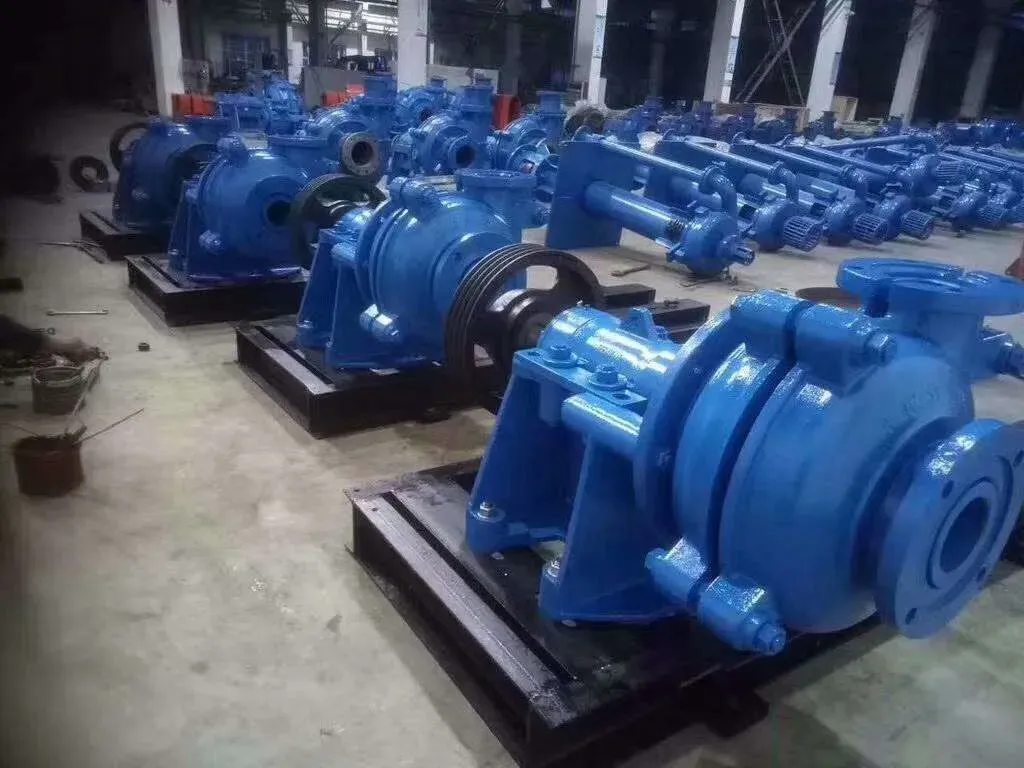
Septic sewage pumps are submersible pumps designed for the efficient removal of wastewater from septic tanks and low-pressure sewer systems. Positioned within the wastewater treatment chain, these pumps serve as a critical intermediary between the septic tank – where solids settle and partially treated effluent is stored – and the drain field, where final effluent dispersal occurs. Unlike traditional centrifugal pumps, septic pumps are specifically engineered to handle abrasive solids and fibrous materials common in sewage. Core performance characteristics include flow rate (gallons per minute or liters per minute), total dynamic head (TDH - measured in feet or meters, indicating pumping height), and solids handling capability (measured in sphere diameter). The efficiency and reliability of these pumps are paramount to preventing system backups, environmental contamination, and costly repairs. The increasing prevalence of on-site wastewater treatment systems, coupled with stricter environmental regulations, drives demand for high-performance, durable septic sewage pumps.
Material Science & Manufacturing
The construction of septic sewage pumps centers around materials capable of withstanding prolonged exposure to corrosive wastewater and abrasive solids. Impeller and housing components are frequently manufactured from high-grade cast iron (ASTM A48 Class 30) due to its cost-effectiveness and robustness. However, for applications demanding heightened corrosion resistance, stainless steel alloys (typically 304 or 316 stainless steel – ASTM A743 Grade CA) are preferred. Pump seals are a critical component, employing materials like silicon carbide (SiC) against SiC faces to maximize wear resistance and prevent leakage. Elastomeric components, such as O-rings and diaphragms, are typically composed of nitrile rubber (NBR) or ethylene propylene diene monomer (EPDM) rubber, selected for their chemical compatibility with sewage. Manufacturing processes involve precision casting for pump housings, CNC machining for impellers and shafts, and automated assembly lines to ensure consistent quality control. Welding processes, when employed, adhere to AWS D1.1 standards for structural welding. Parameter control during manufacturing focuses on dimensional accuracy of impeller vanes, seal concentricity, and motor winding insulation integrity (tested per IEC 60034-18-41). Furthermore, surface coatings like epoxy or polyurethane are frequently applied to cast iron components to enhance corrosion protection and prolong service life.
Performance & Engineering
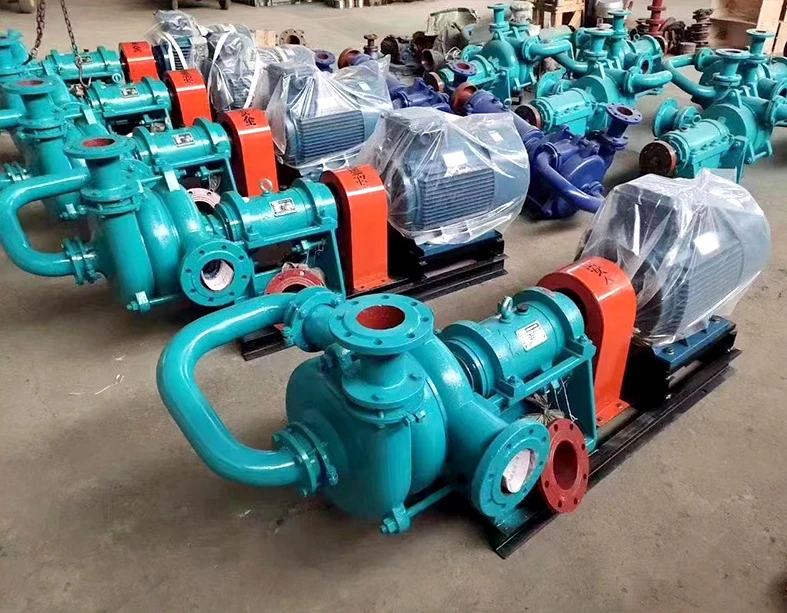
The performance of septic sewage pumps is fundamentally governed by hydraulic principles and motor characteristics. Force analysis focuses on impeller dynamics, radial and axial thrust forces, and bearing loads. These forces are critical in determining pump longevity and efficiency. Pump curves, generated through rigorous testing (ANSI/HI standards), illustrate the relationship between flow rate, head, and power consumption. Environmental resistance is a key engineering consideration. Pumps must withstand submersion in varying temperatures, pH levels, and the presence of hydrogen sulfide (H2S) gas, a byproduct of anaerobic digestion. Motor enclosures are typically rated to IP68 (Ingress Protection code), ensuring complete protection against dust and prolonged immersion in water. Compliance requirements include UL/CSA certification for electrical safety and NSF/ANSI Standard 40 for materials safety and leachability. Functional implementation involves careful selection of pump type (vortex, cutter, or grinder) based on the anticipated solids content of the wastewater. Vortex impellers excel at handling large solids with minimal clogging, while cutter and grinder pumps macerate solids to facilitate smoother flow. Proper pump sizing – calculated using the Darcy-Weisbach equation and considering friction losses in the discharge piping – is essential to avoid cavitation and ensure optimal performance.
Technical Specifications
| Pump Type | Flow Rate (GPM) | Total Dynamic Head (ft) | Motor Horsepower (HP) |
|---|---|---|---|
| Vortex Impeller | 80-120 | 20-40 | 1/2 - 1 |
| Cutter Impeller | 60-90 | 30-50 | 3/4 - 1.5 |
| Grinder Pump | 40-60 | 40-60 | 1 - 2 |
| Cast Iron Housing | N/A | N/A | N/A |
| Stainless Steel Housing (304) | N/A | N/A | N/A |
| Seal Material | Silicon Carbide/Silicon Carbide | N/A | N/A |
Failure Mode & Maintenance
Septic sewage pumps are susceptible to several failure modes. Fatigue cracking in the impeller or housing can occur due to repeated stress from solids impact and vibration. Delamination of epoxy coatings exposes the underlying cast iron to corrosion, leading to premature failure. Degradation of elastomeric seals results in leakage and reduced pump efficiency. Motor winding failure, often caused by overheating or moisture ingress, is another common issue. Oxidation and corrosion of stainless steel components can occur in highly aggressive wastewater environments. Clogging is a frequent problem, particularly with vortex impellers, necessitating regular inspection and debris removal. Preventive maintenance involves periodic inspection of seals, bearings, and motor windings. Lubrication of bearings (following manufacturer’s specifications) is critical. Regular cleaning of the pump intake and discharge piping prevents clogging. Electrical connections should be inspected for corrosion and tightness. In the event of failure, detailed failure analysis (using techniques like fractography and metallography) is recommended to identify the root cause and prevent recurrence. Scheduled pump replacement, based on operational hours and wastewater characteristics, is also a proactive maintenance strategy.
Industry FAQ
Q: What is the difference between a vortex, cutter, and grinder pump, and which is best for my application?
A: Vortex pumps excel at handling large, stringy solids with minimal clogging, making them ideal for systems with limited pre-treatment. Cutter pumps chop solids into smaller pieces, improving flow but requiring more power. Grinder pumps macerate solids into a slurry, offering the highest level of solids reduction but demanding the most energy and potentially accelerating wear. The optimal choice depends on the influent solids characteristics and the capacity of the downstream treatment processes.
Q: How often should I inspect the pump seals, and what signs indicate a seal failure?
A: Seals should be inspected annually, or more frequently in corrosive environments. Signs of seal failure include visible leakage around the pump housing, reduced pump efficiency (lower flow rate or increased power consumption), and the presence of emulsified oil in the effluent.
Q: What is the significance of the Total Dynamic Head (TDH) when selecting a pump?
A: TDH represents the total height the pump must lift the wastewater, plus friction losses in the piping. An undersized pump (low TDH rating) will struggle to deliver sufficient flow, while an oversized pump (high TDH rating) will operate inefficiently and may cause excessive wear. Accurate TDH calculation is crucial for optimal pump performance.
Q: What materials are best suited for pumps handling wastewater with high hydrogen sulfide (H2S) concentrations?
A: High H2S concentrations cause severe corrosion. 316 stainless steel offers superior corrosion resistance compared to 304 stainless steel, but even 316 may require specialized coatings or cathodic protection in extremely aggressive environments. Epoxy or polyurethane coatings can provide an additional barrier against corrosion.
Q: What safety precautions should be followed when performing pump maintenance?
A: Always disconnect the pump from the power source before performing any maintenance. Wear appropriate personal protective equipment (PPE), including gloves, eye protection, and a respirator if H2S is present. Be aware of the potential for hazardous materials in the wastewater. Follow lockout/tagout procedures to prevent accidental energization of the pump.
Conclusion
Septic sewage pumps are integral components of decentralized wastewater treatment systems, demanding careful consideration of material selection, hydraulic performance, and failure modes. The optimization of pump performance relies on a holistic understanding of the wastewater characteristics, system design parameters (particularly TDH), and adherence to stringent manufacturing and maintenance protocols. Continued advancements in pump technology, including improved impeller designs, enhanced seal materials, and smart monitoring systems, promise to further enhance the reliability and efficiency of these critical devices.
Future development will likely focus on increasing pump efficiency to reduce energy consumption and minimizing maintenance requirements through the use of more durable materials and intelligent control algorithms. The integration of remote monitoring capabilities will enable proactive maintenance and reduce the risk of catastrophic failures, ultimately contributing to the sustainability of on-site wastewater treatment systems.
-
sewage effluent pumps Material Science Manufacturing
News2026-05-27
-
septic tank effluent pump Performance Analysis
News2026-05-27
-
Septic Sewer Pump Performance Analysis
News2026-05-27
-
septic sewage pumps Performance Analysis
News2026-05-27
-
septic sewage pump Material Science and Manufacturing
News2026-05-27
-
residential sewage pumps Material Science and Manufacturing
News2026-05-26
-
residential sewage lift pump Performance Analysis
News2026-05-26
-
high head sump pump Performance and Engineering
News2026-05-26
-
effluent pump for septic tank Material Science Manufacturing
News2026-05-26
-
effluent and sewage pumps Material Science Manufacturing
News2026-05-26
-
1 2 hp sewage ejector pump Performance Engineering
News2026-05-25
-
Zoeller 1/2 hp sewage pump Performance Analysis
News2026-05-25
-
Effluent Pump Performance Analysis
News2026-05-25
-
sump pump vs effluent pump Performance Analysis
News2026-05-25
-
sewer pumps residential Performance Analysis
News2026-05-25




