English
- Afrikaans
- Albanian
- Amharic
- Arabic
- Armenian
- Azerbaijani
- Basque
- Belarusian
- Bengali
- Bosnian
- Bulgarian
- Catalan
- Cebuano
- Corsican
- Croatian
- Czech
- Danish
- Dutch
- English
- Esperanto
- Estonian
- Finnish
- French
- Frisian
- Galician
- Georgian
- German
- Greek
- Gujarati
- Haitian Creole
- hausa
- hawaiian
- Hebrew
- Hindi
- Miao
- Hungarian
- Icelandic
- igbo
- Indonesian
- irish
- Italian
- Japanese
- Javanese
- Kannada
- kazakh
- Khmer
- Rwandese
- Korean
- Kurdish
- Kyrgyz
- Lao
- Latin
- Latvian
- Lithuanian
- Luxembourgish
- Macedonian
- Malgashi
- Malay
- Malayalam
- Maltese
- Maori
- Marathi
- Mongolian
- Myanmar
- Nepali
- Norwegian
- Norwegian
- Occitan
- Pashto
- Persian
- Polish
- Portuguese
- Punjabi
- Romanian
- Russian
- Samoan
- Scottish Gaelic
- Serbian
- Sesotho
- Shona
- Sindhi
- Sinhala
- Slovak
- Slovenian
- Somali
- Spanish
- Sundanese
- Swahili
- Swedish
- Tagalog
- Tajik
- Tamil
- Tatar
- Telugu
- Thai
- Turkish
- Turkmen
- Ukrainian
- Urdu
- Uighur
- Uzbek
- Vietnamese
- Welsh
- Bantu
- Yiddish
- Yoruba
- Zulu

Telephone: +86 13120555503
Email: frank@cypump.com


Apr . 01, 2024 17:55 Back to list
Septic Pumps Performance Analysis
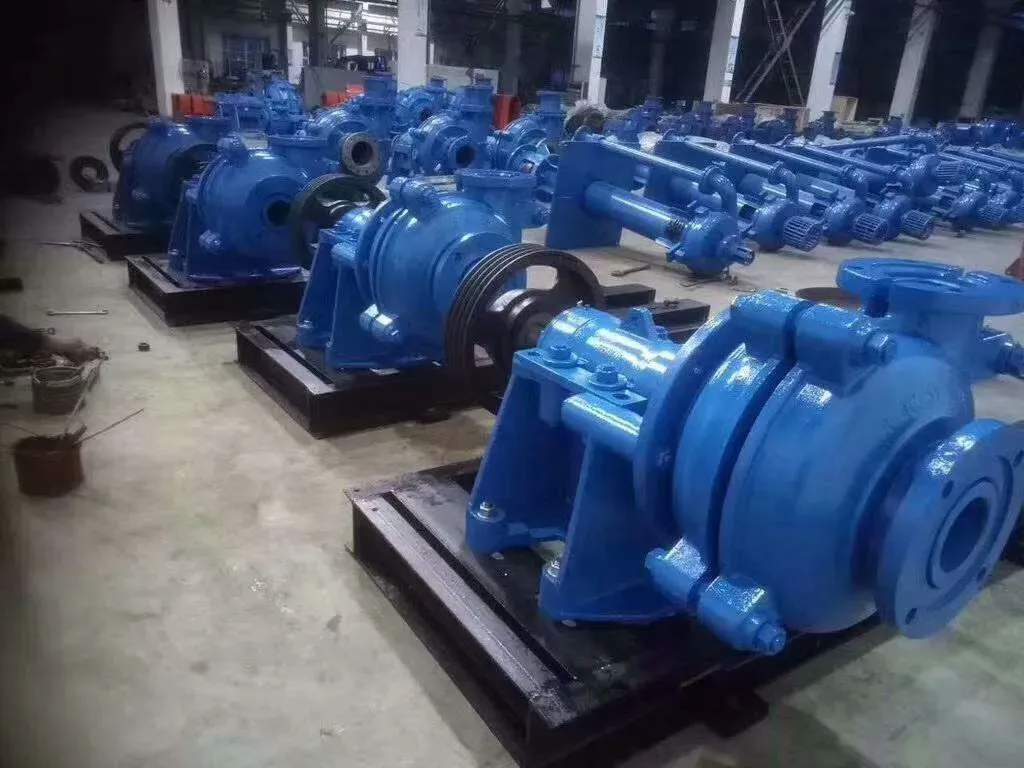
Introduction
Septic pumps are essential components within wastewater treatment systems serving properties not connected to centralized sewer networks. Their primary function is to transfer effluent – wastewater from septic tanks – to a drainfield for further treatment and dispersal. These pumps are categorized broadly as submersible or surface-mounted, each with distinct advantages and disadvantages related to installation, maintenance, and hydraulic performance. Within the decentralized wastewater treatment industry, septic pumps address the challenge of elevation differences or unsuitable soil conditions for gravity-based effluent distribution. Core performance characteristics are dictated by flow rate (gallons per minute – GPM), total dynamic head (TDH – the vertical distance the pump can lift the liquid, plus friction losses), and solids handling capability. A critical pain point within this sector is pump failure leading to system backups and potential environmental contamination, driving demand for robust designs, reliable materials, and effective monitoring solutions. Pump selection requires careful consideration of system size, hydraulic profile, and effluent characteristics.
Material Science & Manufacturing
The construction of septic pumps relies heavily on materials chosen for their corrosion resistance, durability, and mechanical strength. Pump housings are commonly constructed from cast iron (ASTM A48 Class 30), stainless steel (304 or 316 grades – ASTM A240), or engineered polymers like high-density polyethylene (HDPE). Cast iron offers cost-effectiveness but necessitates protective coatings (epoxy, powder coating) to prevent corrosion from hydrogen sulfide and other compounds present in septic effluent. Stainless steel provides superior corrosion resistance but is significantly more expensive. HDPE is lightweight and inherently corrosion resistant but may have lower structural rigidity. Impellers, responsible for generating fluid flow, are typically fabricated from reinforced thermoplastic materials (e.g., glass-filled polypropylene) or stainless steel. Shafts require high tensile strength and shear resistance, frequently utilizing 4140 alloy steel (ASTM A193 Grade B7) hardened and tempered. Manufacturing processes vary based on component. Housings utilize sand casting followed by machining for precision tolerances. Impellers are generally produced via injection molding. Assembly involves meticulous attention to sealing (using nitrile or Viton elastomers – ASTM D2000) to prevent leakage. Critical parameter control focuses on impeller balance to minimize vibration and bearing life, and coating thickness for corrosion protection. Failure to maintain dimensional accuracy during machining can lead to premature wear and reduced pump efficiency. Welding procedures for stainless steel components must adhere to AWS D1.1 standards to ensure structural integrity.
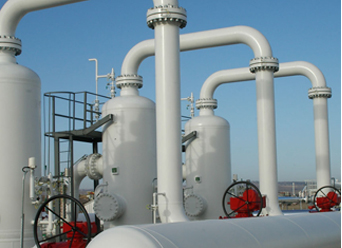
Performance & Engineering
Septic pump performance is intrinsically linked to hydraulic engineering principles. Force analysis centers on calculating the static and dynamic forces acting on the impeller and the pump housing. Bernoulli’s equation dictates the relationship between pressure, velocity, and elevation in the pumping system. Total Dynamic Head (TDH) is a critical parameter, encompassing static lift (the vertical distance the fluid is raised) and friction losses within the piping network. These friction losses are calculated using the Darcy-Weisbach equation, accounting for pipe material, diameter, and flow velocity. Environmental resistance is addressed through material selection (corrosion resistance) and pump design (sealed motors to prevent water ingress). Compliance requirements are primarily governed by NSF/ANSI 40 standards, which dictate acceptable materials, design criteria, and performance testing to ensure safe and effective wastewater treatment. Functional implementation requires consideration of pump curves – graphical representations of flow rate versus head – to select a pump that meets the system’s specific hydraulic demands. Pump controls, often utilizing float switches or pressure transducers, are engineered to automatically activate and deactivate the pump based on effluent levels, preventing overflow or dry running. The impeller design significantly affects pump efficiency; radial impellers are preferred for high-head, low-flow applications, while axial impellers are more efficient for low-head, high-flow applications. Motor selection considers horsepower requirements based on TDH and flow rate, factoring in electrical supply characteristics (voltage, phase, frequency – IEC 60034 standards).
Technical Specifications
| Pump Type | Flow Rate (GPM) | Total Dynamic Head (ft) | Motor Horsepower (HP) |
|---|---|---|---|
| Submersible | 50-100 | 50-150 | 1/2 - 1 |
| Surface-Mounted | 25-75 | 25-75 | 1/3 - 3/4 |
| Grinder Pump (Submersible) | 60-120 | 75-200 | 1-2 |
| Effluent Pump (Submersible) | 40-80 | 40-100 | 1/3-1 |
| Low-Pressure Distribution (LPD) Pump | 10-30 | 10-40 | 1/4-1/2 |
| Commercial Grade Submersible | 100-300 | 150-300 | 2-5 |
Failure Mode & Maintenance
Septic pump failures commonly stem from several modes. Fatigue cracking in the impeller or housing can occur due to repeated stress cycles, exacerbated by abrasive solids in the effluent. Delamination of coatings on cast iron housings leads to accelerated corrosion. Degradation of elastomers (seals, O-rings) causes leakage and loss of pump efficiency. Oxidation of electrical components, particularly motor windings, can result in motor failure. Solids buildup within the pump chamber restricts flow and increases motor load. Clogging from non-biodegradable items (wipes, feminine hygiene products) is a frequent issue. Bearing failure is a common mode, manifesting as excessive noise and vibration. Maintenance solutions include regular inspection of seals and elastomers, replacing worn components proactively. Periodic flushing of the pump chamber to remove accumulated solids. Monitoring motor amperage to detect signs of overload or impending failure. Implementing a preventative maintenance schedule including annual pump pull and inspection. Proper filtration upstream of the pump minimizes abrasive wear. Correct sizing of the pump to the application prevents excessive cycling and premature fatigue. Use of a grinder pump is recommended for systems prone to solids buildup. Conducting routine effluent analysis to identify corrosive compounds and adjust coating selection accordingly.
Industry FAQ
Q: What is the optimal pump sizing methodology for a newly installed septic system?
A: Optimal pump sizing begins with a thorough hydraulic profile analysis. This includes determining the static lift (vertical distance from the tank to the drainfield), calculating friction losses within the piping network using the Darcy-Weisbach equation, and estimating the peak daily flow rate. The pump’s flow rate and TDH must match the system’s requirements without exceeding its maximum operating limits. Undersizing results in inadequate effluent dispersal, while oversizing leads to frequent cycling and reduced pump life. Employing pump curves and consulting with a qualified septic system designer is crucial.
Q: How do I address the issue of frequent pump cycling (short-cycling)?
A: Frequent cycling often indicates an oversized pump or a problem with the control system. Check the float switch settings to ensure they are properly adjusted. Verify there are no obstructions in the pump chamber or discharge line. Consider installing a pump with a smaller motor and lower flow rate. If the system incorporates a pressure transducer, calibrate it to prevent premature pump activation. A properly sized pump should cycle only a few times per day, based on peak flow.
Q: What are the key differences between submersible and surface-mounted septic pumps?
A: Submersible pumps are fully immersed in the effluent, offering quieter operation and self-priming capabilities. They are generally preferred for deeper tanks and situations where noise is a concern. Surface-mounted pumps are located outside the tank, facilitating easier access for maintenance but requiring priming and are more susceptible to noise. They are suitable for shallower tanks and applications where frequent maintenance is anticipated.
Q: What materials provide the best long-term corrosion resistance in septic pump applications?
A: Stainless steel (316 grade) offers the best corrosion resistance, particularly in environments with high sulfide concentrations. However, it’s significantly more expensive. Cast iron with a high-quality epoxy or powder coating provides a cost-effective alternative, but requires regular inspection and recoating as needed. Engineered polymers like HDPE are inherently corrosion resistant but may lack the structural strength for demanding applications.
Q: How can I extend the lifespan of my septic pump?
A: Proactive maintenance is key. Regularly inspect and clean the pump chamber, ensuring it’s free from obstructions. Implement a preventative maintenance schedule, including annual pump pull and inspection. Use a filter upstream of the pump to remove solids. Avoid introducing non-biodegradable items into the septic system. Monitor motor amperage for signs of overload. Choose a pump that is correctly sized for the application.
Conclusion
Septic pumps represent a vital component in decentralized wastewater management, requiring a nuanced understanding of material science, hydraulic engineering, and industry standards. Selecting the appropriate pump demands careful consideration of system-specific parameters including flow rate, total dynamic head, and effluent composition. Failure analysis consistently points to the importance of corrosion resistance, proper sizing, and preventative maintenance in maximizing pump lifespan and ensuring reliable system operation.
Future advancements in septic pump technology are likely to focus on smart controls, remote monitoring, and improved solids handling capabilities. Integrating IoT sensors will enable real-time performance data and predictive maintenance, reducing the risk of catastrophic failures. Further research into corrosion-resistant materials and advanced impeller designs will contribute to increased pump efficiency and longevity. Ultimately, a holistic approach to septic system design and maintenance, centered around informed pump selection and proactive care, is crucial for protecting public health and the environment.
-
Comprehensive Guide to Waterproof ORings for Optimal Sealing Solutions
News2026-06-09
-
drainage pumps Performance and Engineering
News2026-06-09
-
basement bathroom ejector pump Material Science
News2026-06-09
-
Sewer Ejector Pump Cost Performance Analysis
News2026-06-09
-
Septic Tank Pump Replacement Performance Analysis
News2026-06-09
-
septic sump pump Performance and Engineering
News2026-06-09
-
Septic Pump System Performance Analysis
News2026-06-08
-
pump for septic Material Science
News2026-06-08
-
basement sewer pump Performance Analysis
News2026-06-08
-
submerged pump Performance Engineering
News2026-06-08
-
Septic System Pumps Performance Analysis
News2026-06-08
-
septic system pump Material Science and Manufacturing
News2026-06-07
-
pump for septic tank Material Science Manufacturing
News2026-06-07
-
submersible sewage pump Material Science
News2026-06-07
-
Sewage Ejector Material Science and Manufacturing
News2026-06-07




