English
- Afrikaans
- Albanian
- Amharic
- Arabic
- Armenian
- Azerbaijani
- Basque
- Belarusian
- Bengali
- Bosnian
- Bulgarian
- Catalan
- Cebuano
- Corsican
- Croatian
- Czech
- Danish
- Dutch
- English
- Esperanto
- Estonian
- Finnish
- French
- Frisian
- Galician
- Georgian
- German
- Greek
- Gujarati
- Haitian Creole
- hausa
- hawaiian
- Hebrew
- Hindi
- Miao
- Hungarian
- Icelandic
- igbo
- Indonesian
- irish
- Italian
- Japanese
- Javanese
- Kannada
- kazakh
- Khmer
- Rwandese
- Korean
- Kurdish
- Kyrgyz
- Lao
- Latin
- Latvian
- Lithuanian
- Luxembourgish
- Macedonian
- Malgashi
- Malay
- Malayalam
- Maltese
- Maori
- Marathi
- Mongolian
- Myanmar
- Nepali
- Norwegian
- Norwegian
- Occitan
- Pashto
- Persian
- Polish
- Portuguese
- Punjabi
- Romanian
- Russian
- Samoan
- Scottish Gaelic
- Serbian
- Sesotho
- Shona
- Sindhi
- Sinhala
- Slovak
- Slovenian
- Somali
- Spanish
- Sundanese
- Swahili
- Swedish
- Tagalog
- Tajik
- Tamil
- Tatar
- Telugu
- Thai
- Turkish
- Turkmen
- Ukrainian
- Urdu
- Uighur
- Uzbek
- Vietnamese
- Welsh
- Bantu
- Yiddish
- Yoruba
- Zulu

Telephone: +86 13120555503
Email: frank@cypump.com


Apr . 01, 2024 17:55 Back to list
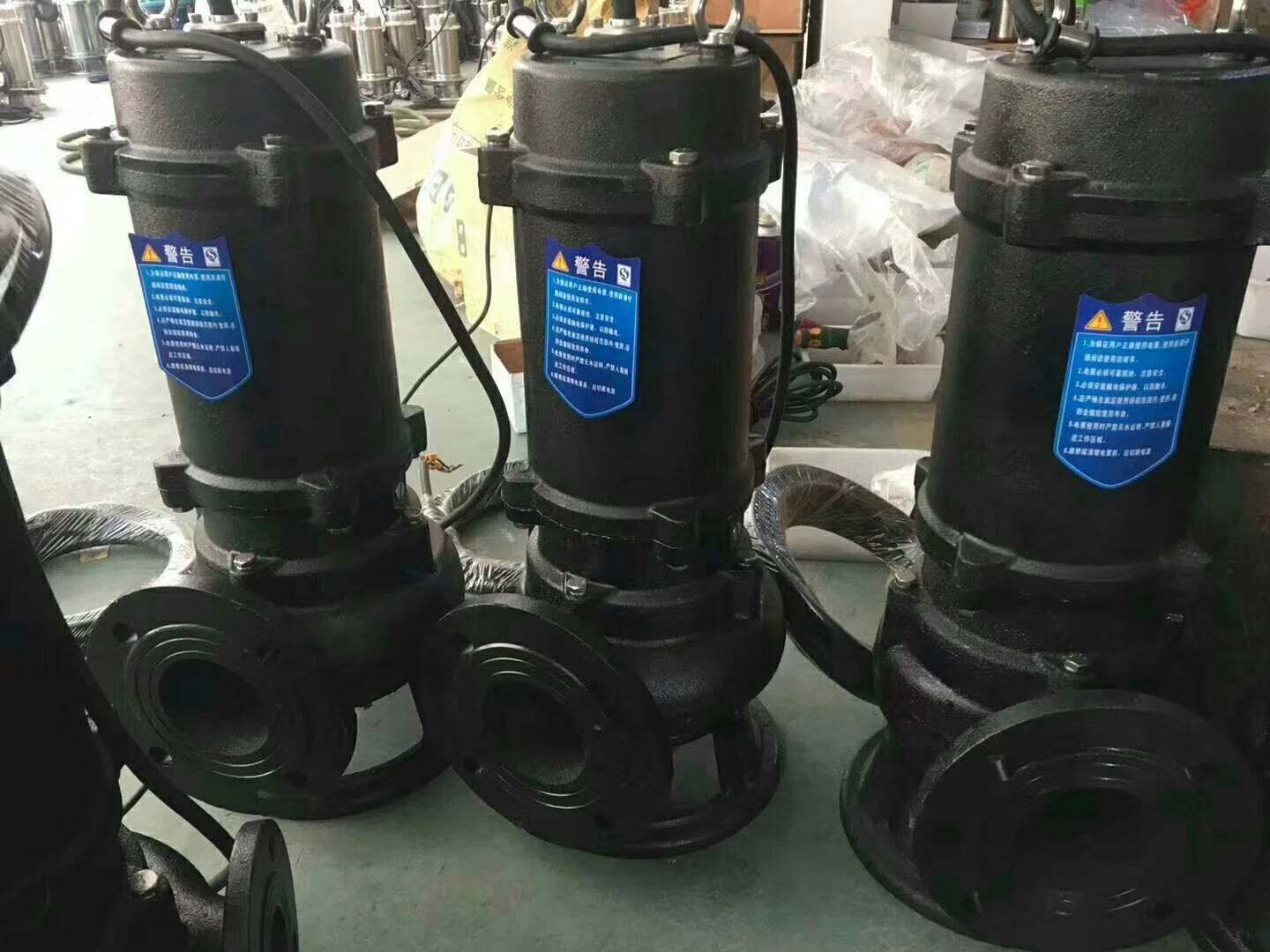
septic pumps for sale Performance Analysis
Introduction
Septic pumps, critical components in wastewater management systems, are specialized centrifugal pumps designed to effectively transfer effluent from septic tanks to drain fields. They occupy a specific niche within the broader pump industry, distinguished by their application in handling partially treated, often particulate-laden wastewater. Unlike pumps used for clean water, septic pumps must exhibit robust resistance to abrasion, corrosion, and clogging. Their performance dictates the efficiency and longevity of the entire septic system, impacting environmental health and property value. The market for septic pumps is driven by factors including rural population growth, aging septic infrastructure requiring replacement, and increasingly stringent environmental regulations concerning wastewater discharge. This guide provides a comprehensive technical overview of septic pumps, encompassing material science, manufacturing processes, performance characteristics, failure modes, and relevant industry standards. Core performance centers on hydraulic efficiency, solids handling capability, and long-term reliability in a corrosive environment.
Material Science & Manufacturing
The core components of a septic pump are subject to aggressive chemical attack and abrasive wear. Impeller and volute construction commonly utilize grey iron (ASTM A48 Class 30) due to its cost-effectiveness and adequate corrosion resistance. However, for systems processing highly corrosive waste streams or operating in marine environments, stainless steel alloys – specifically 316 stainless steel (ASTM A743 Grade CF-316) – are preferred for superior durability. Pump housings are often constructed from ductile iron (ASTM A536 Grade 65-45-12) offering a balance of strength and ductility. Shaft materials typically incorporate 4140 alloy steel, heat-treated for increased tensile strength and fatigue resistance. Seals are a critical element; Viton (fluoroelastomer) is frequently chosen for its excellent chemical compatibility with a wide range of wastewater constituents. Manufacturing processes include sand casting for housings and impellers, precision machining for shaft and bearing surfaces, and robotic welding for assembly. Key parameter control during manufacturing includes impeller balancing to minimize vibration, precise volute dimensions for optimal hydraulic performance, and thorough non-destructive testing (NDT), such as dye penetrant inspection, to detect casting flaws. The impeller’s blade geometry is crucial; radial flow designs are common for high-head applications, while mixed flow designs offer higher flow rates at lower heads. The manufacturing of the pump’s electrical components requires adherence to IEC standards for safety and performance.
Performance & Engineering
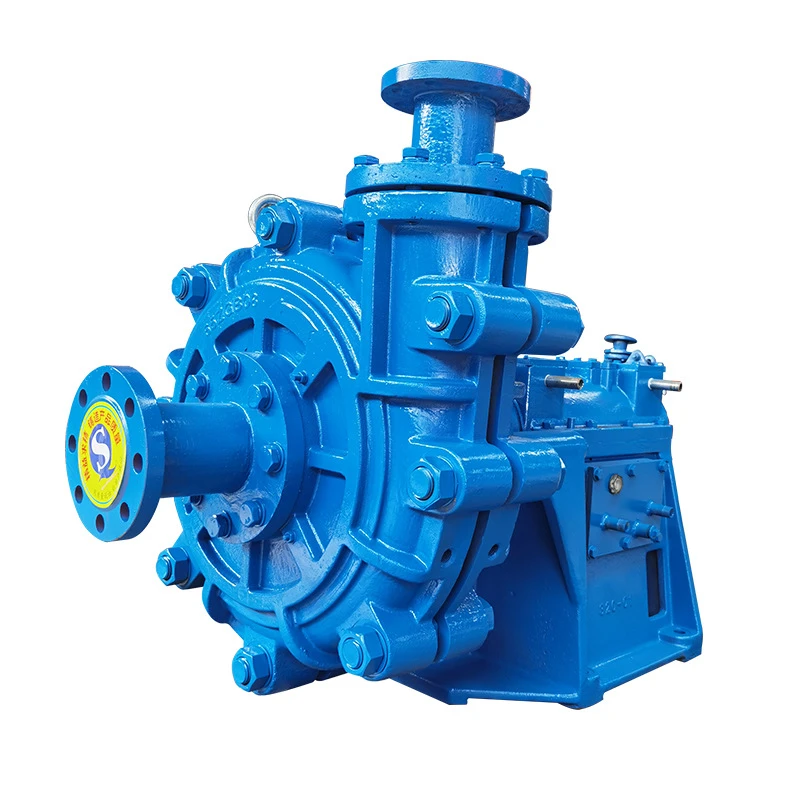
Septic pump performance is fundamentally governed by hydraulic principles. Key parameters include flow rate (gallons per minute - GPM), total dynamic head (TDH - feet), and pump efficiency (%). TDH represents the total vertical distance the pump must lift the effluent, plus friction losses within the piping system. Force analysis incorporates considerations for impeller thrust, bearing loads, and motor torque. Environmental resistance is paramount; pumps are typically designed to operate in submerged conditions with constant exposure to moisture and corrosive elements. Compliance requirements vary geographically, but often include certifications demonstrating conformance to NSF/ANSI Standard 40 for wastewater treatment components and UL listing for electrical safety. Functional implementation often involves integration with float switches and control panels to automate pump operation based on liquid level within the septic tank. Pump curves, generated through rigorous testing, illustrate the relationship between flow rate, head, and efficiency, allowing for optimal pump selection based on specific application requirements. Cavitation, a critical concern, occurs when vapor bubbles form within the pump due to low inlet pressure. Proper net positive suction head available (NPSHA) calculations are essential to prevent cavitation damage and ensure long-term pump reliability. Proper piping design, minimizing bends and utilizing appropriate pipe diameter, is crucial for reducing friction losses and maximizing system efficiency.
Technical Specifications
| Parameter | Typical Range (Residential) | Typical Range (Commercial) | Units |
|---|---|---|---|
| Flow Rate | 40-100 | 100-500 | GPM |
| Total Dynamic Head | 10-30 | 30-100 | Feet |
| Motor Horsepower | 1/2 - 1 | 1 - 5 | HP |
| Solids Handling Capacity | Up to 2 inches | Up to 3 inches | Diameter |
| Impeller Material | Grey Iron/316 SS | 316 SS/Alloy 20 | - |
| Housing Material | Ductile Iron | Ductile Iron/316 SS | - |
Failure Mode & Maintenance
Septic pump failures commonly stem from several key mechanisms. Fatigue cracking of the impeller, particularly in areas of high stress concentration, is a frequent issue, often exacerbated by abrasive solids in the effluent. Delamination of coatings, if present, can expose the underlying metal to corrosion. Corrosion, particularly pitting corrosion in chloride-rich environments, weakens components and leads to eventual failure. Seal failure results in leakage and potential motor damage. Motor overheating, caused by overloading or inadequate ventilation, can significantly reduce pump life. Clogging, due to the accumulation of solids, reduces pump efficiency and can lead to motor burnout. Preventive maintenance is critical. Regular inspection of the pump and piping system for leaks, unusual noise, or reduced performance is essential. Periodic cleaning of the pump intake screen prevents clogging. Lubrication of bearings, following manufacturer’s recommendations, minimizes friction and wear. Monitoring motor amperage and voltage ensures proper operation. For systems prone to corrosion, sacrificial anodes can be installed to protect critical components. Scheduled replacement of seals and impellers, based on operating hours and effluent characteristics, extends pump lifespan and prevents catastrophic failures. Failure analysis should include metallographic examination to determine the root cause of component degradation.
Industry FAQ
Q: What is the impact of effluent composition on pump selection?
A: Effluent composition significantly influences pump material selection. High concentrations of hydrogen sulfide (H2S) or chlorides necessitate the use of corrosion-resistant alloys like 316 stainless steel. The presence of large solids dictates the need for pumps with robust solids handling capabilities, often requiring impeller designs with wider passageways.
Q: How do I determine the appropriate pump size for my application?
A: Pump sizing requires accurate assessment of the total dynamic head (TDH) and desired flow rate. TDH is calculated by summing the vertical lift, friction losses in the piping system, and any pressure requirements at the discharge point. Flow rate is determined by the effluent generation rate and the drain field’s absorption capacity.
Q: What are the benefits of using a variable frequency drive (VFD) with a septic pump?
A: VFDs allow for precise control of pump speed, optimizing performance based on fluctuating demand. This can reduce energy consumption, minimize wear and tear on the pump, and prevent over-pumping, extending the lifespan of the drain field.
Q: How frequently should I inspect my septic pump?
A: We recommend a visual inspection at least twice per year, or more frequently in demanding applications. This should include checking for leaks, unusual noises, and signs of corrosion. A comprehensive performance check, including amperage and voltage measurements, should be conducted annually.
Q: What is the role of a float switch in a septic pump system?
A: Float switches automatically control the pump based on liquid level within the septic tank. They prevent the pump from running dry, which can cause damage, and ensure that the tank is adequately emptied to maintain optimal system performance.
Conclusion
Septic pumps are essential components of decentralized wastewater treatment systems, demanding careful consideration of material science, manufacturing processes, and performance characteristics. Their selection and maintenance directly impact the longevity and efficiency of the entire system, as well as environmental compliance. Understanding the potential failure modes and implementing a proactive maintenance program are crucial for minimizing downtime and maximizing return on investment.
Future trends in septic pump technology focus on increasing energy efficiency through advanced hydraulic designs and the integration of smart controls. The development of more durable and corrosion-resistant materials will further extend pump lifespan and reduce maintenance requirements. Furthermore, enhanced monitoring systems, utilizing IoT sensors and data analytics, will provide real-time insights into pump performance, enabling predictive maintenance and preventing catastrophic failures.
-
Comprehensive Guide to Waterproof ORings for Optimal Sealing Solutions
News2026-06-09
-
septic tank pump system Performance Analysis
News2026-06-15
-
septic system lift pump Performance Analysis
News2026-06-15
-
septic pumps for sale Performance Analysis
News2026-06-15
-
lift pump for septic system Material Science Manufacturing
News2026-06-15
-
Ejector Pit and Pump System Performance
News2026-06-15
-
basement plumbing pump Performance Engineering
News2026-06-14
-
water submersible pump Performance Engineering
News2026-06-14
-
Septic Systems with Pumps Performance Analysis
News2026-06-14
-
Septic Pump Systems Performance Analysis
News2026-06-14
-
septic ejector pump Material Science and Manufacturing
News2026-06-14
-
septic effluent pump Performance and Engineering
News2026-06-13
-
ejector sump pump Performance Engineering
News2026-06-13
-
Wastewater Pump Performance Analysis
News2026-06-13
-
waste water pumps Material Science Manufacturing
News2026-06-13




