English
- Afrikaans
- Albanian
- Amharic
- Arabic
- Armenian
- Azerbaijani
- Basque
- Belarusian
- Bengali
- Bosnian
- Bulgarian
- Catalan
- Cebuano
- Corsican
- Croatian
- Czech
- Danish
- Dutch
- English
- Esperanto
- Estonian
- Finnish
- French
- Frisian
- Galician
- Georgian
- German
- Greek
- Gujarati
- Haitian Creole
- hausa
- hawaiian
- Hebrew
- Hindi
- Miao
- Hungarian
- Icelandic
- igbo
- Indonesian
- irish
- Italian
- Japanese
- Javanese
- Kannada
- kazakh
- Khmer
- Rwandese
- Korean
- Kurdish
- Kyrgyz
- Lao
- Latin
- Latvian
- Lithuanian
- Luxembourgish
- Macedonian
- Malgashi
- Malay
- Malayalam
- Maltese
- Maori
- Marathi
- Mongolian
- Myanmar
- Nepali
- Norwegian
- Norwegian
- Occitan
- Pashto
- Persian
- Polish
- Portuguese
- Punjabi
- Romanian
- Russian
- Samoan
- Scottish Gaelic
- Serbian
- Sesotho
- Shona
- Sindhi
- Sinhala
- Slovak
- Slovenian
- Somali
- Spanish
- Sundanese
- Swahili
- Swedish
- Tagalog
- Tajik
- Tamil
- Tatar
- Telugu
- Thai
- Turkish
- Turkmen
- Ukrainian
- Urdu
- Uighur
- Uzbek
- Vietnamese
- Welsh
- Bantu
- Yiddish
- Yoruba
- Zulu

Telephone: +86 13120555503
Email: frank@cypump.com


Apr . 01, 2024 17:55 Back to list
Septic Pumps Cost Performance Analysis
Introduction
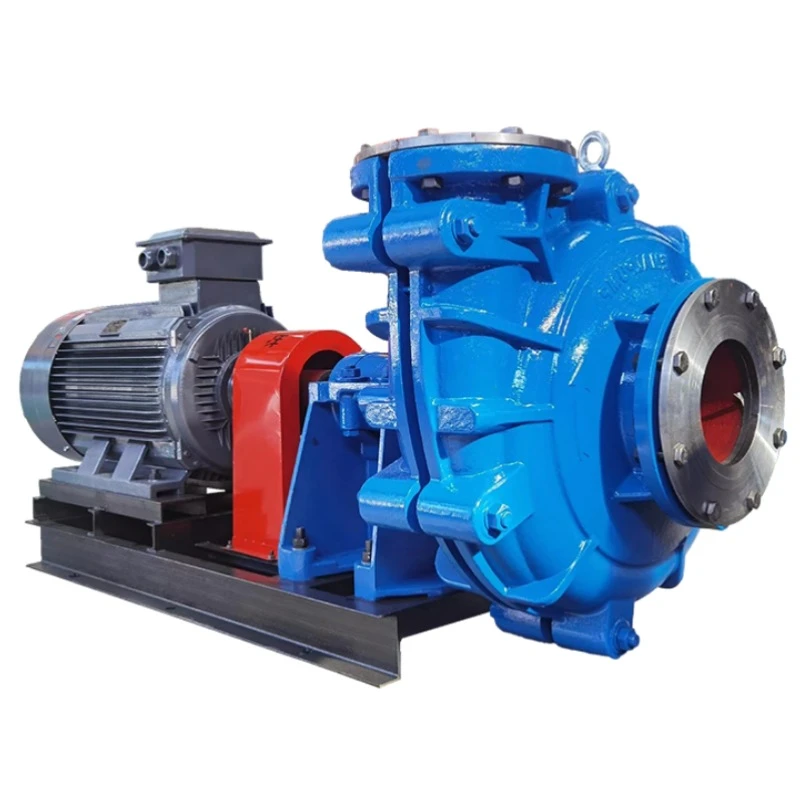
Septic pumps, integral components of wastewater management systems, facilitate the transfer of effluent from septic tanks to drain fields when gravity flow is insufficient. Their cost is a critical factor for homeowners and municipal planners alike, influenced by pump type, horsepower, materials of construction, control systems, and installation complexity. This guide provides an in-depth technical analysis of septic pump costs, encompassing material science, manufacturing processes, performance parameters, failure modes, and relevant industry standards. The rising demand for decentralized wastewater treatment, driven by increasing rural populations and limitations of centralized infrastructure, necessitates a thorough understanding of these systems’ lifecycle costs, beyond the initial purchase price. Core industry pain points center on balancing upfront investment with long-term reliability and minimizing total cost of ownership, including energy consumption, maintenance, and potential replacement costs.
Material Science & Manufacturing
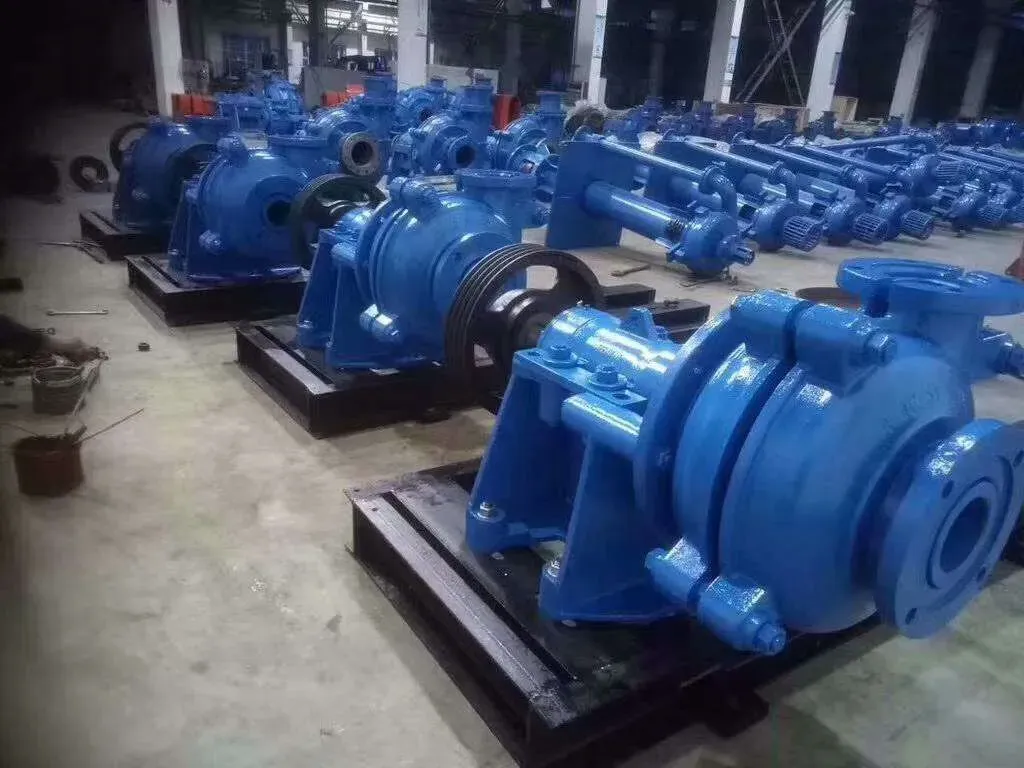
Septic pumps are constructed from a variety of materials selected for corrosion resistance, durability, and compatibility with wastewater constituents. Pump housings are commonly cast iron (ASTM A48 Class 30), stainless steel (304 or 316 grade – ASTM A240), or engineered polymers (polypropylene, HDPE). Cast iron, while cost-effective, requires protective coatings (epoxy, fusion-bonded powder) to mitigate corrosion from hydrogen sulfide and other aggressive compounds present in septic effluent. Stainless steel offers superior corrosion resistance but at a higher material cost. Polymer housings are lightweight and corrosion-proof but may have limitations in temperature and abrasion resistance. Impellers are frequently constructed from Noryl (a polyphenylene oxide) or stainless steel, chosen for their resistance to solids passage and abrasion. Seals are typically made from nitrile rubber, Viton (fluoroelastomer), or silicon carbide, materials selected for chemical compatibility and wear resistance. Manufacturing processes vary depending on the component. Pump housings are often produced using sand casting or investment casting. Impellers are commonly manufactured using injection molding (for polymers) or precision machining (for metals). Critical parameters during manufacturing include dimensional tolerances (ISO 2768-mK), surface finish (Ra < 3.2 μm for impellers to minimize friction), and weld quality (AWS D1.1 for cast iron housings). The control systems utilize various electronic components which are subject to stringent quality control based on IEC 60335-2-40 standards.
Performance & Engineering
Septic pump performance is characterized by flow rate (gallons per minute – GPM), total dynamic head (TDH – feet), horsepower (HP), and efficiency. TDH represents the total vertical lift plus friction losses in the discharge piping. Pump selection requires careful hydraulic calculations to ensure adequate flow rate and pressure to reach the drain field. Engineering considerations include pump curve analysis, net positive suction head (NPSH) requirements (to prevent cavitation – ANSI/HI Standard 1.6), and motor protection (thermal overload relays, short-circuit protection). Environmental resistance is crucial; pumps must withstand submersion in corrosive wastewater and fluctuating temperatures. Compliance with NSF/ANSI 40 standards ensures that pump components are safe for use in potable water systems (even though septic effluent is not potable, the standard assures material compatibility and leaching limitations). Force analysis considers the static and dynamic loads on the pump housing and impeller, ensuring structural integrity. Proper venting is critical to prevent pressure build-up and seal failure. The pump's electrical components must adhere to UL 508A standards for industrial control panels, guaranteeing safe operation and preventing electrical hazards. Energy efficiency is increasingly important, influencing long-term operating costs; high-efficiency motors (IE3 or IE4 – IEC 60034-30) can significantly reduce energy consumption.
Technical Specifications
| Pump Type | Horsepower (HP) | Max. Flow Rate (GPM) | Max. Head (ft) |
|---|---|---|---|
| Submersible Grinder Pump | 1/2 HP | 70 | 60 |
| Submersible Effluent Pump | 3/4 HP | 90 | 80 |
| Submersible Sewage Pump | 1 HP | 120 | 100 |
| Centrifugal Pump (External) | 1.5 HP | 150 | 120 |
| Dosing Pump (for pretreatment) | 1/4 HP | 20 | 40 |
| High-Head Pump (for challenging terrain) | 2 HP | 80 | 150 |
Failure Mode & Maintenance
Septic pump failure modes include impeller wear (due to abrasive solids), seal failure (leading to leakage), motor burnout (caused by overheating or electrical faults), and switch malfunctions (resulting in pump cycling issues). Fatigue cracking can occur in the pump housing due to repeated stress cycles. Corrosion, particularly in cast iron components, leads to material degradation and eventual failure. Delamination of epoxy coatings exposes the underlying metal to corrosion. Maintenance recommendations include regular inspection for leaks, cleaning of pump intake screens to prevent clogging, monitoring of pump run times to detect anomalies, and periodic seal replacement (typically every 2-3 years). Electrical connections should be checked for corrosion and tightness. Preventative maintenance schedules, adhering to manufacturer’s guidelines, are critical to extending pump life. Failure analysis should be conducted on failed pumps to identify root causes and implement corrective actions. A common issue is solids buildup causing the pump to seize; regular flushing with clean water can mitigate this. In areas with high sulfide content, using pumps with specialized corrosion-resistant alloys or polymer housings is advisable. The use of a pump controller with alarms can provide early warning of potential issues.
Industry FAQ
Q: What is the typical lifespan of a septic pump, and what factors affect it?
A: A typical septic pump lifespan ranges from 7 to 15 years. Factors influencing lifespan include pump quality, wastewater composition (solids content, corrosiveness), frequency of use, maintenance practices, and the presence of protective features like overload protection and corrosion-resistant materials.
Q: How does pump horsepower relate to cost, and is a higher HP pump always better?
A: Generally, higher horsepower pumps are more expensive. However, a higher HP pump isn't always better. An oversized pump can cycle frequently, leading to increased energy consumption and wear. Proper pump sizing, based on TDH and flow rate requirements, is crucial for optimal performance and cost-effectiveness.
Q: What are the advantages and disadvantages of submersible vs. external centrifugal pumps?
A: Submersible pumps are quieter, self-priming, and less prone to cavitation. However, they are more difficult to service. External centrifugal pumps are easier to access for maintenance but require priming and are more susceptible to cavitation and noise. The choice depends on the specific application and site conditions.
Q: What role do pump controls play in overall system cost and performance?
A: Pump controls, such as float switches and level sensors, are essential for automated operation and preventing pump damage. Advanced controls with variable frequency drives (VFDs) can optimize energy consumption and extend pump life, increasing upfront cost but offering long-term savings. Proper control settings prevent pump burnout and prolong operational life.
Q: How can I estimate the total cost of ownership (TCO) for a septic pump, beyond the initial purchase price?
A: TCO includes purchase price, installation costs, energy consumption, maintenance expenses (parts, labor), and potential replacement costs. Calculating TCO over the pump's expected lifespan provides a more accurate comparison of different pump options. Consider energy efficiency ratings and the availability of local service support.
Conclusion
The cost of a septic pump is a multifaceted consideration extending beyond the initial purchase price. Material selection, manufacturing precision, and adherence to industry standards significantly impact performance and longevity. Proper pump sizing, informed by detailed hydraulic analysis and consideration of site-specific conditions, is paramount to avoid premature failure and optimize energy efficiency.
Looking ahead, advancements in pump technology, such as smart pumps with remote monitoring capabilities and variable speed drives, promise further improvements in efficiency and reliability, ultimately lowering the total cost of ownership. Investing in high-quality components and implementing a proactive maintenance program are essential for maximizing the return on investment in septic pump systems.
-
Comprehensive Guide to Waterproof ORings for Optimal Sealing Solutions
News2026-06-09
-
submersable pumps Performance Analysis
News2026-06-12
-
submerge pump Performance Analysis
News2026-06-12
-
Septic Tank Lift Pump Performance Analysis
News2026-06-12
-
Septic System Pump Replacement Performance Analysis
News2026-06-12
-
Septic Pumps Cost Performance Analysis
News2026-06-12
-
best sewage ejector pump Performance Engineering
News2026-06-11
-
aerobic septic system pump Performance Analysis
News2026-06-11
-
Sumergible Pump Performance Analysis
News2026-06-11
-
ejector pump for basement Performance Engineering
News2026-06-11
-
sewer lift pump Performance Engineering
News2026-06-11
-
Septic Pump Replacement Performance Analysis
News2026-06-10
-
Septic Pump Price Performance Analysis
News2026-06-10
-
pumps for septic systems Material Science Manufacturing
News2026-06-10
-
ejector pumps for basement bathrooms Performance Analysis
News2026-06-10




