English
- Afrikaans
- Albanian
- Amharic
- Arabic
- Armenian
- Azerbaijani
- Basque
- Belarusian
- Bengali
- Bosnian
- Bulgarian
- Catalan
- Cebuano
- Corsican
- Croatian
- Czech
- Danish
- Dutch
- English
- Esperanto
- Estonian
- Finnish
- French
- Frisian
- Galician
- Georgian
- German
- Greek
- Gujarati
- Haitian Creole
- hausa
- hawaiian
- Hebrew
- Hindi
- Miao
- Hungarian
- Icelandic
- igbo
- Indonesian
- irish
- Italian
- Japanese
- Javanese
- Kannada
- kazakh
- Khmer
- Rwandese
- Korean
- Kurdish
- Kyrgyz
- Lao
- Latin
- Latvian
- Lithuanian
- Luxembourgish
- Macedonian
- Malgashi
- Malay
- Malayalam
- Maltese
- Maori
- Marathi
- Mongolian
- Myanmar
- Nepali
- Norwegian
- Norwegian
- Occitan
- Pashto
- Persian
- Polish
- Portuguese
- Punjabi
- Romanian
- Russian
- Samoan
- Scottish Gaelic
- Serbian
- Sesotho
- Shona
- Sindhi
- Sinhala
- Slovak
- Slovenian
- Somali
- Spanish
- Sundanese
- Swahili
- Swedish
- Tagalog
- Tajik
- Tamil
- Tatar
- Telugu
- Thai
- Turkish
- Turkmen
- Ukrainian
- Urdu
- Uighur
- Uzbek
- Vietnamese
- Welsh
- Bantu
- Yiddish
- Yoruba
- Zulu

Telephone: +86 13120555503
Email: frank@cypump.com


Apr . 01, 2024 17:55 Back to list
Septic Pump to Leach Field Performance Analysis
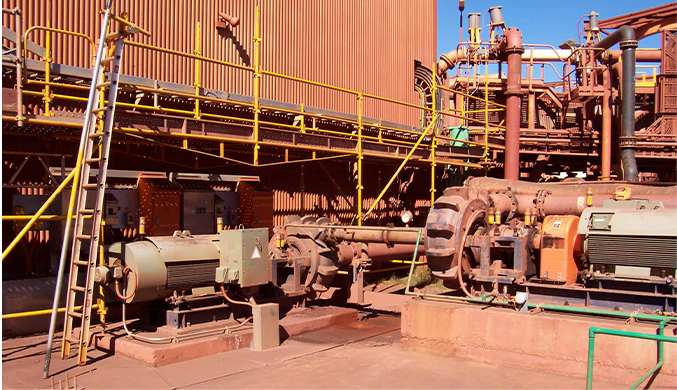
Introduction
The septic pump to leach field system represents a critical component of decentralized wastewater treatment, serving areas not connected to centralized sewer networks. This system relies on the effective transfer of effluent from a septic tank, where primary treatment occurs, to a leach field (also known as a drain field) for secondary treatment and eventual dispersal into the surrounding soil. The pump, typically a submersible or surface-mounted unit, overcomes elevation differences or soil limitations that prevent gravity flow. Proper system design and maintenance are paramount to prevent environmental contamination and ensure long-term operational efficiency. Core performance is characterized by consistent flow rates, reliable operation under varying effluent loads, and minimization of system backups and failures. The industry faces ongoing challenges related to increasingly stringent environmental regulations, aging infrastructure, and the need for more sustainable and efficient treatment technologies. Understanding the intricacies of pump selection, installation, and maintenance is essential for professionals involved in septic system design, installation, and service.
Material Science & Manufacturing
The construction of septic pumps and leach field components involves a diverse range of materials selected for their durability, chemical resistance, and environmental compatibility. Pump housings are commonly manufactured from engineered thermoplastics like polypropylene (PP) or high-density polyethylene (HDPE), chosen for their resistance to corrosion from hydrogen sulfide and other compounds present in septic effluent. Impellers can be composed of stainless steel (typically 304 or 316 grade) or reinforced polymer composites, balancing abrasion resistance with cost considerations. Pump seals are critical and are usually made from materials like nitrile rubber (NBR) or Viton (fluoroelastomer) to prevent leakage and ensure long-term reliability. Leach field distribution boxes are often constructed from PVC or concrete, with distribution laterals utilizing perforated PVC pipe. The soil within the leach field plays a significant role, and its composition (sand, gravel, and loam) directly impacts filtration efficiency. Manufacturing processes vary. Pump housings utilize injection molding to achieve complex geometries and tight tolerances. Pipe extrusion is employed for both distribution laterals and effluent piping. Welding (specifically plastic welding for PVC) is vital for joining components. Quality control focuses on hydrostatic pressure testing of pump housings, impeller balance verification, and ensuring accurate dimensions of pipe fittings. The manufacturing of the pump's electric motor necessitates stringent adherence to NEMA standards for efficiency and operational safety. The longevity of the system is directly linked to proper material selection, robust manufacturing processes, and adherence to quality control measures.
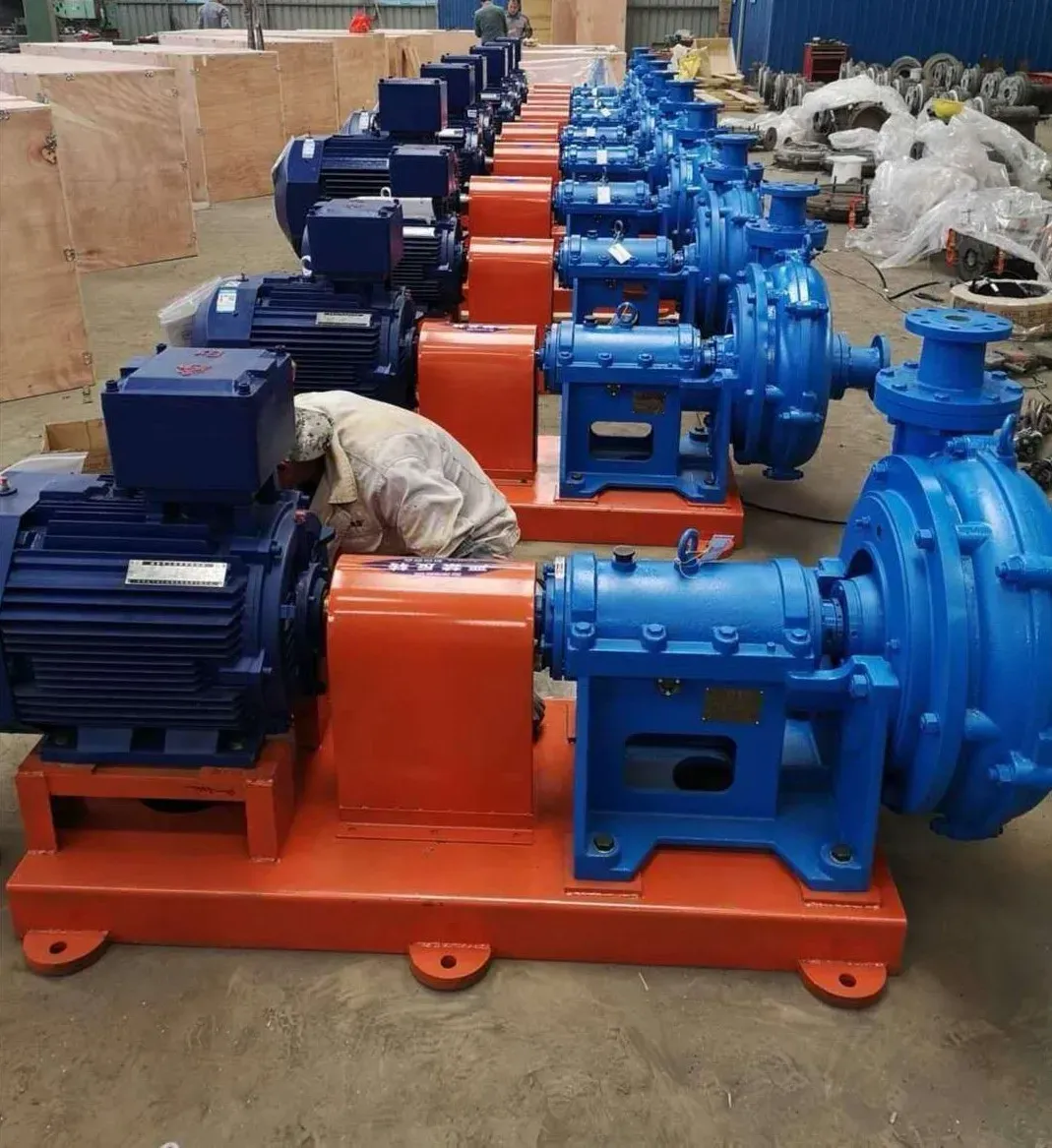
Performance & Engineering
The performance of a septic pump to leach field system hinges on several key engineering principles. Hydraulic head loss calculations are crucial for determining appropriate pump sizing, considering factors like vertical lift, pipe friction, and the length of the effluent line. Pump curves, which illustrate the relationship between flow rate and head, are fundamental to pump selection. Force analysis focuses on the static and dynamic loads imposed on the pump and piping system, ensuring structural integrity. Environmental resistance is critical; pumps must withstand continuous submersion (for submersible models) and exposure to varying temperatures and potentially corrosive environments. Compliance with local and national regulations (EPA, state health departments) is paramount, governing effluent quality and system design. The pump’s electrical components must meet stringent safety standards (UL listing, CSA certification). The leach field’s engineering design considers soil permeability, loading rates, and the overall capacity of the system to prevent saturation and breakthrough of untreated effluent. Proper venting is vital to prevent pressure buildup and maintain efficient flow. Monitoring systems, employing flow sensors and level sensors, can provide real-time data on system performance, enabling proactive maintenance and early detection of potential issues. The system's overall efficiency is influenced by pump efficiency, pipe diameter, and the effectiveness of the soil’s filtration capacity.
Technical Specifications
| Parameter | Typical Range (Submersible Pump) | Typical Range (Surface Mounted Pump) | Leach Field Material | |
|---|---|---|---|---|
| Flow Rate (GPM) | 40-100 | 60-150 | Perforated PVC Pipe (4-inch diameter) | |
| Head (Feet) | 10-50 | 20-80 | Gravel Layer Depth (inches) | 12-18 |
| Horsepower (HP) | 1/2 - 1 | 1-2 | Distribution Box Material | Polypropylene/Concrete |
| Voltage (VAC) | 120/240 | 120/240 | Effluent Filter Pore Size (microns) | 60-100 |
| Minimum Wet Well Depth (inches) | 18 | N/A | Soil Permeability (cm/sec) | 2-20 |
| Maximum Solids Handling (inches) | 1/2 | 1/4 | Leach Field Area (sq. ft/bedroom) | 100-300 (dependent on soil type) |
Failure Mode & Maintenance
Septic pump and leach field systems are susceptible to several failure modes. Pump failures commonly stem from impeller wear due to abrasive particles, seal failures leading to leakage, or motor burnout from overheating or electrical issues. Leach field failures often involve clogging of the distribution system due to excessive solids buildup (biomat formation), hydraulic overload leading to soil saturation, or root intrusion into the piping. Corrosion of metallic components, particularly in aggressive effluent environments, can also contribute to failure. Failure analysis indicates that preventative maintenance is crucial. Regular pump inspections should include checking for unusual noises, measuring voltage and amperage, and inspecting seals for wear. Leach field maintenance involves periodic inspection of the distribution box for proper function, effluent filter cleaning or replacement, and potentially soil restoration techniques (e.g., leach field renovation) if clogging occurs. Preventative maintenance schedules should be established based on system usage and local conditions. Addressing issues promptly can significantly extend system lifespan. Common maintenance tasks include annual pump servicing, bi-annual effluent filter cleaning, and periodic inspection of the leach field area for signs of saturation or surface breakouts. Fatigue cracking in pump housings, delamination of composite materials, and degradation of seals are all potential failure mechanisms that require proactive monitoring and replacement.
Industry FAQ
Q: What is the optimal pump sizing methodology for a septic system with a significant elevation difference between the tank and the leach field?
A: Optimal pump sizing requires a detailed hydraulic head loss calculation. This calculation must account for the static head (vertical lift), friction losses in the piping (influenced by pipe material, diameter, and length), and any minor losses due to fittings and valves. A pump curve should be consulted to determine the flow rate achievable at the calculated total dynamic head. It’s crucial to select a pump that provides the required flow rate without operating at the extreme ends of its curve, which can reduce efficiency and lifespan. Oversizing is also problematic, leading to excessive cycling and potential damage.
Q: How do I mitigate biomat formation in the leach field, which can lead to clogging?
A: Mitigating biomat formation involves several strategies. Regularly scheduled effluent filter maintenance is paramount to remove solids before they reach the leach field. Proper septic tank maintenance, including periodic pumping, prevents excessive solids buildup. Avoiding the introduction of harmful chemicals (e.g., antibacterial cleaners, solvents) into the system is also crucial. In some cases, leach field renovation techniques, such as soil aeration or the introduction of beneficial microbes, can help break down existing biomat.
Q: What are the key considerations when selecting materials for a septic pump in a corrosive environment?
A: Material selection must prioritize corrosion resistance. Pump housings should be constructed from engineered thermoplastics like PP or HDPE. Impellers and fasteners should be made from stainless steel (316 grade is preferred for highly corrosive environments) or other corrosion-resistant alloys. Seals should be chosen from materials like Viton, which exhibit excellent resistance to hydrogen sulfide and other corrosive compounds found in septic effluent. Regular inspection for signs of corrosion is essential.
Q: What are the typical causes of pump failure in submersible septic pump installations?
A: Common causes of submersible pump failure include impeller wear due to abrasive particles, seal failures leading to water intrusion and motor damage, and motor burnout due to overheating or electrical problems. Insufficient wet well depth can also contribute to pump cycling and reduced lifespan. Proper pump sizing, regular maintenance (cleaning and inspection), and ensuring adequate wet well depth are vital for preventing failures.
Q: What role do local regulations play in the design and installation of a septic pump to leach field system?
A: Local regulations are paramount. They dictate everything from minimum lot size requirements to specific design criteria for leach fields, including soil testing requirements, setback distances from wells and property lines, and acceptable effluent quality standards. Permits are typically required for installation and modification of septic systems. Compliance with these regulations is essential to ensure environmental protection and avoid legal issues.
Conclusion
The successful operation of a septic pump to leach field system relies on a holistic understanding of material science, hydraulic engineering, and environmental regulations. Effective design prioritizes appropriate pump selection based on head loss calculations, robust material choices to withstand corrosive environments, and leach field sizing that aligns with soil permeability and effluent loading rates. Consistent preventative maintenance – encompassing pump inspections, effluent filter cleaning, and monitoring for potential failure modes – is paramount to extending system lifespan and preventing costly repairs or environmental contamination.
Moving forward, advancements in septic system technology are focusing on enhanced filtration methods, smart monitoring systems that provide real-time data on system performance, and more sustainable leach field designs that promote biomat breakdown and extend system longevity. Continued adherence to stringent regulatory standards and a commitment to best practices in installation and maintenance will be essential to ensuring the long-term reliability and environmental performance of these critical decentralized wastewater treatment systems.
-
Precision at the Pump: How Better Machining Protects Flow and Uptime
News2026-11-20
-
Why Pump Reliability Begins Before the First Drop of Fluid
News2026-11-20
-
Beyond the Pump: Designing Safer Access Around Critical Water Infrastructure
News2026-11-20
-
Why Pumping Stations Depend on the Infrastructure Beneath the Pumps
News2026-11-20
-
Beyond the Pump Room: How Smarter Loading Protects Industrial Equipment
News2026-11-19
-
When Pumps Stop: Designing More Resilient Power for Critical Pumping Systems
News2026-11-19
-
The Hidden Role of Dust and Gas Monitoring in Reliable Pump Operations
News2026-11-19
-
The Hidden Role of Mineral Compounds in Extending Industrial Pump Lifespan
News2026-10-12
-
Why Pump System Reliability Depends on Precision Hose Assembly Methods
News2026-09-15
-
How Advanced Imaging Films Are Transforming Pump Component Quality Control
News2026-08-25
-
How Advanced Filtration Protects Pump Systems from Premature Wear and Costly Downtime
News2026-08-25
-
How Steel Material Selection Drives Pump Reliability in Heavy-Duty Systems
News2026-08-25
-
Ensuring Pump System Efficiency: The Role of High-Quality Pipe Fittings and Tubing
News2026-08-24
-
Optimizing Fluid Dynamics and Material Consistency in Industrial Processing
News2026-08-18
-
Innovations and Challenges in Hydraulic Systems for Heavy Machinery
News2026-08-13




