English
- Afrikaans
- Albanian
- Amharic
- Arabic
- Armenian
- Azerbaijani
- Basque
- Belarusian
- Bengali
- Bosnian
- Bulgarian
- Catalan
- Cebuano
- Corsican
- Croatian
- Czech
- Danish
- Dutch
- English
- Esperanto
- Estonian
- Finnish
- French
- Frisian
- Galician
- Georgian
- German
- Greek
- Gujarati
- Haitian Creole
- hausa
- hawaiian
- Hebrew
- Hindi
- Miao
- Hungarian
- Icelandic
- igbo
- Indonesian
- irish
- Italian
- Japanese
- Javanese
- Kannada
- kazakh
- Khmer
- Rwandese
- Korean
- Kurdish
- Kyrgyz
- Lao
- Latin
- Latvian
- Lithuanian
- Luxembourgish
- Macedonian
- Malgashi
- Malay
- Malayalam
- Maltese
- Maori
- Marathi
- Mongolian
- Myanmar
- Nepali
- Norwegian
- Norwegian
- Occitan
- Pashto
- Persian
- Polish
- Portuguese
- Punjabi
- Romanian
- Russian
- Samoan
- Scottish Gaelic
- Serbian
- Sesotho
- Shona
- Sindhi
- Sinhala
- Slovak
- Slovenian
- Somali
- Spanish
- Sundanese
- Swahili
- Swedish
- Tagalog
- Tajik
- Tamil
- Tatar
- Telugu
- Thai
- Turkish
- Turkmen
- Ukrainian
- Urdu
- Uighur
- Uzbek
- Vietnamese
- Welsh
- Bantu
- Yiddish
- Yoruba
- Zulu

Telephone: +86 13120555503
Email: frank@cypump.com


Apr . 01, 2024 17:55 Back to list
Septic Pump Tanks Performance Analysis
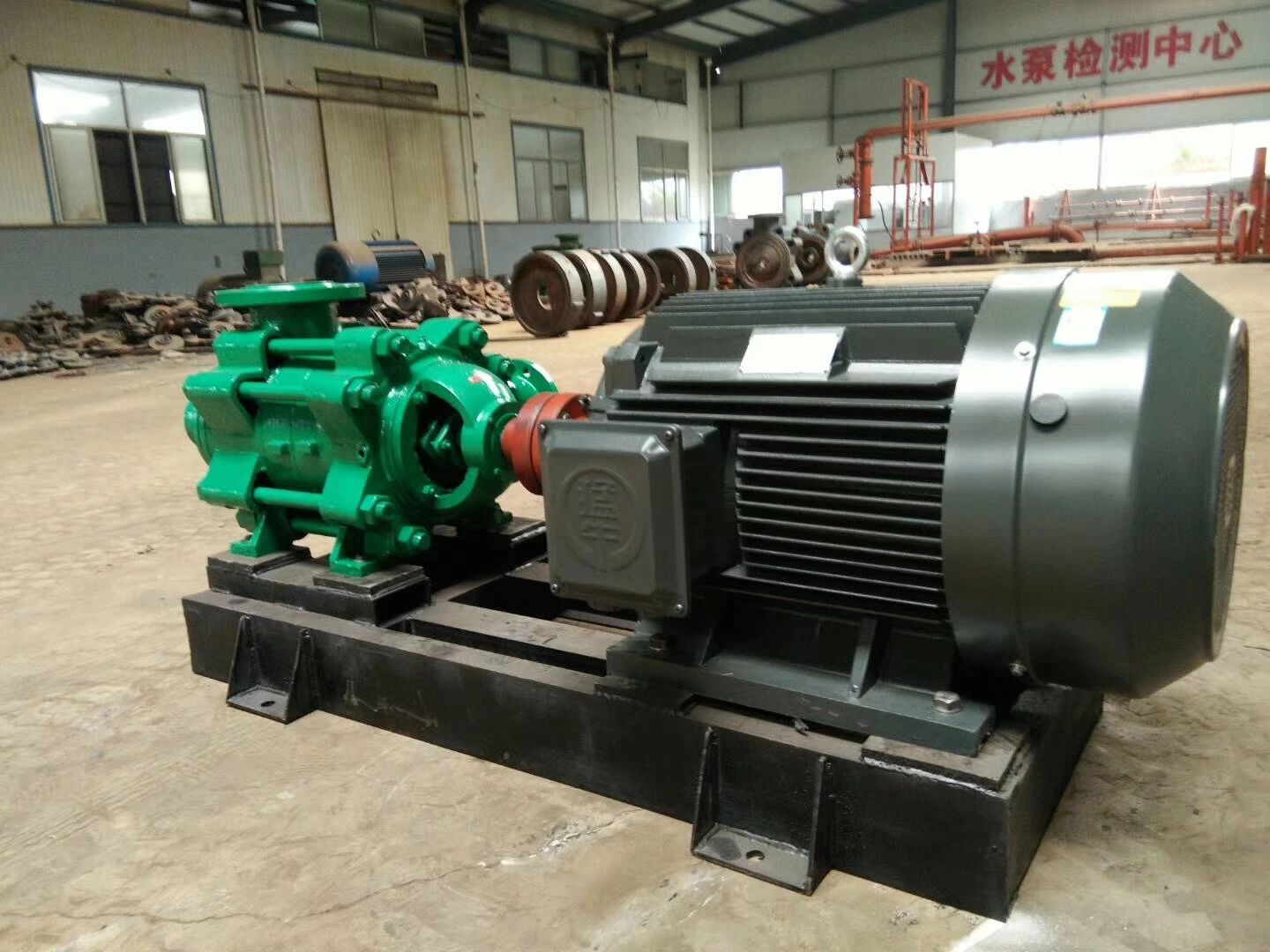
Introduction
Septic pump tanks are crucial components within decentralized wastewater treatment systems, serving as intermediary collection and processing units between a septic tank and a soil absorption field (leach field). Unlike gravity-fed systems, septic pump tanks are essential where the leach field is located at an elevation higher than the septic tank, or is a significant distance away. This necessitates the use of a pump to transport effluent. These tanks typically incorporate a watertight compartment to house a submersible pump, a float switch system for automatic operation, and often include an effluent filter to enhance water quality prior to dispersal. The performance of a septic pump tank directly influences the longevity of the entire system, impacting environmental protection and public health. Key performance indicators include pumping efficiency, alarm reliability, solids handling capacity, and tank material integrity. This guide details the materials, manufacturing, performance, potential failure modes, and maintenance of septic pump tanks, adhering to stringent industry standards.
Material Science & Manufacturing
Septic pump tanks are predominantly manufactured from three materials: polyethylene (HDPE), fiberglass reinforced plastic (FRP), and concrete. HDPE tanks are fabricated through rotational molding, a process that ensures uniform wall thickness and a seamless, leak-proof construction. The HDPE resin utilized must meet ASTM D3350 standards, offering resistance to chemical degradation from wastewater constituents. FRP tanks employ a layering process where resin (typically polyester or vinyl ester) is impregnated into fiberglass matting. This process requires precise resin-to-fiberglass ratios to optimize strength and durability. Vinyl ester resins offer superior corrosion resistance compared to polyester resins, particularly crucial given the acidic nature of septic effluent. Concrete tanks, historically prevalent, are constructed using reinforced concrete with a minimum compressive strength of 4000 psi. Proper concrete mix design and adequate steel reinforcement are critical to prevent cracking and structural failure. Manufacturing processes also include incorporating inlet and outlet fittings, pump access ports, and integral effluent filters. Parameter control during manufacturing includes precise temperature regulation during rotational molding of HDPE, maintaining consistent resin viscosity and fiber alignment during FRP fabrication, and ensuring proper concrete curing times and moisture content. Chemical compatibility testing is performed on all materials to verify resistance to hydrogen sulfide, sulfates, and other corrosive compounds found in septic systems.
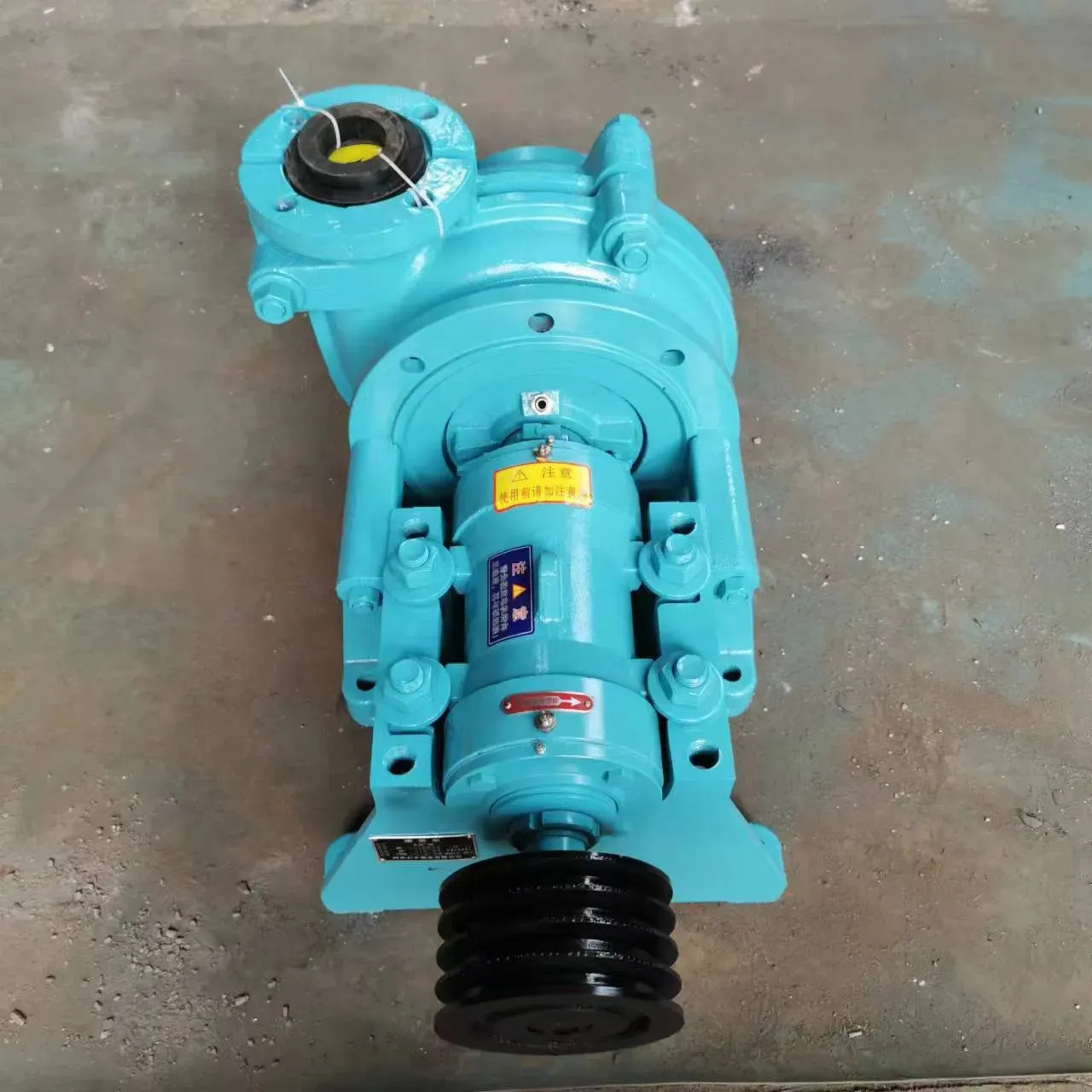
Performance & Engineering
The performance of a septic pump tank hinges on hydraulic design and pump selection. Pump selection considers total dynamic head (TDH), flow rate, and solids handling capability. TDH is calculated by summing static lift (vertical distance from the pump to the leach field), friction losses in the piping network, and pressure required at the discharge point. Submersible pumps are typically centrifugal or positive displacement, with centrifugal pumps being more common for standard applications. Positive displacement pumps excel in high-head, low-flow scenarios. Float switch systems are engineered to activate and deactivate the pump based on effluent levels, preventing both tank overflow and pump burnout. Redundancy in float switches is highly recommended. Engineering considerations include tank sizing based on household size and wastewater flow rates, ensuring adequate pump capacity to handle peak flows, and implementing backflow prevention devices to protect the municipal water supply. Environmental resistance is addressed by selecting materials with low permeability and high resistance to UV degradation. Compliance requirements are dictated by local and national regulations regarding wastewater treatment and disposal, often referencing EPA standards and state-specific permitting processes. Force analysis ensures the tank can withstand soil loading and hydrostatic pressure, with appropriate structural reinforcement incorporated into the design.
Technical Specifications
| Tank Capacity (Gallons) | Material of Construction | Pump Horsepower | Float Switch Type |
|---|---|---|---|
| 500 | HDPE | 1/2 HP | Mechanical |
| 750 | FRP (Vinyl Ester) | 3/4 HP | Electronic |
| 1000 | Concrete (4000 PSI) | 1 HP | Electronic with Redundancy |
| 1250 | HDPE | 1 HP | Electronic |
| 1500 | FRP (Polyester) | 1.5 HP | Mechanical |
| 2000 | Concrete (5000 PSI) | 2 HP | Electronic with Redundancy |
Failure Mode & Maintenance
Septic pump tanks are susceptible to several failure modes. Pump failure, often due to impeller wear, motor burnout, or float switch malfunction, is a common issue. Corrosion of metal components within the pump, particularly in environments with high hydrogen sulfide concentrations, accelerates degradation. Tank cracking, especially in concrete tanks, can occur due to soil settlement, frost heave, or inadequate structural design. Delamination of FRP tanks can result from improper resin-to-fiberglass ratios or water ingress. Effluent filter clogging reduces pump efficiency and can lead to system overload. Biofilm buildup within the tank and piping can also restrict flow. Preventative maintenance includes regular pump inspections (every 6-12 months), cleaning of the effluent filter (every 3-6 months), and periodic tank inspections for cracks or leaks. Pump maintenance involves checking impeller wear, lubricating bearings, and verifying float switch operation. Concrete tanks should be inspected for cracking and resealed as needed. FRP tanks require visual inspection for delamination and repair of any damaged areas. Alarm systems should be routinely tested to ensure functionality. Proper system ventilation is crucial to mitigate corrosion from hydrogen sulfide gas. Failure analysis of failed pumps often reveals root causes related to improper installation, inadequate sizing, or lack of routine maintenance.
Industry FAQ
Q: What are the primary factors influencing pump selection for a septic pump tank application?
A: Pump selection is driven by Total Dynamic Head (TDH), flow rate requirements, and the type of solids present in the wastewater. TDH encompasses static lift, friction losses in the piping, and any discharge pressure needs. Flow rate is determined by the number of equivalent dwelling units (EDUs) served and peak flow rates. Solids handling capability dictates the pump’s ability to pass solids without clogging, with vortex impellers being preferred for handling stringy or fibrous materials. Pump curves should be carefully reviewed to ensure optimal performance at the specific operating point.
Q: What is the typical lifespan of an HDPE septic pump tank compared to a concrete tank?
A: HDPE tanks generally exhibit a longer service life – often exceeding 50 years – due to their inherent corrosion resistance and structural integrity. Concrete tanks, while durable, are susceptible to cracking and degradation over time, potentially reducing their lifespan to 20-30 years, depending on soil conditions and water table levels. Regular inspection and maintenance can extend the life of a concrete tank, but HDPE typically requires less ongoing maintenance.
Q: How does the choice of resin impact the longevity of an FRP septic pump tank?
A: Vinyl ester resins offer significantly superior corrosion resistance compared to polyester resins, particularly in the presence of hydrogen sulfide and other aggressive chemicals found in septic effluent. Polyester resins are more susceptible to chemical attack, potentially leading to delamination and structural weakening over time. Investing in an FRP tank manufactured with vinyl ester resin is crucial for long-term durability in septic applications.
Q: What preventative measures can be taken to minimize pump failures in a septic pump tank system?
A: Regular pump inspections, cleaning of the effluent filter, and verification of float switch operation are critical preventative measures. Ensuring the pump is appropriately sized for the application, implementing a redundant float switch system, and providing adequate system ventilation to prevent corrosion are also essential. Periodic flushing of the piping network can remove accumulated debris and biofilm.
Q: What are the common causes of cracking in concrete septic pump tanks, and how can they be addressed?
A: Common causes of cracking include soil settlement, frost heave, inadequate structural reinforcement, and exposure to corrosive chemicals. Addressing cracking involves identifying the root cause and implementing appropriate repairs. Minor cracks can be sealed with epoxy-based crack sealants. Significant structural cracks may require more extensive repairs, such as applying a carbon fiber reinforcement system or replacing the tank entirely. Proper soil compaction and drainage around the tank can help prevent future cracking.
Conclusion
Septic pump tanks represent a vital component in modern wastewater management, particularly in challenging topographical situations. The selection of appropriate materials—HDPE, FRP with vinyl ester resin, or reinforced concrete—and adherence to stringent manufacturing processes are paramount for ensuring long-term reliability and environmental protection. Understanding the hydraulic principles governing pump selection, incorporating redundancy in critical components, and implementing a robust preventative maintenance program are essential for minimizing failure rates and maximizing system lifespan.
Future advancements in septic pump tank technology may focus on integrating smart monitoring systems for remote diagnostics and predictive maintenance, utilizing advanced materials with enhanced corrosion resistance, and optimizing pump designs for increased energy efficiency. Proper installation, coupled with regular inspection and maintenance, remains the cornerstone of a successful and sustainable septic system, ensuring compliance with increasingly stringent environmental regulations and safeguarding public health.
-
Comprehensive Guide to Waterproof ORings for Optimal Sealing Solutions
News2026-06-09
-
submergable pump Material Science
News2026-06-23
-
sewer injection pump Performance Engineering
News2026-06-23
-
Sewer Ejector Pump System Performance Analysis
News2026-06-23
-
septic tank pump for sale Performance Engineering
News2026-06-23
-
septic pump for sale Performance Engineering
News2026-06-23
-
septic ejector system Performance Analysis
News2026-06-22
-
replace septic pump Performance Analysis
News2026-06-22
-
pump system septic tank Performance Analysis
News2026-06-22
-
lift pump for sewer Performance and Engineering
News2026-06-22
-
industrial submersible water pump Material Science
News2026-06-22
-
industrial submersible pumps Material Science and Manufacturing
News2026-06-21
-
best sewer ejector pump Performance Analysis
News2026-06-21
-
best septic pump Performance Analysis
News2026-06-21
-
1 2 hp septic pump Performance Engineering
News2026-06-21




