English
- Afrikaans
- Albanian
- Amharic
- Arabic
- Armenian
- Azerbaijani
- Basque
- Belarusian
- Bengali
- Bosnian
- Bulgarian
- Catalan
- Cebuano
- Corsican
- Croatian
- Czech
- Danish
- Dutch
- English
- Esperanto
- Estonian
- Finnish
- French
- Frisian
- Galician
- Georgian
- German
- Greek
- Gujarati
- Haitian Creole
- hausa
- hawaiian
- Hebrew
- Hindi
- Miao
- Hungarian
- Icelandic
- igbo
- Indonesian
- irish
- Italian
- Japanese
- Javanese
- Kannada
- kazakh
- Khmer
- Rwandese
- Korean
- Kurdish
- Kyrgyz
- Lao
- Latin
- Latvian
- Lithuanian
- Luxembourgish
- Macedonian
- Malgashi
- Malay
- Malayalam
- Maltese
- Maori
- Marathi
- Mongolian
- Myanmar
- Nepali
- Norwegian
- Norwegian
- Occitan
- Pashto
- Persian
- Polish
- Portuguese
- Punjabi
- Romanian
- Russian
- Samoan
- Scottish Gaelic
- Serbian
- Sesotho
- Shona
- Sindhi
- Sinhala
- Slovak
- Slovenian
- Somali
- Spanish
- Sundanese
- Swahili
- Swedish
- Tagalog
- Tajik
- Tamil
- Tatar
- Telugu
- Thai
- Turkish
- Turkmen
- Ukrainian
- Urdu
- Uighur
- Uzbek
- Vietnamese
- Welsh
- Bantu
- Yiddish
- Yoruba
- Zulu

Telephone: +86 13120555503
Email: frank@cypump.com


Apr . 01, 2024 17:55 Back to list
Septic Pump Tank System Performance Analysis
Introduction
Septic pump tank systems represent a critical component of decentralized wastewater treatment, particularly in areas lacking centralized sewer infrastructure. This system facilitates the collection, partial treatment, and eventual dispersal of domestic wastewater. Positioned between the septic tank and the soil absorption field (drainfield), the pump tank’s primary function is to provide consistent, pressurized effluent delivery to the drainfield, overcoming elevation differences or limitations in soil permeability. Core performance is defined by pump capacity (gallons per minute - GPM), tank volume (gallons), float switch reliability, and overall system longevity. A properly functioning septic pump tank system is essential for preventing environmental contamination, safeguarding public health, and maintaining the efficiency of the entire septic system. Modern designs are increasingly focused on energy efficiency, automated monitoring, and remote diagnostic capabilities.
Material Science & Manufacturing
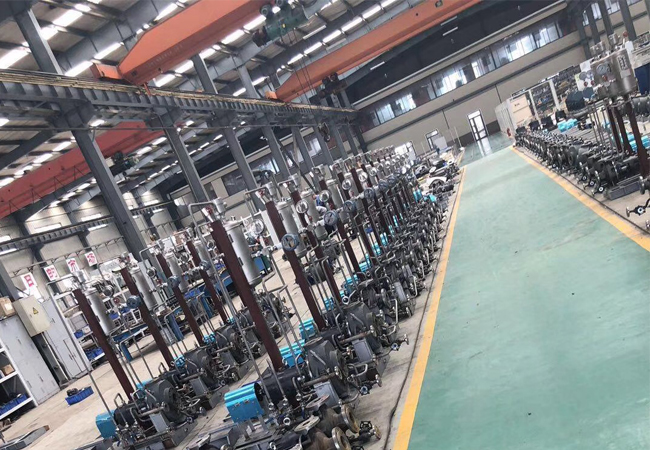
The construction of septic pump tank systems necessitates careful material selection to ensure durability, chemical resistance, and longevity in a corrosive environment. Tank materials typically consist of High-Density Polyethylene (HDPE) – known for its exceptional resistance to sulfuric acid produced by anaerobic digestion, structural rigidity, and relatively low cost – or concrete. Concrete tanks require protective coatings (epoxy or polymer linings) to mitigate acid attack and prevent leaching of calcium hydroxide. Pump components are commonly manufactured from engineered thermoplastics (polypropylene, PVC) for housings, with impellers and volutes often constructed from stainless steel (304 or 316 grade) to resist corrosion. Float switches utilize encapsulated reed switches or solid-state sensors housed in buoyant, chemically inert materials like PVC or polyurethane. Manufacturing processes for HDPE tanks involve rotational molding, a technique producing seamless, stress-free structures. Concrete tanks are typically cast-in-place or precast using reinforced concrete. Pump assembly requires precision machining, rigorous quality control testing of seals and bearings, and thorough electrical insulation to prevent short circuits. Critical parameters during manufacturing include HDPE wall thickness consistency, concrete compressive strength (typically >4000 psi), impeller balance, and seal integrity. Welding, if used in metallic components, must conform to AWS D1.1 standards to ensure structural soundness. Chemical compatibility testing of all materials with typical septic tank effluent is paramount to prevent premature failure.
Performance & Engineering
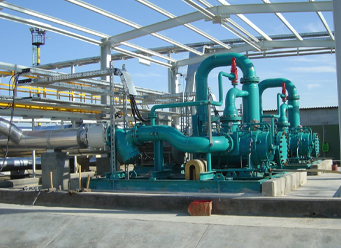
The performance of a septic pump tank system is governed by hydraulic principles, pump characteristics, and control system functionality. Force analysis must account for hydrostatic pressure exerted by the effluent column, dynamic loads from pump operation, and soil pressure around the tank. Pump selection hinges on Total Dynamic Head (TDH), which considers static lift, friction losses within piping, and pressure required at the drainfield. Environmental resistance is crucial; tanks must withstand ground loads, freeze-thaw cycles, and potential impact damage. Compliance requirements are dictated by local and state regulations, often referencing standards set by the National Sanitation Foundation (NSF) and the American Society of Civil Engineers (ASCE). Functional implementation relies on reliable float switch operation to trigger pump activation and deactivation, preventing both tank overfill and pump dry-running. Effluent filtration is integral, typically utilizing screens or filters to prevent particulate matter from damaging the pump and clogging the drainfield. System design must consider pump horsepower, flow rate, and pump cycle frequency to optimize energy efficiency and extend pump lifespan. Proper ventillation is also required to prevent buildup of hazardous gases. Electrical wiring must adhere to National Electrical Code (NEC) standards, including grounding and GFCI protection. Regular inspection and maintenance are vital to ensure consistent performance and prevent system failure.
Technical Specifications
| Tank Volume (Gallons) | Pump Capacity (GPM) | Maximum Head (Feet) | Voltage (VAC) |
|---|---|---|---|
| 500 | 25 | 60 | 120 |
| 750 | 35 | 80 | 240 |
| 1000 | 50 | 100 | 120/240 |
| 1500 | 75 | 120 | 240 |
| 2000 | 100 | 150 | 480 |
| 3000 | 150 | 180 | 480 |
Failure Mode & Maintenance
Septic pump tank systems are susceptible to various failure modes. Fatigue cracking in pump housings or tank walls can occur due to cyclical loading and material defects. Delamination of concrete tank coatings compromises their protective function, leading to corrosion. Degradation of float switch components (reed switches, wiring) results in unreliable pump activation. Oxidation of stainless steel pump components (especially in high-sulfide environments) reduces their structural integrity. Pump impeller wear, caused by abrasive particles in the effluent, diminishes pump efficiency. Common maintenance solutions include regular tank inspections (every 3-5 years) to assess structural integrity and sludge accumulation. Pump servicing involves impeller replacement, seal inspection, and motor lubrication (if applicable). Float switch testing and replacement (every 2-3 years) ensures proper operation. Effluent filter cleaning or replacement (every 6-12 months) prevents pump clogging. Proper tank venting is critical to avoid pressure buildup. Annual electrical inspections verify wiring integrity and grounding effectiveness. Prompt repair of any leaks or cracks prevents further damage and environmental contamination. Preventative maintenance schedules should be customized based on usage frequency, effluent composition, and local environmental conditions. Failure analysis often involves visual inspection, non-destructive testing (NDT), and material analysis to determine root causes and implement corrective actions.
Industry FAQ
Q: What is the optimal pump sizing methodology for a septic system with a significant elevation difference between the tank and drainfield?
A: Optimal pump sizing requires a precise calculation of Total Dynamic Head (TDH). This includes static lift (the vertical distance between the pump and the drainfield), friction losses within the piping (determined by pipe diameter, length, and flow rate), and any pressure requirements at the drainfield distribution system. Select a pump that delivers the required flow rate at the calculated TDH, with a safety margin of 10-15% to account for variations in effluent levels and future system demands. Consulting with a qualified pump engineer is recommended for complex installations.
Q: How do I mitigate the risk of hydrogen sulfide (H2S) corrosion in a septic pump tank system?
A: Hydrogen sulfide corrosion is a significant concern in septic systems. Utilize tank materials with high resistance to sulfuric acid (HDPE is preferred). Ensure adequate ventilation to prevent H2S buildup. Consider employing chemical treatments to oxidize sulfides. Regularly inspect and maintain the system to address any leaks or cracks promptly. Stainless steel components (316 grade) provide better corrosion resistance than 304 grade in H2S-rich environments.
Q: What are the key considerations when selecting a float switch for a septic pump tank system?
A: Float switch reliability is paramount. Opt for encapsulated reed switches or solid-state sensors for long-term performance. Choose a float switch with adequate buoyancy and a wide operating range. Ensure compatibility with the effluent composition and potential buildup of solids. Consider a dual-float system (one for pump activation, one for high-level alarm) for enhanced safety. Regular testing and replacement of float switches are essential.
Q: What type of effluent filtration is recommended to protect the pump and drainfield from clogging?
A: A multi-stage filtration system is generally recommended. A coarse screen (e.g., 1/4-inch mesh) removes large debris. A finer filter (e.g., 100-micron or smaller) captures smaller particles. Self-cleaning filters are advantageous for minimizing maintenance. Regular filter cleaning or replacement is critical to maintain optimal flow rates and prevent pump damage. The filter type should be chosen based on the specific characteristics of the effluent.
Q: What are the implications of using a variable frequency drive (VFD) on a septic pump motor?
A: VFDs offer energy savings by adjusting pump speed to match demand, reducing wear and tear on the pump and motor. They also provide soft-start capabilities, minimizing surge currents. However, VFDs introduce harmonic distortion into the electrical system, potentially requiring harmonic filters. Ensure the VFD is properly sized and configured for the specific pump motor and application. Proper grounding and shielding are crucial to prevent electromagnetic interference.
Conclusion
Septic pump tank systems represent a sophisticated yet essential element of off-grid wastewater management. Their performance is critically dependent on meticulous material selection, precise manufacturing processes, and diligent maintenance. Understanding the underlying hydraulic principles, potential failure modes, and relevant industry standards is crucial for ensuring long-term reliability and environmental protection. The integration of advanced technologies, such as variable frequency drives and remote monitoring systems, offers the potential for improved efficiency and proactive system management.
Future developments in septic pump tank system technology will likely focus on enhanced automation, real-time data analytics, and improved effluent treatment capabilities. The growing emphasis on sustainability and resource recovery may lead to the incorporation of features such as nutrient removal and water reuse. Continued research and development, coupled with adherence to evolving regulatory standards, will be essential for advancing the effectiveness and environmental compatibility of these vital systems.
-
Precision at the Pump: How Better Machining Protects Flow and Uptime
News2026-11-20
-
Why Pump Reliability Begins Before the First Drop of Fluid
News2026-11-20
-
Beyond the Pump: Designing Safer Access Around Critical Water Infrastructure
News2026-11-20
-
Why Pumping Stations Depend on the Infrastructure Beneath the Pumps
News2026-11-20
-
Beyond the Pump Room: How Smarter Loading Protects Industrial Equipment
News2026-11-19
-
When Pumps Stop: Designing More Resilient Power for Critical Pumping Systems
News2026-11-19
-
The Hidden Role of Dust and Gas Monitoring in Reliable Pump Operations
News2026-11-19
-
The Hidden Role of Mineral Compounds in Extending Industrial Pump Lifespan
News2026-10-12
-
Why Pump System Reliability Depends on Precision Hose Assembly Methods
News2026-09-15
-
How Advanced Imaging Films Are Transforming Pump Component Quality Control
News2026-08-25
-
How Advanced Filtration Protects Pump Systems from Premature Wear and Costly Downtime
News2026-08-25
-
How Steel Material Selection Drives Pump Reliability in Heavy-Duty Systems
News2026-08-25
-
Ensuring Pump System Efficiency: The Role of High-Quality Pipe Fittings and Tubing
News2026-08-24
-
Optimizing Fluid Dynamics and Material Consistency in Industrial Processing
News2026-08-18
-
Innovations and Challenges in Hydraulic Systems for Heavy Machinery
News2026-08-13




