English
- Afrikaans
- Albanian
- Amharic
- Arabic
- Armenian
- Azerbaijani
- Basque
- Belarusian
- Bengali
- Bosnian
- Bulgarian
- Catalan
- Cebuano
- Corsican
- Croatian
- Czech
- Danish
- Dutch
- English
- Esperanto
- Estonian
- Finnish
- French
- Frisian
- Galician
- Georgian
- German
- Greek
- Gujarati
- Haitian Creole
- hausa
- hawaiian
- Hebrew
- Hindi
- Miao
- Hungarian
- Icelandic
- igbo
- Indonesian
- irish
- Italian
- Japanese
- Javanese
- Kannada
- kazakh
- Khmer
- Rwandese
- Korean
- Kurdish
- Kyrgyz
- Lao
- Latin
- Latvian
- Lithuanian
- Luxembourgish
- Macedonian
- Malgashi
- Malay
- Malayalam
- Maltese
- Maori
- Marathi
- Mongolian
- Myanmar
- Nepali
- Norwegian
- Norwegian
- Occitan
- Pashto
- Persian
- Polish
- Portuguese
- Punjabi
- Romanian
- Russian
- Samoan
- Scottish Gaelic
- Serbian
- Sesotho
- Shona
- Sindhi
- Sinhala
- Slovak
- Slovenian
- Somali
- Spanish
- Sundanese
- Swahili
- Swedish
- Tagalog
- Tajik
- Tamil
- Tatar
- Telugu
- Thai
- Turkish
- Turkmen
- Ukrainian
- Urdu
- Uighur
- Uzbek
- Vietnamese
- Welsh
- Bantu
- Yiddish
- Yoruba
- Zulu

Telephone: +86 13120555503
Email: frank@cypump.com


Apr . 01, 2024 17:55 Back to list
Septic Pump Systems Performance Analysis
Introduction
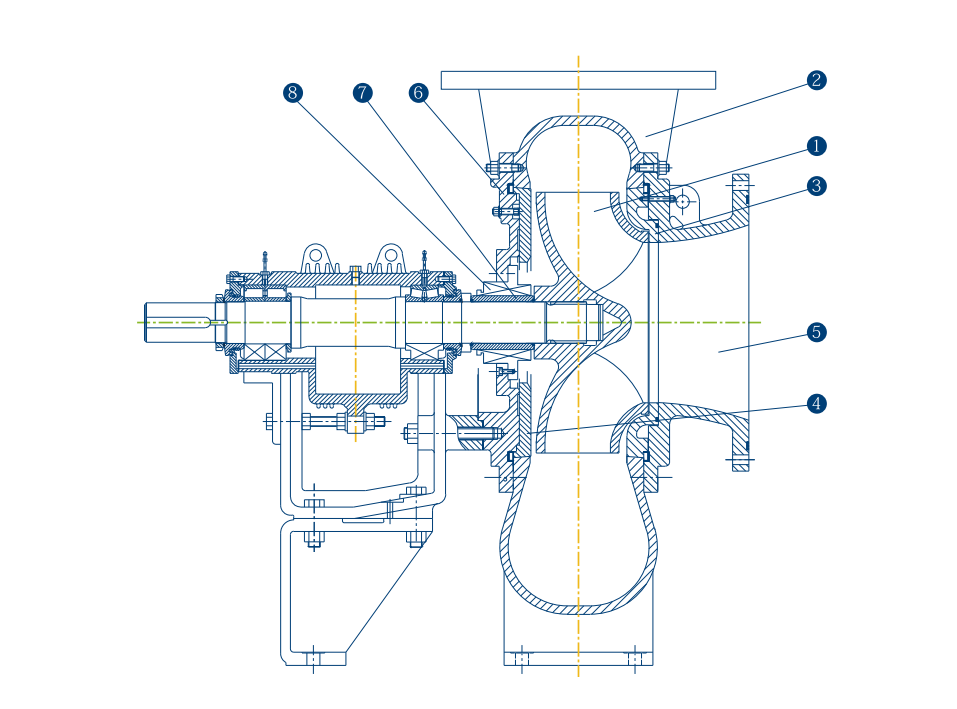
Septic pump systems are a critical component of decentralized wastewater treatment, serving areas not connected to centralized municipal sewer systems. These systems rely on a pump to transfer wastewater from a septic tank to a leach field for further treatment and dispersal into the surrounding soil. Their technical position within the water and wastewater management industry chain lies between primary wastewater treatment (septic tank) and secondary treatment/soil absorption (leach field). Core performance metrics revolve around pumping capacity (gallons per minute - GPM), total dynamic head (TDH - the vertical distance the pump can lift water), solids handling capability, and energy efficiency. A key industry pain point is pump failure due to solids buildup, corrosion, and inadequate sizing, leading to system backups and environmental concerns. Proper system design, material selection, and preventative maintenance are therefore paramount for reliable operation. Increasingly stringent environmental regulations related to groundwater contamination further emphasize the need for robust and efficient septic pump systems.
Material Science & Manufacturing
The materials used in septic pump systems are selected for their resistance to corrosive wastewater components and durability. Pump housings are commonly constructed from cast iron (ASTM A48 Class 30), stainless steel (304 or 316 grades – ASTM A240), or engineered plastics like polypropylene. Impellers are often made from high-strength, abrasion-resistant materials like stainless steel or thermoset polymers. Seals are crucial and typically employ materials like Viton (fluoroelastomer) or EPDM (ethylene propylene diene monomer) for compatibility with a wide range of chemicals present in wastewater. Manufacturing processes vary depending on the component. Pump housings are often produced using sand casting followed by machining for precise dimensions. Impellers are commonly manufactured via investment casting or injection molding for plastic components. Shafts are precision-machined from steel alloys (AISI 1045) and heat-treated for increased strength and wear resistance. Critical parameter control during manufacturing includes dimensional accuracy of impeller vanes, surface finish on pump housings to minimize friction, and proper seal installation to prevent leakage. Weld quality (if applicable) is assessed using non-destructive testing methods like radiography or ultrasonic testing (ASTM E709). Solids handling capability is significantly influenced by impeller design; open impellers are preferred for handling stringy or fibrous materials often found in septic systems.
Performance & Engineering
The performance of a septic pump system is dictated by hydraulic principles and system design. Force analysis focuses on calculating the total dynamic head (TDH) – encompassing static lift, friction losses in piping, and pressure required at the leach field. Pump selection must accurately match the TDH and required flow rate. Environmental resistance is paramount; pumps must operate reliably in potentially corrosive and abrasive wastewater environments. Corrosion prevention strategies include the use of corrosion-resistant materials and, in some cases, sacrificial anodes. Electrical components require appropriate ingress protection (IP) ratings (e.g., IP68 – completely dust-tight and protected against the effects of continuous immersion in water) to prevent failure due to moisture. Compliance requirements vary by location but generally include adherence to local health codes and environmental regulations. National Sanitation Foundation (NSF) certification (NSF 40) demonstrates compliance with stringent standards for septic system components. Functional implementation involves careful consideration of pump control systems – including float switches to automatically activate and deactivate the pump based on liquid level in the septic tank. Proper vent sizing and piping configurations are essential to prevent air locking and ensure efficient operation. The pump curve provided by the manufacturer is crucial for ensuring the pump operates within its optimal efficiency range.
Technical Specifications
| Parameter | Typical Range (Residential Systems) | Typical Range (Commercial Systems) | Testing Standard |
|---|---|---|---|
| Flow Rate (GPM) | 20-50 | 50-200+ | ANSI/NSF 40 |
| Total Dynamic Head (TDH) | 20-80 ft | 80-200+ ft | Hydraulic Institute Standards |
| Motor Horsepower (HP) | 1/2 - 1 HP | 1 - 5 HP+ | NEMA MG 1 |
| Solids Handling Capacity | Up to 2” Spherical Solids | Up to 3” Spherical Solids | Manufacturer Specifications |
| Voltage | 120V / 240V | 240V / 480V | IEC 60038 |
| Pump Material | Cast Iron / Stainless Steel | Stainless Steel (316) | ASTM A48 / ASTM A240 |
Failure Mode & Maintenance
Septic pump systems are susceptible to several failure modes. Fatigue cracking of pump housings can occur due to cyclical stress. Solids buildup within the pump impeller and volute reduces pumping efficiency and can lead to motor overload. Delamination of impeller vanes (particularly in plastic impellers) can result in reduced flow and increased vibration. Degradation of seals (Viton, EPDM) due to chemical attack leads to leakage and potential motor damage. Oxidation of metallic components, especially in systems with high sulfide levels, contributes to corrosion. Preventative maintenance is crucial. Regular inspections (every 6-12 months) should include checking for leaks, unusual noises, and proper float switch operation. Pump stations should be cleaned periodically to remove accumulated solids. Impellers and housings should be inspected for wear and corrosion. Seal replacement is recommended on a scheduled basis (typically every 2-3 years). Electrical connections should be checked for corrosion and tightness. Proper system venting is essential to prevent air locking, a common cause of pump failure. Avoid pumping abrasive materials; consider installing a pre-filter if necessary. Keep detailed maintenance records for tracking performance and identifying potential issues.
Industry FAQ
Q: What is the optimal pump size for a 4-bedroom home with a septic system?
A: Determining the optimal pump size requires a detailed hydraulic analysis. However, as a general guideline, a 4-bedroom home typically requires a pump with a flow rate of 30-40 GPM and a TDH of 40-60 feet. It is critical to accurately calculate the TDH, considering the vertical lift and friction losses in the piping system. Undersizing the pump leads to insufficient flow, while oversizing can reduce efficiency and cause cycling.
Q: How do I address frequent pump failures due to solids buildup?
A: Frequent pump failures caused by solids buildup suggest an issue with the septic tank’s performance or an influx of inappropriate materials into the system. Ensure the septic tank is regularly pumped (every 3-5 years). Consider installing a pre-filter upstream of the pump to remove larger solids. Avoid flushing non-biodegradable items (e.g., wipes, feminine hygiene products) down the toilet. A solids-handling pump with an open impeller design is also recommended.
Q: What are the benefits of using a stainless-steel pump versus a cast iron pump?
A: Stainless steel pumps offer superior corrosion resistance compared to cast iron, making them ideal for aggressive wastewater environments. While cast iron pumps are generally more cost-effective initially, stainless steel pumps have a longer lifespan and require less maintenance, reducing long-term costs. Stainless steel pumps are particularly recommended in areas with high sulfide concentrations or corrosive soil conditions.
Q: What are the common causes of pump motor overheating?
A: Pump motor overheating can be caused by several factors, including low voltage, overloaded motor (due to solids buildup or excessive TDH), inadequate ventilation, and worn bearings. Check the voltage supply to the pump. Ensure the pump is not operating beyond its rated capacity. Verify that the pump station is adequately ventilated. Inspect the motor bearings for wear and replace them if necessary.
Q: How often should the pump station be inspected for potential problems?
A: The pump station should be inspected at least every six months, and ideally every three months, as part of a preventative maintenance program. Inspections should include checking for leaks, unusual noises, proper float switch operation, and verifying the electrical connections. Maintaining a detailed inspection log can help identify trends and potential issues before they escalate into major failures.
Conclusion
Septic pump systems are complex and integral components of decentralized wastewater treatment. Selecting the correct pump, constructed from appropriate materials, and ensuring accurate system design based on hydraulic principles are essential for long-term reliability. Understanding potential failure modes and implementing a robust preventative maintenance program are critical for minimizing downtime and environmental impact.
Future advancements in septic pump technology are focused on improved energy efficiency, remote monitoring capabilities, and more robust solids handling features. The implementation of smart pump controls and predictive maintenance algorithms promises to further optimize system performance and reduce operating costs. Continued adherence to evolving industry standards and best practices will be paramount for ensuring the effective and environmentally responsible management of wastewater in areas relying on septic systems.
-
Comprehensive Guide to Waterproof ORings for Optimal Sealing Solutions
News2026-06-09
-
basement plumbing pump Performance Engineering
News2026-06-14
-
water submersible pump Performance Engineering
News2026-06-14
-
Septic Systems with Pumps Performance Analysis
News2026-06-14
-
Septic Pump Systems Performance Analysis
News2026-06-14
-
septic ejector pump Material Science and Manufacturing
News2026-06-14
-
septic effluent pump Performance and Engineering
News2026-06-13
-
ejector sump pump Performance Engineering
News2026-06-13
-
Wastewater Pump Performance Analysis
News2026-06-13
-
waste water pumps Material Science Manufacturing
News2026-06-13
-
submersible sewage pumps Material Science Manufacturing
News2026-06-13
-
submersable pumps Performance Analysis
News2026-06-12
-
submerge pump Performance Analysis
News2026-06-12
-
Septic Tank Lift Pump Performance Analysis
News2026-06-12
-
Septic System Pump Replacement Performance Analysis
News2026-06-12




