English
- Afrikaans
- Albanian
- Amharic
- Arabic
- Armenian
- Azerbaijani
- Basque
- Belarusian
- Bengali
- Bosnian
- Bulgarian
- Catalan
- Cebuano
- Corsican
- Croatian
- Czech
- Danish
- Dutch
- English
- Esperanto
- Estonian
- Finnish
- French
- Frisian
- Galician
- Georgian
- German
- Greek
- Gujarati
- Haitian Creole
- hausa
- hawaiian
- Hebrew
- Hindi
- Miao
- Hungarian
- Icelandic
- igbo
- Indonesian
- irish
- Italian
- Japanese
- Javanese
- Kannada
- kazakh
- Khmer
- Rwandese
- Korean
- Kurdish
- Kyrgyz
- Lao
- Latin
- Latvian
- Lithuanian
- Luxembourgish
- Macedonian
- Malgashi
- Malay
- Malayalam
- Maltese
- Maori
- Marathi
- Mongolian
- Myanmar
- Nepali
- Norwegian
- Norwegian
- Occitan
- Pashto
- Persian
- Polish
- Portuguese
- Punjabi
- Romanian
- Russian
- Samoan
- Scottish Gaelic
- Serbian
- Sesotho
- Shona
- Sindhi
- Sinhala
- Slovak
- Slovenian
- Somali
- Spanish
- Sundanese
- Swahili
- Swedish
- Tagalog
- Tajik
- Tamil
- Tatar
- Telugu
- Thai
- Turkish
- Turkmen
- Ukrainian
- Urdu
- Uighur
- Uzbek
- Vietnamese
- Welsh
- Bantu
- Yiddish
- Yoruba
- Zulu

Telephone: +86 13120555503
Email: frank@cypump.com


Apr . 01, 2024 17:55 Back to list
Septic Pump System Performance Analysis
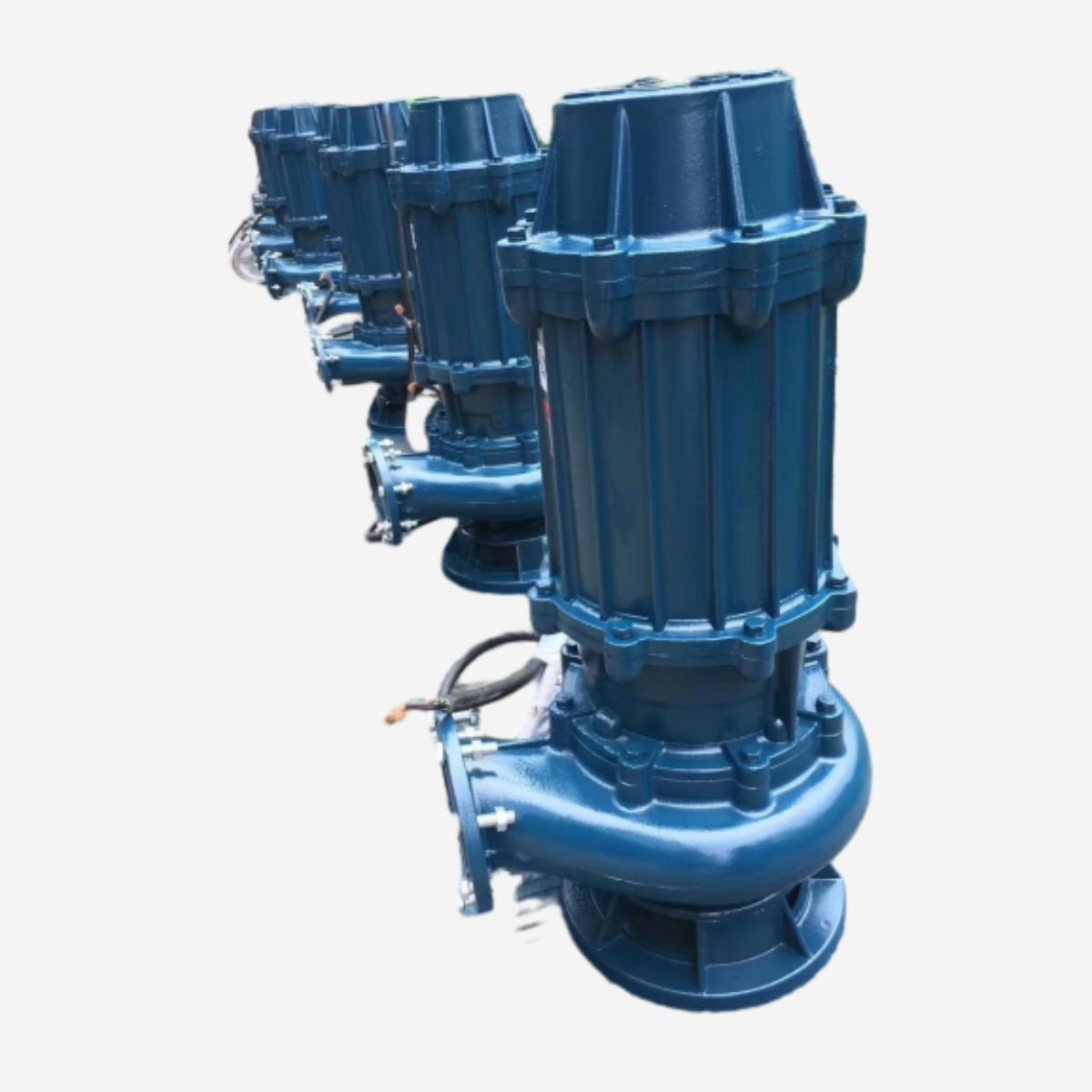
Introduction
Septic pump systems are a critical component of decentralized wastewater treatment, serving properties not connected to municipal sewer networks. These systems rely on a pump to transfer effluent from a septic tank to a drainfield for further treatment and dispersal into the soil. The technical position of a septic pump system is defined by its role in maintaining hydraulic balance, preventing solids carryover, and ensuring consistent, reliable effluent distribution. Core performance characteristics include pumping capacity (gallons per minute), total dynamic head (TDH), solids handling capability, energy efficiency, and overall system longevity. Failure to adequately address these parameters leads to system backups, environmental contamination, and costly repairs. This guide provides an in-depth examination of septic pump systems, encompassing material science, manufacturing processes, performance engineering, failure modes, and industry standards.
Material Science & Manufacturing
Septic pump systems utilize a range of materials selected for their durability, corrosion resistance, and compatibility with wastewater. Pump housings are commonly constructed from engineered thermoplastics such as polypropylene (PP) or high-density polyethylene (HDPE) due to their excellent chemical resistance to hydrogen sulfide, sulfates, and organic acids present in septic effluent. Impellers and diffusers are frequently made from reinforced Noryl (a modified PPO) or stainless steel (316SS) for enhanced abrasion resistance and structural integrity. Seals, critical for preventing leakage, are typically manufactured from elastomers like nitrile butadiene rubber (NBR) or Viton (fluoroelastomer) based on temperature and chemical compatibility requirements. The manufacturing process varies depending on the component. Pump housings are often produced using injection molding, a process requiring precise temperature and pressure control to ensure dimensional accuracy and material homogeneity. Impellers can be manufactured using investment casting or machining from solid stock. Welded construction is utilized for certain pump components and discharge piping, demanding qualified welding procedures adhering to AWS D1.1 standards. Critical parameters during manufacturing include material purity, mold temperature, cooling rate, and weld quality. Post-manufacturing, components undergo rigorous quality control inspections, including hydrostatic testing, dimensional checks, and material certification to ensure compliance with performance specifications. The choice of material also directly affects the system’s resistance to anaerobic digester corrosion, a common issue in septic tank environments.
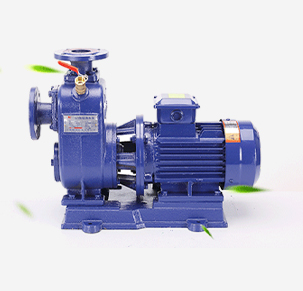
Performance & Engineering
Performance of a septic pump system is governed by hydraulic principles and engineering considerations. Key parameters include flow rate (Q), total dynamic head (TDH), and pump efficiency (η). TDH is the sum of static lift (vertical distance effluent is pumped), friction losses (due to pipe diameter, length, and fittings), and pressure requirements at the drainfield. Force analysis is crucial in designing the pump’s impeller and volute to maximize hydraulic efficiency and minimize cavitation. The Bernoulli equation and Darcy-Weisbach equation are fundamental in calculating head loss and optimizing pipe sizing. Environmental resistance is a significant factor; the system must withstand varying temperatures, soil conditions, and potential chemical attack from the effluent. Compliance requirements, dictated by local and national regulations, dictate minimum pump performance standards, alarm functionality, and effluent quality limits. Functional implementation necessitates careful consideration of pump sizing, control system integration (float switches, timers, pressure transducers), and alarm systems to prevent system overload and ensure reliable operation. Properly engineered systems also incorporate check valves to prevent backflow and protect the pump from water hammer.
Technical Specifications
| Parameter | Units | Typical Range | Testing Standard |
|---|---|---|---|
| Flow Rate | GPM (Gallons Per Minute) | 40-120 | ANSI/ASME B73.1 |
| Total Dynamic Head | Feet | 20-100 | Hydraulic Institute Standards |
| Motor Horsepower | HP | 1/2 - 2 | NEMA MG 1 |
| Solids Handling Capability | Inches | Up to 2 | Manufacturer Specification |
| Voltage | Volts | 120/240/480 | UL 508A |
| Minimum Submergence | Inches | 18 | Manufacturer Specification |
Failure Mode & Maintenance
Septic pump systems are susceptible to several failure modes. Fatigue cracking of the impeller, often due to solids abrasion and cavitation, is a common issue. Delamination of the pump housing can occur due to material degradation or manufacturing defects. Clogging of the impeller or discharge piping due to grease, lint, and other debris leads to reduced flow and eventual pump failure. Seal failure results in leakage and potential motor damage. Oxidation and corrosion of metallic components, especially in aggressive effluent environments, contributes to structural weakening and eventual failure. Preventative maintenance is crucial for maximizing system lifespan. Regular inspection of the pump, control panel, and discharge piping is essential. Periodic cleaning of the pump intake and impeller prevents clogging. Lubrication of motor bearings and seal replacement are recommended based on manufacturer specifications. Monitoring pump run times and alarm logs provides valuable insight into system performance and potential problems. Addressing issues like excessive run cycles or frequent alarms promptly prevents catastrophic failures. Regular septic tank pumping is also critical to minimize solids loading on the pump. When replacing components, always use OEM-specified parts to ensure compatibility and performance. Proper electrical grounding and surge protection are essential to prevent motor burnout.
Industry FAQ
Q: What is the typical lifespan of a septic pump, and what factors influence it?
A: A properly maintained septic pump typically lasts between 7-10 years. Lifespan is influenced by the solids content of the wastewater, pump run frequency, operating conditions (temperature, chemical exposure), and the quality of the pump’s materials and construction. Consistent maintenance, including regular cleaning and inspections, can significantly extend the pump’s service life.
Q: How do I determine the correct pump size for my septic system?
A: Pump sizing requires calculating the total dynamic head (TDH) and desired flow rate. TDH considers static lift, friction losses, and pressure requirements. Flow rate is determined by the drainfield’s absorption capacity and the number of fixtures served. Consult a qualified septic system professional or utilize pump selection software to ensure accurate sizing.
Q: What are the common causes of septic pump alarms, and how should they be addressed?
A: Common alarms include high water level (indicating pump failure or overload), high pressure (indicating clogging), and power failure. High water level alarms necessitate immediate inspection of the pump for blockages or motor failure. High pressure alarms suggest a blockage in the discharge line. Power failure requires checking the circuit breaker and electrical connections.
Q: What type of control system is best suited for a septic pump?
A: A float switch system is the most common and reliable control method. Multiple floats provide redundancy and prevent pump dry-running. Timer-based systems are also used, but may be less responsive to varying effluent levels. More advanced systems incorporate pressure transducers and variable frequency drives (VFDs) for optimal energy efficiency and performance.
Q: What are the environmental consequences of a failing septic pump system?
A: A failing septic pump system can lead to untreated or partially treated wastewater surfacing, contaminating groundwater and surface water sources. This can pose risks to public health and the environment, including the spread of pathogens and nutrient pollution. Regular maintenance and timely repairs are crucial for preventing environmental contamination.
Conclusion
Septic pump systems represent a critical infrastructure element for decentralized wastewater management. Their reliable operation depends on a convergence of robust material selection, precision manufacturing, and diligent engineering principles. Understanding the underlying hydraulic forces, potential failure modes, and relevant industry standards is paramount for ensuring long-term performance and environmental protection.
Looking ahead, advancements in pump technology, such as smart pumps with remote monitoring capabilities and improved energy efficiency, will further enhance the reliability and sustainability of septic systems. Proactive maintenance programs, coupled with adherence to stringent regulatory requirements, remain the cornerstone of effective septic system management. The continuous evolution of materials science will also yield more durable and corrosion-resistant components, extending system lifespans and reducing lifecycle costs.
-
Comprehensive Guide to Waterproof ORings for Optimal Sealing Solutions
News2026-06-09
-
Septic Pump Replacement Performance Analysis
News2026-06-10
-
Septic Pump Price Performance Analysis
News2026-06-10
-
pumps for septic systems Material Science Manufacturing
News2026-06-10
-
ejector pumps for basement bathrooms Performance Analysis
News2026-06-10
-
Ejector Pump Cost Analysis
News2026-06-10
-
drainage pumps Performance and Engineering
News2026-06-09
-
basement bathroom ejector pump Material Science
News2026-06-09
-
Sewer Ejector Pump Cost Performance Analysis
News2026-06-09
-
Septic Tank Pump Replacement Performance Analysis
News2026-06-09
-
septic sump pump Performance and Engineering
News2026-06-09
-
Septic Pump System Performance Analysis
News2026-06-08
-
pump for septic Material Science
News2026-06-08
-
basement sewer pump Performance Analysis
News2026-06-08
-
submerged pump Performance Engineering
News2026-06-08




