English
- Afrikaans
- Albanian
- Amharic
- Arabic
- Armenian
- Azerbaijani
- Basque
- Belarusian
- Bengali
- Bosnian
- Bulgarian
- Catalan
- Cebuano
- Corsican
- Croatian
- Czech
- Danish
- Dutch
- English
- Esperanto
- Estonian
- Finnish
- French
- Frisian
- Galician
- Georgian
- German
- Greek
- Gujarati
- Haitian Creole
- hausa
- hawaiian
- Hebrew
- Hindi
- Miao
- Hungarian
- Icelandic
- igbo
- Indonesian
- irish
- Italian
- Japanese
- Javanese
- Kannada
- kazakh
- Khmer
- Rwandese
- Korean
- Kurdish
- Kyrgyz
- Lao
- Latin
- Latvian
- Lithuanian
- Luxembourgish
- Macedonian
- Malgashi
- Malay
- Malayalam
- Maltese
- Maori
- Marathi
- Mongolian
- Myanmar
- Nepali
- Norwegian
- Norwegian
- Occitan
- Pashto
- Persian
- Polish
- Portuguese
- Punjabi
- Romanian
- Russian
- Samoan
- Scottish Gaelic
- Serbian
- Sesotho
- Shona
- Sindhi
- Sinhala
- Slovak
- Slovenian
- Somali
- Spanish
- Sundanese
- Swahili
- Swedish
- Tagalog
- Tajik
- Tamil
- Tatar
- Telugu
- Thai
- Turkish
- Turkmen
- Ukrainian
- Urdu
- Uighur
- Uzbek
- Vietnamese
- Welsh
- Bantu
- Yiddish
- Yoruba
- Zulu

Telephone: +86 13120555503
Email: frank@cypump.com


Apr . 01, 2024 17:55 Back to list
Septic Pump Prices Performance Analysis
Introduction
Septic pumps are critical components in wastewater management systems, responsible for the efficient transfer of effluent from septic tanks to drain fields. Their pricing is a complex function of several factors, including pump type (grinder, effluent, or submersible), flow rate capacity, total dynamic head (TDH), materials of construction, and automation features. This guide provides a comprehensive technical overview of septic pump pricing, delving into material science, manufacturing processes, performance characteristics, potential failure modes, and relevant industry standards. Understanding these elements is paramount for informed procurement decisions within the decentralized wastewater treatment sector. Current market volatility in raw materials, particularly stainless steel and engineered plastics, significantly impacts pricing. Furthermore, regulatory changes concerning effluent discharge quality are driving demand for more sophisticated and, consequently, more expensive pump systems. This guide will focus on the technical basis for cost differentiation, rather than purely market pricing fluctuations.
Material Science & Manufacturing
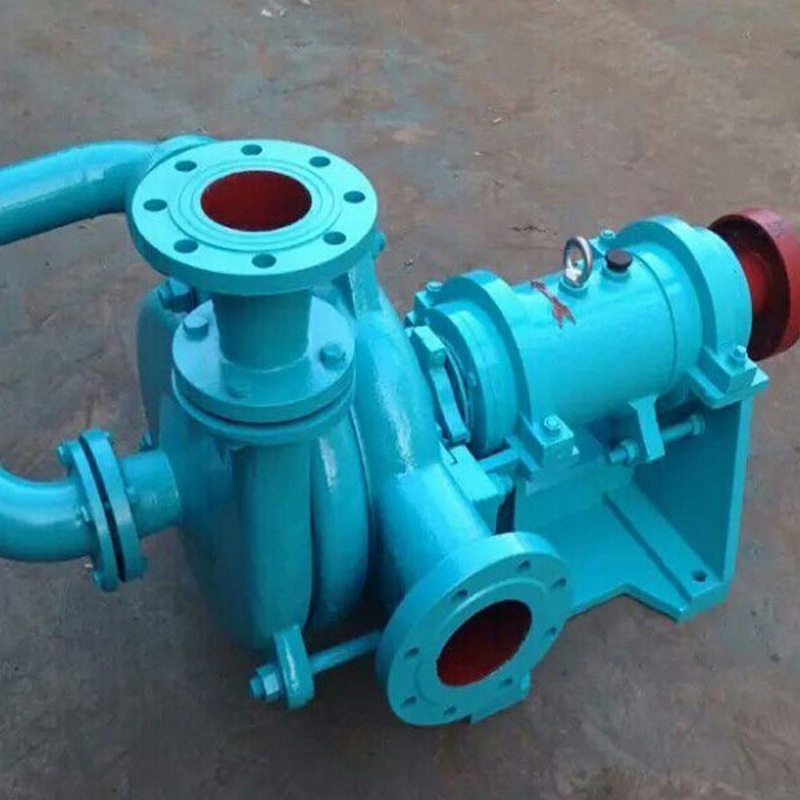
The cost of a septic pump is heavily influenced by the materials used in its construction. Pump housings are commonly constructed from engineered plastics (polypropylene, polyethylene) for lower-cost applications or stainless steel (304, 316) for enhanced durability and corrosion resistance. 316 stainless steel, containing molybdenum, exhibits superior chloride resistance, crucial in environments with high salinity or aggressive soil conditions, and therefore commands a higher price. Impellers are often made of Noryl, a polyphenylene oxide (PPO) blend, chosen for its high strength, rigidity, and resistance to abrasive particles commonly found in septic effluent. Grinder pumps, designed to macerate solid waste, utilize hardened steel or tungsten carbide cutting components, substantially increasing material cost. Manufacturing processes also contribute significantly to price. Rotational molding is used for plastic housings, offering cost-effectiveness for large production runs, while stainless steel housings are typically formed through investment casting or welding. Welding requires highly skilled labor and stringent quality control (radiographic inspection, dye penetrant testing) to ensure structural integrity and leak-proof performance. Motor components, particularly stator windings and bearing assemblies, necessitate precision manufacturing techniques and high-grade materials (copper, silicon steel) and contribute substantially to the overall cost. The sealing materials used (Viton, EPDM) also impact price due to their chemical resistance and longevity requirements.
Performance & Engineering
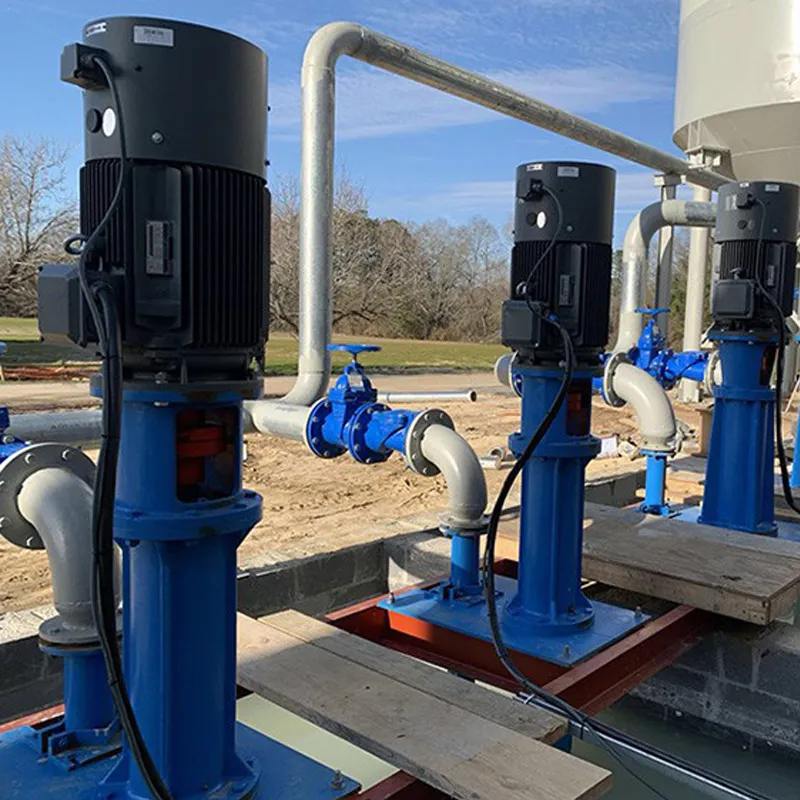
Septic pump performance is primarily dictated by flow rate (gallons per minute – GPM) and total dynamic head (TDH, in feet). TDH represents the total height the pump can lift the liquid, considering friction losses in the piping system and elevation changes. Pumps are engineered to operate within specific performance curves, and selecting a pump that doesn’t match the system’s hydraulic requirements leads to inefficiency and premature failure. Force analysis is crucial in pump design, particularly in impeller and shaft construction. Finite element analysis (FEA) is employed to optimize component geometries, minimizing stress concentrations and preventing fatigue cracking. Environmental resistance is a key engineering consideration. Pump housings must withstand constant exposure to corrosive elements present in septic effluent, including hydrogen sulfide (H2S), sulfates, and organic acids. The motor housing requires robust ingress protection (IP68 rating is common) to prevent water damage and electrical shorts. Compliance with local and national regulations governing wastewater discharge is paramount. Pumps must meet effluent quality standards, which may necessitate the inclusion of filtration systems or advanced treatment technologies integrated with the pump system. Pump control systems, ranging from simple float switches to sophisticated variable frequency drives (VFDs), further impact pricing. VFDs allow for precise control of pump speed, optimizing energy efficiency and extending pump life.
Technical Specifications
| Pump Type | Flow Rate (GPM) | Total Dynamic Head (TDH) (ft) | Motor Horsepower (HP) |
|---|---|---|---|
| Effluent Pump (Submersible) | 50-120 | 50-100 | 1/2 - 1 |
| Grinder Pump | 75-150 | 70-150 | 3/4 - 1.5 |
| Low-Pressure Sewer Pump | 150-300 | 100-200 | 2-5 |
| Centrifugal Pump (Surface Mount) | 60-200 | 80-180 | 1-7.5 |
| Stainless Steel Construction (316) - Price Premium | Variable | Variable | Variable |
| VFD Integration - Price Premium | Variable | Variable | Variable |
Failure Mode & Maintenance
Septic pump failures commonly stem from several factors. Impeller abrasion due to solid particulate matter is a frequent cause, particularly in systems lacking adequate pre-filtration. Corrosion, especially in pumps constructed from less resistant materials, leads to housing weakening and eventual leakage. Motor failures can result from overheating (due to dry running or insufficient cooling), winding insulation breakdown, or bearing wear. Seal failures are common, leading to fluid leakage and potential motor damage. Fatigue cracking in the pump housing or impeller can occur due to cyclical loading and stress concentrations. Regular maintenance is crucial for extending pump life. This includes periodic inspection of the impeller for wear, cleaning of the pump intake screen, lubrication of motor bearings, and testing of the float switch mechanism. Preventive maintenance programs, incorporating scheduled inspections and component replacements, can significantly reduce the risk of catastrophic failures. Failure analysis should include visual inspection for corrosion, crack propagation, and wear patterns. Oil analysis can detect bearing wear and contamination. Electrical testing should verify motor winding integrity and insulation resistance. Proper pump sizing and system design are also crucial preventative measures.
Industry FAQ
Q: What is the impact of solids handling capability on septic pump price?
A: Pumps with higher solids handling capabilities, such as grinder pumps, are significantly more expensive due to the use of hardened cutting components and more robust impeller designs. The increased complexity of the cutting mechanism and the need for higher torque motors contribute to the higher cost.
Q: How does the material of the pump housing affect the overall cost and longevity?
A: Stainless steel housings (particularly 316 grade) are considerably more expensive than plastic housings but offer superior corrosion resistance and durability, extending the pump’s service life in aggressive environments. While the initial investment is higher, the reduced risk of failure and replacement can result in lower lifecycle costs.
Q: What is the price difference associated with adding a VFD to a septic pump system?
A: Integrating a VFD typically adds 20-40% to the pump system cost. While expensive, VFDs offer significant energy savings and pump protection by allowing precise speed control, reducing wear and tear and extending pump life.
Q: Are there significant price variations based on the pump’s horsepower rating?
A: Yes, pump price increases substantially with horsepower. The cost of the motor, its windings, and associated electrical components escalate rapidly with increased power output. Higher horsepower pumps also often require more robust pump housings and support structures.
Q: What role does the pump’s certifications (e.g., NSF/ANSI 61) play in its price?
A: Pumps certified to NSF/ANSI 61, which ensures compliance with drinking water system health effects standards, typically carry a premium due to the rigorous testing and quality control required to obtain certification. This certification assures customers of the pump’s suitability for use in potable water applications.
Conclusion
The pricing of septic pumps is a multifaceted issue driven by material selection, manufacturing complexity, performance specifications, and integrated features. Understanding the engineering principles and material science underpinning pump construction is essential for making informed procurement decisions. The initial purchase price should not be the sole determining factor; lifecycle costs, including maintenance, energy consumption, and potential replacement costs, must be carefully considered.
Future trends in septic pump technology are likely to focus on increased energy efficiency, improved solids handling capabilities, and enhanced remote monitoring and control systems. Advancements in materials science, such as the development of more corrosion-resistant alloys and polymers, will continue to influence pump pricing and longevity. Furthermore, the growing emphasis on sustainable wastewater management practices will drive demand for innovative pump solutions that minimize environmental impact.
-
Comprehensive Guide to Waterproof ORings for Optimal Sealing Solutions
News2026-06-09
-
submergable pump Material Science
News2026-06-23
-
sewer injection pump Performance Engineering
News2026-06-23
-
Sewer Ejector Pump System Performance Analysis
News2026-06-23
-
septic tank pump for sale Performance Engineering
News2026-06-23
-
septic pump for sale Performance Engineering
News2026-06-23
-
septic ejector system Performance Analysis
News2026-06-22
-
replace septic pump Performance Analysis
News2026-06-22
-
pump system septic tank Performance Analysis
News2026-06-22
-
lift pump for sewer Performance and Engineering
News2026-06-22
-
industrial submersible water pump Material Science
News2026-06-22
-
industrial submersible pumps Material Science and Manufacturing
News2026-06-21
-
best sewer ejector pump Performance Analysis
News2026-06-21
-
best septic pump Performance Analysis
News2026-06-21
-
1 2 hp septic pump Performance Engineering
News2026-06-21




