English
- Afrikaans
- Albanian
- Amharic
- Arabic
- Armenian
- Azerbaijani
- Basque
- Belarusian
- Bengali
- Bosnian
- Bulgarian
- Catalan
- Cebuano
- Corsican
- Croatian
- Czech
- Danish
- Dutch
- English
- Esperanto
- Estonian
- Finnish
- French
- Frisian
- Galician
- Georgian
- German
- Greek
- Gujarati
- Haitian Creole
- hausa
- hawaiian
- Hebrew
- Hindi
- Miao
- Hungarian
- Icelandic
- igbo
- Indonesian
- irish
- Italian
- Japanese
- Javanese
- Kannada
- kazakh
- Khmer
- Rwandese
- Korean
- Kurdish
- Kyrgyz
- Lao
- Latin
- Latvian
- Lithuanian
- Luxembourgish
- Macedonian
- Malgashi
- Malay
- Malayalam
- Maltese
- Maori
- Marathi
- Mongolian
- Myanmar
- Nepali
- Norwegian
- Norwegian
- Occitan
- Pashto
- Persian
- Polish
- Portuguese
- Punjabi
- Romanian
- Russian
- Samoan
- Scottish Gaelic
- Serbian
- Sesotho
- Shona
- Sindhi
- Sinhala
- Slovak
- Slovenian
- Somali
- Spanish
- Sundanese
- Swahili
- Swedish
- Tagalog
- Tajik
- Tamil
- Tatar
- Telugu
- Thai
- Turkish
- Turkmen
- Ukrainian
- Urdu
- Uighur
- Uzbek
- Vietnamese
- Welsh
- Bantu
- Yiddish
- Yoruba
- Zulu

Telephone: +86 13120555503
Email: frank@cypump.com


Apr . 01, 2024 17:55 Back to list
Septic Pump Price Performance Analysis
Introduction
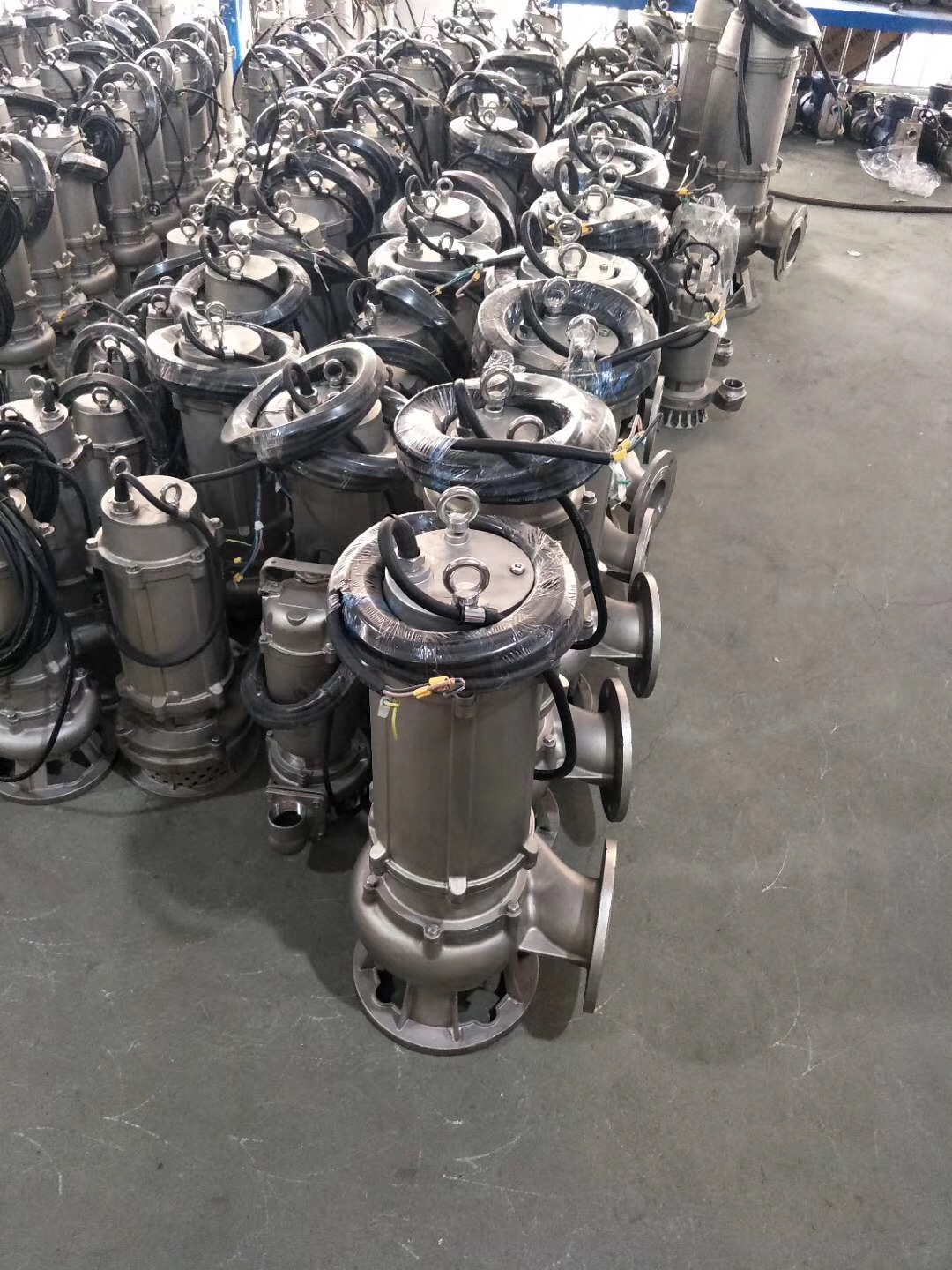
Septic pumps are critical components within wastewater management systems, specifically designed to efficiently transfer effluent from septic tanks to drain fields. Their selection and optimal operation are directly impacted by several factors including hydraulic head, flow rate requirements, solids handling capacity, and environmental considerations. The 'septic pump price' reflects a complex interplay of these design specifications, material choices, pump technology (e.g., centrifugal, positive displacement), and the manufacturer's brand reputation. Unlike simpler transfer pumps, septic pumps must reliably handle a wide range of wastewater constituents, including fibrous materials, grease, and inorganic solids, while remaining corrosion resistant. The industry faces core pain points related to pump longevity in corrosive environments, energy efficiency, and minimizing the risk of drain field failure due to pump malfunction. This guide provides a comprehensive technical overview of septic pumps, covering material science, manufacturing processes, performance characteristics, common failure modes, and relevant industry standards, all contextualized by the considerations impacting price points.
Material Science & Manufacturing
Septic pump construction typically utilizes materials chosen for their resistance to the corrosive nature of wastewater. Common materials include cast iron (ASTM A48 Class 30), stainless steel (304L, 316 – specifying molybdenum content for increased chloride resistance), and engineered polymers like polypropylene (PP) and polyvinyl chloride (PVC). Cast iron, while economical, requires robust protective coatings (epoxy, fusion-bonded epoxy) to mitigate corrosion. Stainless steel offers superior corrosion resistance but at a higher cost; 316 stainless steel is preferred for systems exposed to seawater or high chloride concentrations. Polymers are used for housings, impellers (in lower-demand applications), and check valves. The manufacturing process for cast iron components involves sand casting followed by machining and coating application. Stainless steel components are often produced via investment casting or CNC machining. Impellers are frequently manufactured using injection molding (for polymers) or lost-wax casting (for metals). A crucial parameter in impeller design is surface finish – smoother surfaces reduce friction and improve hydraulic efficiency. Wastewater solids necessitate the incorporation of robust wear-resistant materials or coatings on impeller vanes. Seal materials are a critical factor. Mechanical seals commonly utilize silicon carbide faces against tungsten carbide seats, with elastomers like Viton or EPDM providing the secondary seal; material selection is driven by chemical compatibility with the anticipated wastewater composition. Proper heat treatment of metallic components is paramount to prevent cracking and ensure dimensional stability. Pump housings are often assembled using gasketed flanges, requiring precise machining to ensure leak-proof seals.
Performance & Engineering
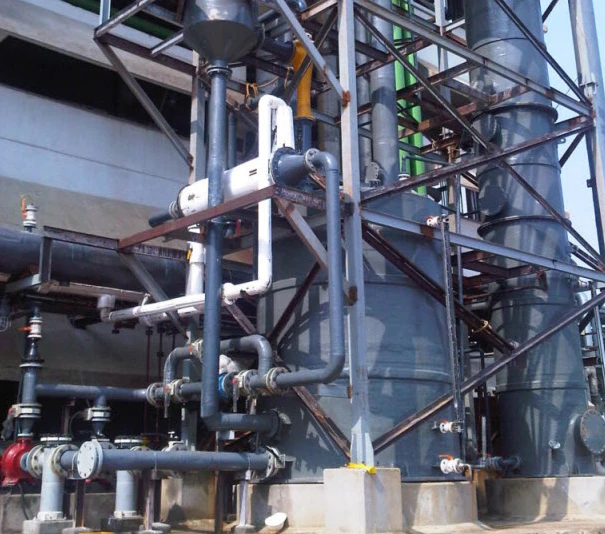
Septic pump performance is primarily defined by its head-capacity curve, which illustrates the relationship between the flow rate (gallons per minute – GPM) and the total dynamic head (TDH) the pump can generate. TDH includes static lift (vertical distance the fluid is pumped), friction losses in the piping system, and any pressure at the discharge point. Pump sizing is critical to ensure adequate flow to the drain field without causing over-pressurization or cavitation. Force analysis considers the impeller's centrifugal force, the hydrostatic pressure of the wastewater, and the mechanical stresses induced by the pump's rotating components. Environmental resistance is a major concern; pumps must operate reliably in potentially flooded environments and withstand temperature fluctuations. Compliance requirements include adherence to NSF/ANSI 42 standards for wastewater treatment products, ensuring the pump materials are safe for contact with wastewater and do not leach harmful substances. Electrical safety standards (UL, CSA) are also mandatory. Pump control systems often incorporate float switches to automatically activate and deactivate the pump based on liquid level in the septic tank. Advanced systems utilize variable frequency drives (VFDs) to adjust pump speed, optimizing energy consumption and extending pump life. Pump curves are generated through rigorous hydraulic testing, measuring flow rate and head at various impeller speeds. The Net Positive Suction Head Required (NPSHr) is a critical parameter – the system must provide sufficient NPSH available to prevent cavitation, which can severely damage the impeller.
Technical Specifications
| Parameter | Unit | Typical Range (Residential) | Typical Range (Commercial) |
|---|---|---|---|
| Flow Rate | GPM | 20-60 | 100-500 |
| Total Dynamic Head | ft | 10-50 | 50-200 |
| Motor Horsepower | HP | 1/2 - 1 | 2-10 |
| Solids Handling Capability | in | Up to 2 | Up to 4 |
| Voltage | V | 115/230 | 230/460 |
| Pump Material (Housing) | - | Cast Iron/Polypropylene | Stainless Steel (316) |
Failure Mode & Maintenance
Common septic pump failure modes include impeller wear due to abrasive solids, seal failure leading to leakage, motor burnout due to overheating or electrical issues, and corrosion of metallic components. Fatigue cracking can occur in the pump housing or impeller due to cyclic loading. Delamination of epoxy coatings is a frequent issue in cast iron pumps. Degradation of elastomers in seals and check valves is accelerated by exposure to chemicals present in wastewater. Oxidation of stainless steel can occur in low-oxygen environments. Failure analysis typically involves visual inspection, non-destructive testing (e.g., ultrasonic testing for cracks), and metallurgical examination of failed components. Preventative maintenance is critical. This includes regular inspection of seals, bearings, and electrical connections; cleaning of pump inlets to remove debris; and monitoring of pump performance parameters (flow rate, pressure, current draw). Annual pump servicing by a qualified technician is recommended. Proper backflow prevention is essential to protect the pump from solids and debris. Periodic testing of float switches ensures proper operation of the pump control system. Replacement of worn impellers and seals is a routine maintenance task. In cases of motor failure, rewind or replacement may be necessary. Correct pump sizing and proper system design are the first lines of defense against premature failure.
Industry FAQ
Q: What is the expected lifespan of a typical residential septic pump?
A: The expected lifespan of a residential septic pump varies depending on usage and maintenance, but typically ranges from 7 to 10 years. Aggressive wastewater composition, infrequent maintenance, and improper sizing can significantly reduce lifespan.
Q: How does pump material affect the 'septic pump price'?
A: Pumps constructed from stainless steel (particularly 316) are significantly more expensive than those made from cast iron or polypropylene due to the higher material cost and more complex manufacturing processes. However, the increased lifespan and reduced maintenance requirements often justify the higher initial investment.
Q: What are the key considerations when selecting a pump with a VFD?
A: VFDs offer energy savings, but require careful selection to match the motor characteristics and pump application. Compatibility with the pump motor, proper VFD enclosure rating for the operating environment, and accurate programming of the VFD parameters are crucial.
Q: What is the importance of NPSHr and NPSHa in septic pump applications?
A: Maintaining adequate NPSHa (Net Positive Suction Head Available) is vital to prevent cavitation. If NPSHa is less than NPSHr (Net Positive Suction Head Required), the pump will cavitate, leading to impeller damage and reduced performance.
Q: What maintenance is required for mechanical seals in septic pumps?
A: Regular inspection for leaks is essential. Seals should be replaced when signs of wear or leakage are observed. Maintaining proper lubrication and ensuring the wastewater is relatively free of abrasive solids can extend seal life.
Conclusion
The 'septic pump price' is a direct reflection of the interplay between material selection, manufacturing precision, performance specifications, and anticipated service life. Choosing the appropriate pump requires a thorough understanding of the wastewater characteristics, hydraulic head requirements, and long-term operational costs. Prioritizing corrosion resistance, efficient hydraulic design, and robust construction will ultimately lead to a more reliable and cost-effective solution.
Future developments in septic pump technology are focused on improving energy efficiency through advanced impeller designs and intelligent control systems. Increased adoption of remote monitoring and diagnostic capabilities will enable proactive maintenance and minimize downtime. Furthermore, research into novel materials with enhanced corrosion resistance and abrasion resistance will continue to drive down lifecycle costs and improve the overall performance of septic pump systems.
-
Comprehensive Guide to Waterproof ORings for Optimal Sealing Solutions
News2026-06-09
-
Septic Pump Replacement Performance Analysis
News2026-06-10
-
Septic Pump Price Performance Analysis
News2026-06-10
-
pumps for septic systems Material Science Manufacturing
News2026-06-10
-
ejector pumps for basement bathrooms Performance Analysis
News2026-06-10
-
Ejector Pump Cost Analysis
News2026-06-10
-
drainage pumps Performance and Engineering
News2026-06-09
-
basement bathroom ejector pump Material Science
News2026-06-09
-
Sewer Ejector Pump Cost Performance Analysis
News2026-06-09
-
Septic Tank Pump Replacement Performance Analysis
News2026-06-09
-
septic sump pump Performance and Engineering
News2026-06-09
-
Septic Pump System Performance Analysis
News2026-06-08
-
pump for septic Material Science
News2026-06-08
-
basement sewer pump Performance Analysis
News2026-06-08
-
submerged pump Performance Engineering
News2026-06-08




