English
- Afrikaans
- Albanian
- Amharic
- Arabic
- Armenian
- Azerbaijani
- Basque
- Belarusian
- Bengali
- Bosnian
- Bulgarian
- Catalan
- Cebuano
- Corsican
- Croatian
- Czech
- Danish
- Dutch
- English
- Esperanto
- Estonian
- Finnish
- French
- Frisian
- Galician
- Georgian
- German
- Greek
- Gujarati
- Haitian Creole
- hausa
- hawaiian
- Hebrew
- Hindi
- Miao
- Hungarian
- Icelandic
- igbo
- Indonesian
- irish
- Italian
- Japanese
- Javanese
- Kannada
- kazakh
- Khmer
- Rwandese
- Korean
- Kurdish
- Kyrgyz
- Lao
- Latin
- Latvian
- Lithuanian
- Luxembourgish
- Macedonian
- Malgashi
- Malay
- Malayalam
- Maltese
- Maori
- Marathi
- Mongolian
- Myanmar
- Nepali
- Norwegian
- Norwegian
- Occitan
- Pashto
- Persian
- Polish
- Portuguese
- Punjabi
- Romanian
- Russian
- Samoan
- Scottish Gaelic
- Serbian
- Sesotho
- Shona
- Sindhi
- Sinhala
- Slovak
- Slovenian
- Somali
- Spanish
- Sundanese
- Swahili
- Swedish
- Tagalog
- Tajik
- Tamil
- Tatar
- Telugu
- Thai
- Turkish
- Turkmen
- Ukrainian
- Urdu
- Uighur
- Uzbek
- Vietnamese
- Welsh
- Bantu
- Yiddish
- Yoruba
- Zulu

Telephone: +86 13120555503
Email: frank@cypump.com


Apr . 01, 2024 17:55 Back to list
septic pump for sale Performance Engineering
Introduction
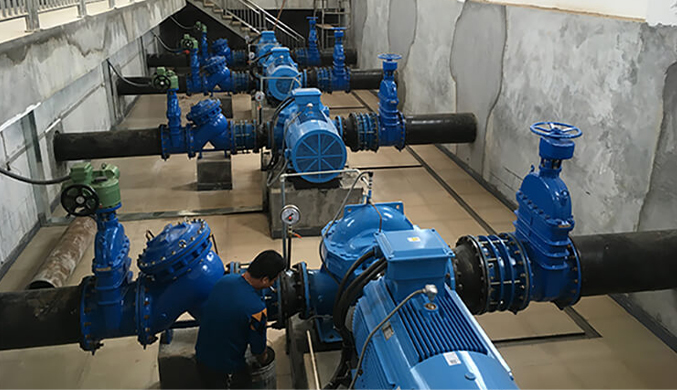
Septic pumps, integral components of wastewater management systems, are designed to efficiently transfer effluent from septic tanks to drain fields. Their role transcends simple fluid conveyance; they represent a critical barrier against environmental contamination and public health hazards. Within the decentralized wastewater treatment industry, septic pumps occupy a specific niche, functioning as the essential link between the primary treatment stage (the septic tank) and the secondary treatment (soil-based systems or advanced treatment units). Core performance parameters include flow rate, head pressure, solids handling capability, and operational efficiency, all of which directly impact the longevity and effectiveness of the entire septic system. The current market focuses on pumps utilizing submersible motor designs for reliability and ease of installation, with a growing demand for energy-efficient models and those incorporating advanced alarm and control features. Proper pump selection and installation are paramount, considering factors like tank size, drain field characteristics, and local regulations. Failure to do so can result in system failure, costly repairs, and potential environmental consequences.
Material Science & Manufacturing
The construction of septic pumps relies heavily on materials exhibiting robust corrosion resistance, high tensile strength, and resistance to abrasive wear. Pump housings are commonly fabricated from engineered thermoplastics such as polypropylene or high-density polyethylene (HDPE), offering excellent chemical resistance to the diverse compounds found in septic effluent. Impellers and volute components are often constructed from stainless steel (typically 304 or 316 stainless steel, with 316 offering superior chloride resistance), cast iron with epoxy coatings, or durable polymer composites. Shafts are generally manufactured from 4140 alloy steel, heat treated for enhanced strength and wear resistance. Seals typically utilize materials like Viton or EPDM rubber for compatibility with wastewater constituents. Manufacturing processes involve rotational molding for housings, investment casting or sand casting for metallic components, and precision machining for close-tolerance parts. Welding processes (specifically shielded metal arc welding - SMAW or gas tungsten arc welding - GTAW) are utilized for constructing pump bases and supporting structures. Key parameter control during manufacturing focuses on dimensional accuracy of impeller blades to optimize hydraulic efficiency, uniformity of coating thickness for corrosion protection, and proper heat treatment of steel components to achieve desired mechanical properties. The quality of the polymeric materials is strictly monitored for molecular weight distribution and impact resistance, directly affecting long-term durability. Electrode deposition, for example, to create a protective coating on the impeller, must be consistently applied to prevent corrosion.
Performance & Engineering
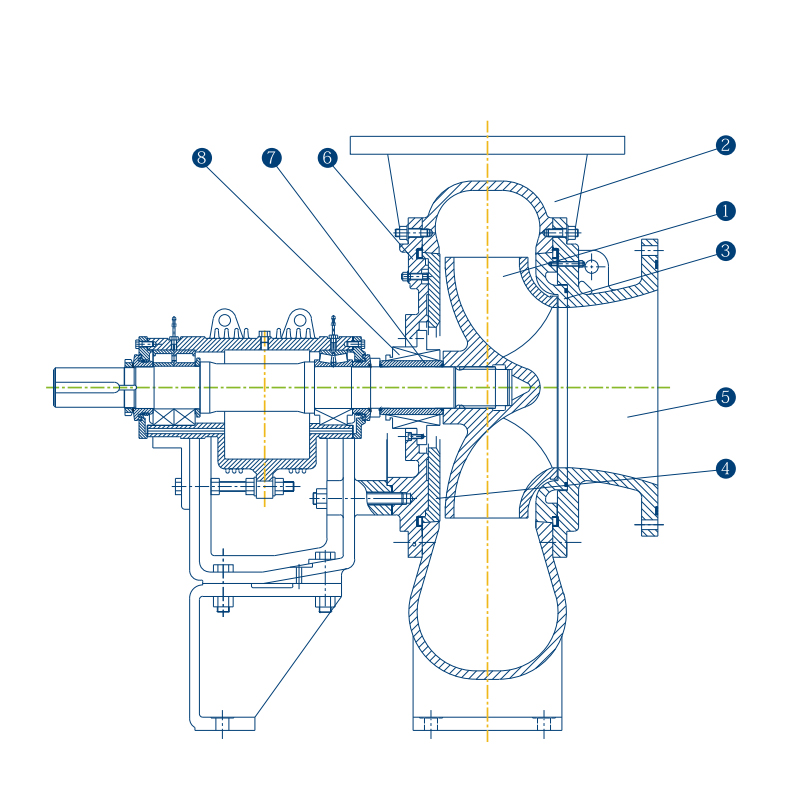
Septic pump performance is fundamentally governed by hydraulic principles and motor characteristics. Force analysis centers on understanding the centrifugal forces generated by the impeller, the frictional losses within the pump housing and piping, and the static head (vertical distance) the pump must overcome. Pump curves, detailing flow rate versus head, are essential for proper system design. Environmental resistance is a crucial consideration; pumps must withstand continuous submersion in corrosive wastewater, fluctuating temperatures, and potential exposure to harsh chemicals. Compliance requirements are dictated by local and national regulations regarding wastewater discharge and environmental protection (e.g., NSF/ANSI standards). Functional implementation involves selecting a pump with appropriate horsepower (HP) and flow rate to match the septic system's design capacity. Consideration must be given to the solids handling capability of the pump, particularly for systems prone to solids accumulation. Pump control systems, including float switches and pressure transducers, regulate pump operation based on liquid level in the septic tank, preventing both overflow and dry running, which can damage the pump. The impeller design, specifically the blade angle and number of blades, influences the pump’s efficiency and its ability to handle solids. A properly engineered system also accounts for pipe diameter and material selection to minimize friction losses and ensure adequate flow. Voltage and phase requirements (single-phase or three-phase) must be aligned with the available power supply.
Technical Specifications
| Parameter | Unit | Typical Range (Residential) | Typical Range (Commercial) |
|---|---|---|---|
| Flow Rate | Gallons Per Minute (GPM) | 20-60 | 100-300+ |
| Total Dynamic Head | Feet | 10-30 | 40-100+ |
| Motor Horsepower | HP | 1/2 - 1 | 1.5 - 5+ |
| Solids Handling | Inches | Up to 1.5 | Up to 2+ |
| Voltage | Volts | 120/240 | 208-230/460 |
| Phase | - | Single | Three |
Failure Mode & Maintenance
Septic pump failures commonly stem from several mechanisms. Fatigue cracking can occur in impeller blades or pump housings due to cyclical loading and stress concentration. Solids accumulation leading to impeller blockage is a frequent issue, particularly in systems lacking adequate pre-filtration. Corrosion, especially in metallic components exposed to sulfide-rich wastewater, can cause material degradation and pump seizure. Seal failure results in leakage and potential motor damage. Electrical failures, including winding shorts and capacitor failures, are also prevalent. Oxidation of electrical connections leads to increased resistance and eventual failure. Routine maintenance is critical for prolonging pump life. This includes regular inspection of float switches, cleaning of pump intake screens, and periodic removal of accumulated solids from the pump basin. Annual inspection by a qualified technician is recommended to assess pump performance, check for corrosion, and verify proper electrical connections. Preventive maintenance should also include lubrication of motor bearings (if applicable) and replacement of worn seals. Failure analysis, involving visual inspection and component testing, is crucial for identifying the root cause of pump failures and implementing corrective actions. Early detection of unusual noises, reduced flow rates, or frequent pump cycling can prevent catastrophic failures.
Industry FAQ
Q: What is the expected lifespan of a typical septic pump?
A: The lifespan of a septic pump varies significantly based on usage, water quality, and maintenance practices. However, a well-maintained residential pump typically lasts between 7-10 years. Commercial pumps, subjected to higher loads and more abrasive effluent, may have a shorter lifespan of 5-7 years.
Q: How do I determine the correct pump size for my septic system?
A: Proper pump sizing requires a thorough assessment of the system’s design capacity, including tank size, drain field size and slope, and the number of bedrooms in the dwelling. A hydraulic calculation is necessary to determine the required flow rate and total dynamic head. Consulting a qualified septic system professional is highly recommended.
Q: What are the common causes of septic pump failures?
A: Common failure causes include solids accumulation, corrosion, seal failure, electrical issues, and fatigue cracking. Proper maintenance, including regular cleaning and inspection, can mitigate many of these risks.
Q: What type of electrical protection is recommended for a septic pump?
A: A dedicated circuit with a ground fault circuit interrupter (GFCI) is essential for protecting the pump and preventing electrical hazards. Proper grounding is also crucial for ensuring safe operation.
Q: Is a pump alarm system necessary?
A: A pump alarm system is highly recommended, as it provides early warning of pump failures, high liquid levels, or other system malfunctions. This allows for prompt corrective action, preventing costly repairs and potential environmental contamination.
Conclusion
Septic pumps are critical components in decentralized wastewater treatment, demanding careful selection, installation, and maintenance. The longevity and performance of these pumps hinge on materials science advancements, precise manufacturing control, and a thorough understanding of hydraulic principles. Proper pump sizing, aligned with the specific characteristics of the septic system, is paramount for ensuring efficient operation and preventing premature failure.
Future trends in septic pump technology are focused on energy efficiency, smart controls, and remote monitoring capabilities. Advanced materials, such as composite polymers with enhanced corrosion resistance, are continuously being developed to extend pump life. Implementing robust alarm systems and proactive maintenance programs will remain essential for safeguarding public health and protecting the environment. The continual refinement of these systems will necessitate a deeper understanding of the complex interplay between pump performance, wastewater characteristics, and long-term system sustainability.
-
Comprehensive Guide to Waterproof ORings for Optimal Sealing Solutions
News2026-06-09
-
submergable pump Material Science
News2026-06-23
-
sewer injection pump Performance Engineering
News2026-06-23
-
Sewer Ejector Pump System Performance Analysis
News2026-06-23
-
septic tank pump for sale Performance Engineering
News2026-06-23
-
septic pump for sale Performance Engineering
News2026-06-23
-
septic ejector system Performance Analysis
News2026-06-22
-
replace septic pump Performance Analysis
News2026-06-22
-
pump system septic tank Performance Analysis
News2026-06-22
-
lift pump for sewer Performance and Engineering
News2026-06-22
-
industrial submersible water pump Material Science
News2026-06-22
-
industrial submersible pumps Material Science and Manufacturing
News2026-06-21
-
best sewer ejector pump Performance Analysis
News2026-06-21
-
best septic pump Performance Analysis
News2026-06-21
-
1 2 hp septic pump Performance Engineering
News2026-06-21




