English
- Afrikaans
- Albanian
- Amharic
- Arabic
- Armenian
- Azerbaijani
- Basque
- Belarusian
- Bengali
- Bosnian
- Bulgarian
- Catalan
- Cebuano
- Corsican
- Croatian
- Czech
- Danish
- Dutch
- English
- Esperanto
- Estonian
- Finnish
- French
- Frisian
- Galician
- Georgian
- German
- Greek
- Gujarati
- Haitian Creole
- hausa
- hawaiian
- Hebrew
- Hindi
- Miao
- Hungarian
- Icelandic
- igbo
- Indonesian
- irish
- Italian
- Japanese
- Javanese
- Kannada
- kazakh
- Khmer
- Rwandese
- Korean
- Kurdish
- Kyrgyz
- Lao
- Latin
- Latvian
- Lithuanian
- Luxembourgish
- Macedonian
- Malgashi
- Malay
- Malayalam
- Maltese
- Maori
- Marathi
- Mongolian
- Myanmar
- Nepali
- Norwegian
- Norwegian
- Occitan
- Pashto
- Persian
- Polish
- Portuguese
- Punjabi
- Romanian
- Russian
- Samoan
- Scottish Gaelic
- Serbian
- Sesotho
- Shona
- Sindhi
- Sinhala
- Slovak
- Slovenian
- Somali
- Spanish
- Sundanese
- Swahili
- Swedish
- Tagalog
- Tajik
- Tamil
- Tatar
- Telugu
- Thai
- Turkish
- Turkmen
- Ukrainian
- Urdu
- Uighur
- Uzbek
- Vietnamese
- Welsh
- Bantu
- Yiddish
- Yoruba
- Zulu

Telephone: +86 13120555503
Email: frank@cypump.com


Apr . 01, 2024 17:55 Back to list
septic pump company Performance Analysis
Introduction
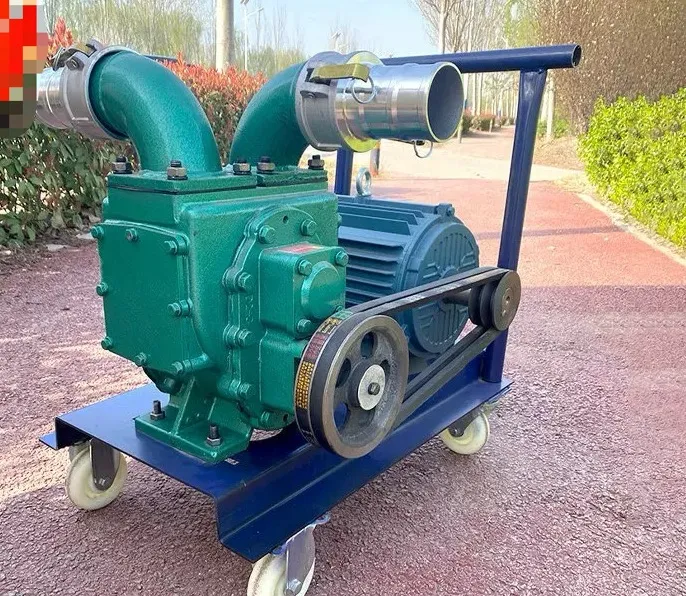
Septic pumps are crucial components in wastewater management systems, specifically designed for applications where gravity-fed drainage is insufficient. These pumps facilitate the transfer of effluent from septic tanks to drain fields, leach beds, or treatment plants. Positioned within the industry chain, septic pumps represent a critical interface between onsite sewage treatment and environmental protection. Their core performance revolves around reliable fluid transfer, solids handling capability, energy efficiency, and longevity in corrosive environments. A primary industry pain point is premature pump failure due to abrasive solids, clogging, and corrosion, leading to costly repairs and potential environmental hazards. This guide provides an in-depth technical analysis of septic pumps, covering material science, manufacturing, performance characteristics, failure modes, and relevant industry standards.
Material Science & Manufacturing
Septic pumps commonly employ a range of materials selected for their resistance to corrosion, abrasion, and biological attack. Pump housings are frequently constructed from cast iron (ASTM A48 Class 30), epoxy-coated ductile iron (for enhanced corrosion resistance), or high-density polyethylene (HDPE) offering excellent chemical resistance but lower structural strength. Impellers are typically manufactured from stainless steel (304 or 316 stainless steel – ASTM A240), polypropylene, or engineered polymers like glass-filled nylon, balancing wear resistance with cost. Shafts are often made from 4140 alloy steel, heat-treated for high tensile strength and fatigue resistance. Seals typically utilize materials like silicon carbide (SiC) against SiC or tungsten carbide (WC) against SiC, providing excellent wear and chemical resistance.
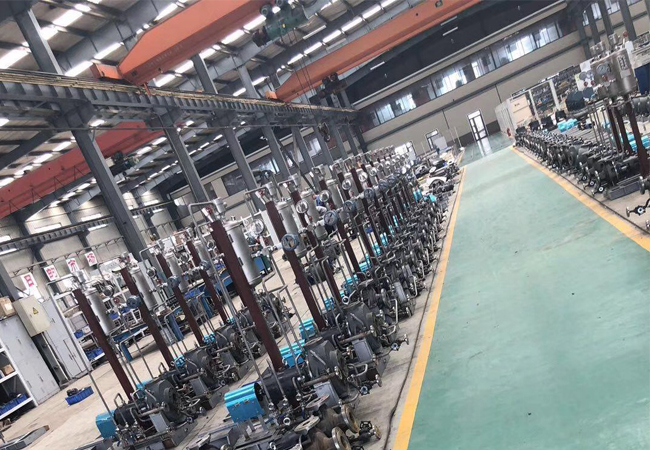
Manufacturing processes vary depending on the component. Cast iron housings are produced via sand casting, followed by machining and potentially epoxy coating. HDPE housings are manufactured using rotational molding, ensuring uniform wall thickness. Impellers are typically investment cast for complex geometries or injection molded for polymeric materials. Shafts are machined from bar stock. Key parameter control during manufacturing includes dimensional accuracy (critical for impeller-housing clearances), surface finish (reducing friction and wear), and coating thickness (for corrosion protection). Welding processes, if employed, must adhere to AWS D1.1 standards to ensure joint integrity. Quality control involves non-destructive testing (NDT) such as radiographic inspection (RT) for castings and visual inspection for surface defects. Proper heat treatment of steel components is verified through hardness testing (Rockwell C scale – ASTM E18).
Performance & Engineering
Septic pump performance is primarily defined by its head (the maximum height the pump can lift the fluid) and flow rate (the volume of fluid pumped per unit time). Force analysis involves evaluating the hydrostatic pressure exerted by the liquid, the dynamic pressure generated by the impeller, and the frictional losses within the pump and piping system. Environmental resistance is crucial; pumps must withstand continuous submersion in wastewater, exposure to hydrogen sulfide (H2S), and fluctuating temperatures. Compliance requirements include adherence to NSF/ANSI 61 standards for materials in contact with potable water (even in septic systems, potential groundwater contamination is a concern) and EPA regulations regarding wastewater discharge. Functional implementation focuses on efficient motor operation (typically TEFC motors – Totally Enclosed Fan Cooled, NEMA standards) and robust mechanical seals to prevent leakage. Pump curves, provided by manufacturers, detail the relationship between head, flow rate, and power consumption. Proper sizing of the pump to the application (considering tank volume, drain field capacity, and static head) is critical to avoid over-pumping or under-pumping. Vibration analysis (ISO 10816) can be used to assess the health of the pump and identify potential bearing failures.
Technical Specifications
| Parameter | Unit | Typical Range (Residential) | Typical Range (Commercial) |
|---|---|---|---|
| Flow Rate | Gallons Per Minute (GPM) | 20-40 | 50-200 |
| Total Dynamic Head | Feet | 10-30 | 30-100 |
| Motor Horsepower | HP | 1/2 - 1 | 1 - 5 |
| Solids Handling Capability | Inches | Up to 2 | Up to 3 |
| Impeller Material | - | Polypropylene or Stainless Steel 304 | Stainless Steel 316 |
| Housing Material | - | Epoxy Coated Ductile Iron or HDPE | Stainless Steel 316 or Epoxy Coated Ductile Iron |
Failure Mode & Maintenance
Common septic pump failure modes include impeller wear (due to abrasive solids), seal failure (leading to leakage and motor damage), motor burnout (caused by overheating or voltage fluctuations), and clogging (from debris like rags and wipes). Fatigue cracking can occur in the pump housing or impeller due to cyclic loading. Delamination of epoxy coatings exposes the underlying metal to corrosion. Biological degradation can affect polymeric components. Oxidation of metal components is a common issue, particularly in environments with high sulfide concentrations.
Preventative maintenance is crucial. Regular inspection (at least annually) should include checking for unusual noises, vibration, and leaks. The pump should be flushed periodically to remove accumulated solids. Seals should be replaced proactively based on operating hours or observed wear. Motor windings should be inspected for insulation breakdown. Electrical connections should be tightened and inspected for corrosion. If clogging occurs, the pump should be disconnected and the intake screened for debris. In cases of severe corrosion, replacement of the pump may be necessary. Regular monitoring of pump run times and energy consumption can provide early warning signs of performance degradation. Always follow the manufacturer’s recommendations for maintenance procedures.
Industry FAQ
Q: What is the impact of H2S on septic pump lifespan?
A: Hydrogen sulfide (H2S) is a corrosive gas commonly found in septic systems. It accelerates corrosion of metal components, particularly copper and iron alloys, leading to premature pump failure. Pumps designed for septic applications often utilize corrosion-resistant materials like stainless steel or epoxy-coated ductile iron to mitigate H2S damage. Regular inspection for corrosion is essential.
Q: How do I properly size a septic pump for my application?
A: Proper sizing requires calculating the total dynamic head (TDH), which includes static head (vertical distance the pump must lift the fluid) and friction losses within the piping system. The required flow rate depends on the size of the septic tank and the drain field’s absorption capacity. Consulting a qualified septic system designer is highly recommended.
Q: What are the advantages of using a stainless steel impeller versus a polypropylene impeller?
A: Stainless steel impellers offer superior wear resistance and durability, making them suitable for applications with high solids content. Polypropylene impellers are more cost-effective and provide good resistance to corrosion, but are less resistant to abrasion. The choice depends on the specific application and budget.
Q: What is the role of the float switch in a septic pump system?
A: The float switch automatically turns the pump on and off based on the liquid level in the septic tank. It prevents the pump from running dry (which can damage the motor) and ensures that the tank doesn’t overflow. Regular inspection and cleaning of the float switch are crucial for reliable operation.
Q: What are the key considerations when selecting a pump with regards to solids handling capability?
A: The solids handling capability refers to the maximum size of solids the pump can pass without clogging. Consider the type and quantity of solids likely to be present in the wastewater. For systems with a high load of rags and wipes, a pump with a larger solids handling capacity is essential. Regular maintenance, including screen cleaning, is also important.
Conclusion
Septic pumps are vital components of decentralized wastewater treatment systems, requiring careful selection, installation, and maintenance. The longevity and reliability of these pumps are dictated by material science, robust manufacturing processes, and a thorough understanding of potential failure modes. Choosing materials resistant to corrosion and abrasion, coupled with regular inspections and preventative maintenance, are paramount for ensuring optimal performance and minimizing environmental risks.
Future advancements in septic pump technology will likely focus on increased energy efficiency, improved solids handling capabilities, and remote monitoring systems for predictive maintenance. Furthermore, the development of more durable and corrosion-resistant materials will continue to extend pump lifespans and reduce overall lifecycle costs. Addressing the inherent challenges of wastewater treatment through innovation and adherence to industry best practices is critical for sustainable environmental protection.
-
Comprehensive Guide to Waterproof ORings for Optimal Sealing Solutions
News2026-06-09
-
septic system sump pump Performance Analysis
News2026-06-26
-
septic pump company Performance Analysis
News2026-06-26
-
pumps water treatment Performance Analysis
News2026-06-26
-
pumps for septic tanks Material Science and Manufacturing
News2026-06-26
-
pump for septic system Material Science Manufacturing
News2026-06-26
-
heavy duty submersible pump Performance Analysis
News2026-06-25
-
best submersible pump for septic tank Performance Analysis
News2026-06-25
-
basement sewer ejector pump Performance Analysis
News2026-06-25
-
basement pumps ejector pumps Performance Analysis
News2026-06-25
-
basement lift pump Performance and Engineering
News2026-06-25
-
basement bathroom pump systems Performance Analysis
News2026-06-24
-
basement bathroom ejector pump system Performance Engineering
News2026-06-24
-
2 hp sewage pump Performance Engineering
News2026-06-24
-
1 hp septic pump Performance Engineering
News2026-06-24




