English
- Afrikaans
- Albanian
- Amharic
- Arabic
- Armenian
- Azerbaijani
- Basque
- Belarusian
- Bengali
- Bosnian
- Bulgarian
- Catalan
- Cebuano
- Corsican
- Croatian
- Czech
- Danish
- Dutch
- English
- Esperanto
- Estonian
- Finnish
- French
- Frisian
- Galician
- Georgian
- German
- Greek
- Gujarati
- Haitian Creole
- hausa
- hawaiian
- Hebrew
- Hindi
- Miao
- Hungarian
- Icelandic
- igbo
- Indonesian
- irish
- Italian
- Japanese
- Javanese
- Kannada
- kazakh
- Khmer
- Rwandese
- Korean
- Kurdish
- Kyrgyz
- Lao
- Latin
- Latvian
- Lithuanian
- Luxembourgish
- Macedonian
- Malgashi
- Malay
- Malayalam
- Maltese
- Maori
- Marathi
- Mongolian
- Myanmar
- Nepali
- Norwegian
- Norwegian
- Occitan
- Pashto
- Persian
- Polish
- Portuguese
- Punjabi
- Romanian
- Russian
- Samoan
- Scottish Gaelic
- Serbian
- Sesotho
- Shona
- Sindhi
- Sinhala
- Slovak
- Slovenian
- Somali
- Spanish
- Sundanese
- Swahili
- Swedish
- Tagalog
- Tajik
- Tamil
- Tatar
- Telugu
- Thai
- Turkish
- Turkmen
- Ukrainian
- Urdu
- Uighur
- Uzbek
- Vietnamese
- Welsh
- Bantu
- Yiddish
- Yoruba
- Zulu

Telephone: +86 13120555503
Email: frank@cypump.com


Apr . 01, 2024 17:55 Back to list
septic ejector system Performance Analysis
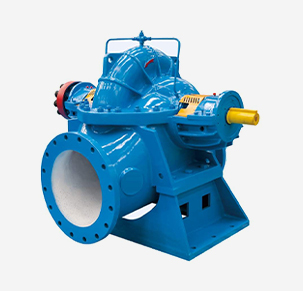
Introduction
Septic ejector systems are critical components in wastewater management for properties not directly connected to a municipal sewer system, particularly those at lower elevations or where gravity flow is insufficient. These systems function as pumps designed to lift wastewater from a septic tank to a higher elevation for subsequent gravity flow to a drain field, or direct connection to a sewer main. Their technical position within the wastewater treatment chain is post-primary treatment (septic tank) and pre-drain field/sewer connection. Core performance characteristics revolve around reliable pumping capacity, solids handling capability, watertight sealing to prevent backflow and environmental contamination, and longevity under constant submersion in a corrosive environment. The industry faces consistent pain points regarding pump failure due to solids buildup, seal degradation, motor burnout from overheating, and difficulties in maintenance accessibility within the septic tank environment. Proper selection and maintenance are paramount to prevent system failure and costly remediation.
Material Science & Manufacturing
The construction of septic ejector systems relies on materials chosen for durability, chemical resistance, and ability to withstand continuous submersion. Pump housings are typically manufactured from engineered thermoplastics such as polypropylene or high-density polyethylene (HDPE), offering resistance to corrosion from hydrogen sulfide, methane, and other byproducts of anaerobic digestion. Impeller materials include stainless steel (304 or 316) or reinforced polymers; stainless steel provides superior abrasion resistance for handling solids, while polymers offer cost savings and reduced weight. Seals are a critical component, typically comprised of Viton or nitrile rubber for resistance to wastewater components and ensuring a watertight seal. Motor housings are often cast iron or aluminum with epoxy coatings for corrosion protection.
Manufacturing processes involve rotational molding for the housing (producing a seamless, robust structure), investment casting or machining for the impeller (achieving precise hydrodynamic profiles), and automated assembly for the pump and float switch components. Welding is used for connecting discharge pipes. Critical parameter control during manufacturing focuses on dimensional accuracy of the impeller for optimal pumping efficiency, material thickness uniformity in the housing for structural integrity, and precise sealing during assembly to prevent leakage. Thermoplastic housings undergo rigorous testing for impact resistance and UV stability to prevent degradation from sunlight exposure during storage or infrequent tank inspections. The quality of the motor windings and the encapsulation process are crucial for preventing motor burnout due to moisture ingress.
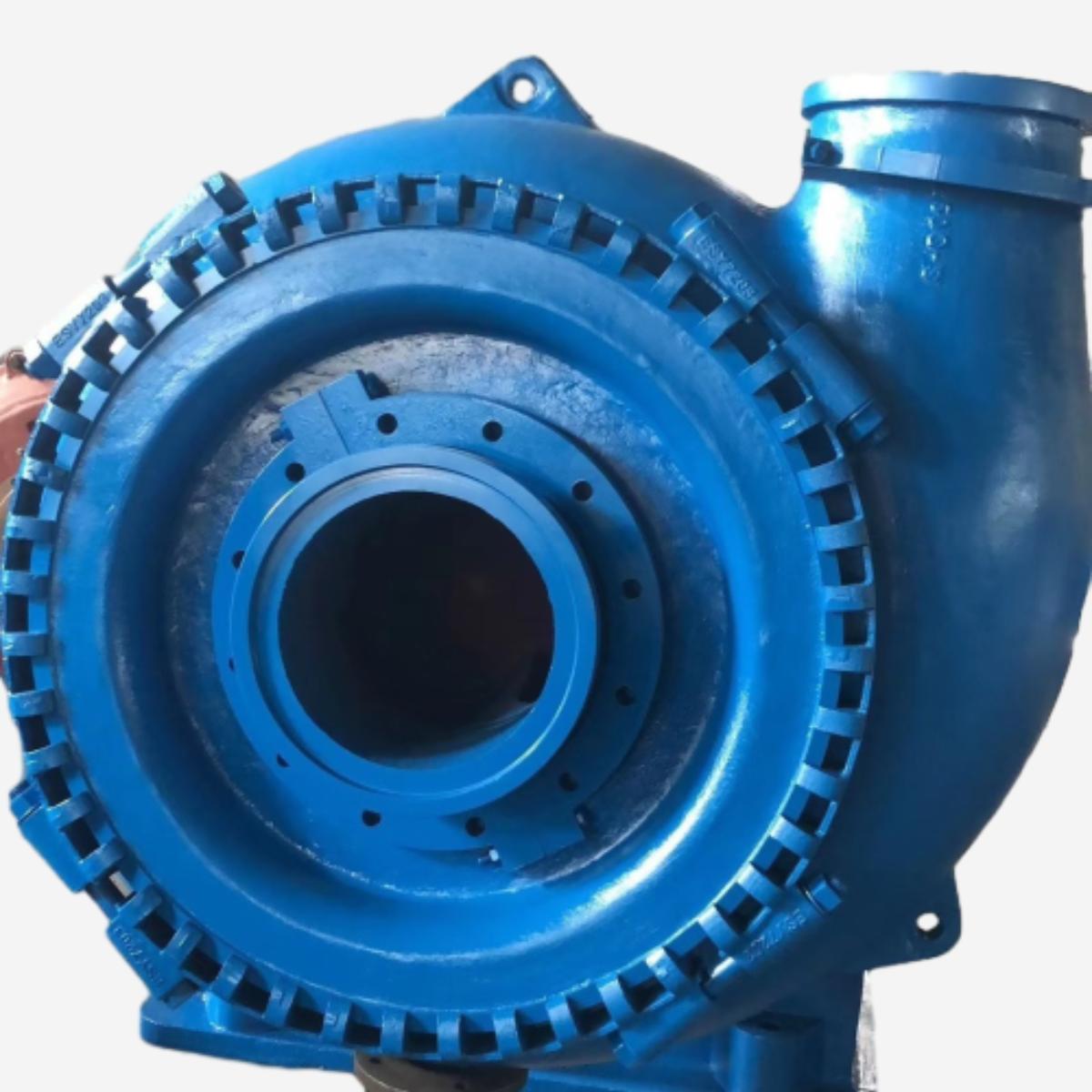
Performance & Engineering
Performance is governed by hydraulic principles, specifically Bernoulli’s principle and the continuity equation. Engineering considerations center around optimizing impeller design for maximizing head (vertical lift) and flow rate while minimizing energy consumption. Force analysis includes centrifugal force acting on the impeller, frictional losses within the piping system, and static head pressure. Systems must accommodate a wide range of wastewater compositions, from predominantly liquid effluent to solids-laden sewage. Environmental resistance requirements involve operating reliably in temperatures ranging from near freezing to elevated temperatures common in warmer climates.
Compliance requirements vary by region but generally adhere to EPA guidelines (in the US) and local plumbing codes. These codes dictate minimum pump capacity based on the number of bedrooms in a dwelling and the anticipated wastewater flow rate. Backflow prevention is a critical safety feature, often implemented with check valves to prevent wastewater from returning into the septic tank or potentially contaminating the potable water supply. Float switch operation relies on buoyancy principles, triggering the pump when the wastewater level reaches a predetermined high point and shutting it off at a low point to prevent dry running. Pump curves (head vs. flow rate) are essential engineering tools for selecting the appropriate pump size for a given application.
Technical Specifications
| Parameter | Unit | Typical Value | Tolerance |
|---|---|---|---|
| Maximum Head | ft | 20 | ±10% |
| Maximum Flow Rate | GPM | 45 | ±5% |
| Motor Horsepower | HP | 1/2 | N/A |
| Voltage | V | 120 | ±10% |
| Solids Handling Capacity | in | 1.5 | N/A |
| Discharge Pipe Size | in | 2 | N/A |
Failure Mode & Maintenance
Common failure modes include impeller clogging due to solids buildup (leading to reduced flow and eventual pump burnout), seal failure resulting in leakage and potential motor damage, motor burnout caused by overheating (often from dry running or excessive cycling), and float switch malfunctions (causing either continuous pump operation or failure to activate). Failure analysis often reveals that impeller clogging is exacerbated by inadequate septic tank maintenance (infrequent pumping of solids). Seal degradation is frequently attributed to chemical attack by hydrogen sulfide or abrasive wear from suspended solids. Motor burnout can be traced to insulation failure, winding shorts, or overheating due to inadequate ventilation.
Preventative maintenance involves regular septic tank pumping (every 3-5 years depending on usage), periodic inspection of the pump and float switch, cleaning of the impeller and pump housing, and lubrication of motor bearings (if applicable). If leakage is detected, the seals should be replaced. If the pump fails to start, the float switch should be tested for proper operation and the electrical connection verified. Annual visual inspections for corrosion or damage to the pump housing and piping are also recommended. Professional servicing should be undertaken for any electrical repairs or motor replacements. Implementing a routine maintenance schedule is the most effective strategy for extending the lifespan of a septic ejector system and avoiding costly emergency repairs.
Industry FAQ
Q: What is the ideal pump curve for a system with a 15-foot vertical lift and an average daily flow of 100 gallons?
A: You’d need a pump capable of delivering at least 100 GPM at a 15-foot head. The pump curve should show a relatively flat performance curve around that operating point to maintain consistent flow even with minor fluctuations in head pressure. A steeper curve could result in significant flow reduction with slight head increases.
Q: What materials are best suited for areas with highly corrosive soil conditions?
A: In highly corrosive soil, a pump housing constructed from reinforced polypropylene or HDPE is recommended over cast iron. Stainless steel (316) impellers are preferable to 304 due to their enhanced corrosion resistance. Also, ensure all exposed metallic components are coated with a corrosion-resistant epoxy.
Q: How often should the check valve be inspected and replaced?
A: The check valve should be inspected annually, and replaced every 3-5 years, or sooner if signs of leakage or deterioration are observed. A failing check valve can cause backflow and put undue stress on the pump motor.
Q: What are the common causes of float switch failure?
A: Common causes include mechanical wear, corrosion of electrical contacts, and buildup of debris interfering with float movement. Regularly cleaning the area around the float switch and periodically testing its operation can help prevent failures.
Q: What safety precautions should be taken during pump maintenance?
A: Always disconnect power to the pump before performing any maintenance. Wear appropriate personal protective equipment (PPE), including gloves and eye protection. Be aware of the potential for hazardous gases within the septic tank and ensure adequate ventilation.
Conclusion
Septic ejector systems represent a crucial element in decentralized wastewater management. Their reliable operation necessitates careful material selection, precise manufacturing control, and adherence to established engineering principles. Understanding the core performance characteristics, potential failure modes, and diligent preventative maintenance protocols are essential for maximizing system lifespan and minimizing environmental impact.
Future advancements in this field may focus on improved pump efficiency, integration of smart monitoring technologies for predictive maintenance, and development of more robust materials resistant to long-term degradation. A proactive approach to system management, coupled with continuous innovation, will ensure the sustainable and effective treatment of wastewater in areas without access to centralized sewer systems.
-
Comprehensive Guide to Waterproof ORings for Optimal Sealing Solutions
News2026-06-09
-
submergable pump Material Science
News2026-06-23
-
sewer injection pump Performance Engineering
News2026-06-23
-
Sewer Ejector Pump System Performance Analysis
News2026-06-23
-
septic tank pump for sale Performance Engineering
News2026-06-23
-
septic pump for sale Performance Engineering
News2026-06-23
-
septic ejector system Performance Analysis
News2026-06-22
-
replace septic pump Performance Analysis
News2026-06-22
-
pump system septic tank Performance Analysis
News2026-06-22
-
lift pump for sewer Performance and Engineering
News2026-06-22
-
industrial submersible water pump Material Science
News2026-06-22
-
industrial submersible pumps Material Science and Manufacturing
News2026-06-21
-
best sewer ejector pump Performance Analysis
News2026-06-21
-
best septic pump Performance Analysis
News2026-06-21
-
1 2 hp septic pump Performance Engineering
News2026-06-21




