English
- Afrikaans
- Albanian
- Amharic
- Arabic
- Armenian
- Azerbaijani
- Basque
- Belarusian
- Bengali
- Bosnian
- Bulgarian
- Catalan
- Cebuano
- Corsican
- Croatian
- Czech
- Danish
- Dutch
- English
- Esperanto
- Estonian
- Finnish
- French
- Frisian
- Galician
- Georgian
- German
- Greek
- Gujarati
- Haitian Creole
- hausa
- hawaiian
- Hebrew
- Hindi
- Miao
- Hungarian
- Icelandic
- igbo
- Indonesian
- irish
- Italian
- Japanese
- Javanese
- Kannada
- kazakh
- Khmer
- Rwandese
- Korean
- Kurdish
- Kyrgyz
- Lao
- Latin
- Latvian
- Lithuanian
- Luxembourgish
- Macedonian
- Malgashi
- Malay
- Malayalam
- Maltese
- Maori
- Marathi
- Mongolian
- Myanmar
- Nepali
- Norwegian
- Norwegian
- Occitan
- Pashto
- Persian
- Polish
- Portuguese
- Punjabi
- Romanian
- Russian
- Samoan
- Scottish Gaelic
- Serbian
- Sesotho
- Shona
- Sindhi
- Sinhala
- Slovak
- Slovenian
- Somali
- Spanish
- Sundanese
- Swahili
- Swedish
- Tagalog
- Tajik
- Tamil
- Tatar
- Telugu
- Thai
- Turkish
- Turkmen
- Ukrainian
- Urdu
- Uighur
- Uzbek
- Vietnamese
- Welsh
- Bantu
- Yiddish
- Yoruba
- Zulu

Telephone: +86 13120555503
Email: frank@cypump.com


Apr . 01, 2024 17:55 Back to list
septic ejector pump Material Science and Manufacturing
Introduction
Septic ejector pumps are critical components in wastewater management systems, specifically designed for installations where gravity alone cannot effectively move sewage to a septic tank or municipal sewer line. These pumps are employed in basements, low-lying areas, or properties with significant elevation differences. Technically, a septic ejector pump is a submersible centrifugal pump integrated with a basin and a float switch system. The basin serves as a collection point for sewage, while the float switch automatically activates the pump when a predetermined liquid level is reached, preventing overflow and ensuring continuous wastewater removal. Unlike standard sewage pumps which grind solids, ejector pumps are designed to handle solids as they are, reliant on a sufficiently sized basin and pump capacity. Their performance directly impacts the efficiency of the entire wastewater system, influencing potential environmental risks and operational costs. A key consideration for proper function is the pump’s ability to overcome static head (vertical lift) and friction losses within the discharge piping.
Material Science & Manufacturing
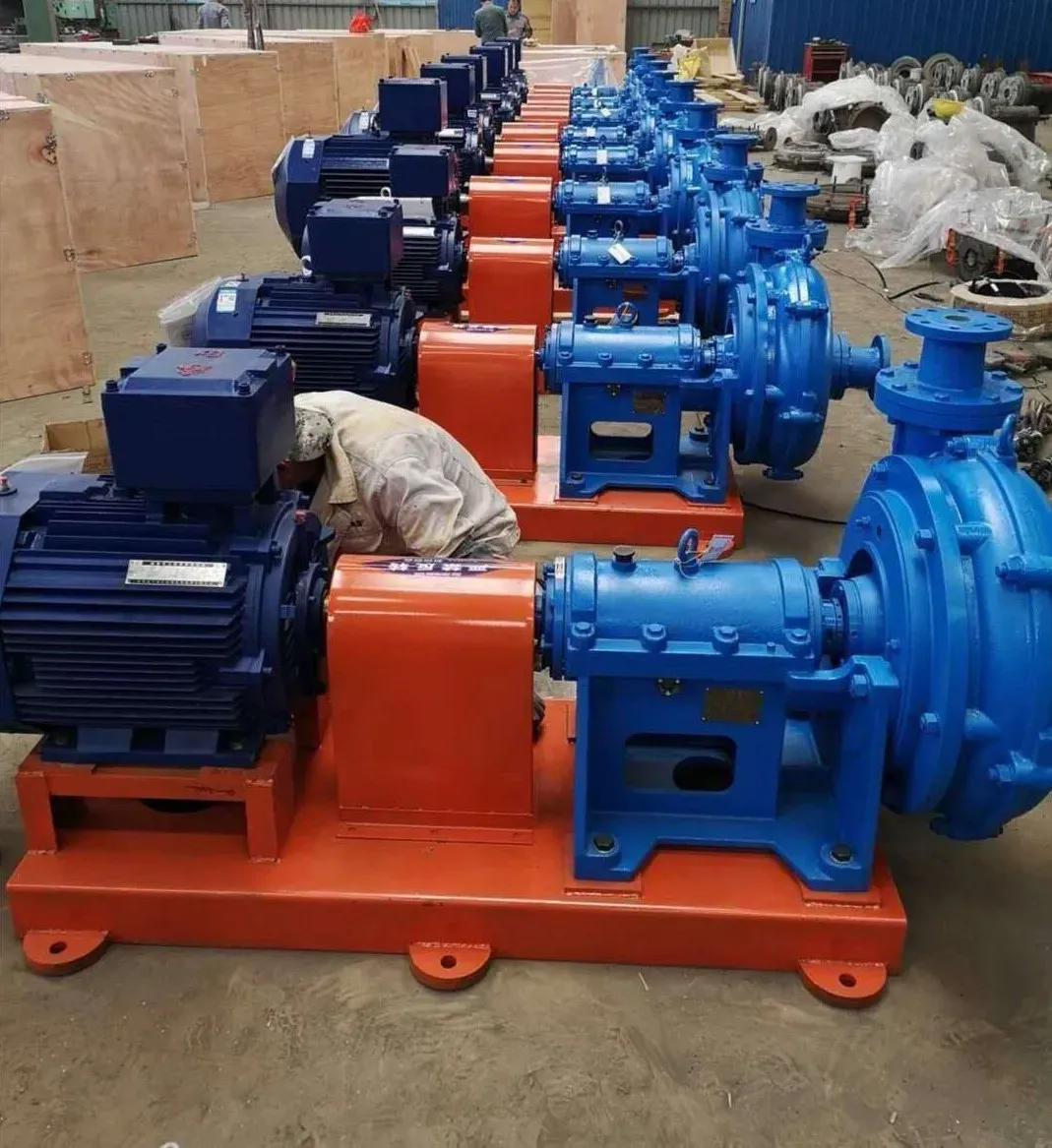
The construction of septic ejector pumps involves a careful selection of materials to ensure durability and resistance to corrosive environments. Pump housings are typically manufactured from high-density polyethylene (HDPE), polypropylene (PP), or cast iron with epoxy coatings. HDPE and PP offer excellent chemical resistance to the various compounds found in sewage, including sulfates, chlorides, and organic acids. Cast iron, while stronger, requires a robust epoxy coating to prevent corrosion. Impellers, responsible for imparting kinetic energy to the fluid, are commonly made from stainless steel (304 or 316 grade), chosen for its high tensile strength, corrosion resistance, and wear resistance. Shafts utilize either 410 stainless steel (heat treated for hardness) or duplex stainless steel for enhanced strength and resistance to pitting corrosion. Seals are critical for preventing leakage and are frequently constructed from nitrile rubber (NBR) or Viton (fluorocarbon rubber) due to their compatibility with wastewater and ability to withstand repeated mechanical stress. Manufacturing processes include rotational molding for plastic basins, sand casting or investment casting for metal components, and precision machining for impeller and shaft fabrication. Welding, utilizing shielded metal arc welding (SMAW) or gas tungsten arc welding (GTAW), is employed for joining metal components. Quality control emphasizes dimensional accuracy, material hardness testing (Rockwell or Vickers), and hydrostatic pressure testing to ensure structural integrity. The float switch mechanisms are often assembled with polypropylene floats and microswitches rated for continuous wet environments.
Performance & Engineering
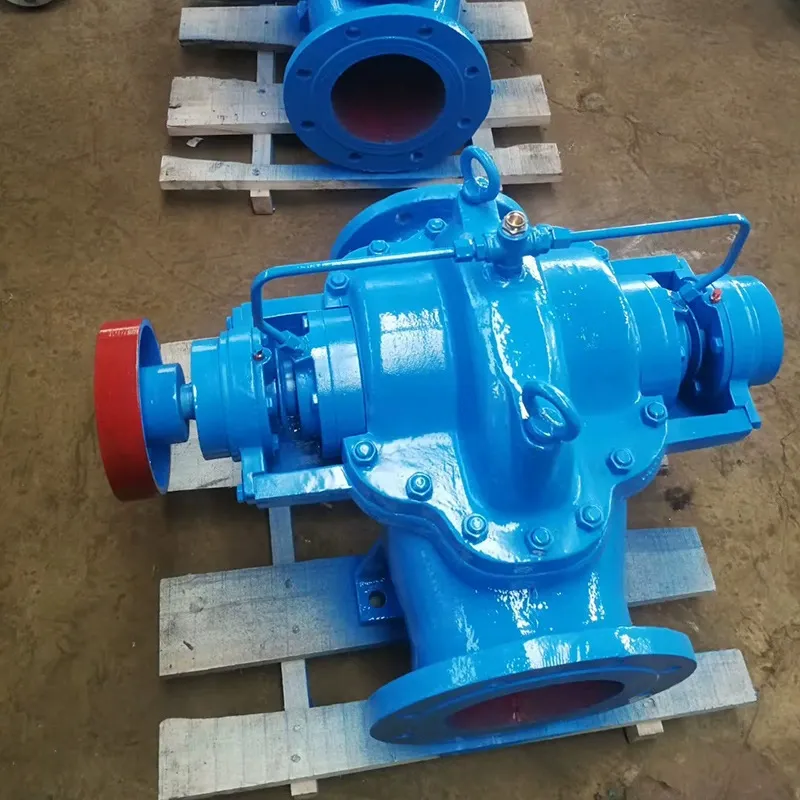
The performance of a septic ejector pump is dictated by several key engineering parameters. Head, measured in feet or meters, represents the maximum vertical distance the pump can lift the wastewater. It’s calculated considering both static head (vertical distance from the pump to the discharge point) and dynamic head (friction losses within the piping). Flow rate, measured in gallons per minute (GPM) or liters per second (LPS), determines the volume of wastewater the pump can discharge per unit time. Pump curves, provided by manufacturers, illustrate the relationship between head and flow rate, demonstrating the pump’s operating characteristics at varying conditions. Power requirements, specified in horsepower (HP) or kilowatts (kW), dictate the electrical energy needed to operate the pump. The National Electrical Code (NEC) mandates specific wiring requirements and overcurrent protection for submersible pumps. Motor design significantly impacts efficiency and longevity; single-phase motors are common for residential applications, while three-phase motors are preferred for higher-capacity commercial systems. Engineering considerations also include pump selection based on total dynamic head (TDH) calculations, accounting for pipe length, diameter, fittings, and elevation changes. Furthermore, the basin volume is crucial; it must be adequately sized to provide sufficient storage capacity and prevent frequent pump cycling, which reduces pump life. The angle of discharge piping is also critical; a gradual upward slope prevents solids from settling and causing blockages.
Technical Specifications
| Parameter | Typical Range (Residential) | Typical Range (Commercial) | Units |
|---|---|---|---|
| Horsepower (HP) | 1/2 - 1 | 1 - 5 | HP |
| Voltage | 115/230V | 230/460V | V |
| Maximum Head | 10 - 20 | 30 - 80 | Feet |
| Maximum Flow Rate | 40 - 70 | 100 - 300 | GPM |
| Discharge Outlet Size | 1.25 - 2 | 2 - 4 | Inches |
| Minimum Basin Volume | 20 | 50 | Gallons |
Failure Mode & Maintenance
Septic ejector pumps are susceptible to several failure modes. A common issue is impeller clogging, caused by the accumulation of non-biodegradable materials (e.g., wipes, feminine hygiene products). This reduces pump efficiency and can lead to motor overheating. Seal failure, resulting in leakage, is often attributed to abrasive particles in the wastewater or degradation of the seal material over time. Motor failure can occur due to electrical issues (e.g., voltage surges, winding shorts) or mechanical stress from excessive cycling or dry running. Float switch malfunctions can cause the pump to run continuously or not at all. Corrosion of metal components, particularly in aggressive wastewater environments, can lead to structural weakness and eventual failure. Preventative maintenance is crucial. Regular inspection of the basin for debris and removal of any obstructions is paramount. Annual inspection of the float switch and cleaning of the switch mechanism prevent malfunctions. Periodic testing of the pump’s discharge rate verifies proper operation. Scheduled motor maintenance, including checking amp draw and insulation resistance, identifies potential electrical issues. The pump should be removed and inspected annually for wear and tear, including impeller condition, seal integrity, and corrosion. If the pump has been allowed to run dry, even briefly, the seals must be inspected and potentially replaced. Proper vent installation on the discharge line prevents vacuum lock and reduces stress on the pump.
Industry FAQ
Q: What is the typical lifespan of a septic ejector pump?
A: The typical lifespan of a septic ejector pump ranges from 7 to 15 years, depending on usage frequency, wastewater composition, and the quality of maintenance. Frequent cycling, the presence of abrasive materials, and infrequent maintenance will shorten the lifespan.
Q: How do I determine the correct pump size for my application?
A: Determining the correct pump size requires calculating the total dynamic head (TDH) – the vertical lift plus friction losses in the piping. Also, you must assess the required flow rate based on the volume of wastewater generated. Consult pump performance curves and manufacturer's sizing guides.
Q: What are the common causes of pump failure and how can they be prevented?
A: Common causes include impeller clogging, seal failure, motor failure, and float switch malfunctions. Prevention involves regular basin cleaning, annual inspections, proper electrical protection, and ensuring the pump doesn’t run dry.
Q: What type of electrical protection is required for a septic ejector pump?
A: A dedicated circuit with a properly sized circuit breaker or fuse is essential. Ground fault circuit interrupter (GFCI) protection is also required, as the pump operates in a wet environment. Refer to the National Electrical Code (NEC) for specific requirements.
Q: Can I use a standard sewage pump in place of an ejector pump?
A: No, a standard sewage pump is not typically suitable for ejector pump applications. Ejector pumps are designed for lifting wastewater from low-lying areas, while sewage pumps are designed to grind solids and pump them horizontally. Using a standard pump in an ejector application can result in insufficient lift and potential pump failure.
Conclusion
Septic ejector pumps are essential components for efficient wastewater management in challenging installations. Their reliable operation hinges on careful material selection, precise manufacturing processes, and diligent maintenance. Understanding the core engineering principles governing pump performance – head, flow rate, and power requirements – is critical for proper system design and operation. By adhering to established industry standards and preventative maintenance schedules, operators can maximize pump lifespan, minimize downtime, and ensure consistent performance.
The future of septic ejector pump technology likely involves advancements in motor efficiency, sensor integration for predictive maintenance, and the development of more robust and corrosion-resistant materials. Smart pump systems, incorporating remote monitoring and control capabilities, will enable proactive management and reduce the risk of catastrophic failures. Continued innovation in impeller design will improve solids handling capabilities and reduce clogging potential. These advancements will collectively contribute to more sustainable and cost-effective wastewater management solutions.
-
Comprehensive Guide to Waterproof ORings for Optimal Sealing Solutions
News2026-06-09
-
basement plumbing pump Performance Engineering
News2026-06-14
-
water submersible pump Performance Engineering
News2026-06-14
-
Septic Systems with Pumps Performance Analysis
News2026-06-14
-
Septic Pump Systems Performance Analysis
News2026-06-14
-
septic ejector pump Material Science and Manufacturing
News2026-06-14
-
septic effluent pump Performance and Engineering
News2026-06-13
-
ejector sump pump Performance Engineering
News2026-06-13
-
Wastewater Pump Performance Analysis
News2026-06-13
-
waste water pumps Material Science Manufacturing
News2026-06-13
-
submersible sewage pumps Material Science Manufacturing
News2026-06-13
-
submersable pumps Performance Analysis
News2026-06-12
-
submerge pump Performance Analysis
News2026-06-12
-
Septic Tank Lift Pump Performance Analysis
News2026-06-12
-
Septic System Pump Replacement Performance Analysis
News2026-06-12




