English
- Afrikaans
- Albanian
- Amharic
- Arabic
- Armenian
- Azerbaijani
- Basque
- Belarusian
- Bengali
- Bosnian
- Bulgarian
- Catalan
- Cebuano
- Corsican
- Croatian
- Czech
- Danish
- Dutch
- English
- Esperanto
- Estonian
- Finnish
- French
- Frisian
- Galician
- Georgian
- German
- Greek
- Gujarati
- Haitian Creole
- hausa
- hawaiian
- Hebrew
- Hindi
- Miao
- Hungarian
- Icelandic
- igbo
- Indonesian
- irish
- Italian
- Japanese
- Javanese
- Kannada
- kazakh
- Khmer
- Rwandese
- Korean
- Kurdish
- Kyrgyz
- Lao
- Latin
- Latvian
- Lithuanian
- Luxembourgish
- Macedonian
- Malgashi
- Malay
- Malayalam
- Maltese
- Maori
- Marathi
- Mongolian
- Myanmar
- Nepali
- Norwegian
- Norwegian
- Occitan
- Pashto
- Persian
- Polish
- Portuguese
- Punjabi
- Romanian
- Russian
- Samoan
- Scottish Gaelic
- Serbian
- Sesotho
- Shona
- Sindhi
- Sinhala
- Slovak
- Slovenian
- Somali
- Spanish
- Sundanese
- Swahili
- Swedish
- Tagalog
- Tajik
- Tamil
- Tatar
- Telugu
- Thai
- Turkish
- Turkmen
- Ukrainian
- Urdu
- Uighur
- Uzbek
- Vietnamese
- Welsh
- Bantu
- Yiddish
- Yoruba
- Zulu

Telephone: +86 13120555503
Email: frank@cypump.com


Apr . 01, 2024 17:55 Back to list
satisfactory pipeline pump Performance and Engineering
Introduction
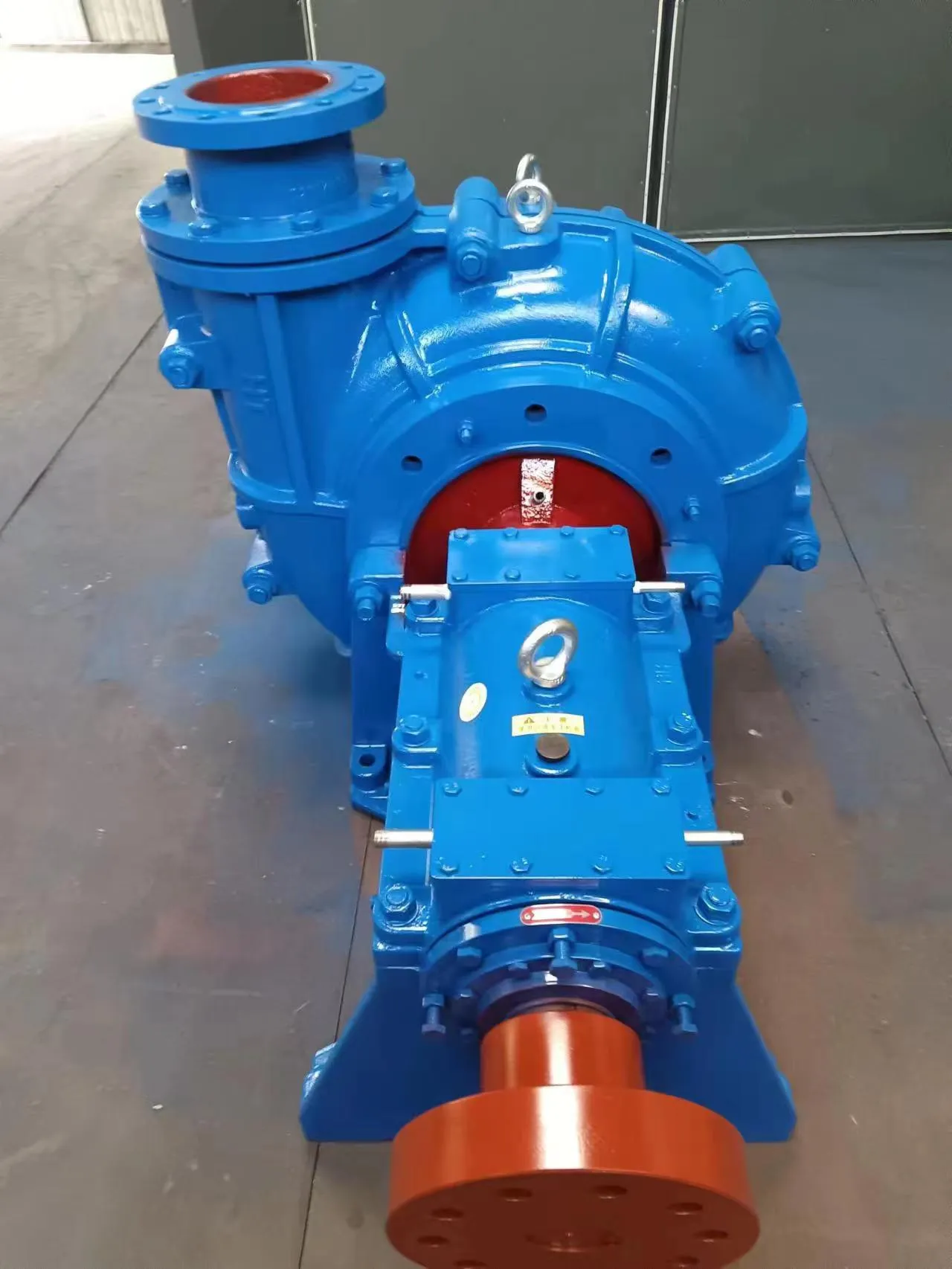
The Satisfactory Pipeline Pump is a critical component within the automated resource transportation network of the industrial process simulation game, Satisfactory. Functionally, it serves as a fluid pump, specifically designed to overcome pressure loss and elevation changes in pipelines transporting liquids and gases. Unlike simpler pipe components, the Pipeline Pump provides active pressure boosting, essential for maintaining flow rates over significant distances and vertically challenging terrain. Its technical position in the in-game 'industry chain' is as a mid-to-late game item, unlocked through research and fabricated using advanced materials. Core performance metrics revolve around fluid flow rate (measured in liters per minute), power consumption (measured in MegaWatts), and the pump's ability to counteract pressure drop, fundamentally impacting the efficiency and scalability of resource logistics within a factory complex. Effective implementation of pipeline pumps directly reduces the need for extensive pipeline duplication and minimizes potential for flow stagnation, key considerations for large-scale production in Satisfactory.
Material Science & Manufacturing
The Satisfactory Pipeline Pump is, in-game, constructed primarily from reinforced concrete and metal components. From a material science perspective, the reinforced concrete housing provides structural integrity and damping characteristics, minimizing vibration and noise during operation. The concrete mix itself would, in a real-world analogue, necessitate a high cement content with aggregate selection optimized for compressive strength and resistance to chemical attack from the transported fluids (details on fluid compatibility are addressed later). Reinforcement utilizes steel bars for tensile strength, carefully embedded within the concrete matrix to prevent cracking under stress. The internal pumping mechanism consists of high-grade steel alloys, specifically chosen for corrosion resistance and wear resistance. Manufacturing processes simulate a combination of casting and precision machining. The concrete housing is likely formed via mold casting, requiring precise control of concrete hydration rates and curing temperatures to achieve desired mechanical properties. The pump’s impeller and internal mechanisms undergo CNC machining to ensure dimensional accuracy and fluid dynamic efficiency. Critical parameters during manufacturing include impeller balancing (to minimize vibration), weld integrity (in connecting metal components), and surface finishing (to reduce friction and prevent corrosion). Quality control utilizes non-destructive testing, like ultrasonic testing, to detect flaws in the casting and welding processes. Any deviation from specified tolerances can significantly reduce pump performance and longevity.
Performance & Engineering
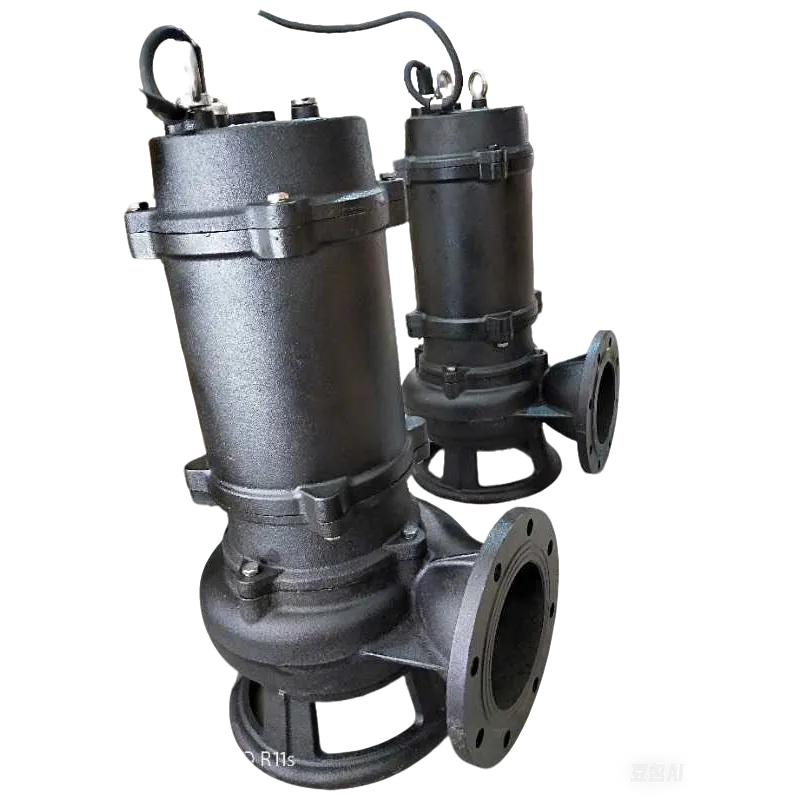
The performance of the Pipeline Pump is governed by fundamental principles of fluid dynamics, specifically Bernoulli's principle and the concept of pressure head. The pump increases the fluid's pressure, enabling it to overcome frictional losses within the pipeline and maintain flow against gravity. Force analysis reveals that the pump motor generates torque, transferred to the impeller, which imparts kinetic energy to the fluid. This kinetic energy is then converted into pressure energy. Environmental resistance, within the game's context, is primarily related to temperature variations impacting fluid viscosity and pipeline material expansion/contraction. While not explicitly modeled in-game, real-world pipeline pumps would also need to account for external environmental loads like wind and seismic activity. Compliance requirements, while not explicitly stated in Satisfactory, translate to maintaining flow rates within specified tolerances to ensure uninterrupted production. Functional implementation involves correctly sizing the pump based on pipeline length, diameter, fluid type, and elevation changes. Incorrect sizing can lead to cavitation (formation of vapor bubbles due to low pressure) or excessive power consumption. Furthermore, understanding the pump’s pressure-flow curve is vital; the pump’s performance decreases as flow rate approaches its maximum capacity. Careful consideration of fluid viscosity is also necessary; highly viscous fluids require pumps with greater torque and lower rotational speeds. The power supply to the pump must also be stable and within specified voltage limits to prevent damage to the motor.
Technical Specifications
| Parameter | Unit | Value (Typical) | Tolerance |
|---|---|---|---|
| Flow Rate (Water) | L/m | 3000 | ±10% |
| Maximum Pressure Head | m | 50 | ±5% |
| Power Consumption | MW | 2.5 | ±0.2 MW |
| Fluid Temperature Range | °C | -20 to 150 | N/A |
| Fluid Viscosity (Maximum) | cP | 500 | N/A |
| Pump Material (Housing) | - | Reinforced Concrete | N/A |
Failure Mode & Maintenance
Pipeline Pump failure in Satisfactory and analogous real-world scenarios can stem from several modes. Fatigue cracking in the impeller or pump housing is common due to continuous cyclical stress. This is exacerbated by fluid hammering (pressure surges) and vibration. Delamination of the concrete housing can occur due to freeze-thaw cycles or chemical attack from corrosive fluids. Cavitation, as previously mentioned, causes erosion of the impeller blades, leading to reduced efficiency and eventual failure. Electrical failures, including motor burnout or wiring corrosion, are also potential issues. Oxidation and corrosion of metal components, particularly in systems handling aggressive fluids, can significantly reduce component lifespan. Maintenance strategies include regular visual inspections for cracks, leaks, and corrosion. Impeller balancing should be performed periodically to minimize vibration. Lubrication of bearings is critical to prevent wear and overheating. Implementing surge protection systems can mitigate fluid hammering. For concrete structures, applying protective coatings can prevent chemical attack and freeze-thaw damage. In Satisfactory, preventative maintenance isn’t directly implemented, but anticipating these failure modes informs optimal pump placement and system design to minimize downtime and maximize efficiency.
Industry FAQ
Q: What factors determine the optimal placement of Pipeline Pumps within a long-distance pipeline network?
A: Optimal placement is dictated by the total pressure drop in the system. This drop is a function of pipeline length, diameter, fluid viscosity, flow rate, and elevation changes. Pumps should be strategically positioned to maintain pressure within acceptable limits throughout the entire system. Generally, pumps are placed at intervals, rather than solely at the beginning, to avoid excessively high pressures in the initial sections of the pipeline. Consideration should also be given to accessibility for maintenance.
Q: How does fluid viscosity affect the performance of a Pipeline Pump?
A: Higher fluid viscosity increases frictional losses within the pipeline and requires the pump to exert more force to maintain flow. This results in increased power consumption and potentially reduced flow rate. Pumps handling viscous fluids typically operate at lower speeds and utilize larger impellers to generate sufficient pressure.
Q: What are the primary causes of cavitation in Pipeline Pumps and how can they be prevented?
A: Cavitation occurs when the absolute pressure at the pump inlet falls below the vapor pressure of the fluid, causing bubbles to form. These bubbles collapse violently, eroding the impeller blades. Causes include insufficient inlet pressure, high pump speed, and excessive suction lift. Prevention involves ensuring adequate inlet pressure, reducing pump speed, and minimizing suction lift.
Q: What materials are best suited for constructing Pipeline Pumps used in corrosive environments?
A: For corrosive environments, materials like stainless steel (316L is common), titanium, and specialized polymers are preferred. The specific material selection depends on the nature of the corrosive fluid. Coatings, such as epoxy or PTFE, can also be applied to protect less corrosion-resistant materials.
Q: How do you determine the appropriate pump size for a given application?
A: Pump sizing requires a thorough understanding of the system’s requirements. This includes calculating the total dynamic head (TDH) – the total pressure the pump needs to overcome – and determining the required flow rate. Pump performance curves, provided by manufacturers, are used to select a pump that delivers the desired flow rate at the calculated TDH, operating within its efficient range.
Conclusion
The Satisfactory Pipeline Pump, while a game element, embodies core engineering principles governing fluid transport. Its effective operation relies on a complex interplay of material science, fluid dynamics, and mechanical engineering. Understanding the relationship between pump performance characteristics, fluid properties, and system design is crucial for maximizing efficiency and minimizing downtime. The detailed consideration of materials, manufacturing processes, and potential failure modes, even within the context of a simulation, highlights the intricacies of real-world pipeline pump systems.
Looking ahead, advancements in pump technology, such as variable frequency drives (VFDs) for precise flow control and smart sensors for predictive maintenance, will continue to optimize pipeline pump performance and reliability. Further integration of these concepts into simulations like Satisfactory can provide valuable training and insights for engineers and operators. The ongoing focus on energy efficiency and sustainability will also drive innovation in pump design, leading to more environmentally friendly solutions.
-
Comprehensive Guide to Waterproof ORings for Optimal Sealing Solutions
News2026-06-09
-
heavy duty submersible pump Performance Analysis
News2026-06-25
-
best submersible pump for septic tank Performance Analysis
News2026-06-25
-
basement sewer ejector pump Performance Analysis
News2026-06-25
-
basement pumps ejector pumps Performance Analysis
News2026-06-25
-
basement lift pump Performance and Engineering
News2026-06-25
-
basement bathroom pump systems Performance Analysis
News2026-06-24
-
basement bathroom ejector pump system Performance Engineering
News2026-06-24
-
2 hp sewage pump Performance Engineering
News2026-06-24
-
1 hp septic pump Performance Engineering
News2026-06-24
-
submersible effluent pump Performance Analysis
News2026-06-24
-
submergable pump Material Science
News2026-06-23
-
sewer injection pump Performance Engineering
News2026-06-23
-
Sewer Ejector Pump System Performance Analysis
News2026-06-23
-
septic tank pump for sale Performance Engineering
News2026-06-23




