English
- Afrikaans
- Albanian
- Amharic
- Arabic
- Armenian
- Azerbaijani
- Basque
- Belarusian
- Bengali
- Bosnian
- Bulgarian
- Catalan
- Cebuano
- Corsican
- Croatian
- Czech
- Danish
- Dutch
- English
- Esperanto
- Estonian
- Finnish
- French
- Frisian
- Galician
- Georgian
- German
- Greek
- Gujarati
- Haitian Creole
- hausa
- hawaiian
- Hebrew
- Hindi
- Miao
- Hungarian
- Icelandic
- igbo
- Indonesian
- irish
- Italian
- Japanese
- Javanese
- Kannada
- kazakh
- Khmer
- Rwandese
- Korean
- Kurdish
- Kyrgyz
- Lao
- Latin
- Latvian
- Lithuanian
- Luxembourgish
- Macedonian
- Malgashi
- Malay
- Malayalam
- Maltese
- Maori
- Marathi
- Mongolian
- Myanmar
- Nepali
- Norwegian
- Norwegian
- Occitan
- Pashto
- Persian
- Polish
- Portuguese
- Punjabi
- Romanian
- Russian
- Samoan
- Scottish Gaelic
- Serbian
- Sesotho
- Shona
- Sindhi
- Sinhala
- Slovak
- Slovenian
- Somali
- Spanish
- Sundanese
- Swahili
- Swedish
- Tagalog
- Tajik
- Tamil
- Tatar
- Telugu
- Thai
- Turkish
- Turkmen
- Ukrainian
- Urdu
- Uighur
- Uzbek
- Vietnamese
- Welsh
- Bantu
- Yiddish
- Yoruba
- Zulu

Telephone: +86 13120555503
Email: frank@cypump.com


Apr . 01, 2024 17:55 Back to list
sand and gravel pump Material Science Manufacturing
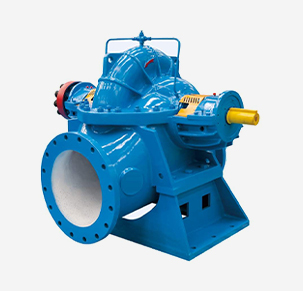
Introduction
Sand and gravel pumps are heavy-duty centrifugal pumps specifically engineered for the arduous task of transporting abrasive mixtures of water, sand, gravel, and other solid materials. Positioned within the dredging, mining, and industrial wastewater management sectors, these pumps represent a critical component in material handling processes. Unlike standard centrifugal pumps, sand and gravel pumps are designed to withstand the high impact velocities and abrasive wear associated with particulate-laden fluids. Core performance characteristics are defined by solids handling capacity (volume percent solids), slurry density (specific gravity), and flow rate, all balanced against pump efficiency and operational longevity. The primary pain point in the industry revolves around premature wear of pump components, leading to frequent downtime, increased maintenance costs, and reduced operational efficiency. Selection criteria focus on material selection resistant to abrasion and erosion, impeller design optimized for solids passage, and robust mechanical seals to prevent slurry leakage.
Material Science & Manufacturing
The construction of sand and gravel pumps relies heavily on material science to combat abrasion and corrosion. Pump casings are commonly constructed from high-chromium cast iron (typically 27% Cr) offering exceptional resistance to abrasive wear. Impellers are often manufactured from similar high-chromium alloys, or alternatively, hardened steel alloys like duplex stainless steel for applications requiring higher corrosion resistance. Liners, frequently used in pump casings, employ materials like rubber (natural or synthetic, such as EPDM or neoprene) or ceramic composites to provide an additional sacrificial layer protecting the underlying metal. The manufacturing process begins with sand casting or investment casting for complex impeller designs. Welding processes, primarily shielded metal arc welding (SMAW) or gas tungsten arc welding (GTAW) utilizing high-strength, corrosion-resistant filler metals, are employed for joining pump components. Critical parameters during manufacturing include controlling the chromium carbide content in high-chromium iron castings (ensuring a Hardness of 60-65 HRC), maintaining precise impeller balancing to minimize vibration, and achieving weld integrity through non-destructive testing (NDT) methods like radiographic inspection and liquid penetrant testing. Rubber liners are typically vulcanized to the metal casing, requiring precise temperature and pressure control to ensure a strong, durable bond. Chemical compatibility between the liner material and the pumped slurry is paramount, preventing premature degradation.
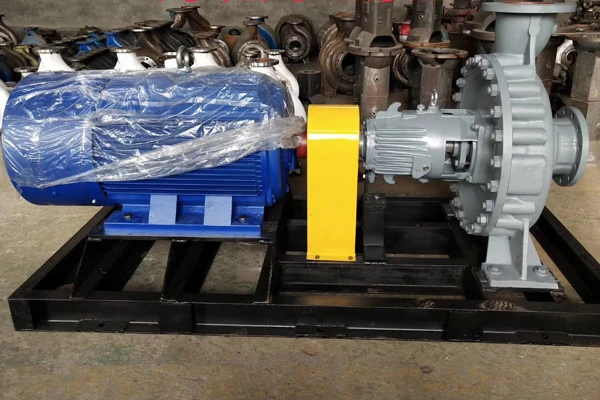
Performance & Engineering
Performance of sand and gravel pumps is dictated by several engineering principles. Force analysis focuses on the impact forces exerted by solid particles on the impeller and casing, driving the selection of abrasion-resistant materials and optimized impeller geometry. Cavitation, a significant concern, is mitigated through careful pump design, ensuring sufficient Net Positive Suction Head Available (NPSHA) exceeds the NPSH Required (NPSHR). The impeller design, often incorporating a recessed or open impeller configuration, is critical for efficient solids handling and preventing clogging. Environmental resistance is vital, particularly in offshore or coastal applications where seawater corrosion is a concern. Material selection (stainless steel, specialized coatings) and cathodic protection are employed to counter this. Compliance requirements, dictated by standards like ISO 5007 (dredging pumps) and relevant local environmental regulations regarding discharge water quality, govern pump operation. The pump’s hydraulic efficiency is determined by the fluid velocity, impeller speed, and the internal clearances within the pump. Pump curves are utilized to define the head-capacity relationship at different impeller diameters and speeds, providing essential data for system design. A key engineering challenge is managing the wear rate of components, influenced by particle size distribution, slurry concentration, and flow velocity. Proper selection of wear-resistant materials and liners extends operational life and reduces total cost of ownership.
Technical Specifications
| Parameter | Unit | Typical Range (Small Pump) | Typical Range (Large Pump) |
|---|---|---|---|
| Discharge Capacity | m³/hr | 10 – 100 | 500 – 5000 |
| Total Dynamic Head | m | 5 – 30 | 30 – 150 |
| Maximum Solids Size | mm | 25 – 50 | 100 – 300 |
| Maximum Slurry Density | kg/m³ | 1200 – 1800 | 1800 – 2500 |
| Pump Speed | RPM | 500 – 1500 | 300 – 900 |
| Power | kW | 2.2 – 15 | 30 – 300 |
Failure Mode & Maintenance
Sand and gravel pumps are susceptible to several failure modes. Abrasion is the most common, leading to impeller wear, casing erosion, and liner degradation. The rate of abrasion depends on the hardness and shape of the particles in the slurry. Corrosion, particularly in saline environments, causes pitting and thinning of metal components. Fatigue cracking can occur in the impeller due to cyclic loading from solid particle impact. Mechanical seal failure, resulting in slurry leakage, is often caused by abrasive particles damaging the seal faces or improper installation. Cavitation damage manifests as pitting on the impeller surface, reducing pump efficiency. Maintenance strategies involve regular inspection of impeller and casing wear, replacement of worn liners, and seal inspection/replacement. Preventative maintenance includes lubrication of bearings, tightening of fasteners, and monitoring of pump vibration. A robust maintenance program should incorporate a detailed wear rate analysis, enabling predictive maintenance scheduling and minimizing unplanned downtime. Flushing the pump with clean water after use helps to remove abrasive particles and prevent corrosion. Performing routine visual inspections for signs of erosion or corrosion is also vital. For catastrophic failures, root cause analysis (RCA) should be performed to identify the underlying causes and implement corrective actions.
Industry FAQ
Q: What is the optimal impeller material for a pump handling 80% silica sand in seawater?
A: For 80% silica sand in seawater, a duplex stainless steel impeller (e.g., 2205) is recommended. Silica sand is highly abrasive, while seawater is corrosive. Duplex stainless steel offers a superior combination of abrasion resistance, corrosion resistance (especially pitting and crevice corrosion), and mechanical strength compared to standard stainless steels. Consider a high-chromium cast iron impeller with a rubber coating as a cost-effective alternative, but monitor coating degradation closely.
Q: How do I mitigate cavitation in a sand and gravel pump operating with a variable suction head?
A: Mitigating cavitation with a variable suction head requires careful system design and pump operation. Ensure the NPSHA exceeds the NPSHR at all operating points. Reduce pump speed if possible. Increase the suction pipe diameter to reduce friction losses. Raise the pump closer to the suction source. Consider using an inducer at the impeller inlet to boost pressure. Regularly monitor and maintain the suction piping to prevent blockages and air ingress.
Q: What is the typical lifespan of a rubber liner in a sand and gravel pump application?
A: The lifespan of a rubber liner varies significantly depending on the slurry composition, solids concentration, flow velocity, and rubber compound. Typically, a rubber liner can last between 6 months to 2 years. Liners handling highly abrasive slurries at high velocities will have a shorter lifespan. Regular inspection is critical to identify early signs of wear and schedule replacements before catastrophic failure.
Q: What are the advantages of using a recessed impeller versus an open impeller in a sand and gravel pump?
A: Recessed impellers are generally preferred for handling slurries with high solids content. They provide a larger flow passage, reducing the risk of clogging and minimizing abrasion. Open impellers are more suitable for lower solids concentrations and offer higher efficiency, but are more prone to wear and clogging. The choice depends on the specific slurry characteristics.
Q: What are the key considerations when selecting a mechanical seal for a sand and gravel pump?
A: Mechanical seal selection requires careful consideration. Choose a seal design specifically rated for abrasive service, such as a double mechanical seal with a barrier fluid system to prevent abrasive particles from reaching the seal faces. Select seal face materials resistant to abrasion and corrosion (silicon carbide is often preferred). Ensure proper seal installation and alignment. Regular monitoring of seal performance is essential.
Conclusion
Sand and gravel pumps represent a highly specialized class of centrifugal pumps designed to address the unique challenges posed by abrasive and erosive slurries. Optimal performance and longevity depend on a holistic approach encompassing careful material selection, robust manufacturing processes, sound engineering principles, and a proactive maintenance strategy. Understanding the failure modes inherent to these pumps – primarily abrasion, corrosion, and seal failure – is critical for implementing effective preventative measures.
The future of sand and gravel pump technology will likely focus on the development of advanced materials with enhanced wear resistance, improved impeller designs to minimize clogging and cavitation, and the integration of sensor-based monitoring systems for predictive maintenance. Adherence to relevant international standards and best practices is paramount for ensuring safe and reliable operation, maximizing operational efficiency, and minimizing total cost of ownership in demanding industrial applications.
-
sand gravel pump Performance Analysis
News2026-06-02
-
sand and gravel dredge pumps Performance Analysis
News2026-06-02
-
terapump aquarium gravel sand bpafree pump Performance Analysis
News2026-06-02
-
sand and gravel pump Material Science Manufacturing
News2026-06-02
-
air pump sand and gravel Performance Analysis
News2026-06-02
-
submersible pump for sewage treatment plant Performance Analysis
News2026-06-01
-
single phase sewage submersible pump Material Science Manufacturing
News2026-06-01
-
sewage water submersible pump Material Science Manufacturing
News2026-06-01
-
Sewage Submersible Pump Price List Performance Analysis
News2026-06-01
-
sewage submersible pump 3hp Performance Analysis
News2026-06-01
-
submersible effluent sewage pump Performance Analysis
News2026-05-31
-
stainless steel submersible sewage pumps Performance Engineering
News2026-05-31
-
stainless steel submersible sewage pump Material Science Manufacturing
News2026-05-31
-
Sewage Submersible Pump Installation Performance Analysis
News2026-05-31
-
sewage submersible pump 2hp Performance Analysis
News2026-05-31




