English
- Afrikaans
- Albanian
- Amharic
- Arabic
- Armenian
- Azerbaijani
- Basque
- Belarusian
- Bengali
- Bosnian
- Bulgarian
- Catalan
- Cebuano
- Corsican
- Croatian
- Czech
- Danish
- Dutch
- English
- Esperanto
- Estonian
- Finnish
- French
- Frisian
- Galician
- Georgian
- German
- Greek
- Gujarati
- Haitian Creole
- hausa
- hawaiian
- Hebrew
- Hindi
- Miao
- Hungarian
- Icelandic
- igbo
- Indonesian
- irish
- Italian
- Japanese
- Javanese
- Kannada
- kazakh
- Khmer
- Rwandese
- Korean
- Kurdish
- Kyrgyz
- Lao
- Latin
- Latvian
- Lithuanian
- Luxembourgish
- Macedonian
- Malgashi
- Malay
- Malayalam
- Maltese
- Maori
- Marathi
- Mongolian
- Myanmar
- Nepali
- Norwegian
- Norwegian
- Occitan
- Pashto
- Persian
- Polish
- Portuguese
- Punjabi
- Romanian
- Russian
- Samoan
- Scottish Gaelic
- Serbian
- Sesotho
- Shona
- Sindhi
- Sinhala
- Slovak
- Slovenian
- Somali
- Spanish
- Sundanese
- Swahili
- Swedish
- Tagalog
- Tajik
- Tamil
- Tatar
- Telugu
- Thai
- Turkish
- Turkmen
- Ukrainian
- Urdu
- Uighur
- Uzbek
- Vietnamese
- Welsh
- Bantu
- Yiddish
- Yoruba
- Zulu

Telephone: +86 13120555503
Email: frank@cypump.com


Apr . 01, 2024 17:55 Back to list
sand and gravel dredge pumps Performance Analysis
Introduction
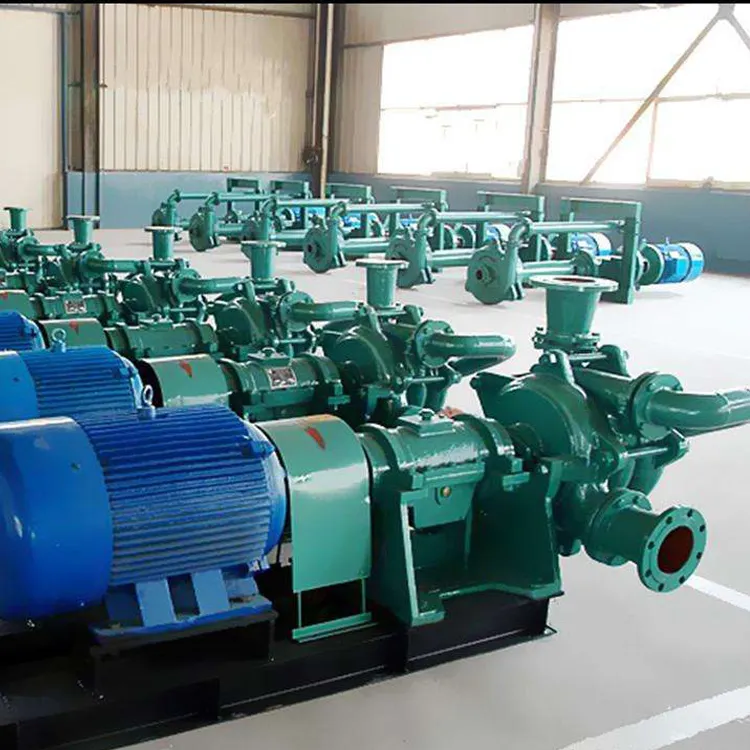
Sand and gravel dredge pumps are specialized centrifugal pumps designed for the demanding task of transporting abrasive mixtures of water, sand, gravel, and often other sediment. Positioned critically within the dredging industry supply chain, these pumps serve as the primary power source for material extraction in applications ranging from waterway maintenance and land reclamation to mineral mining and construction aggregate production. Unlike standard centrifugal pumps, dredge pumps are engineered to handle high solids concentrations and resist the severe wear caused by abrasive particle impact. Core performance metrics include solids handling capacity (measured in volume percentage and particle size), slurry flow rate (m³/hr or GPM), discharge head (meters or feet), and pump efficiency. The principal industry pain point centers around pump wear life, directly impacting operational costs and downtime. Efficient pump selection, appropriate material choices, and robust maintenance strategies are paramount to mitigating these challenges.
Material Science & Manufacturing
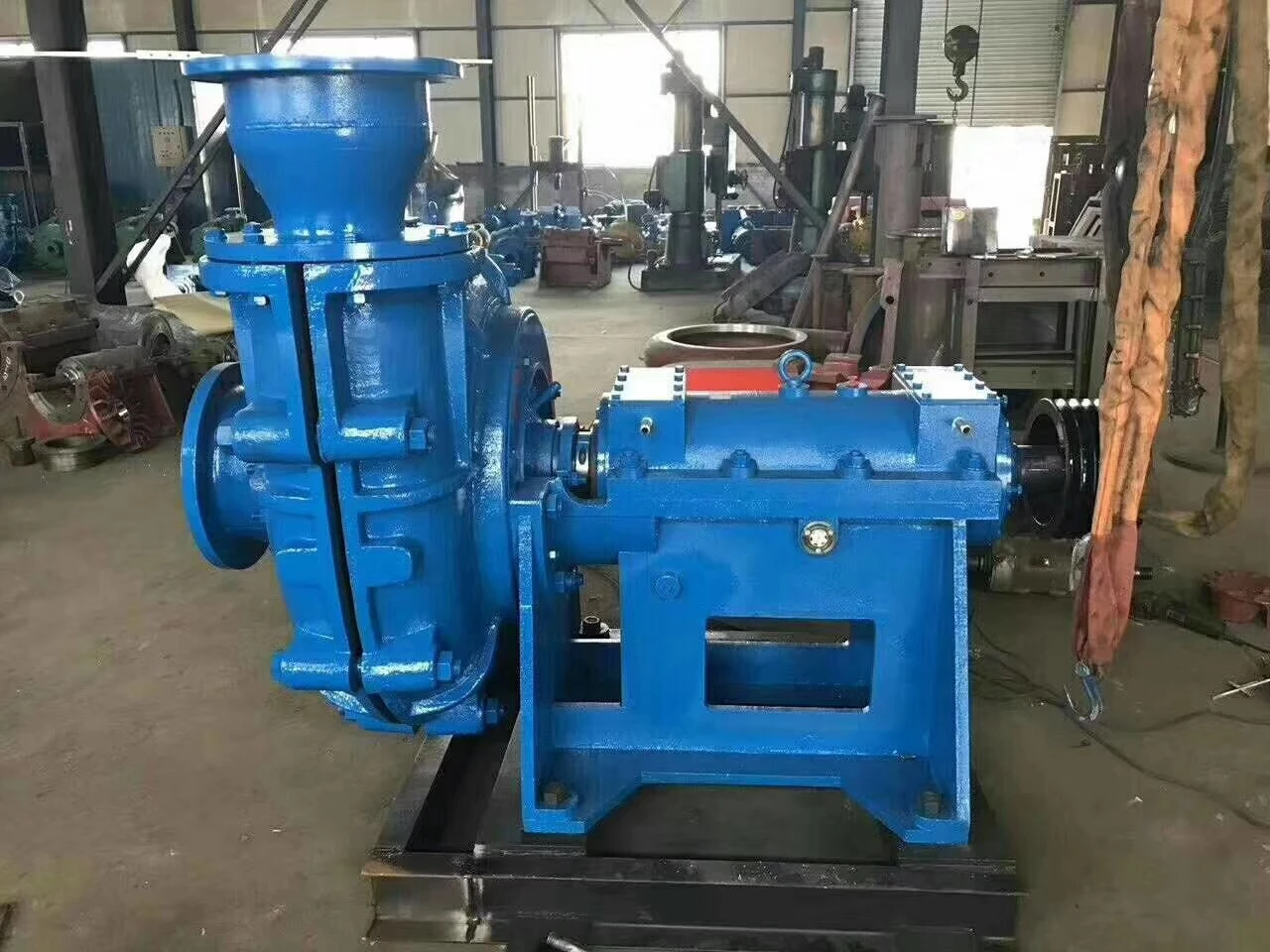
The construction of sand and gravel dredge pumps necessitates materials capable of withstanding both corrosive environments and intense abrasion. Pump casings are frequently manufactured from high-strength cast iron (ASTM A48 Class 30 or higher), offering a balance of cost-effectiveness and durability. However, for highly abrasive applications or corrosive waters (e.g., saltwater estuaries), specialized alloys such as high-chrome cast iron (typically 13-28% chromium) are employed. The impeller, being the primary component in contact with the slurry, requires even greater wear resistance. High-chrome iron is dominant here, but hardened stainless steels (304, 316, or duplex stainless steels) are utilized in particularly aggressive environments. Liners, often rubber or polyurethane, are also commonly installed within the pump casing and impeller passages to provide an additional layer of protection against wear.
Manufacturing processes vary depending on component complexity. Casings utilize sand casting followed by machining to precise tolerances. Impellers are commonly produced using investment casting or centrifugal casting, allowing for complex geometries and enhanced material properties. Welding processes (SMAW, GTAW, FCAW) are critical for joining components, requiring qualified welders and adherence to standards like AWS D1.1. Key parameter control includes precise alloy composition monitoring during casting, heat treatment to optimize material hardness and ductility, and rigorous non-destructive testing (NDT) – radiography, ultrasonic testing, and liquid penetrant inspection – to ensure structural integrity. The rubber liners are often applied using vulcanization processes, ensuring a secure and durable bond to the metal substrate. Shaft seals, typically mechanical seals, are assembled in controlled environments to prevent contamination and ensure reliable operation.
Performance & Engineering
The performance of a sand and gravel dredge pump is fundamentally governed by hydraulic principles and material science considerations. Force analysis focuses on the impact forces exerted by abrasive particles on the impeller and casing, leading to erosion and wear. Pump design minimizes these forces through optimized impeller geometry, including blade angles and surface finishes. The slurry flow is a non-Newtonian fluid, necessitating specialized hydraulic modeling to predict pressure drops and pump head curves accurately. Environmental resistance is a critical factor; pumps operating in marine environments must withstand saltwater corrosion and biofouling. Cathodic protection, sacrificial anodes, and specialized coatings are employed to mitigate these effects.
Compliance requirements are stringent, particularly regarding environmental regulations. Dredge pumps must adhere to local and national regulations concerning water discharge quality and sediment disturbance. Efficiency is also paramount, as higher efficiency translates to lower fuel consumption and reduced operating costs. Pump selection involves matching the pump's performance curve (head vs. flow rate) to the specific dredging application's requirements. Impeller diameter, pump speed, and casing volute design are key engineering parameters adjusted to optimize performance. The hydraulic efficiency is impacted by factors like internal clearances and surface roughness.
Technical Specifications
| Parameter | Unit | Typical Range (Small Dredge Pump) | Typical Range (Large Dredge Pump) |
|---|---|---|---|
| Discharge Diameter | inch | 4-8 | 10-20 |
| Flow Rate | m³/hr | 50-200 | 500-2000+ |
| Total Head | meters | 10-30 | 30-100+ |
| Solids Handling Capacity | % by volume | 20-30 | 30-60 |
| Maximum Particle Size | mm | 50-100 | 100-300+ |
| Pump Speed | RPM | 500-1500 | 500-1500 |
Failure Mode & Maintenance
Failure modes in sand and gravel dredge pumps are primarily related to abrasive wear, corrosion, and cavitation. Fatigue cracking can occur in the impeller due to cyclical loading. Delamination of rubber liners is a common issue, particularly if the bonding process was inadequate. Cavitation, caused by vapor bubble collapse, can erode impeller vanes and casing surfaces. Oxidation and corrosion are accelerated in saltwater environments, leading to component degradation.
Preventive maintenance is crucial. Regular inspections should include visual checks for wear, vibration analysis, and monitoring of pump performance parameters (flow rate, pressure, power consumption). Impeller replacement is inevitable, with frequency depending on abrasive content. Liner replacement should be scheduled before complete delamination to prevent further damage. Lubrication of bearings and seals is critical to prevent failure. Routine cleaning to remove accumulated sediment and debris helps maintain pump efficiency. NDT methods should be employed periodically to detect cracks or other structural defects. When selecting replacement parts, using OEM-specified components or approved equivalents is highly recommended to ensure compatibility and performance.
Industry FAQ
Q: What is the optimal impeller material for a dredge pump handling highly abrasive silica sand?
A: For highly abrasive silica sand, a high-chrome cast iron impeller (25-28% chromium) is generally the optimal choice. The high chromium content imparts exceptional wear resistance. While stainless steel offers corrosion resistance, it generally lacks the abrasion resistance needed for silica sand. Consider specialized hardfacing techniques on the impeller vanes to further enhance wear life.
Q: How do I mitigate cavitation damage in a dredge pump operating with a fluctuating suction head?
A: Fluctuating suction head is a primary cause of cavitation. Ensure adequate submergence of the pump intake. Reduce pump speed if possible. Inspect and clean the impeller regularly for damage. Consider using a larger diameter suction pipe to reduce friction losses. Implement a system to stabilize the water level in the suction basin if feasible.
Q: What is the recommended maintenance interval for mechanical seals in a saltwater dredge pump?
A: Mechanical seals in saltwater applications typically require more frequent maintenance. Inspect seals every 3-6 months for signs of wear or corrosion. Replace seals annually, or more frequently if evidence of leakage or performance degradation is observed. Utilize specialized saltwater-resistant seal materials.
Q: How does the pump speed affect the wear rate of a dredge pump impeller?
A: Higher pump speeds generally increase the wear rate due to increased impact forces from abrasive particles. While higher speeds can improve flow rate, they also accelerate erosion. Optimize pump speed to achieve the desired flow rate while minimizing impeller wear. Consider variable frequency drives (VFDs) to allow for speed adjustment based on process requirements.
Q: What are the key considerations when selecting a dredge pump for a specific application?
A: Key considerations include the slurry composition (particle size distribution, solids concentration, density), flow rate requirements, discharge head, suction lift, operating environment (freshwater, saltwater, temperature), and availability of maintenance support. A detailed site assessment and thorough analysis of these factors are essential for selecting the appropriate pump.
Conclusion
Sand and gravel dredge pumps represent a critical component within the broader dredging and material handling industries. Their effective operation is dictated by a complex interplay of material science, hydraulic engineering, and meticulous maintenance practices. Addressing the inherent challenges of abrasive wear and corrosive environments requires careful material selection, robust pump design, and proactive maintenance strategies.
Looking ahead, advancements in pump materials – such as ceramic-reinforced alloys and novel polymer composites – promise to extend pump life and reduce operating costs. Furthermore, the integration of sensor technology and data analytics will enable predictive maintenance, optimizing performance and minimizing downtime. Continued adherence to industry standards and best practices remains paramount to ensure the reliable and efficient operation of these essential pieces of equipment.
-
sand gravel pump Performance Analysis
News2026-06-02
-
sand and gravel dredge pumps Performance Analysis
News2026-06-02
-
terapump aquarium gravel sand bpafree pump Performance Analysis
News2026-06-02
-
sand and gravel pump Material Science Manufacturing
News2026-06-02
-
air pump sand and gravel Performance Analysis
News2026-06-02
-
submersible pump for sewage treatment plant Performance Analysis
News2026-06-01
-
single phase sewage submersible pump Material Science Manufacturing
News2026-06-01
-
sewage water submersible pump Material Science Manufacturing
News2026-06-01
-
Sewage Submersible Pump Price List Performance Analysis
News2026-06-01
-
sewage submersible pump 3hp Performance Analysis
News2026-06-01
-
submersible effluent sewage pump Performance Analysis
News2026-05-31
-
stainless steel submersible sewage pumps Performance Engineering
News2026-05-31
-
stainless steel submersible sewage pump Material Science Manufacturing
News2026-05-31
-
Sewage Submersible Pump Installation Performance Analysis
News2026-05-31
-
sewage submersible pump 2hp Performance Analysis
News2026-05-31




