English
- Afrikaans
- Albanian
- Amharic
- Arabic
- Armenian
- Azerbaijani
- Basque
- Belarusian
- Bengali
- Bosnian
- Bulgarian
- Catalan
- Cebuano
- Corsican
- Croatian
- Czech
- Danish
- Dutch
- English
- Esperanto
- Estonian
- Finnish
- French
- Frisian
- Galician
- Georgian
- German
- Greek
- Gujarati
- Haitian Creole
- hausa
- hawaiian
- Hebrew
- Hindi
- Miao
- Hungarian
- Icelandic
- igbo
- Indonesian
- irish
- Italian
- Japanese
- Javanese
- Kannada
- kazakh
- Khmer
- Rwandese
- Korean
- Kurdish
- Kyrgyz
- Lao
- Latin
- Latvian
- Lithuanian
- Luxembourgish
- Macedonian
- Malgashi
- Malay
- Malayalam
- Maltese
- Maori
- Marathi
- Mongolian
- Myanmar
- Nepali
- Norwegian
- Norwegian
- Occitan
- Pashto
- Persian
- Polish
- Portuguese
- Punjabi
- Romanian
- Russian
- Samoan
- Scottish Gaelic
- Serbian
- Sesotho
- Shona
- Sindhi
- Sinhala
- Slovak
- Slovenian
- Somali
- Spanish
- Sundanese
- Swahili
- Swedish
- Tagalog
- Tajik
- Tamil
- Tatar
- Telugu
- Thai
- Turkish
- Turkmen
- Ukrainian
- Urdu
- Uighur
- Uzbek
- Vietnamese
- Welsh
- Bantu
- Yiddish
- Yoruba
- Zulu

Telephone: +86 13120555503
Email: frank@cypump.com


Apr . 01, 2024 17:55 Back to list
Rubber Lined Slurry Pumps top oem suppliers of rubber lined slurry pumps for efficient Performance A
Introduction
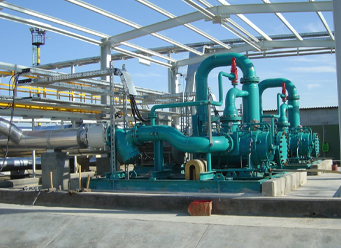
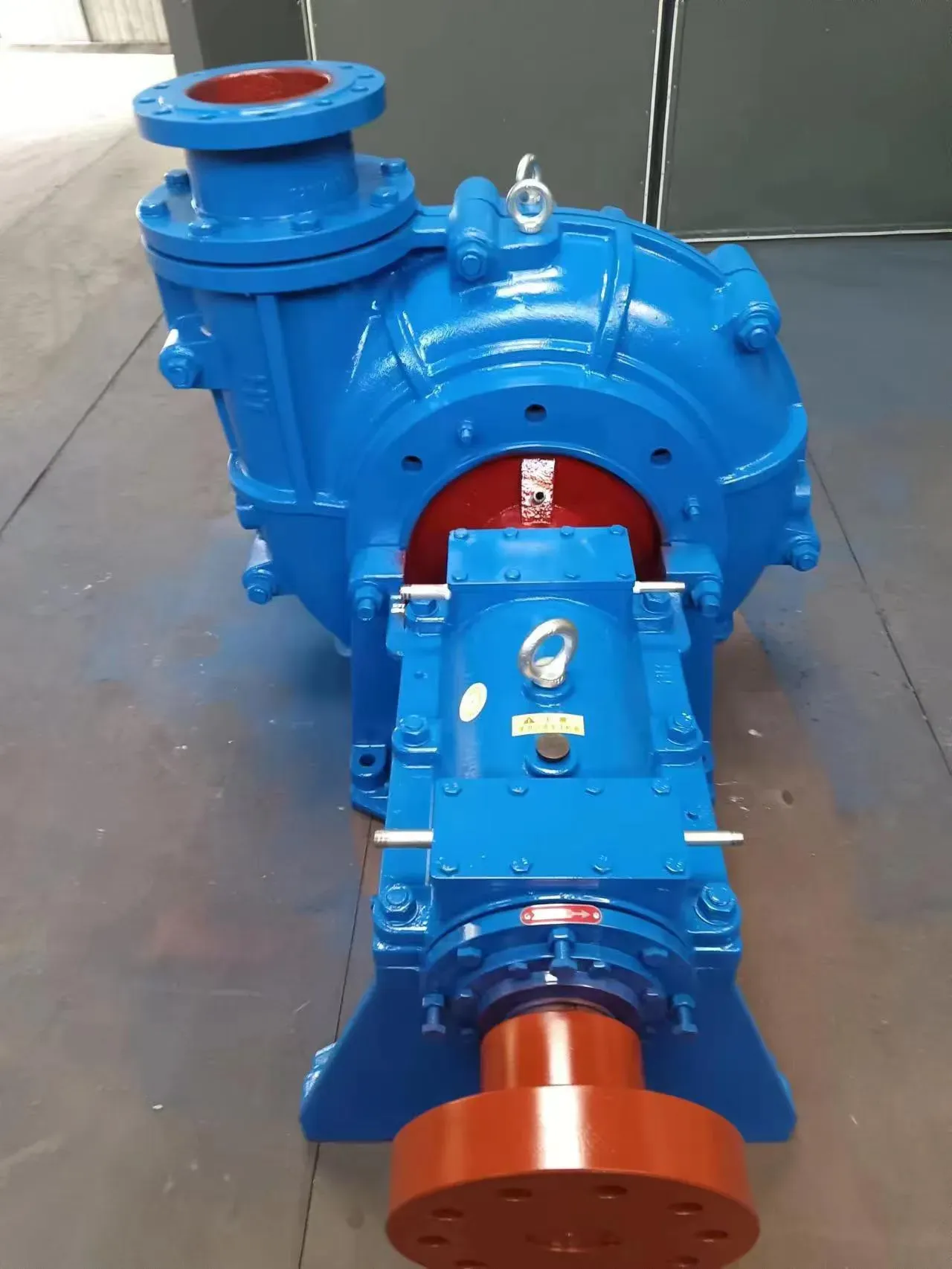
Rubber lined slurry pumps represent a critical component in numerous industrial processes involving abrasive or corrosive fluids. These pumps, supplied by leading OEMs, facilitate the transfer of challenging materials found in mining, chemical processing, wastewater treatment, and power generation. The core function hinges on a robust pump casing internally coated with a specialized rubber lining, protecting the metallic components from wear, corrosion, and erosion. The selection criteria for these pumps extend beyond flow rate and head pressure; material compatibility, abrasion resistance, and long-term operational reliability are paramount. This guide provides an in-depth technical overview, analyzing material science, manufacturing processes, performance characteristics, potential failure modes, and relevant industry standards pertaining to rubber lined slurry pumps, catering to the needs of procurement managers and engineering professionals.
Material Science & Manufacturing
The performance of a rubber lined slurry pump is fundamentally dictated by the properties of both the metallic pump casing and the rubber lining itself. Pump casings are typically constructed from cast iron (ASTM A48 Class 30), ductile iron (ASTM A536 65-45-12), or alloy steels (ASTM A351 Grade CF8). The choice depends on the working pressure and the corrosive nature of the slurry. The rubber lining, however, is the primary barrier against degradation. Common rubber materials include natural rubber (NR), styrene-butadiene rubber (SBR), chloroprene rubber (CR, Neoprene), ethylene propylene diene monomer (EPDM), and nitrile rubber (NBR). Natural rubber offers excellent abrasion resistance, while SBR provides a balance of properties and cost-effectiveness. CR exhibits superior resistance to oils and chemicals, EPDM excels in high-temperature applications and resistance to weathering, and NBR demonstrates excellent resistance to hydrocarbon-based fluids.
The lining process typically involves applying multiple layers of rubber to the cleaned and prepared metallic casing. Surface preparation is crucial, often involving grit blasting to achieve a specific surface profile (typically 2-3 mils in height) for optimal adhesion. Rubber is then applied through a molding process, often using pre-vulcanized rubber sheets or by building up layers of uncured rubber followed by in-situ vulcanization within a heated autoclave. Vulcanization is a critical step, inducing cross-linking within the rubber matrix, improving its strength, elasticity, and resistance to degradation. Precise control of temperature, pressure, and curing time (typically 3-8 hours depending on rubber compound and lining thickness) is essential to prevent under-curing (leading to poor adhesion) or over-curing (causing brittleness). OEM suppliers often employ non-destructive testing (NDT) methods like ultrasonic testing to verify the integrity of the rubber lining, ensuring complete coverage and absence of voids or delaminations.
Performance & Engineering
Slurry pump performance is characterized by its flow rate (Q), head pressure (H), and power consumption (P). These parameters are intrinsically linked to the impeller design, pump speed (RPM), and the properties of the slurry (solids concentration, particle size distribution, specific gravity). The impeller, typically constructed from high-chrome cast iron, is designed to generate centrifugal force, imparting kinetic energy to the slurry. Cavitation, a major concern in slurry pump applications, occurs when the absolute pressure at the impeller inlet falls below the vapor pressure of the fluid, forming vapor bubbles that collapse violently, causing erosion and noise. Net Positive Suction Head Required (NPSHr) is a critical parameter, representing the minimum absolute pressure required at the pump inlet to prevent cavitation. OEMs provide NPSHr curves, and system designers must ensure that the Net Positive Suction Head Available (NPSHa) exceeds NPSHr by a sufficient margin (typically >1 meter).
Furthermore, the rubber lining's thickness and durometer (hardness) significantly impact pump performance. Thicker linings offer greater protection against erosion but can reduce the internal flow area, potentially decreasing pump efficiency. Rubber durometer, measured using a Shore A scale, determines the lining's flexibility and abrasion resistance. Softer rubber (lower durometer) conforms better to the metallic surface, providing better sealing, but may exhibit lower abrasion resistance. Engineering analysis also considers the pump's hydrodynamic forces and the stress distribution within the rubber lining under various operating conditions. Finite Element Analysis (FEA) is commonly used to optimize lining thickness and geometry, minimizing stress concentrations and maximizing service life. The pump's mechanical seal design is also critical, preventing leakage of the slurry and protecting the bearings from contamination. Double mechanical seals with a barrier fluid are often employed for highly abrasive or corrosive slurries.
Technical Specifications
| Parameter | Unit | Typical Range (OEM Specification) | Testing Standard |
|---|---|---|---|
| Flow Rate | m³/h | 10 – 1500 | ISO 9905 |
| Discharge Head | m | 5 – 100 | ISO 9905 |
| Maximum Solids Size | mm | 6 – 75 | Internal OEM Testing |
| Slurry Concentration (Weight %) | % | Up to 70 | Internal OEM Testing |
| Lining Material | - | Natural Rubber, SBR, CR, EPDM, NBR | ASTM D2000 |
| Lining Thickness | mm | 6 – 12 | ASTM D412 |
Failure Mode & Maintenance
Common failure modes in rubber lined slurry pumps include erosion of the rubber lining, delamination of the lining from the metallic casing, cracking of the rubber due to fatigue or chemical attack, and mechanical failure of pump components (impeller, shaft, bearings). Erosion typically occurs in high-velocity areas, such as the impeller vanes and volute casing, particularly when handling highly abrasive slurries. Delamination can result from inadequate surface preparation, improper vulcanization, or thermal cycling. Chemical attack can degrade the rubber lining, reducing its strength and elasticity. Fatigue cracking can occur due to cyclic loading and stress concentrations. Regular inspection of the rubber lining is crucial, using visual inspection, ultrasonic testing, and impact testing to detect signs of wear or damage.
Preventative maintenance practices include lubrication of bearings, monitoring of vibration levels, and periodic replacement of wear parts (seals, impeller). For rubber linings, preventative measures include maintaining appropriate slurry velocity to minimize erosion, avoiding sudden changes in temperature or pressure, and ensuring chemical compatibility between the slurry and the rubber material. If delamination or cracking is detected, the pump should be taken out of service for repair or relining. Relining involves removing the old rubber lining (typically through mechanical abrasion or chemical stripping), preparing the surface, and applying a new lining following the OEM’s recommended procedures. Detailed maintenance records, including inspection reports and repair histories, are essential for tracking pump performance and predicting future maintenance needs. Proper storage of spare parts, particularly rubber linings, is also crucial to prevent degradation due to exposure to UV light, ozone, or extreme temperatures.
Industry FAQ
Q: What is the primary advantage of a rubber lining over alternative coatings like polyurethane or epoxy?
A: While polyurethane and epoxy offer good corrosion resistance, rubber linings generally provide superior abrasion resistance, particularly when handling slurries with high solids concentrations and large particle sizes. Rubber’s inherent elasticity allows it to absorb impact energy, reducing wear and extending service life. Polyurethane can be more brittle and prone to cracking, while epoxy coatings may chip or delaminate under high impact loads.
Q: How do different rubber compounds affect the pump’s performance with varying slurry types?
A: The choice of rubber compound is critical. Natural rubber excels with abrasive, non-chemical slurries. Chloroprene (Neoprene) is suitable for mild chemical slurries and oils. EPDM provides excellent resistance to acids, alkalis, and high temperatures. Nitrile rubber (NBR) is best for hydrocarbon-based fluids, and specialized compounds can be formulated for specific chemical environments. Incorrect rubber selection can lead to premature degradation and pump failure.
Q: What are the critical considerations when specifying the rubber lining thickness?
A: Thicker linings offer greater protection against erosion but reduce the internal flow area, potentially decreasing pump efficiency and increasing energy consumption. A balance must be struck based on the slurry’s abrasiveness, flow rate, and operating pressure. OEMs typically provide guidelines for lining thickness based on application-specific criteria.
Q: What non-destructive testing (NDT) methods are used to verify the integrity of the rubber lining?
A: Ultrasonic testing is the most common NDT method, used to detect voids, delaminations, and variations in lining thickness. Impact testing (using a hammer to listen for sound variations) can also identify areas of delamination. Dye penetrant testing can reveal surface cracks.
Q: What is the expected service life of a properly maintained rubber lined slurry pump?
A: The service life varies significantly depending on the slurry characteristics, operating conditions, and maintenance practices. Under ideal conditions (mildly abrasive slurry, consistent operation, regular maintenance), a rubber lined pump can operate for 5-10 years. However, in highly abrasive applications, the lining may need to be replaced every 1-3 years.
Conclusion
Rubber lined slurry pumps are indispensable assets in industries handling abrasive and corrosive fluids. Their longevity and operational efficiency are critically dependent on meticulous material selection, precise manufacturing processes, and diligent maintenance. The choice of rubber compound, lining thickness, and pump design must be tailored to the specific slurry characteristics and operating conditions. OEMs play a vital role in providing technical expertise, offering application-specific recommendations, and ensuring the quality and integrity of their products.
Looking forward, advancements in rubber technology, such as the development of new polymer blends with enhanced abrasion and chemical resistance, will continue to improve the performance and service life of these pumps. Implementing predictive maintenance strategies based on condition monitoring (vibration analysis, ultrasonic testing) will optimize maintenance schedules and minimize downtime. Adherence to relevant industry standards and best practices is paramount to ensuring safe and reliable operation of rubber lined slurry pumps.
-
Precision at the Pump: How Better Machining Protects Flow and Uptime
News2026-11-20
-
Why Pump Reliability Begins Before the First Drop of Fluid
News2026-11-20
-
Beyond the Pump: Designing Safer Access Around Critical Water Infrastructure
News2026-11-20
-
Why Pumping Stations Depend on the Infrastructure Beneath the Pumps
News2026-11-20
-
Beyond the Pump Room: How Smarter Loading Protects Industrial Equipment
News2026-11-19
-
When Pumps Stop: Designing More Resilient Power for Critical Pumping Systems
News2026-11-19
-
The Hidden Role of Dust and Gas Monitoring in Reliable Pump Operations
News2026-11-19
-
The Hidden Role of Mineral Compounds in Extending Industrial Pump Lifespan
News2026-10-12
-
Why Pump System Reliability Depends on Precision Hose Assembly Methods
News2026-09-15
-
How Advanced Imaging Films Are Transforming Pump Component Quality Control
News2026-08-25
-
How Advanced Filtration Protects Pump Systems from Premature Wear and Costly Downtime
News2026-08-25
-
How Steel Material Selection Drives Pump Reliability in Heavy-Duty Systems
News2026-08-25
-
Ensuring Pump System Efficiency: The Role of High-Quality Pipe Fittings and Tubing
News2026-08-24
-
Optimizing Fluid Dynamics and Material Consistency in Industrial Processing
News2026-08-18
-
Innovations and Challenges in Hydraulic Systems for Heavy Machinery
News2026-08-13




