English
- Afrikaans
- Albanian
- Amharic
- Arabic
- Armenian
- Azerbaijani
- Basque
- Belarusian
- Bengali
- Bosnian
- Bulgarian
- Catalan
- Cebuano
- Corsican
- Croatian
- Czech
- Danish
- Dutch
- English
- Esperanto
- Estonian
- Finnish
- French
- Frisian
- Galician
- Georgian
- German
- Greek
- Gujarati
- Haitian Creole
- hausa
- hawaiian
- Hebrew
- Hindi
- Miao
- Hungarian
- Icelandic
- igbo
- Indonesian
- irish
- Italian
- Japanese
- Javanese
- Kannada
- kazakh
- Khmer
- Rwandese
- Korean
- Kurdish
- Kyrgyz
- Lao
- Latin
- Latvian
- Lithuanian
- Luxembourgish
- Macedonian
- Malgashi
- Malay
- Malayalam
- Maltese
- Maori
- Marathi
- Mongolian
- Myanmar
- Nepali
- Norwegian
- Norwegian
- Occitan
- Pashto
- Persian
- Polish
- Portuguese
- Punjabi
- Romanian
- Russian
- Samoan
- Scottish Gaelic
- Serbian
- Sesotho
- Shona
- Sindhi
- Sinhala
- Slovak
- Slovenian
- Somali
- Spanish
- Sundanese
- Swahili
- Swedish
- Tagalog
- Tajik
- Tamil
- Tatar
- Telugu
- Thai
- Turkish
- Turkmen
- Ukrainian
- Urdu
- Uighur
- Uzbek
- Vietnamese
- Welsh
- Bantu
- Yiddish
- Yoruba
- Zulu

Telephone: +86 13120555503
Email: frank@cypump.com


Apr . 01, 2024 17:55 Back to list
residential sewer pump Material Science
Introduction
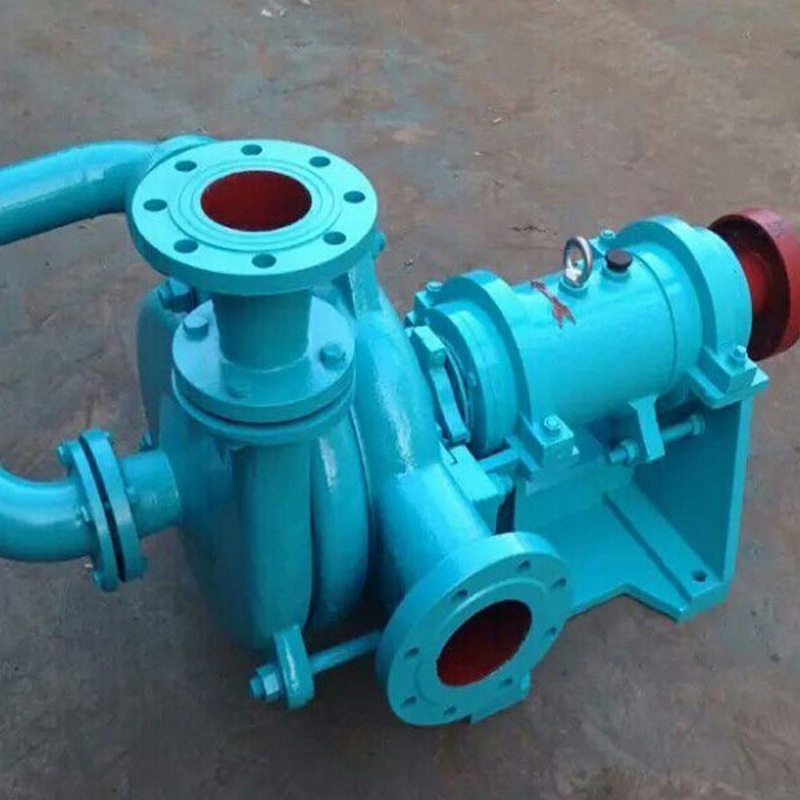
Residential sewer pumps, also known as effluent pumps, are critical components in wastewater management for properties located below the municipal sewer line or where gravity flow is insufficient. These pumps facilitate the removal of sewage and other wastewater from residential properties, preventing backups and ensuring sanitary conditions. Positioned within the wastewater stream, these submersible pumps are designed for continuous, intermittent operation and are typically installed in a basin or pit. Their core performance characteristics center around flow rate (gallons per minute – GPM), head (vertical distance the pump can lift the fluid), horsepower (HP), and solids handling capability. Reliable operation is paramount, as failure can lead to significant property damage, health hazards, and substantial remediation costs. The selection process involves careful consideration of hydraulic requirements, pump curve analysis, and environmental factors such as potential for clogging or corrosion.
Material Science & Manufacturing
The construction of residential sewer pumps heavily relies on materials selected for their corrosion resistance, durability, and mechanical strength. Pump housings are commonly manufactured from cast iron (ASTM A48 Class 30), specifically gray cast iron, offering a balance of cost-effectiveness and resistance to abrasive wear. However, for aggressive environments (high sulfide content, acidic conditions), ductile iron (ASTM A536-83) or stainless steel (typically 304 or 316 grade, conforming to ASTM A240) are preferred. Impeller materials also vary; cast iron is typical for standard applications, while stainless steel or engineered polymers (such as glass-filled polypropylene) are utilized for handling solids-laden wastewater. Shafts are generally constructed from 4140 alloy steel, hardened and tempered for high tensile strength and resistance to torsional stress. Seals are critical, employing materials like silicon carbide (SiC) against SiC, or tungsten carbide (WC) against SiC, to ensure leak-proof operation and prevent abrasive particle ingress.
Manufacturing processes involve several key stages. Housing production utilizes sand casting, followed by machining for precise dimensional accuracy and surface finish. Impellers are typically produced via investment casting for complex geometries and tight tolerances. Shaft manufacturing involves precision turning, grinding, and heat treatment. Pump assembly is a critical step, requiring precise alignment of the impeller, shaft, and seal components. Motor housings are often die-cast aluminum, providing lightweight construction and effective heat dissipation. Winding insulation utilizes Class H materials (180°C rated) to withstand the thermal stresses associated with continuous operation. Quality control procedures include hydrostatic testing to verify housing integrity, electrical safety testing, and performance curve validation.
Performance & Engineering
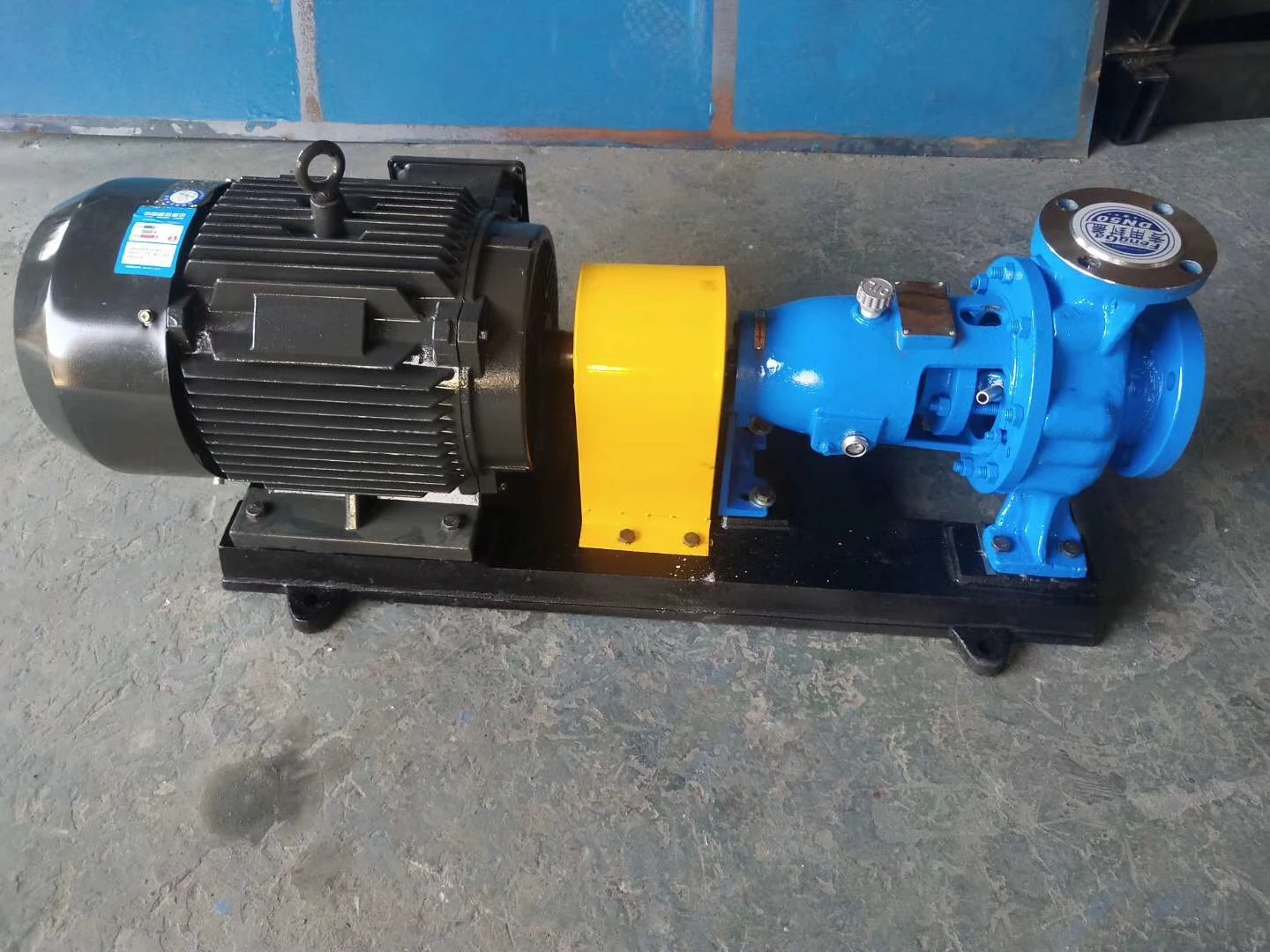
Performance engineering of residential sewer pumps is centered around hydraulic design and motor selection. Pump curves, generated through rigorous testing according to Hydraulic Institute standards, are essential for matching the pump to the specific application. Key parameters include flow rate versus head, efficiency, and power consumption. The impeller design (radial, mixed-flow, or axial) significantly influences these characteristics. Vortex impellers are favored for handling solids-laden fluids, while radial impellers provide higher head and efficiency for clear liquids.
Force analysis considers static and dynamic loads acting on the pump components. The weight of the pump and wastewater, plus the forces generated by fluid flow and motor operation, are critical factors. Finite element analysis (FEA) is often employed to optimize housing design and minimize stress concentrations. Environmental resistance is addressed through material selection and sealing strategies. Pumps must withstand prolonged submersion in wastewater, exposure to corrosive chemicals, and potential temperature fluctuations. Compliance requirements, such as those stipulated by the National Electrical Code (NEC) and local plumbing codes, dictate electrical safety features and installation procedures. Proper venting and grounding are essential to prevent electrical hazards. Furthermore, consideration must be given to noise and vibration levels, particularly in residential settings. Pump systems often incorporate vibration isolation mounts and acoustic enclosures to minimize disturbance.
Technical Specifications
| Horsepower (HP) | Flow Rate (GPM) @ 10ft Head | Maximum Head (ft) | Solids Handling Capability (in) |
|---|---|---|---|
| 1/3 HP | 40 | 25 | 1/2 |
| 1/2 HP | 60 | 35 | 3/4 |
| 3/4 HP | 80 | 45 | 1 |
| 1 HP | 100 | 55 | 1.5 |
| 1.5 HP | 120 | 65 | 2 |
| 2 HP | 150 | 75 | 2.5 |
Failure Mode & Maintenance
Residential sewer pump failures typically stem from several key modes. Bearing failure is common, resulting from wear and tear, inadequate lubrication, or contamination. Impeller damage can occur due to abrasive particles, rag accumulation, or foreign object intrusion. Seal failure leads to leakage and potential motor damage. Motor winding failure is often caused by overheating, moisture ingress, or voltage fluctuations. Clogging, a frequent issue, reduces pump capacity and can lead to motor overload. Corrosion, particularly in aggressive wastewater environments, weakens structural components. Fatigue cracking can occur in the housing or impeller due to cyclical loading.
Preventive maintenance is crucial. Regular inspection of the pump and basin for debris and obstructions is essential. Periodic cleaning of the impeller and volute prevents clogging. Lubrication of bearings, according to manufacturer specifications, extends their lifespan. Electrical connections should be inspected for corrosion and tightness. Monitoring motor current and voltage can identify potential electrical issues. Scheduled seal replacement, based on operating hours and wastewater characteristics, prevents leakage. For emergency repairs, qualified technicians should diagnose and address issues promptly. Proper disposal of wastewater and adherence to safety protocols are paramount. Routine testing of the check valve ensures proper operation and prevents backflow.
Industry FAQ
Q: What is the expected lifespan of a typical residential sewer pump?
A: The lifespan varies significantly based on operating conditions and maintenance practices, but generally ranges from 7 to 15 years. Factors such as the frequency of use, the type of wastewater being pumped (solids content, chemical composition), and the quality of installation and maintenance heavily influence longevity. Pumps operating in corrosive environments or frequently exposed to clogging agents will likely have a shorter lifespan.
Q: How do I determine the correct horsepower (HP) for my application?
A: Determining the correct HP requires a thorough assessment of the total dynamic head (TDH) and the required flow rate. TDH is the vertical distance the pump must lift the wastewater, plus friction losses in the piping system. Consulting pump performance curves and utilizing sizing charts provided by manufacturers is recommended. Oversizing the pump can lead to inefficient operation and short cycling, while undersizing can result in insufficient capacity and potential pump damage.
Q: What are the common causes of pump failure related to solids?
A: Solid-related failures are primarily caused by rag accumulation, debris, and foreign object intrusion. These materials can clog the impeller, damage the seals, and overload the motor. Utilizing a grinder pump or installing a strainer upstream of the pump can mitigate these issues. Regular inspection and removal of debris from the basin are also essential preventative measures.
Q: What safety precautions should be taken during pump installation and maintenance?
A: Prioritize electrical safety by disconnecting power before any maintenance or repair work. Always wear appropriate personal protective equipment (PPE), including gloves, safety glasses, and waterproof boots. Be mindful of potential hazards associated with confined spaces, such as oxygen deficiency and hazardous gases. Proper grounding and bonding are crucial to prevent electrical shock. Follow all local and national electrical codes.
Q: What is the role of a check valve in a sewer pump system?
A: A check valve prevents backflow of wastewater into the basin when the pump shuts off. This ensures that the pump doesn't have to work against the weight of the water column during start-up, reducing stress on the motor and extending the pump's lifespan. It also prevents sewage from flowing back into the home. Regular inspection of the check valve is essential to ensure it's functioning properly.
Conclusion
Residential sewer pumps represent a crucial element in modern wastewater management systems, demanding careful selection, installation, and maintenance for reliable operation. The materials utilized – cast iron, ductile iron, stainless steel, and engineered polymers – are chosen for their inherent corrosion resistance and mechanical strength, tailored to the specific application environment. A thorough understanding of pump performance curves, hydraulic principles, and potential failure modes is vital for ensuring long-term functionality and preventing costly downtime.
The industry trend is moving towards more energy-efficient pump designs, incorporating variable frequency drives (VFDs) for optimized performance and reduced energy consumption. Furthermore, remote monitoring and diagnostic capabilities are becoming increasingly prevalent, enabling proactive maintenance and minimizing the risk of unexpected failures. Adherence to relevant industry standards (detailed below) and best practices in installation and maintenance will remain paramount in maximizing the lifespan and efficiency of residential sewer pump systems.
-
Comprehensive Guide to Waterproof ORings for Optimal Sealing Solutions
News2026-06-09
-
Waste Tank Pump Performance Analysis
News2026-06-27
-
Sewer System Pump Out Material Science
News2026-06-27
-
Sewer Ejector Pit Performance Analysis
News2026-06-27
-
septic tank pumps for sale Performance Engineering
News2026-06-27
-
septic system with lift pump Performance Engineering
News2026-06-27
-
septic system sump pump Performance Analysis
News2026-06-26
-
septic pump company Performance Analysis
News2026-06-26
-
pumps water treatment Performance Analysis
News2026-06-26
-
pumps for septic tanks Material Science and Manufacturing
News2026-06-26
-
pump for septic system Material Science Manufacturing
News2026-06-26
-
heavy duty submersible pump Performance Analysis
News2026-06-25
-
best submersible pump for septic tank Performance Analysis
News2026-06-25
-
basement sewer ejector pump Performance Analysis
News2026-06-25
-
basement pumps ejector pumps Performance Analysis
News2026-06-25




