English
- Afrikaans
- Albanian
- Amharic
- Arabic
- Armenian
- Azerbaijani
- Basque
- Belarusian
- Bengali
- Bosnian
- Bulgarian
- Catalan
- Cebuano
- Corsican
- Croatian
- Czech
- Danish
- Dutch
- English
- Esperanto
- Estonian
- Finnish
- French
- Frisian
- Galician
- Georgian
- German
- Greek
- Gujarati
- Haitian Creole
- hausa
- hawaiian
- Hebrew
- Hindi
- Miao
- Hungarian
- Icelandic
- igbo
- Indonesian
- irish
- Italian
- Japanese
- Javanese
- Kannada
- kazakh
- Khmer
- Rwandese
- Korean
- Kurdish
- Kyrgyz
- Lao
- Latin
- Latvian
- Lithuanian
- Luxembourgish
- Macedonian
- Malgashi
- Malay
- Malayalam
- Maltese
- Maori
- Marathi
- Mongolian
- Myanmar
- Nepali
- Norwegian
- Norwegian
- Occitan
- Pashto
- Persian
- Polish
- Portuguese
- Punjabi
- Romanian
- Russian
- Samoan
- Scottish Gaelic
- Serbian
- Sesotho
- Shona
- Sindhi
- Sinhala
- Slovak
- Slovenian
- Somali
- Spanish
- Sundanese
- Swahili
- Swedish
- Tagalog
- Tajik
- Tamil
- Tatar
- Telugu
- Thai
- Turkish
- Turkmen
- Ukrainian
- Urdu
- Uighur
- Uzbek
- Vietnamese
- Welsh
- Bantu
- Yiddish
- Yoruba
- Zulu

Telephone: +86 13120555503
Email: frank@cypump.com


Apr . 01, 2024 17:55 Back to list
residential sewage pumps Material Science and Manufacturing
Introduction
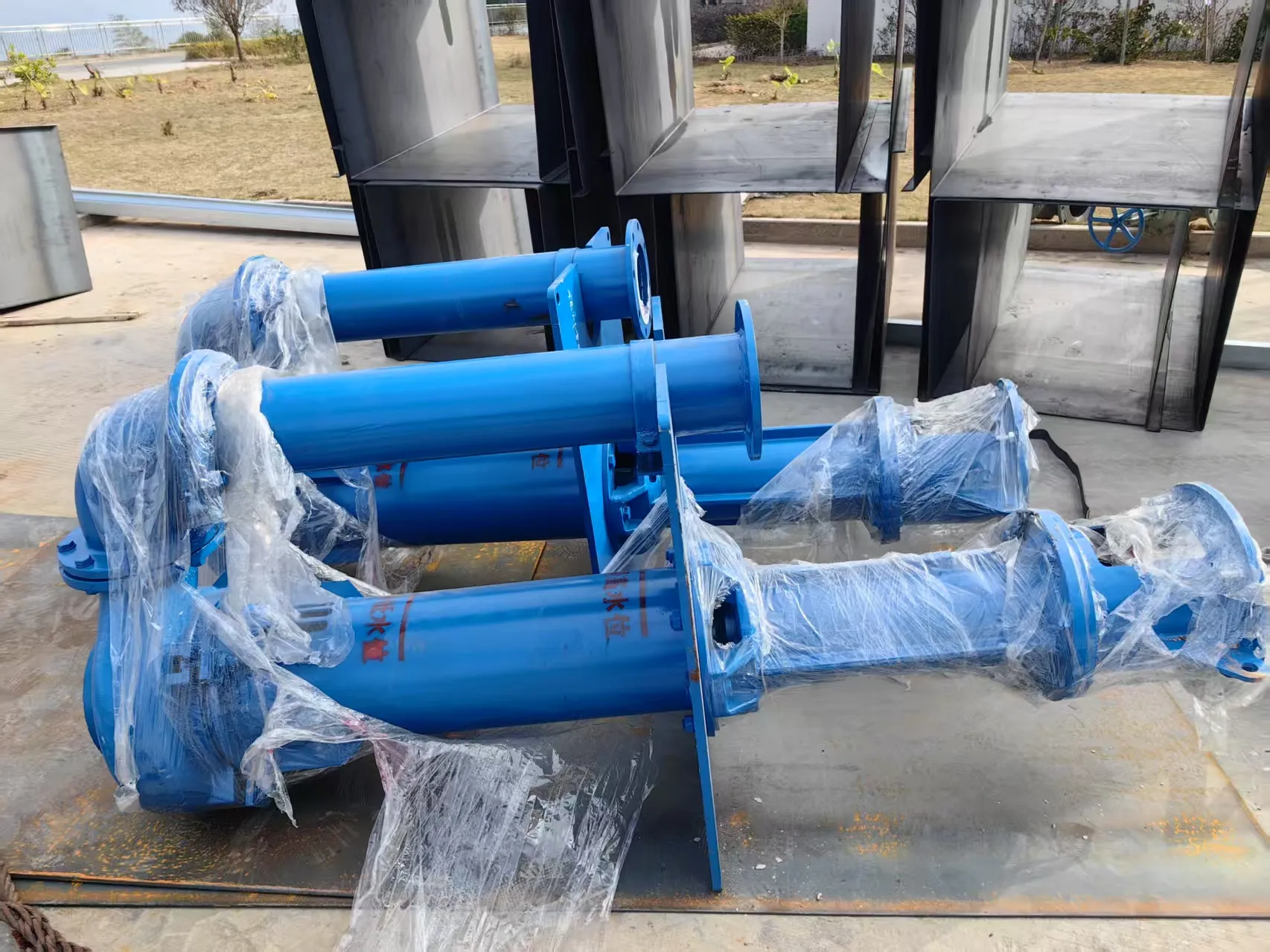
Residential sewage pumps, also known as effluent pumps, are engineered systems designed for the removal of wastewater from residential properties where gravity drainage is not feasible. These systems are crucial for homes located below the municipal sewer line, or in areas with challenging topographical conditions. Their primary function is to collect and transfer wastewater – including sewage, greywater, and solids – to the main sewer system or a septic tank. The technical position of these pumps within the wastewater management chain is as a critical intermediary step, ensuring consistent and reliable flow despite challenging installation environments. Core performance characteristics are defined by flow rate (gallons per minute or liters per minute), head (vertical lift capability in feet or meters), solids handling capability (expressed in diameter of solid particles), and power consumption. A properly specified and maintained residential sewage pump is vital for preventing backups, maintaining sanitation, and protecting property from wastewater damage. The increasing demand for decentralized wastewater solutions and sustainable water management practices drives continuous advancements in pump efficiency, reliability, and automation.
Material Science & Manufacturing
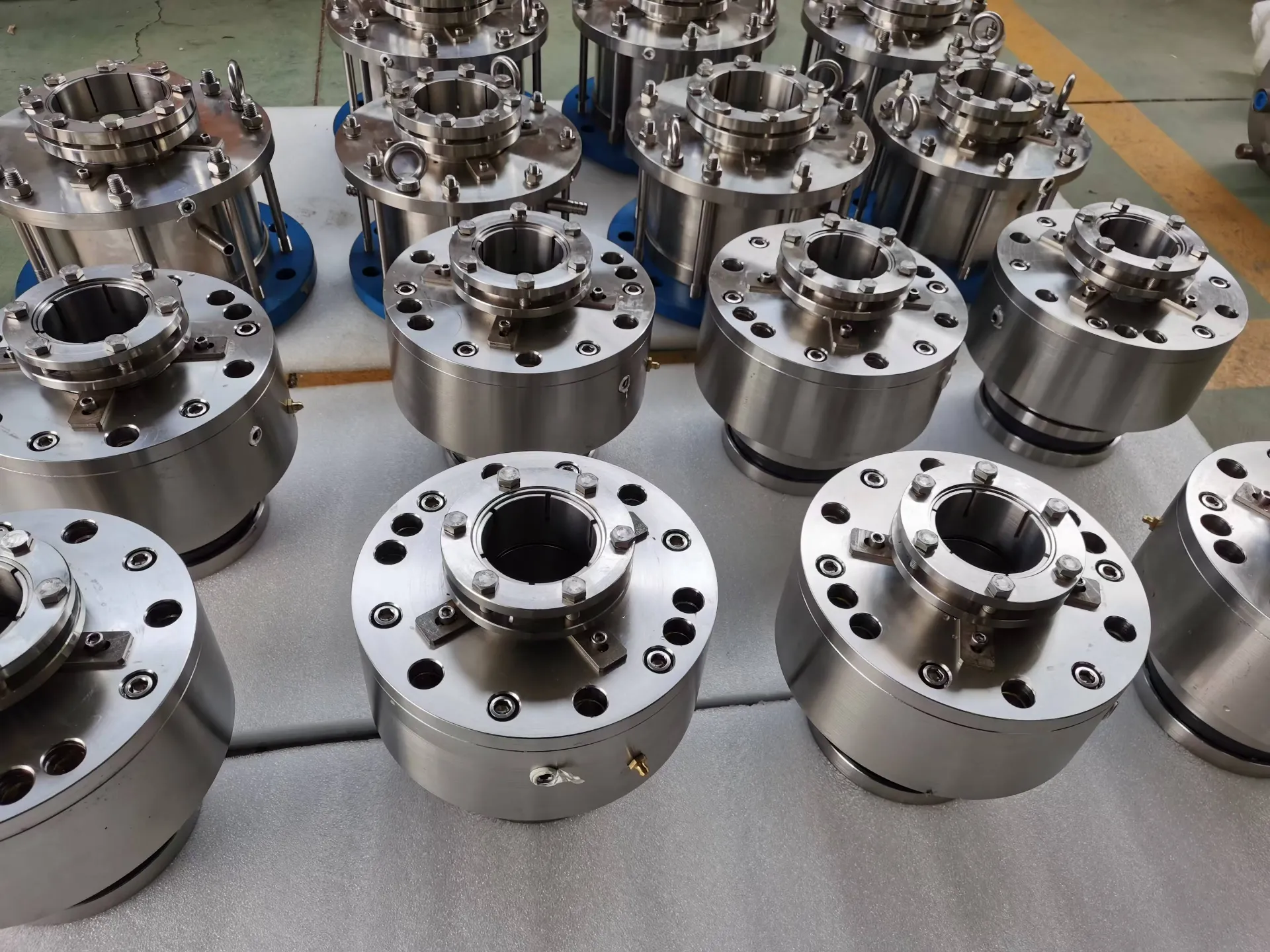
The construction of residential sewage pumps necessitates materials resistant to corrosive elements found in wastewater and capable of withstanding continuous submerged operation. Pump housings are commonly manufactured from cast iron (ASTM A48 Class 30 or equivalent), known for its robustness and cost-effectiveness. However, modern designs increasingly utilize stainless steel (typically 304 or 316 grades – ASTM A240) for enhanced corrosion resistance, particularly in environments with aggressive waste streams. Impeller materials, critical for efficient fluid transfer, are often composed of high-grade engineered polymers such as polypropylene or glass-filled nylon, chosen for their resistance to abrasion from solids and their lightweight properties. Shafts are typically constructed from stainless steel (410 or 420 series) offering sufficient strength and corrosion resistance. Seals are vital for preventing leakage and are commonly manufactured from materials like silicon carbide versus silicon carbide, or ceramic versus ceramic, providing a hard, wear-resistant sealing surface. Manufacturing processes involve several key stages. Cast iron housings are produced using sand casting, followed by machining for precision fit and surface finish. Stainless steel components are typically produced using investment casting or CNC machining. Impellers are manufactured via injection molding. Assembly involves stringent quality control procedures, including hydrostatic testing to ensure leak-proof operation, and electrical safety testing to meet relevant standards. Critical parameters controlled during manufacturing include impeller balance (to minimize vibration), seal concentricity (to ensure effective sealing), and housing wall thickness (to withstand pressure variations).
Performance & Engineering
The performance of a residential sewage pump is governed by a complex interplay of hydraulic and mechanical engineering principles. Force analysis focuses on the impeller’s interaction with the fluid, generating centrifugal force to overcome gravity and friction losses within the piping system. Head loss calculations, utilizing the Darcy-Weisbach equation and incorporating factors like pipe roughness and flow velocity, are essential for selecting a pump with sufficient capacity. Environmental resistance is paramount; pumps must operate reliably in constant moisture and be protected against potential corrosion from hydrogen sulfide and other gases present in sewage. Compliance requirements include adherence to National Electrical Manufacturers Association (NEMA) standards for motor performance and safety (NEMA MG 1), as well as Underwriters Laboratories (UL) listing for electrical safety and performance. Functional implementation involves careful consideration of pump curve characteristics (relationship between flow rate and head), system curve characteristics (resistance to flow within the piping system), and the selection of appropriate controls, such as float switches, to automate pump operation based on liquid level. Proper sizing of the wet well (sump) and discharge piping is crucial to prevent vortex formation and solids buildup, which can reduce pump efficiency and lead to clogging. Motor selection considers factors like horsepower, voltage, and phase, ensuring compatibility with the available power supply. Thermal overload protection is critical to prevent motor damage from overheating.
Technical Specifications
| Parameter | Typical Range (Small Residential) | Typical Range (Large Residential/Light Commercial) | Units |
|---|---|---|---|
| Flow Rate | 40-70 | 100-200 | Gallons Per Minute (GPM) |
| Total Dynamic Head | 15-30 | 30-60 | Feet |
| Solids Handling Capability | Up to 2 | Up to 3 | Inches |
| Motor Horsepower | 1/2 - 1 | 1 - 2 | HP |
| Voltage | 115/230 | 230/460 | VAC |
| Phase | Single | Three |
Failure Mode & Maintenance
Residential sewage pump failures can stem from various sources. Fatigue cracking of the impeller, particularly in systems handling abrasive solids, is a common issue. Delamination of polymeric impellers can occur due to prolonged exposure to chemicals and mechanical stress. Seal failure, leading to leakage, often results from abrasive wear or incompatibility with the wastewater composition. Clogging, caused by debris accumulation, can overload the motor and potentially burn it out. Corrosion, particularly of cast iron housings, occurs in highly corrosive environments. Electrical failures, including winding shorts and insulation breakdown, can result from moisture ingress or voltage fluctuations. Prevention and maintenance are critical. Regular inspection of the wet well for debris buildup is essential. Periodic cleaning of the impeller and volute housing removes accumulated solids. Seal replacement, following manufacturer recommendations, prevents leakage and maintains pump efficiency. Motor lubrication (if applicable) ensures smooth operation and prevents overheating. Monitoring of pump performance parameters, such as amperage draw and vibration levels, can provide early warning signs of potential failures. A preventative maintenance schedule, including annual inspections and component replacements, significantly extends pump life and reduces the risk of costly emergency repairs. Proper venting of the wet well is also crucial to mitigate corrosion.
Industry FAQ
Q: What is the difference between a submersible and a pedestal sewage pump?
A: Submersible pumps are fully submerged in the wastewater within the wet well, offering quieter operation and reduced risk of priming issues. They are generally more efficient and suited for installations with limited space. Pedestal pumps have the motor located above the wet well, connected to the impeller via a shaft. They are easier to access for maintenance but are typically louder and require more space. The choice depends on installation constraints, noise level requirements, and maintenance preferences.
Q: How do I determine the correct pump size for my application?
A: Determining the correct pump size requires calculating the total dynamic head (TDH) – the vertical lift plus friction losses in the piping system. You also need to estimate the peak flow rate based on anticipated wastewater volume. Consulting pump performance curves and selecting a pump that operates within its optimal efficiency range is crucial. Undersized pumps will struggle to maintain flow, while oversized pumps can cycle frequently, reducing their lifespan.
Q: What is the significance of solids handling capability?
A: Solids handling capability refers to the maximum diameter of solid particles the pump can process without clogging. Residential sewage often contains debris such as rags, wipes, and sanitary products. Selecting a pump with an appropriate solids handling capacity prevents clogging, minimizes maintenance, and ensures reliable operation. It is important to consider the specific composition of the wastewater when determining this parameter.
Q: What type of control systems are commonly used with residential sewage pumps?
A: Float switches are the most common control system, automatically activating the pump when the liquid level reaches a predetermined height and deactivating it when the level drops. Pressure transducers can also be used for more precise control, responding to changes in pressure within the wet well. More advanced systems incorporate programmable logic controllers (PLCs) for customized control strategies and remote monitoring capabilities.
Q: How often should I inspect and maintain my sewage pump system?
A: A visual inspection of the pump and wet well should be conducted monthly. A comprehensive inspection, including impeller cleaning, seal check, and electrical connection verification, should be performed annually by a qualified technician. Regular maintenance, following the manufacturer's recommendations, significantly extends pump life and prevents costly repairs.
Conclusion
Residential sewage pumps represent a vital component of modern decentralized wastewater management systems. Their reliable operation is contingent upon careful material selection, precise manufacturing processes, and accurate engineering design. Understanding the interplay between hydraulic performance, environmental resistance, and compliance standards is paramount for ensuring long-term system efficacy.
Looking ahead, advancements in pump technology will focus on enhancing energy efficiency, improving solids handling capabilities, and integrating smart control systems for remote monitoring and diagnostics. Prioritizing preventative maintenance and adhering to industry best practices will remain essential for maximizing pump lifespan and minimizing operational costs. The continued development of robust and reliable sewage pump systems is crucial for protecting public health and preserving environmental quality.
-
residential sewage pumps Material Science and Manufacturing
News2026-05-26
-
residential sewage lift pump Performance Analysis
News2026-05-26
-
high head sump pump Performance and Engineering
News2026-05-26
-
effluent pump for septic tank Material Science Manufacturing
News2026-05-26
-
effluent and sewage pumps Material Science Manufacturing
News2026-05-26
-
1 2 hp sewage ejector pump Performance Engineering
News2026-05-25
-
Zoeller 1/2 hp sewage pump Performance Analysis
News2026-05-25
-
Effluent Pump Performance Analysis
News2026-05-25
-
sump pump vs effluent pump Performance Analysis
News2026-05-25
-
sewer pumps residential Performance Analysis
News2026-05-25
-
Sewage Pump Company Performance and Engineering
News2026-05-24
-
sewage pump 1/2 hp Performance Analysis
News2026-05-24
-
Sewage Ejector Systems Performance Analysis
News2026-05-24
-
Sewage Ejection System Material Science and Manufacturing
News2026-05-24
-
sewage and effluent pumps Performance Engineering
News2026-05-24




