English
- Afrikaans
- Albanian
- Amharic
- Arabic
- Armenian
- Azerbaijani
- Basque
- Belarusian
- Bengali
- Bosnian
- Bulgarian
- Catalan
- Cebuano
- Corsican
- Croatian
- Czech
- Danish
- Dutch
- English
- Esperanto
- Estonian
- Finnish
- French
- Frisian
- Galician
- Georgian
- German
- Greek
- Gujarati
- Haitian Creole
- hausa
- hawaiian
- Hebrew
- Hindi
- Miao
- Hungarian
- Icelandic
- igbo
- Indonesian
- irish
- Italian
- Japanese
- Javanese
- Kannada
- kazakh
- Khmer
- Rwandese
- Korean
- Kurdish
- Kyrgyz
- Lao
- Latin
- Latvian
- Lithuanian
- Luxembourgish
- Macedonian
- Malgashi
- Malay
- Malayalam
- Maltese
- Maori
- Marathi
- Mongolian
- Myanmar
- Nepali
- Norwegian
- Norwegian
- Occitan
- Pashto
- Persian
- Polish
- Portuguese
- Punjabi
- Romanian
- Russian
- Samoan
- Scottish Gaelic
- Serbian
- Sesotho
- Shona
- Sindhi
- Sinhala
- Slovak
- Slovenian
- Somali
- Spanish
- Sundanese
- Swahili
- Swedish
- Tagalog
- Tajik
- Tamil
- Tatar
- Telugu
- Thai
- Turkish
- Turkmen
- Ukrainian
- Urdu
- Uighur
- Uzbek
- Vietnamese
- Welsh
- Bantu
- Yiddish
- Yoruba
- Zulu

Telephone: +86 13120555503
Email: frank@cypump.com


Apr . 01, 2024 17:55 Back to list
residential sewage lift pump Performance Analysis
Introduction
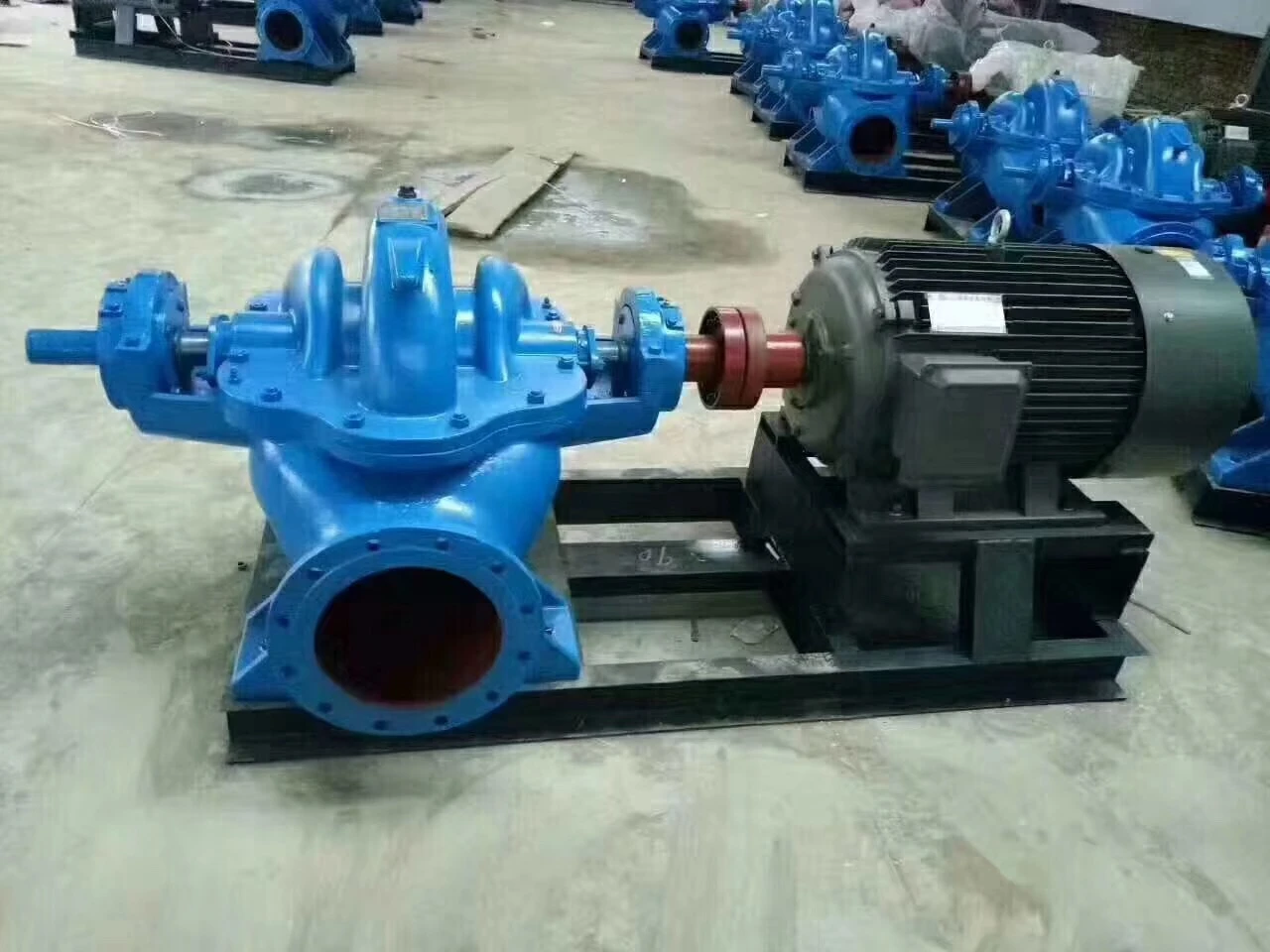
Residential sewage lift pumps, also known as sewage ejector pumps, are critical components in wastewater management for homes situated below the municipal sewer line or where gravity drainage is insufficient. These pumps actively transfer wastewater from a holding tank to the main sewer system, preventing backflow and ensuring proper sanitation. Unlike sump pumps which handle groundwater, sewage lift pumps are designed to handle solids-laden wastewater, necessitating robust construction and specialized impeller designs. Their technical positioning within the wastewater infrastructure chain is as a localized, on-demand transfer solution, bridging the gap between household plumbing and the broader municipal sewage network. Core performance is defined by flow rate (gallons per minute - GPM), head (vertical lift in feet), and solids handling capability (diameter of solids the pump can process without clogging). Failure to maintain adequate lift capacity results in sewage backups, posing significant health and sanitation risks.
Material Science & Manufacturing
The construction of residential sewage lift pumps demands careful material selection due to the corrosive nature of wastewater. Pump housings are commonly manufactured from cast iron (ASTM A48 Class 30) coated with epoxy or a similar corrosion-resistant finish to withstand prolonged exposure to hydrogen sulfide and other aggressive compounds. Impellers are frequently made from high-strength stainless steel (304 or 316 grade – ASTM A240) or engineered polymers (like glass-filled polypropylene) selected for abrasion resistance and hydrolytic stability. Shafts typically utilize 4140 alloy steel (ASTM A297) heat-treated for enhanced durability. Manufacturing processes include sand casting for the housing, investment casting or machining for the impeller, and precision turning/milling for the shaft and other rotating components. Welding, where employed (e.g., for motor mounting brackets), adheres to AWS D1.1 standards for structural welding. Critical parameter control during manufacturing includes dimensional accuracy of impeller vanes (influencing pump efficiency), concentricity of the shaft and housing (reducing vibration and bearing wear), and the thickness/uniformity of protective coatings (maximizing corrosion resistance). Seal materials, typically nitrile or Viton, require precise molding and quality control to prevent leakage and ensure long-term performance. Motor housings are typically constructed from cast aluminum to provide effective heat dissipation.
Performance & Engineering
Pump performance is fundamentally governed by fluid dynamics and mechanical engineering principles. Force analysis considers both static head (vertical distance the wastewater is lifted) and dynamic head (friction losses in the piping system). The pump’s horsepower rating must be sufficient to overcome these combined head losses while delivering the required flow rate. Cavitation, a major concern, occurs when the pressure within the pump drops below the vapor pressure of the liquid, forming vapor bubbles that collapse and damage the impeller. Proper Net Positive Suction Head Required (NPSHr) calculations, as per Hydraulic Institute standards, are crucial to prevent cavitation. Environmental resistance is paramount; pumps must operate reliably in potentially damp, corrosive environments. Motor enclosures are rated according to NEMA standards (e.g., NEMA 4X for watertight and corrosion-resistant operation). Compliance requirements include UL 778 (safety for pumps) and potentially local plumbing codes dictating backwater valve installation and alarm system requirements. Functional implementation relies on a float switch system that automatically activates the pump when the wastewater level in the holding tank reaches a pre-set threshold and deactivates it when the level drops. Proper float switch calibration and maintenance are critical for reliable operation.
Technical Specifications
| Parameter | Unit | Typical Value (Residential Grade) | Typical Value (Heavy Duty Residential) |
|---|---|---|---|
| Flow Rate | GPM (Gallons Per Minute) | 40-60 | 70-100 |
| Total Dynamic Head | Feet | 20-30 | 40-60 |
| Motor Horsepower | HP | 1/2 - 3/4 | 1 - 1.5 |
| Solids Handling Capability | Inches | Up to 2 | Up to 3 |
| Discharge Pipe Size | Inches | 1.25 – 1.5 | 2 |
| Voltage | V | 120/240 | 240 |
Failure Mode & Maintenance
Common failure modes in residential sewage lift pumps include impeller blockage (due to debris or rags), motor burnout (caused by overheating or electrical faults), seal failure (leading to leakage), and float switch malfunction (resulting in pump over-cycling or failure to activate). Fatigue cracking in the impeller or housing can occur over time due to cyclical loading and stress corrosion. Delamination of epoxy coatings can expose the underlying cast iron to corrosion. Oxidation of electrical connections can lead to intermittent operation or complete failure. Preventive maintenance is crucial. This includes regular inspection of the pump intake for obstructions, cleaning of the pump basin, testing of the float switch, lubrication of motor bearings (if applicable), and verification of proper voltage and amperage draw. Periodic inspection for corrosion and re-coating of the housing can extend pump life. In the event of motor failure, resistance testing of the motor windings can identify short circuits or open circuits. Seal replacement requires careful attention to ensure proper alignment and sealing. Failure analysis of failed components can pinpoint the root cause of the failure and inform future maintenance practices. Regular monitoring of pump run times and power consumption can provide early warning signs of potential problems.
Industry FAQ
Q: What is the expected lifespan of a residential sewage lift pump?
A: The lifespan varies depending on usage frequency, wastewater composition, and maintenance practices. However, a typical lifespan ranges from 7 to 15 years. Heavy usage and abrasive solids will shorten the lifespan, while diligent maintenance can extend it.
Q: What causes frequent pump cycling (short cycling)?
A: Frequent pump cycling is often caused by a misadjusted float switch, a leak in the check valve allowing backflow, or a partially blocked intake. It puts excessive strain on the motor and can lead to premature failure.
Q: How do I prevent clogging of the pump impeller?
A: Install a strainer or screen at the pump intake to prevent large solids from entering the pump. Avoid flushing non-biodegradable items (e.g., feminine hygiene products, wipes) down the toilet. Regular inspection and cleaning of the pump basin are also essential.
Q: What type of electrical protection is required for a sewage lift pump?
A: A dedicated circuit with a Ground Fault Circuit Interrupter (GFCI) is essential for safety. The circuit breaker should be sized appropriately for the pump’s horsepower and voltage requirements, as per the National Electrical Code (NEC).
Q: What is the role of a check valve in a sewage lift pump system?
A: The check valve prevents wastewater from flowing back into the holding tank when the pump is off. This maintains prime within the pump and prevents unnecessary cycling. A malfunctioning check valve can lead to pump over-cycling and reduced efficiency.
Conclusion
Residential sewage lift pumps are integral to the functionality of wastewater systems in challenging installations. Their reliable operation relies on a combination of robust material science, precision manufacturing, and sound engineering principles. Understanding the interplay between flow rate, head, solids handling, and potential failure modes is paramount for both informed procurement and proactive maintenance.
Continued advancements in pump technology, such as variable frequency drives (VFDs) for energy optimization and smart monitoring systems for predictive maintenance, promise to further enhance the performance and longevity of these essential components. Adherence to relevant industry standards and best practices ensures safe, efficient, and environmentally responsible wastewater management.
-
residential sewage pumps Material Science and Manufacturing
News2026-05-26
-
residential sewage lift pump Performance Analysis
News2026-05-26
-
high head sump pump Performance and Engineering
News2026-05-26
-
effluent pump for septic tank Material Science Manufacturing
News2026-05-26
-
effluent and sewage pumps Material Science Manufacturing
News2026-05-26
-
1 2 hp sewage ejector pump Performance Engineering
News2026-05-25
-
Zoeller 1/2 hp sewage pump Performance Analysis
News2026-05-25
-
Effluent Pump Performance Analysis
News2026-05-25
-
sump pump vs effluent pump Performance Analysis
News2026-05-25
-
sewer pumps residential Performance Analysis
News2026-05-25
-
Sewage Pump Company Performance and Engineering
News2026-05-24
-
sewage pump 1/2 hp Performance Analysis
News2026-05-24
-
Sewage Ejector Systems Performance Analysis
News2026-05-24
-
Sewage Ejection System Material Science and Manufacturing
News2026-05-24
-
sewage and effluent pumps Performance Engineering
News2026-05-24




