English
- Afrikaans
- Albanian
- Amharic
- Arabic
- Armenian
- Azerbaijani
- Basque
- Belarusian
- Bengali
- Bosnian
- Bulgarian
- Catalan
- Cebuano
- Corsican
- Croatian
- Czech
- Danish
- Dutch
- English
- Esperanto
- Estonian
- Finnish
- French
- Frisian
- Galician
- Georgian
- German
- Greek
- Gujarati
- Haitian Creole
- hausa
- hawaiian
- Hebrew
- Hindi
- Miao
- Hungarian
- Icelandic
- igbo
- Indonesian
- irish
- Italian
- Japanese
- Javanese
- Kannada
- kazakh
- Khmer
- Rwandese
- Korean
- Kurdish
- Kyrgyz
- Lao
- Latin
- Latvian
- Lithuanian
- Luxembourgish
- Macedonian
- Malgashi
- Malay
- Malayalam
- Maltese
- Maori
- Marathi
- Mongolian
- Myanmar
- Nepali
- Norwegian
- Norwegian
- Occitan
- Pashto
- Persian
- Polish
- Portuguese
- Punjabi
- Romanian
- Russian
- Samoan
- Scottish Gaelic
- Serbian
- Sesotho
- Shona
- Sindhi
- Sinhala
- Slovak
- Slovenian
- Somali
- Spanish
- Sundanese
- Swahili
- Swedish
- Tagalog
- Tajik
- Tamil
- Tatar
- Telugu
- Thai
- Turkish
- Turkmen
- Ukrainian
- Urdu
- Uighur
- Uzbek
- Vietnamese
- Welsh
- Bantu
- Yiddish
- Yoruba
- Zulu

Telephone: +86 13120555503
Email: frank@cypump.com


Apr . 01, 2024 17:55 Back to list
replace septic pump Performance Analysis
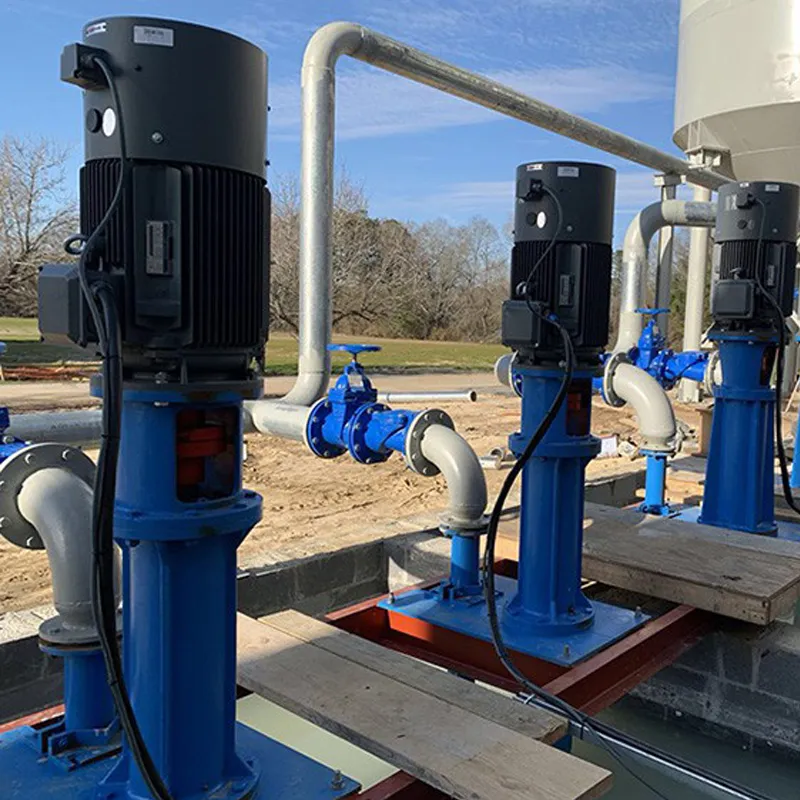
Introduction
Septic pump replacement is a critical component of wastewater management for properties not connected to municipal sewer systems. These pumps are responsible for transferring effluent from a septic tank to a drain field, ensuring proper wastewater disposal and preventing system backups. Failure to maintain or replace a septic pump when necessary can lead to significant environmental hazards, property damage, and substantial repair costs. This technical guide provides a comprehensive overview of septic pump replacement, encompassing material science, manufacturing processes, performance characteristics, failure modes, maintenance protocols, and relevant industry standards. The target audience includes wastewater professionals, property managers, building inspectors, and informed homeowners responsible for septic system upkeep. This document addresses the core industry pain point of maximizing septic system lifespan and minimizing costly emergency repairs through proactive pump replacement strategies and adherence to best practices.
Material Science & Manufacturing
Septic pumps commonly utilize several materials chosen for their resistance to corrosive wastewater components and mechanical durability. Pump housings are frequently constructed from engineered thermoplastics like polypropylene (PP) or high-density polyethylene (HDPE) due to their excellent chemical resistance to hydrogen sulfide, sulfates, and organic acids present in septic effluent. Impeller materials are typically either Noryl (a polyphenylene oxide blended with polystyrene) for its robustness and hydrolytic stability, or stainless steel (specifically 304 or 316 stainless steel) for applications requiring higher head pressures and abrasion resistance. Shafts are almost universally manufactured from 410 stainless steel, selected for its hardness and resistance to torsional stress. Seals critical to pump operation are often made from nitrile rubber (NBR) or Viton (fluoroelastomer) depending on the temperature and chemical exposure profiles.
Manufacturing processes vary depending on the component. Pump housings are primarily produced using injection molding, a process requiring precise control of melt temperature, injection pressure, and cooling rates to ensure dimensional accuracy and prevent warping. Impellers are typically investment cast or injection molded. Investment casting allows for complex geometries and tight tolerances. Shafts are often machined from bar stock, demanding precise CNC milling and turning operations. Critical parameters controlled during manufacturing include material density, wall thickness, surface finish, and impeller balance. Achieving optimal material properties necessitates thorough quality control checks, including tensile testing, hardness testing, and chemical resistance verification. Proper weld quality (in stainless steel components) is ensured through non-destructive testing methods like radiographic inspection or dye penetrant testing. Pump assembly is a semi-automated process requiring adherence to strict torque specifications for bolted connections and precise alignment of rotating components to minimize vibration and premature wear.
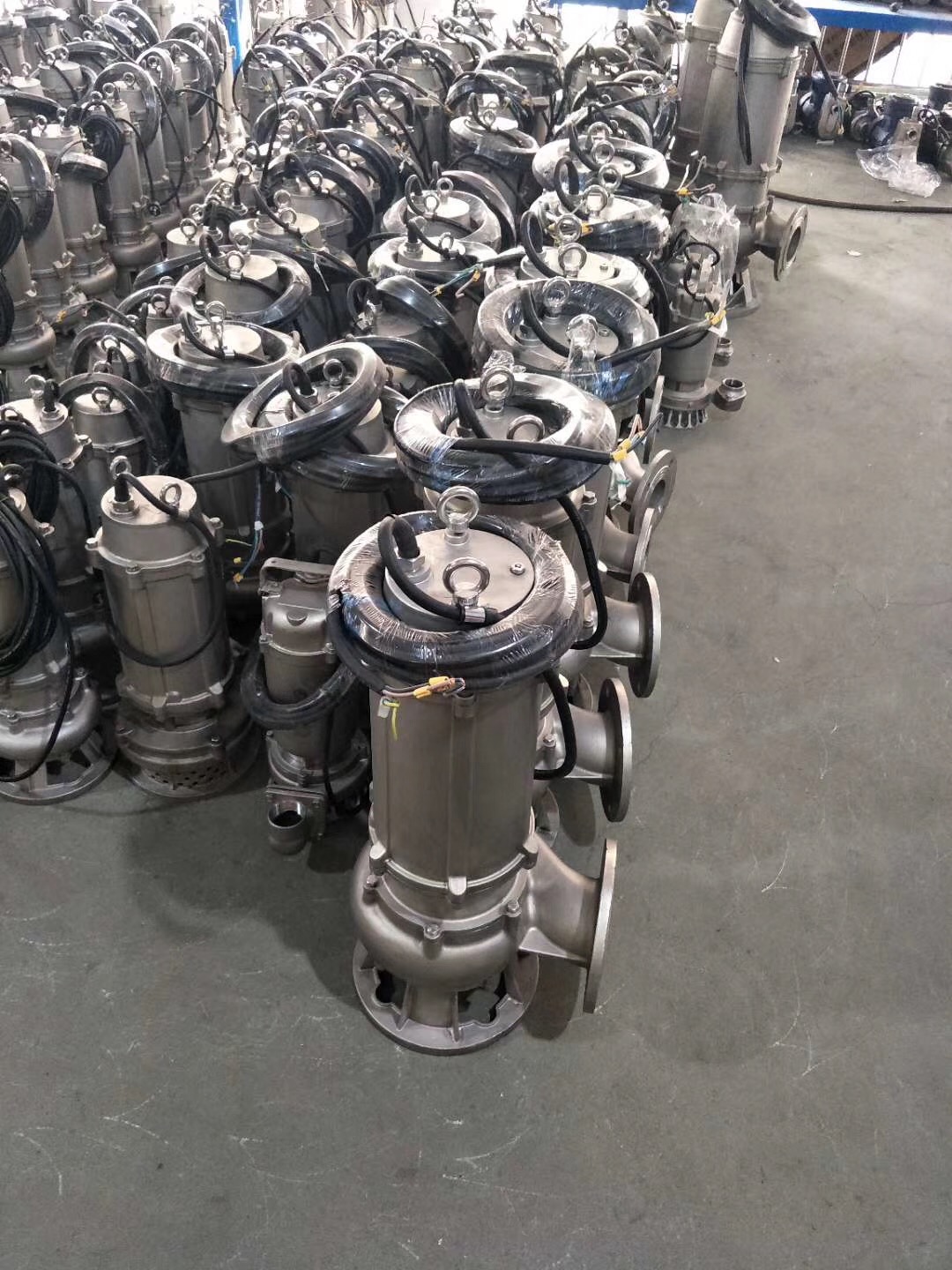
Performance & Engineering
Septic pump performance is evaluated based on several key engineering parameters, including flow rate (gallons per minute or GPM), total dynamic head (TDH – the vertical distance the pump can lift the effluent), horsepower (HP), and power consumption. Force analysis involves calculating the centrifugal force generated by the impeller, the hydraulic losses within the pump volute and discharge piping, and the static head pressure. Pump curves, provided by manufacturers, graphically represent the relationship between flow rate and TDH at various impeller speeds. Selecting the correct pump requires careful consideration of the drain field’s elevation relative to the septic tank, the length and diameter of the discharge piping, and the anticipated effluent flow rates.
Environmental resistance is crucial. Pump components must withstand prolonged exposure to corrosive wastewater, fluctuating temperatures, and potential UV degradation (for exposed components). Compliance requirements vary by region but generally adhere to standards established by the National Sanitation Foundation (NSF) and local environmental regulations. Functional implementation details include the use of float switches to automatically activate and deactivate the pump based on effluent levels, and backflow prevention valves to prevent wastewater from re-entering the septic tank. Proper pump sizing and installation are essential to prevent overloading, cavitation (the formation of vapor bubbles within the impeller), and premature pump failure. Regular inspection of electrical connections and wiring is critical to ensure safe and reliable operation.
Technical Specifications
| Parameter | Typical Range (Residential Applications) | Units | Testing Standard |
|---|---|---|---|
| Flow Rate | 40-100 | GPM | ANSI/NSF 40 |
| Total Dynamic Head | 10-50 | Feet | Hydraulic Institute Standards |
| Horsepower | 1/2 - 1 | HP | NEMA MG 1 |
| Voltage | 115/230 | VAC | UL 508A |
| Impeller Material | Noryl/304 Stainless Steel | - | ASTM A97 / ASTM D610 |
| Housing Material | Polypropylene/HDPE | - | ASTM D4101 / ASTM D1248 |
Failure Mode & Maintenance
Septic pump failures commonly stem from several modes. Fatigue cracking can occur in the impeller or shaft due to cyclic loading and stress concentration. Delamination of impeller blades, particularly in plastic impellers, can result from prolonged exposure to abrasive particles in the effluent. Corrosion, especially pitting corrosion in stainless steel components, can weaken the pump structure and lead to leakage. Blockages caused by solids (e.g., rags, paper) can overload the motor and cause it to burn out. Seal failure is a frequent issue, allowing wastewater to enter the motor housing and causing electrical short circuits. Oxidation of electrical connections can also lead to intermittent operation or complete failure.
Preventative maintenance is vital. Regularly (at least annually) inspect the pump for signs of corrosion, wear, and leakage. Clean the pump intake screen to remove debris and prevent blockages. Check the float switch for proper operation. Lubricate the motor bearings as recommended by the manufacturer. Periodically test the pump’s performance to ensure it is delivering the expected flow rate and head pressure. When replacing a pump, ensure the new unit is compatible with the existing plumbing and electrical systems. Proper grounding is essential for electrical safety. Consider installing a pump alarm system to provide early warning of pump failure. Always disconnect power to the pump before performing any maintenance or repair work.
Industry FAQ
Q: What is the typical lifespan of a septic pump and what factors influence it?
A: A well-maintained septic pump typically lasts between 7-10 years. However, lifespan is significantly impacted by effluent composition (high solids content reduces lifespan), pump operating cycle (frequent starts/stops increase wear), and environmental conditions (corrosive environments accelerate degradation). Pump quality and proper installation are also critical determinants.
Q: How do I determine the correct size of replacement septic pump?
A: Correct sizing requires calculating the total dynamic head (TDH) – accounting for vertical lift, friction losses in the piping, and pressure requirements at the drain field. Flow rate must also be considered, based on the number of bedrooms in the house and anticipated wastewater generation. Consulting with a qualified wastewater professional is highly recommended.
Q: What are the signs that my septic pump needs to be replaced?
A: Common signs include frequent pump cycling (short-cycling), unusually long run times, reduced flow rate, unusual noises (grinding or humming), sewage backups, and a pump alarm activation. A complete failure of the pump to operate is also an obvious indication.
Q: Is it acceptable to use a higher horsepower pump than the original?
A: Increasing horsepower without also considering the pump curve and system head requirements can lead to excessive flow rates and potential damage to the drain field. It's generally not advisable to simply increase horsepower; a properly sized pump with the correct performance characteristics is crucial. A professional assessment is vital.
Q: What safety precautions should be taken when replacing a septic pump?
A: Always disconnect power to the pump at the circuit breaker before commencing any work. Wear appropriate personal protective equipment (PPE), including gloves, safety glasses, and waterproof boots. Be aware of the potential hazards of working with wastewater. If you are not comfortable performing the replacement yourself, hire a qualified professional.
Conclusion
Septic pump replacement is a complex task requiring a thorough understanding of material science, hydraulic engineering, and regulatory compliance. Selecting a pump with appropriate materials of construction, proper performance characteristics, and adherence to industry standards is critical to ensuring long-term reliability and preventing costly system failures. Proactive maintenance, including regular inspections and cleaning, can significantly extend pump lifespan and minimize the risk of emergency repairs.
Moving forward, advancements in pump technology, such as variable frequency drives (VFDs) for energy efficiency and remote monitoring systems for predictive maintenance, will continue to improve the performance and reliability of septic systems. Proper training and certification of wastewater professionals, coupled with increased public awareness of responsible septic system management, are essential for protecting public health and the environment.
-
Comprehensive Guide to Waterproof ORings for Optimal Sealing Solutions
News2026-06-09
-
submergable pump Material Science
News2026-06-23
-
sewer injection pump Performance Engineering
News2026-06-23
-
Sewer Ejector Pump System Performance Analysis
News2026-06-23
-
septic tank pump for sale Performance Engineering
News2026-06-23
-
septic pump for sale Performance Engineering
News2026-06-23
-
septic ejector system Performance Analysis
News2026-06-22
-
replace septic pump Performance Analysis
News2026-06-22
-
pump system septic tank Performance Analysis
News2026-06-22
-
lift pump for sewer Performance and Engineering
News2026-06-22
-
industrial submersible water pump Material Science
News2026-06-22
-
industrial submersible pumps Material Science and Manufacturing
News2026-06-21
-
best sewer ejector pump Performance Analysis
News2026-06-21
-
best septic pump Performance Analysis
News2026-06-21
-
1 2 hp septic pump Performance Engineering
News2026-06-21




