English
- Afrikaans
- Albanian
- Amharic
- Arabic
- Armenian
- Azerbaijani
- Basque
- Belarusian
- Bengali
- Bosnian
- Bulgarian
- Catalan
- Cebuano
- Corsican
- Croatian
- Czech
- Danish
- Dutch
- English
- Esperanto
- Estonian
- Finnish
- French
- Frisian
- Galician
- Georgian
- German
- Greek
- Gujarati
- Haitian Creole
- hausa
- hawaiian
- Hebrew
- Hindi
- Miao
- Hungarian
- Icelandic
- igbo
- Indonesian
- irish
- Italian
- Japanese
- Javanese
- Kannada
- kazakh
- Khmer
- Rwandese
- Korean
- Kurdish
- Kyrgyz
- Lao
- Latin
- Latvian
- Lithuanian
- Luxembourgish
- Macedonian
- Malgashi
- Malay
- Malayalam
- Maltese
- Maori
- Marathi
- Mongolian
- Myanmar
- Nepali
- Norwegian
- Norwegian
- Occitan
- Pashto
- Persian
- Polish
- Portuguese
- Punjabi
- Romanian
- Russian
- Samoan
- Scottish Gaelic
- Serbian
- Sesotho
- Shona
- Sindhi
- Sinhala
- Slovak
- Slovenian
- Somali
- Spanish
- Sundanese
- Swahili
- Swedish
- Tagalog
- Tajik
- Tamil
- Tatar
- Telugu
- Thai
- Turkish
- Turkmen
- Ukrainian
- Urdu
- Uighur
- Uzbek
- Vietnamese
- Welsh
- Bantu
- Yiddish
- Yoruba
- Zulu

Telephone: +86 13120555503
Email: frank@cypump.com


Apr . 01, 2024 17:55 Back to list
radial flow pump Performance Analysis
Introduction
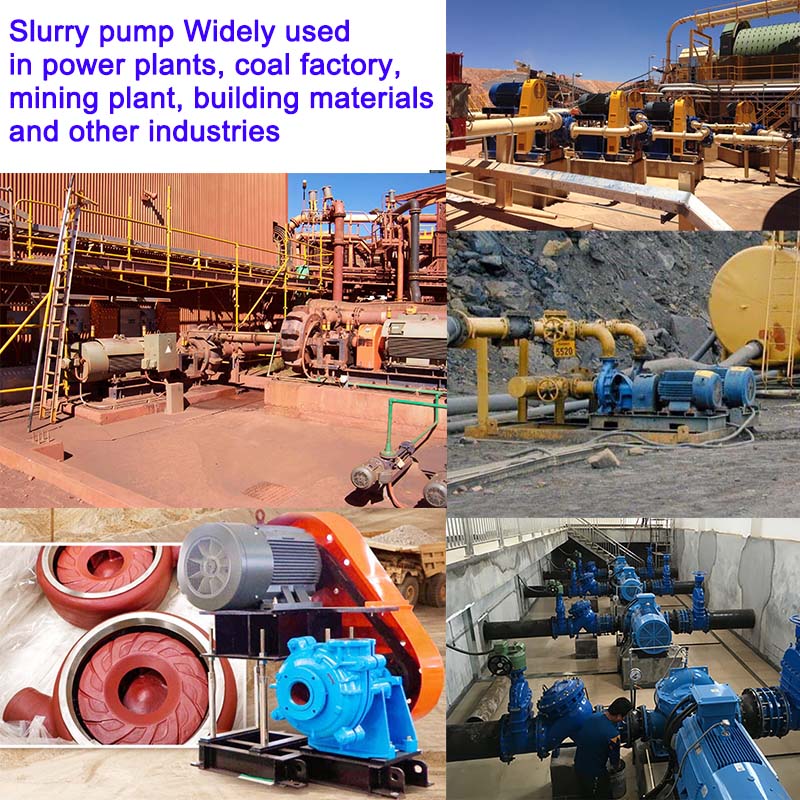
Radial flow pumps, also known as centrifugal pumps, constitute a core component within numerous industrial fluid transfer systems. Positioned as a primary driver in process engineering, their function involves converting rotational kinetic energy to the hydrodynamic energy of fluid movement. Unlike positive displacement pumps, radial flow pumps deliver a continuous flow, making them ideal for applications demanding high flow rates and relatively low viscosity fluids. This guide provides a comprehensive technical overview of radial flow pumps, encompassing material science, manufacturing processes, performance characteristics, failure modes, and relevant industry standards. A primary industry pain point centers around optimizing impeller design to maximize efficiency while mitigating cavitation damage, along with selecting appropriate materials to resist corrosion in aggressive chemical environments. Proper maintenance and predictive analytics are also critical for minimizing downtime and extending pump lifespan, areas where informed decision-making is frequently hampered by a lack of detailed technical understanding.
Material Science & Manufacturing
The performance and longevity of a radial flow pump are fundamentally dictated by the materials used in its construction. Common materials include cast iron (ASTM A48 Class 30), stainless steel (304, 316 – conforming to ASTM A743), and various alloys selected for specific fluid compatibility requirements. Impellers are frequently manufactured from ductile iron (ASTM A536) for its strength and resistance to fatigue. Shafts typically utilize alloy steel (4140 – conforming to ASTM A297) that undergoes heat treatment for increased hardness and torsional strength. Seals are crucial and are often comprised of materials like Viton (fluoroelastomer), EPDM (ethylene propylene diene monomer rubber), or PTFE (polytetrafluoroethylene) based on chemical resistance needs.
Manufacturing processes vary based on component complexity. Impellers are commonly produced through investment casting, providing complex geometries with high precision. Pump housings are frequently created using sand casting or centrifugal casting. Shafts are machined from solid bar stock, utilizing CNC turning and milling to achieve tight tolerances. Welding processes, adhering to AWS D1.1 standards (Structural Welding Code – Steel), are critical for joining various components. Parameter control during welding is paramount; preheating, interpass temperature management, and post-weld heat treatment are implemented to minimize residual stresses and prevent cracking. Surface treatments such as epoxy coating (conforming to SSPC SP 20) are applied to housings to enhance corrosion resistance. Quality control checks, including non-destructive testing (NDT) using methods like ultrasonic testing (UT) and radiographic testing (RT) are vital throughout the manufacturing process to identify and eliminate defects.
Performance & Engineering
The performance of a radial flow pump is governed by several key engineering principles. The pump’s head (pressure rise) is directly proportional to the square of the impeller’s rotational speed and inversely proportional to the fluid density. Flow rate is proportional to the impeller’s diameter and rotational speed. Affinity laws dictate these relationships, enabling performance prediction based on changes in operating parameters. Force analysis focuses on centrifugal forces generated by the impeller, requiring robust shaft support via bearings designed according to ISO 28113. Cavitation, a significant performance limiting factor, occurs when the absolute pressure at the impeller inlet falls below the fluid’s vapor pressure, forming vapor bubbles that collapse and damage the impeller. Net Positive Suction Head Required (NPSHr) must be carefully considered to prevent cavitation.
Environmental resistance is critical. Pumps handling corrosive fluids necessitate materials with high chemical resistance, validated through ASTM G31 testing. Temperature extremes require material selection accommodating thermal expansion and contraction. Compliance requirements vary by region; for example, ATEX certification (EN 60079) is mandatory for pumps operating in potentially explosive atmospheres. Functional implementation requires precise alignment of the pump and motor, utilizing laser alignment techniques (conforming to ISO 1940-1) to minimize vibration and bearing wear. Proper piping design, including suction and discharge piping diameter, and the inclusion of strainers and check valves, are essential for optimal performance and system protection.
Technical Specifications
| Parameter | Typical Range (Units) | Material | Industry Standard |
|---|---|---|---|
| Flow Rate | 50 – 5000 m³/hr | Cast Iron, Stainless Steel | ISO 9906 |
| Head (Pressure) | 10 – 200 meters | Cast Iron, Stainless Steel | ANSI/ASME B73.1 |
| Power | 1.5 – 1000 kW | Electric Motor | IEC 60034 |
| Suction Specific Speed (Nss) | 0.5 – 10 | Impeller Geometry | Hydraulic Institute Standards |
| Operating Temperature | -20°C to 120°C | Elastomers, Metals | ASTM E203 |
| Maximum Solids Handling | Up to 50mm (dependent on impeller design) | Impeller Design | ISO 13709 |
Failure Mode & Maintenance
Radial flow pumps are susceptible to various failure modes. Cavitation erosion, as previously mentioned, causes significant impeller damage. Mechanical seal failure results in leakage and can be attributed to improper installation, abrasive particles, or incompatibility with the pumped fluid. Bearing failure manifests as increased vibration and noise, often stemming from inadequate lubrication, misalignment, or excessive load. Fatigue cracking in the pump housing or impeller can occur due to cyclical stress, particularly in high-pressure applications. Corrosion, particularly in aggressive chemical environments, leads to material degradation and reduced pump efficiency.
Preventive maintenance is crucial. Regular vibration analysis (conforming to ISO 10816) can detect bearing wear and misalignment. Seal flush monitoring ensures proper seal operation. Periodic impeller inspection for cavitation damage is essential. Lubrication schedules must be strictly adhered to, using lubricants conforming to ISO 3448. Routine checks for corrosion and material degradation are vital. For major repairs, components should be replaced according to OEM specifications. Predictive maintenance utilizing techniques like thermography and oil analysis (ASTM D4057) allows for early detection of potential failures, minimizing downtime and extending pump life. Replacement of worn components with materials demonstrating enhanced corrosion resistance, or implementing corrosion inhibitors in the pumped fluid, can significantly improve longevity.
Industry FAQ
Q: What are the primary factors influencing the selection of pump material for handling sulfuric acid?
A: The concentration and temperature of the sulfuric acid are paramount. For lower concentrations (below 50%) and moderate temperatures, cast iron with a protective coating may suffice. However, for higher concentrations and elevated temperatures, more resistant materials such as 316 stainless steel, Alloy 20, or specialized polymers like PTFE are necessary. Material selection must consider both general corrosion resistance and resistance to pitting and crevice corrosion, verified through ASTM G48 testing.
Q: How can cavitation be effectively mitigated in a high-speed radial flow pump?
A: Mitigating cavitation requires addressing the NPSHr. This involves optimizing suction piping design to minimize pressure losses, reducing fluid temperature to lower vapor pressure, and increasing the suction pressure. If these measures are insufficient, the impeller design may need to be modified (e.g., using a lower specific speed impeller) to reduce NPSHr. Regular monitoring of pump vibration and noise is crucial for early detection of cavitation damage.
Q: What is the significance of bearing arrangement in radial flow pump reliability?
A: Bearing arrangement directly impacts pump reliability. Proper bearing selection, lubrication, and alignment are critical. Common arrangements include ball bearings, roller bearings, and sleeve bearings. Selecting the appropriate bearing type based on load, speed, and operating conditions is vital. Continuous monitoring of bearing temperature and vibration provides early warning signs of potential failure.
Q: What are the implications of operating a pump outside its BEP (Best Efficiency Point)?
A: Operating outside the BEP leads to reduced efficiency, increased energy consumption, and potential pump damage. Operating significantly to the left of the BEP can induce cavitation, while operating to the right can cause excessive radial loads on the impeller and bearings. System curve analysis is essential to ensure pump operation near its BEP for optimal performance and longevity.
Q: What standards govern the hydraulic performance testing of radial flow pumps?
A: Hydraulic performance testing is governed by standards such as ISO 9906 (Pumps – Hydraulic performance testing for centrifugal pumps) and ANSI/ASME B73.1 (Power-driven pumps for petroleum, petrochemical and natural gas industries). These standards outline the procedures for determining pump head, flow rate, efficiency, and NPSHr.
Conclusion
Radial flow pumps represent a cornerstone of industrial fluid handling, but their effective application hinges on a comprehensive understanding of their underlying principles, material considerations, and operational parameters. This technical guide has detailed the intricacies of material science, manufacturing processes, performance engineering, and potential failure modes associated with these pumps. Prioritizing proper material selection, meticulous manufacturing quality control, and proactive maintenance strategies are crucial for maximizing pump efficiency, minimizing downtime, and ensuring long-term reliability.
Looking forward, advancements in computational fluid dynamics (CFD) and predictive maintenance technologies will continue to refine pump design and optimize operational strategies. Further research into novel materials with enhanced corrosion resistance and improved mechanical properties will be vital for addressing the challenges posed by increasingly demanding industrial applications. By embracing these innovations and adhering to industry best practices, engineers and operators can unlock the full potential of radial flow pump technology.
-
Precision at the Pump: How Better Machining Protects Flow and Uptime
News2026-11-20
-
Why Pump Reliability Begins Before the First Drop of Fluid
News2026-11-20
-
Beyond the Pump: Designing Safer Access Around Critical Water Infrastructure
News2026-11-20
-
Why Pumping Stations Depend on the Infrastructure Beneath the Pumps
News2026-11-20
-
Beyond the Pump Room: How Smarter Loading Protects Industrial Equipment
News2026-11-19
-
When Pumps Stop: Designing More Resilient Power for Critical Pumping Systems
News2026-11-19
-
The Hidden Role of Dust and Gas Monitoring in Reliable Pump Operations
News2026-11-19
-
The Hidden Role of Mineral Compounds in Extending Industrial Pump Lifespan
News2026-10-12
-
Why Pump System Reliability Depends on Precision Hose Assembly Methods
News2026-09-15
-
How Advanced Imaging Films Are Transforming Pump Component Quality Control
News2026-08-25
-
How Advanced Filtration Protects Pump Systems from Premature Wear and Costly Downtime
News2026-08-25
-
How Steel Material Selection Drives Pump Reliability in Heavy-Duty Systems
News2026-08-25
-
Ensuring Pump System Efficiency: The Role of High-Quality Pipe Fittings and Tubing
News2026-08-24
-
Optimizing Fluid Dynamics and Material Consistency in Industrial Processing
News2026-08-18
-
Innovations and Challenges in Hydraulic Systems for Heavy Machinery
News2026-08-13




