English
- Afrikaans
- Albanian
- Amharic
- Arabic
- Armenian
- Azerbaijani
- Basque
- Belarusian
- Bengali
- Bosnian
- Bulgarian
- Catalan
- Cebuano
- Corsican
- Croatian
- Czech
- Danish
- Dutch
- English
- Esperanto
- Estonian
- Finnish
- French
- Frisian
- Galician
- Georgian
- German
- Greek
- Gujarati
- Haitian Creole
- hausa
- hawaiian
- Hebrew
- Hindi
- Miao
- Hungarian
- Icelandic
- igbo
- Indonesian
- irish
- Italian
- Japanese
- Javanese
- Kannada
- kazakh
- Khmer
- Rwandese
- Korean
- Kurdish
- Kyrgyz
- Lao
- Latin
- Latvian
- Lithuanian
- Luxembourgish
- Macedonian
- Malgashi
- Malay
- Malayalam
- Maltese
- Maori
- Marathi
- Mongolian
- Myanmar
- Nepali
- Norwegian
- Norwegian
- Occitan
- Pashto
- Persian
- Polish
- Portuguese
- Punjabi
- Romanian
- Russian
- Samoan
- Scottish Gaelic
- Serbian
- Sesotho
- Shona
- Sindhi
- Sinhala
- Slovak
- Slovenian
- Somali
- Spanish
- Sundanese
- Swahili
- Swedish
- Tagalog
- Tajik
- Tamil
- Tatar
- Telugu
- Thai
- Turkish
- Turkmen
- Ukrainian
- Urdu
- Uighur
- Uzbek
- Vietnamese
- Welsh
- Bantu
- Yiddish
- Yoruba
- Zulu

Telephone: +86 13120555503
Email: frank@cypump.com


Apr . 01, 2024 17:55 Back to list
pumps water treatment Performance Analysis
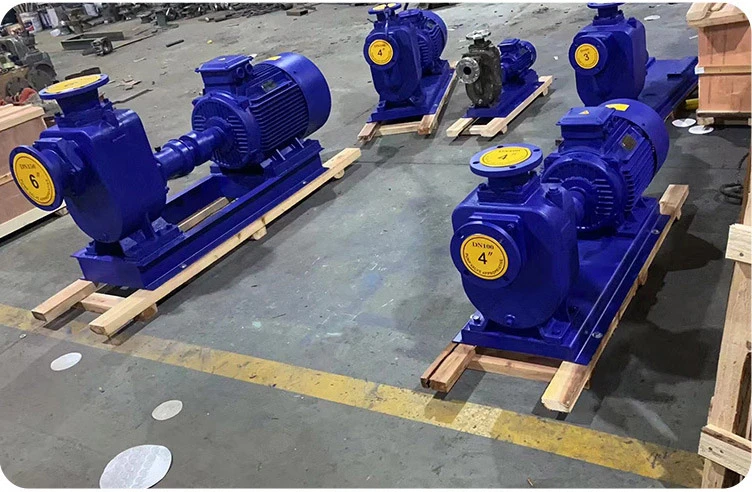
Introduction
Pumps for water treatment represent a critical component within municipal and industrial water and wastewater management systems. These pumps are not simply fluid transfer devices; they are integral to the efficacy of purification processes, dictating flow rates, pressures, and ultimately, the quality of the treated water. Their technical position resides within the broader industrial pump industry, specifically tailored to handle the corrosive, abrasive, and often biologically-laden fluids inherent in water treatment. Core performance metrics revolve around hydraulic efficiency, material compatibility with treatment chemicals, reliability under continuous operation, and adherence to stringent regulatory standards regarding potable water safety. The increasing demands for water purification, coupled with advancements in membrane technologies and chemical treatment protocols, are driving innovation in pump design – specifically focusing on energy efficiency, reduced maintenance intervals, and improved control systems. A primary pain point in the industry is the balance between initial capital expenditure and long-term operating costs, including energy consumption and downtime due to pump failure or maintenance. Selection criteria beyond basic flow and head considerations must include fluid characteristics, solids content, and the overall system’s integration with SCADA and automation platforms.
Material Science & Manufacturing
The material selection for pumps in water treatment is paramount, dictated by the aggressive chemical environments encountered. Common materials include stainless steel (304, 316, duplex), specialized alloys like Hastelloy and Alloy 20, and various polymers like Polypropylene (PP), Polyvinyl Chloride (PVC), and Fluoropolymers (PTFE, PVDF). Stainless steel's corrosion resistance is enhanced through passivation, forming a protective chromium oxide layer. However, pitting corrosion can occur in chloride-rich environments, necessitating duplex stainless steels or higher alloy compositions. Polymers are favored for their resistance to many chemicals but suffer limitations in temperature and pressure capabilities. Manufacturing processes vary based on pump type. Centrifugal pumps often utilize investment casting for impellers to achieve complex geometries and smooth finishes, minimizing cavitation. Volute casings are commonly manufactured through sand casting or, increasingly, through precision machining of ductile iron. Positive displacement pumps, such as diaphragm pumps, involve complex molding processes for the diaphragms, frequently employing multi-layer construction with reinforcing fabrics for durability. Critical parameter control during manufacturing includes maintaining tight tolerances on impeller balancing (to minimize vibration), surface finish (to reduce friction and corrosion), and weld quality (for structural integrity). Non-destructive testing methods, including radiography and ultrasonic testing, are routinely employed to verify weld integrity and detect internal flaws. A significant challenge is ensuring the material traceability and certification to meet potable water standards.
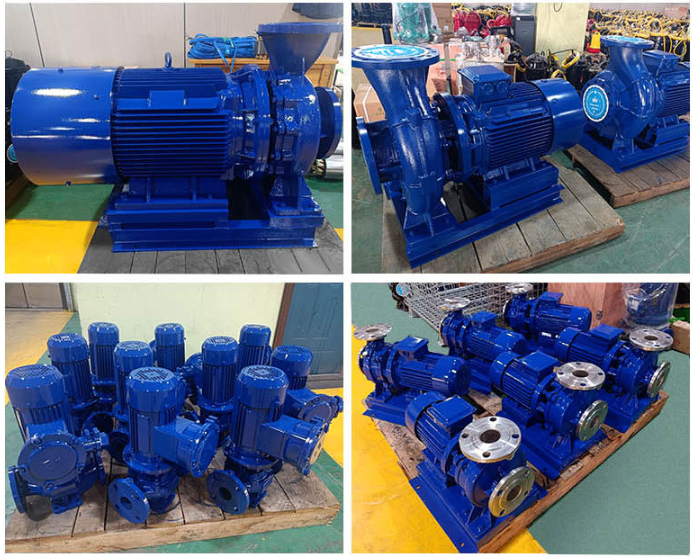
Performance & Engineering
Pump performance in water treatment is assessed via hydraulic efficiency, net positive suction head required (NPSHr), and head-capacity curves. Hydraulic efficiency, typically ranging from 70-85% for centrifugal pumps, is influenced by impeller design, internal clearances, and fluid viscosity. NPSHr is a critical parameter to prevent cavitation, which can cause significant damage to the impeller. It is essential to ensure the available NPSH (NPSHa) in the system exceeds NPSHr by a suitable margin. Head-capacity curves illustrate the pump’s ability to deliver flow against varying discharge pressures. Force analysis considers dynamic loads due to fluid flow, static loads from the pump’s weight and piping, and vibrational forces. Proper pump alignment and baseplate rigidity are crucial to minimize stress on pump components. Environmental resistance is addressed through material selection and protective coatings. Pumps operating outdoors require protection from UV radiation, temperature fluctuations, and moisture ingress. Compliance requirements, especially for potable water applications, are stringent. Pumps must meet standards set by organizations like NSF International, ensuring that materials do not leach harmful contaminants into the water supply. Functional implementation often involves variable frequency drives (VFDs) for precise flow control and energy optimization. Advanced control systems monitor pump performance, detect anomalies, and initiate preventative maintenance alerts, minimizing downtime and maximizing operational efficiency.
Technical Specifications
| Pump Type | Maximum Flow Rate (m³/hr) | Maximum Head (m) | Material of Construction (Wetted Parts) |
|---|---|---|---|
| Centrifugal | 0.5 - 500 | 5 - 150 | 316 Stainless Steel, PP, PTFE |
| Positive Displacement (Diaphragm) | 0.01 - 100 | 1 - 80 | PVDF, PP, Stainless Steel |
| Submersible | 0.2 - 200 | 10 - 70 | 304 Stainless Steel, Cast Iron (epoxy coated) |
| Vertical Turbine | 1 - 1000 | 20 - 200 | 316 Stainless Steel, Duplex Stainless Steel |
| Chemical Feed Pump (Metering) | 0.0001 - 20 | 0.5 - 25 | PTFE, PVDF, Hastelloy |
| Self-Priming Centrifugal | 0.1 - 300 | 8 - 60 | Cast Iron (epoxy coated), Stainless Steel |
Failure Mode & Maintenance
Failure modes in water treatment pumps are diverse. Cavitation, resulting from insufficient NPSHa, causes impeller erosion and reduces pump efficiency. Corrosion, driven by aggressive chemicals, leads to material degradation and eventual failure of pump components. Mechanical seal failure, often due to abrasion from suspended solids or chemical attack, results in leakage and potential downtime. Bearing failure, stemming from inadequate lubrication, misalignment, or excessive loads, causes vibration and eventual seizure. Fatigue cracking can occur in high-stress components, such as the pump shaft or impeller, under cyclic loading. Degradation of polymeric components (diaphragms, seals) is accelerated by exposure to chemicals and UV radiation. Regular maintenance is crucial. This includes periodic inspection of mechanical seals and bearings, lubrication according to manufacturer’s recommendations, vibration analysis to detect imbalances, and visual inspection for corrosion or wear. Preventative maintenance schedules should incorporate impeller cleaning to remove deposits and maintain hydraulic efficiency. For diaphragm pumps, regular diaphragm replacement is essential. Proper strainer and filter installation upstream of the pump protects against abrasive particles and extends pump life. Failure analysis, involving metallurgical examination and root cause investigation, is vital to identify the underlying causes of failures and implement corrective actions. Proper record keeping of maintenance activities and failure events is critical for optimizing pump performance and minimizing lifecycle costs.
Industry FAQ
Q: What are the key considerations when selecting a pump for handling wastewater with high solids content?
A: When handling wastewater with high solids content, the primary consideration is minimizing clogging and abrasion. Positive displacement pumps, particularly progressing cavity pumps or diaphragm pumps, are often preferred due to their ability to handle viscous fluids and solids without significant performance degradation. For centrifugal pumps, open or recessed impeller designs are recommended to reduce the risk of clogging. A robust strainer or screening system upstream of the pump is crucial to remove larger solids. Material selection should prioritize abrasion resistance, such as hardened stainless steel or specialized alloys.
Q: How does the chemical composition of the water affect the choice of pump materials?
A: The chemical composition of the water is paramount. Highly acidic or alkaline water requires materials resistant to corrosion, such as stainless steel (316 or duplex), Hastelloy, or specific polymers like PTFE or PVDF. The presence of chlorides increases the risk of pitting corrosion in stainless steel, necessitating higher alloy compositions. Oxidizing agents, such as chlorine, can degrade certain polymers. A thorough chemical compatibility assessment is essential before selecting pump materials.
Q: What are the advantages of using VFDs with water treatment pumps?
A: Variable Frequency Drives (VFDs) offer significant advantages. They allow for precise flow control, matching pump output to actual demand, which reduces energy consumption. VFDs also provide soft starting and stopping, minimizing water hammer and stress on the pump and piping system. They can be integrated with SCADA systems for automated process control and remote monitoring. Reduced mechanical stress translates to extended pump life and decreased maintenance costs.
Q: How important is NPSH when commissioning a new pump system?
A: NPSH is critically important. Insufficient NPSH leads to cavitation, which damages the impeller and reduces pump performance. During commissioning, it is essential to verify that the available NPSH (NPSHa) in the system consistently exceeds the pump's NPSHr by a sufficient margin (typically at least 1 meter). Factors affecting NPSHa include suction pipe length, elevation differences, fluid temperature, and vapor pressure. Careful hydraulic calculations and system design are crucial to ensure adequate NPSH.
Q: What are the typical maintenance intervals for mechanical seals in water treatment pumps?
A: Mechanical seal maintenance intervals depend heavily on the fluid being pumped and the presence of abrasive particles. As a general guideline, seals should be inspected every 6-12 months. In applications with high solids content or corrosive fluids, more frequent inspections (every 3-6 months) may be necessary. Signs of seal wear include leakage, increased vibration, and reduced pump efficiency. Preventative replacement of seals based on a pre-determined schedule can minimize downtime and prevent catastrophic failures.
Conclusion
The selection, operation, and maintenance of pumps in water treatment require a multifaceted engineering approach. Beyond simply meeting flow and head requirements, critical considerations include material compatibility, NPSH management, energy efficiency, and adherence to stringent regulatory standards. The increasing complexity of water treatment processes, driven by evolving environmental concerns and technological advancements, demands a proactive and data-driven approach to pump system management. Implementing robust monitoring systems, predictive maintenance programs, and conducting thorough failure analysis are crucial for maximizing operational efficiency and minimizing lifecycle costs.
Future trends in water treatment pumps will likely focus on further advancements in materials science, leading to more corrosion-resistant and abrasion-resistant components. Integration with digital technologies, such as IoT sensors and machine learning algorithms, will enable more sophisticated process control and predictive maintenance capabilities. The development of energy-efficient pump designs and the adoption of VFDs will continue to be key drivers in reducing the environmental footprint of water treatment facilities. A holistic lifecycle cost analysis, considering not only initial capital expenditure but also long-term operating and maintenance expenses, will be essential for making informed pump selection decisions.
-
Comprehensive Guide to Waterproof ORings for Optimal Sealing Solutions
News2026-06-09
-
septic system sump pump Performance Analysis
News2026-06-26
-
septic pump company Performance Analysis
News2026-06-26
-
pumps water treatment Performance Analysis
News2026-06-26
-
pumps for septic tanks Material Science and Manufacturing
News2026-06-26
-
pump for septic system Material Science Manufacturing
News2026-06-26
-
heavy duty submersible pump Performance Analysis
News2026-06-25
-
best submersible pump for septic tank Performance Analysis
News2026-06-25
-
basement sewer ejector pump Performance Analysis
News2026-06-25
-
basement pumps ejector pumps Performance Analysis
News2026-06-25
-
basement lift pump Performance and Engineering
News2026-06-25
-
basement bathroom pump systems Performance Analysis
News2026-06-24
-
basement bathroom ejector pump system Performance Engineering
News2026-06-24
-
2 hp sewage pump Performance Engineering
News2026-06-24
-
1 hp septic pump Performance Engineering
News2026-06-24




