English
- Afrikaans
- Albanian
- Amharic
- Arabic
- Armenian
- Azerbaijani
- Basque
- Belarusian
- Bengali
- Bosnian
- Bulgarian
- Catalan
- Cebuano
- Corsican
- Croatian
- Czech
- Danish
- Dutch
- English
- Esperanto
- Estonian
- Finnish
- French
- Frisian
- Galician
- Georgian
- German
- Greek
- Gujarati
- Haitian Creole
- hausa
- hawaiian
- Hebrew
- Hindi
- Miao
- Hungarian
- Icelandic
- igbo
- Indonesian
- irish
- Italian
- Japanese
- Javanese
- Kannada
- kazakh
- Khmer
- Rwandese
- Korean
- Kurdish
- Kyrgyz
- Lao
- Latin
- Latvian
- Lithuanian
- Luxembourgish
- Macedonian
- Malgashi
- Malay
- Malayalam
- Maltese
- Maori
- Marathi
- Mongolian
- Myanmar
- Nepali
- Norwegian
- Norwegian
- Occitan
- Pashto
- Persian
- Polish
- Portuguese
- Punjabi
- Romanian
- Russian
- Samoan
- Scottish Gaelic
- Serbian
- Sesotho
- Shona
- Sindhi
- Sinhala
- Slovak
- Slovenian
- Somali
- Spanish
- Sundanese
- Swahili
- Swedish
- Tagalog
- Tajik
- Tamil
- Tatar
- Telugu
- Thai
- Turkish
- Turkmen
- Ukrainian
- Urdu
- Uighur
- Uzbek
- Vietnamese
- Welsh
- Bantu
- Yiddish
- Yoruba
- Zulu

Telephone: +86 13120555503
Email: frank@cypump.com


Apr . 01, 2024 17:55 Back to list
pumps for septic tanks Material Science and Manufacturing
Introduction
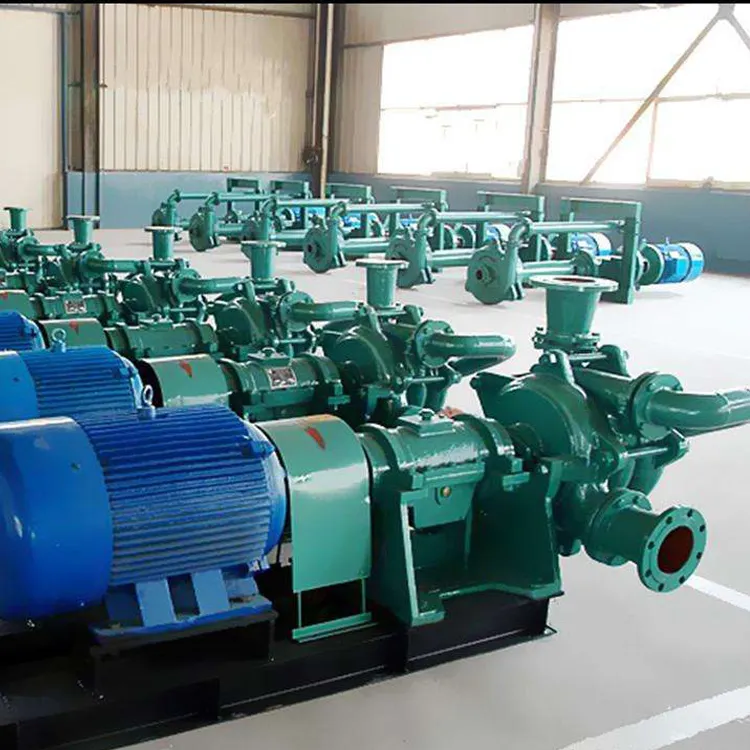
Septic tank pumps, critical components of decentralized wastewater treatment systems, are engineered to transfer effluent from septic tanks to drain fields for further treatment. Unlike sewage ejector pumps which handle solids, septic tank pumps typically manage pre-filtered effluent, focusing on consistent and reliable fluid transfer. These pumps address the inherent limitations of gravity-fed systems, particularly in situations with challenging topography, high water tables, or long distances to the drain field. Their selection and performance directly impact system efficiency, longevity, and environmental compliance. The industry faces ongoing challenges related to pump longevity in corrosive environments, energy efficiency to reduce operational costs, and alarm system reliability to prevent system failures and potential environmental hazards. This guide provides an in-depth technical overview of septic tank pumps, covering material science, manufacturing processes, performance characteristics, failure modes, and relevant industry standards.
Material Science & Manufacturing
Septic tank pump construction relies on materials exhibiting high resistance to the corrosive environment of wastewater. Pump housings are frequently constructed from engineered thermoplastics like polypropylene (PP) or high-density polyethylene (HDPE) due to their excellent chemical resistance to hydrogen sulfide (H2S), sulfides, and organic acids commonly found in septic effluent. Impeller materials are often stainless steel (304 or 316 grade) or reinforced thermoplastic polymers offering a balance between abrasion resistance and corrosion protection. Shaft seals, a critical component prone to failure, utilize materials like Viton (fluoroelastomer) or EPDM (ethylene propylene diene monomer) rubber, selected for their resistance to degradation from prolonged exposure to wastewater chemicals. Manufacturing processes vary depending on the component. Pump housings are often produced via injection molding, enabling precise control over wall thickness and complex geometries. Impellers are typically cast or machined from stainless steel, requiring precision machining to ensure hydraulic efficiency. Shafts undergo turning and milling operations followed by hardening to increase wear resistance. Assembly is critical, demanding adherence to strict torque specifications for fasteners to prevent loosening due to vibration and thermal cycling. Quality control includes hydrostatic testing to verify housing integrity and performance testing to confirm flow rate and head pressure specifications. Proper passivation of stainless steel components is essential to enhance their corrosion resistance.
Performance & Engineering
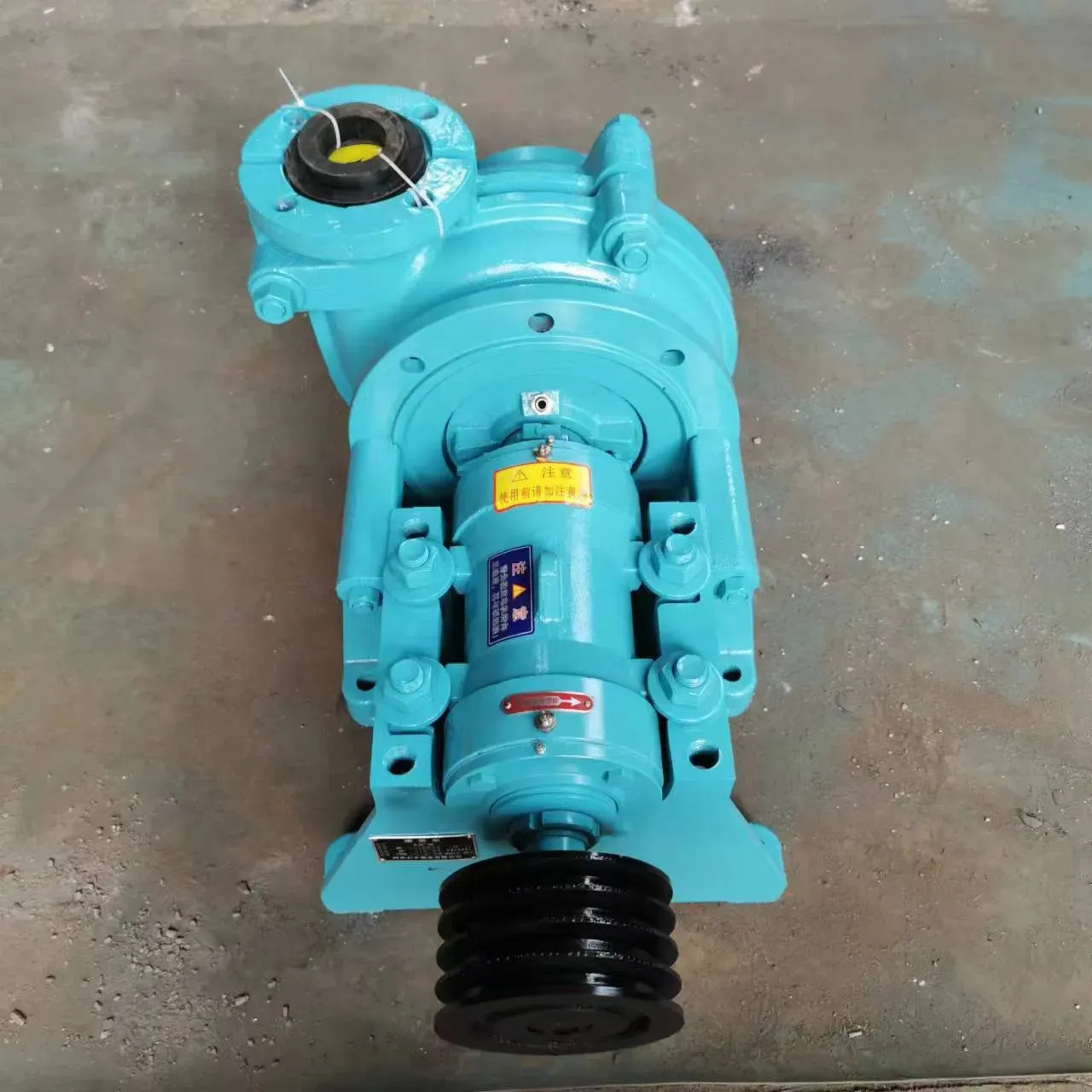
Septic tank pump performance is defined by several key engineering parameters. Total Dynamic Head (TDH) – the total vertical distance the pump can lift the effluent, plus friction losses in the piping system – is a critical specification. Flow rate, typically measured in gallons per minute (GPM), dictates the pump’s capacity to transfer effluent. Pump curves, provided by manufacturers, illustrate the relationship between flow rate and head pressure, allowing for optimal pump selection based on system requirements. Engineered considerations include impeller design (radial, axial, or mixed flow) which impacts efficiency and solids handling capability, motor selection (submersible or externally mounted) influencing energy consumption and maintenance accessibility, and control systems (float switches, pressure sensors) dictating pump operation based on effluent levels. Force analysis is paramount to ensure the pump housing and internal components can withstand the stresses induced by fluid pressure and mechanical loads. Environmental resistance considerations encompass operating temperature limits, UV exposure resistance for externally mounted components, and protection against freezing. Compliance with local regulations regarding discharge limits (BOD, TSS, etc.) necessitates careful pump sizing and system design to ensure adequate effluent treatment. Motor efficiency standards (e.g., NEMA Premium) aim to minimize energy consumption and operational costs.
Technical Specifications
| Parameter | Typical Range (Residential Application) | Typical Range (Commercial Application) | Measurement Standard |
|---|---|---|---|
| Flow Rate | 40-60 GPM | 100-300 GPM | ANSI/HI |
| Total Dynamic Head (TDH) | 20-50 ft | 50-150 ft | ANSI/HI |
| Motor Horsepower | 1/2 - 1 HP | 1.5 - 5 HP | NEMA |
| Impeller Material | Stainless Steel 304/Thermoplastic | Stainless Steel 316 | ASTM A966 |
| Housing Material | Polypropylene (PP)/HDPE | HDPE/Fiberglass Reinforced Polymer | ASTM D4101 |
| Seal Material | Viton/EPDM | Viton/Silicone Carbide | ASTM D2000 |
Failure Mode & Maintenance
Septic tank pumps are susceptible to several failure modes. Corrosion, particularly of stainless steel components due to chloride attack, is a common issue. Fatigue cracking can occur in impellers or housings due to cyclic loading and vibration. Seal failure, leading to leakage and motor damage, is often caused by abrasive particles or chemical degradation. Impeller clogging due to debris or solids can reduce pump efficiency and potentially cause motor overload. Motor failure can result from overheating, electrical issues, or bearing failure. Regular maintenance is crucial to prevent these failures. This includes periodic inspection of seals for wear and tear, cleaning of impellers to remove debris, checking electrical connections for corrosion, and monitoring pump performance for any deviations from baseline values. Preventative maintenance schedules should incorporate lubrication of bearings (if applicable), testing of alarm systems, and a thorough visual inspection of all components. Analyzing failed components via metallurgical analysis or visual inspection can identify root causes and inform future pump selection or maintenance strategies. For example, localized corrosion may indicate the need for a different alloy or improved corrosion protection measures.
Industry FAQ
Q: What is the typical lifespan of a septic tank pump?
A: The lifespan of a septic tank pump varies depending on operating conditions and maintenance practices, but typically ranges from 7 to 10 years. Pumps operating in highly corrosive environments or experiencing frequent dry-running will have a shorter lifespan. Regular maintenance and proper system design can significantly extend pump life.
Q: How do I select the correct pump size for my septic system?
A: Pump selection requires careful consideration of total dynamic head (TDH), flow rate requirements, and the specific characteristics of your drain field. A professional septic system designer should perform a hydraulic analysis to determine the optimal pump size. Undersizing the pump can lead to insufficient effluent transfer, while oversizing can result in excessive energy consumption and potential system damage.
Q: What are the common causes of septic pump alarm activation?
A: Common causes include high liquid level in the septic tank triggering the float switch, pump failure (motor burnout, impeller blockage), clogged discharge piping, or a malfunctioning float switch. Troubleshooting requires a systematic approach, starting with verifying power supply and inspecting the float switch and discharge line.
Q: What type of pump is best suited for handling effluent with higher solids content?
A: While septic tank pumps generally handle pre-filtered effluent, some models are designed with more robust impeller designs and larger solids handling capabilities. Vortex impellers are generally preferred for handling fluids with suspended solids, as they create a swirling action that reduces the risk of clogging.
Q: How important is pump efficiency, and what factors influence it?
A: Pump efficiency is crucial for minimizing energy consumption and reducing operational costs. Factors influencing efficiency include impeller design, motor efficiency, proper pump sizing, and the absence of obstructions in the discharge piping. Selecting pumps that meet or exceed NEMA Premium efficiency standards can significantly reduce energy usage.
Conclusion
Septic tank pumps represent a vital component of modern decentralized wastewater treatment. Their reliable operation is intrinsically linked to the selection of appropriate materials resistant to the challenging chemical environment, diligent adherence to robust manufacturing practices, and a thorough understanding of relevant performance engineering principles. Properly specified and maintained pumps ensure efficient effluent transfer, protecting both public health and the surrounding environment.
Future advancements in septic tank pump technology will likely focus on increased energy efficiency through improved motor designs and optimized impeller geometries, enhanced corrosion resistance through the development of novel materials, and the integration of smart monitoring systems for predictive maintenance and remote diagnostics. Furthermore, a greater emphasis on lifecycle cost analysis and sustainable design principles will drive innovation in this critical area of wastewater management.
-
Comprehensive Guide to Waterproof ORings for Optimal Sealing Solutions
News2026-06-09
-
septic system sump pump Performance Analysis
News2026-06-26
-
septic pump company Performance Analysis
News2026-06-26
-
pumps water treatment Performance Analysis
News2026-06-26
-
pumps for septic tanks Material Science and Manufacturing
News2026-06-26
-
pump for septic system Material Science Manufacturing
News2026-06-26
-
heavy duty submersible pump Performance Analysis
News2026-06-25
-
best submersible pump for septic tank Performance Analysis
News2026-06-25
-
basement sewer ejector pump Performance Analysis
News2026-06-25
-
basement pumps ejector pumps Performance Analysis
News2026-06-25
-
basement lift pump Performance and Engineering
News2026-06-25
-
basement bathroom pump systems Performance Analysis
News2026-06-24
-
basement bathroom ejector pump system Performance Engineering
News2026-06-24
-
2 hp sewage pump Performance Engineering
News2026-06-24
-
1 hp septic pump Performance Engineering
News2026-06-24




