English
- Afrikaans
- Albanian
- Amharic
- Arabic
- Armenian
- Azerbaijani
- Basque
- Belarusian
- Bengali
- Bosnian
- Bulgarian
- Catalan
- Cebuano
- Corsican
- Croatian
- Czech
- Danish
- Dutch
- English
- Esperanto
- Estonian
- Finnish
- French
- Frisian
- Galician
- Georgian
- German
- Greek
- Gujarati
- Haitian Creole
- hausa
- hawaiian
- Hebrew
- Hindi
- Miao
- Hungarian
- Icelandic
- igbo
- Indonesian
- irish
- Italian
- Japanese
- Javanese
- Kannada
- kazakh
- Khmer
- Rwandese
- Korean
- Kurdish
- Kyrgyz
- Lao
- Latin
- Latvian
- Lithuanian
- Luxembourgish
- Macedonian
- Malgashi
- Malay
- Malayalam
- Maltese
- Maori
- Marathi
- Mongolian
- Myanmar
- Nepali
- Norwegian
- Norwegian
- Occitan
- Pashto
- Persian
- Polish
- Portuguese
- Punjabi
- Romanian
- Russian
- Samoan
- Scottish Gaelic
- Serbian
- Sesotho
- Shona
- Sindhi
- Sinhala
- Slovak
- Slovenian
- Somali
- Spanish
- Sundanese
- Swahili
- Swedish
- Tagalog
- Tajik
- Tamil
- Tatar
- Telugu
- Thai
- Turkish
- Turkmen
- Ukrainian
- Urdu
- Uighur
- Uzbek
- Vietnamese
- Welsh
- Bantu
- Yiddish
- Yoruba
- Zulu

Telephone: +86 13120555503
Email: frank@cypump.com


Apr . 01, 2024 17:55 Back to list
pumps for septic systems Material Science Manufacturing
Introduction
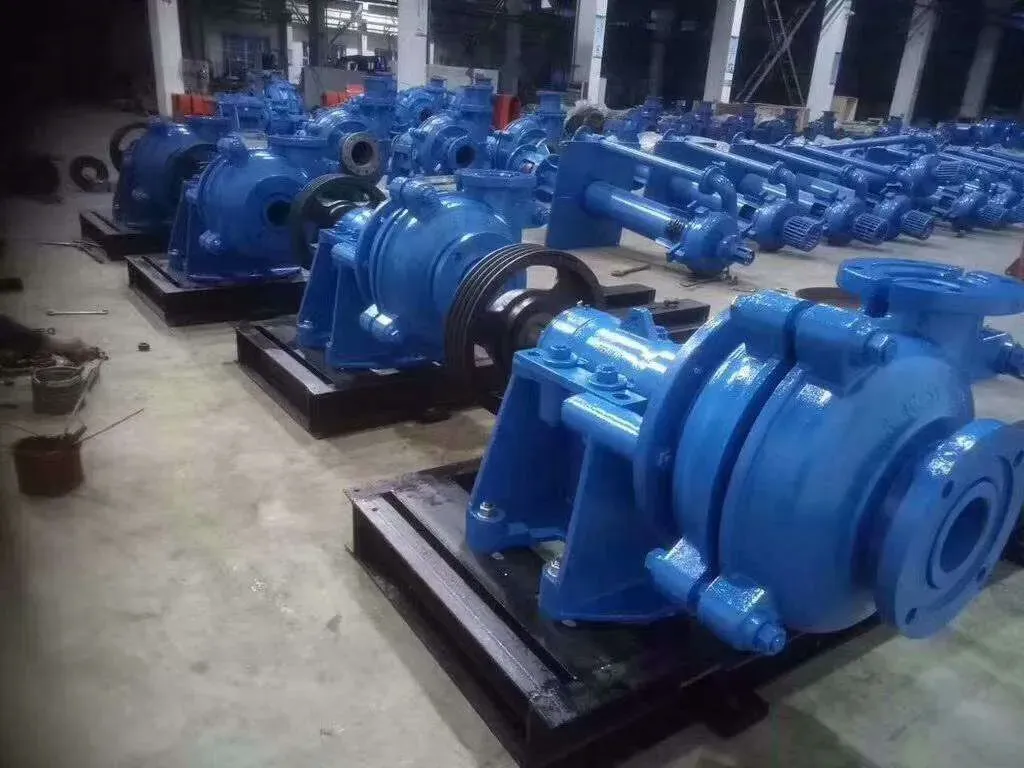
Submersible pumps for septic systems are critical components in wastewater management, facilitating the transfer of effluent from the septic tank to the drainfield. These pumps address the common issue of gravity-defying discharge, particularly in installations where the drainfield is situated at a higher elevation than the septic tank. Their technical position within the wastewater treatment chain is post-primary treatment (septic tank), ensuring reliable fluid movement for subsequent biological treatment within the drainfield. Core performance characteristics include flow rate (gallons per minute - GPM), head pressure (feet), horsepower (HP), solids handling capability (diameter and concentration), and operational efficiency (electrical input vs. hydraulic output). A primary industry pain point is premature pump failure due to abrasive solids, corrosion, and inadequate sealing, leading to costly repairs and potential environmental contamination. Selecting the appropriate pump requires careful consideration of hydraulic head, flow rate calculations based on household size and usage patterns, and material compatibility with the septic tank environment.
Material Science & Manufacturing
The core components of septic pumps dictate longevity and performance. Pump housings are frequently constructed from engineered thermoplastics like polypropylene (PP) or high-density polyethylene (HDPE) due to their excellent chemical resistance to hydrogen sulfide (H2S) and other corrosive elements found in septic effluent. Impellers, responsible for fluid conveyance, utilize materials like stainless steel (304 or 316 grade) or engineered polymers reinforced with glass fibers to resist abrasion from solids. Shafts are typically manufactured from 410 stainless steel, hardened for torsional strength and corrosion resistance. Seals are a critical area, commonly employing Viton or EPDM elastomers for their compatibility with wastewater components. Manufacturing processes vary; housings often employ rotational molding for complex shapes and seamless construction. Impellers utilize investment casting or injection molding, followed by precise balancing. Shafts undergo machining and heat treatment. Assembly requires rigorous quality control, including hydrostatic pressure testing to identify leaks and electrical insulation testing to prevent short circuits. Parameter control focuses on material purity, dimensional accuracy (critical for impeller-housing clearance), and consistent seal compression. Corrosion prevention relies heavily on material selection and the application of protective coatings, such as epoxy, on exposed metal surfaces.
Performance & Engineering
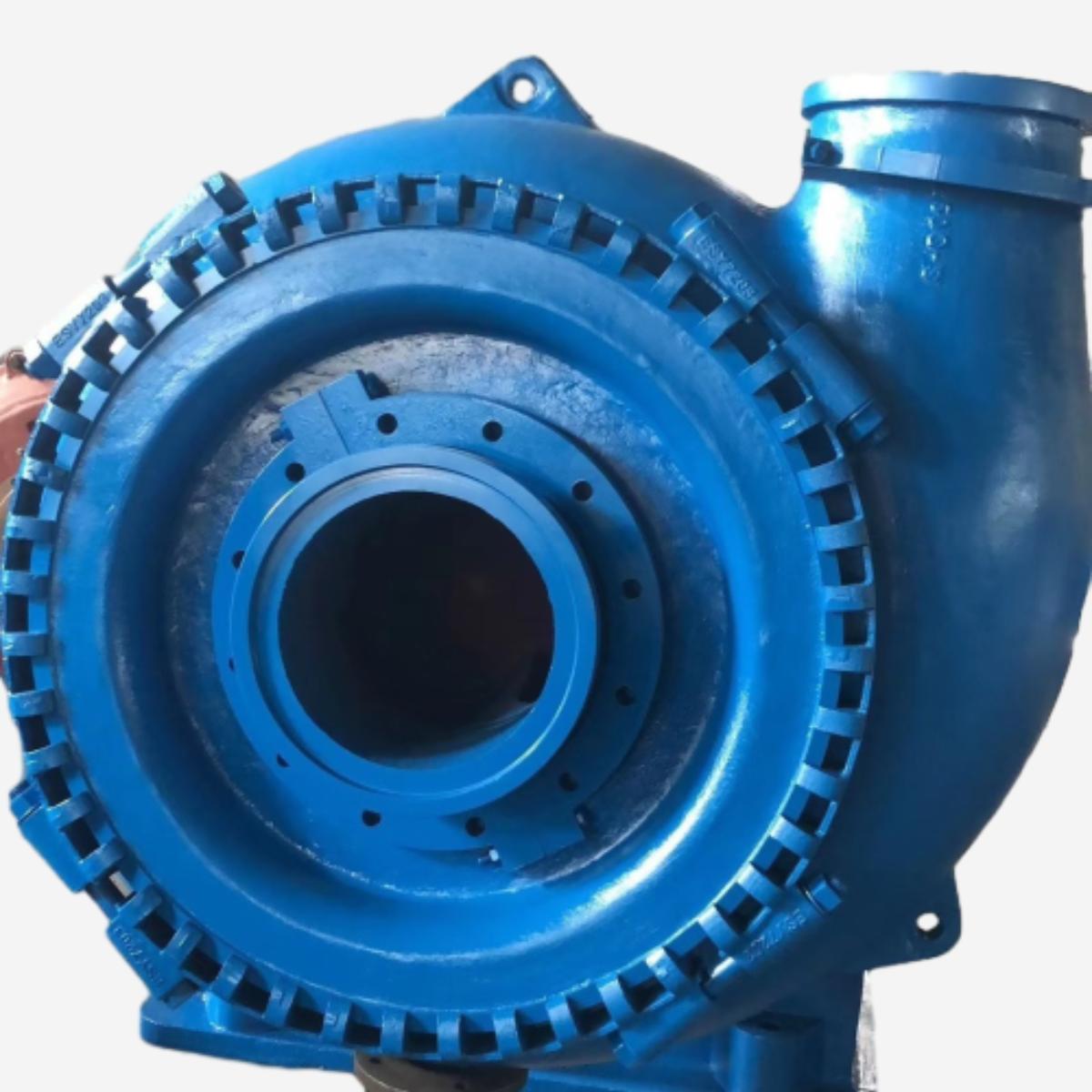
Pump performance is governed by hydraulic principles, primarily Bernoulli's equation and the affinity laws. Force analysis includes considerations for static head (vertical distance between pump and drainfield), friction losses within piping (dependent on pipe diameter, length, and material roughness), and dynamic head (flow velocity). Environmental resistance is paramount; pumps must withstand continuous immersion in a corrosive environment with fluctuating temperatures. Compliance requirements necessitate adherence to National Electrical Code (NEC) standards for electrical safety, as well as EPA guidelines regarding wastewater discharge. Functional implementation relies on a float switch mechanism to automatically activate the pump when the liquid level in the septic tank reaches a predetermined point, preventing overflow and ensuring continuous effluent transfer. Pump curves, graphical representations of flow rate versus head pressure, are critical for selecting a pump that meets specific site requirements. Pump sizing calculations must account for peak flow rates, typically experienced during periods of high water usage (e.g., laundry, showers). Solids handling capacity is determined by impeller design and pump inlet size; clogging can lead to pump failure and system backup. Vibration analysis is important during installation to ensure proper alignment and minimize wear on bearings and seals.
Technical Specifications
| Parameter | Typical Range | Units | Testing Standard |
|---|---|---|---|
| Flow Rate | 40-120 | GPM | ANSI/ASME PTC 6.1 |
| Head Pressure | 10-50 | Feet | Hydraulic Institute Standards |
| Horsepower (HP) | 1/3 - 1 | HP | NEMA MG 1 |
| Solids Handling | Up to 2 | Inches | Visual Inspection/Flow Testing |
| Voltage | 120/240 | VAC | UL 508A |
| Phase | Single/Three | - | IEC 60038 |
Failure Mode & Maintenance
Septic pump failures commonly stem from several modes. Abrasion from solids leads to impeller wear and reduced pump efficiency. Corrosion, particularly from hydrogen sulfide, degrades pump housing and metallic components. Seal failure results in leakage and motor damage. Fatigue cracking can occur in pump housings due to cyclical loading and stress. Clogging, caused by non-biodegradable materials, obstructs flow and overloads the motor. Electrical failures, including winding shorts and capacitor failures, can halt operation. Maintenance solutions include regular inspection of float switches for proper operation, periodic cleaning of pump inlets to remove debris, and annual inspection of seals for wear. Preventative maintenance should include flushing the septic tank to remove accumulated solids. If corrosion is evident, consider replacing corroded components with materials exhibiting greater chemical resistance. Routine vibration analysis can detect bearing wear and prevent catastrophic failures. Complete pump replacement is often necessary after 5-7 years of service, depending on usage and environmental conditions. Record keeping of maintenance activities and failure events is critical for identifying recurring issues and optimizing pump performance.
Industry FAQ
Q: What is the optimal pump horsepower for a 3-bedroom house with a standard septic system?
A: For a typical 3-bedroom household (estimated wastewater generation of 150-200 gallons per day), a 1/3 to 1/2 horsepower pump is generally sufficient, assuming a moderate vertical lift (less than 20 feet). Accurate sizing requires calculating the total dynamic head (TDH) and flow rate based on specific plumbing configurations and local regulations. Oversizing the pump can lead to increased energy consumption and potential system damage.
Q: How do I determine the correct vertical lift (head) for my septic pump?
A: Vertical lift is the difference in elevation between the pump's location in the septic tank and the highest point of the drainfield. You must also factor in friction losses within the discharge piping. Use a pipe friction loss chart, considering pipe material, diameter, and length to estimate the friction head. Add the vertical lift and friction head to calculate the total dynamic head (TDH).
Q: What material is best for a pump impeller to handle septic tank solids?
A: Stainless steel (304 or 316 grade) offers excellent abrasion resistance and corrosion resistance, making it a preferred material for impellers in septic pump applications. Engineered polymers reinforced with glass fibers are also suitable but may exhibit lower durability in harsh environments. Avoid impellers made from cast iron, as they are prone to corrosion.
Q: How often should the pump's float switch be inspected and tested?
A: The float switch should be inspected at least quarterly, and ideally monthly. Visually check for damage or obstructions. Test its operation by manually lifting and lowering the float to confirm it accurately triggers the pump on and off. Replace the float switch immediately if it malfunctions or shows signs of corrosion.
Q: What safety precautions should be taken when servicing a septic pump?
A: Always disconnect power to the pump before performing any maintenance. Wear appropriate personal protective equipment (PPE), including gloves, safety glasses, and a respirator if handling potentially hazardous materials. Be aware of the potential for confined space entry hazards within the septic tank and follow all relevant safety protocols. Never enter a septic tank without proper training and safety equipment.
Conclusion
Septic pumps are essential for reliable wastewater evacuation, yet their selection and maintenance demand a comprehensive understanding of hydraulic principles, material science, and failure modes. Proper pump sizing, considering factors such as household size, vertical lift, and solids handling capacity, is crucial for optimal performance and longevity. Utilizing pumps constructed from corrosion-resistant materials like stainless steel and engineered polymers minimizes the risk of premature failure.
Proactive maintenance, including regular inspection of float switches, cleaning of pump inlets, and preventative measures against corrosion, significantly extends pump lifespan and reduces the likelihood of costly repairs and environmental contamination. Adherence to relevant industry standards and regulations (NEC, EPA) ensures safe and compliant operation. Continued advancements in pump technology, such as variable frequency drives (VFDs) for energy efficiency, promise further improvements in septic system performance.
-
Comprehensive Guide to Waterproof ORings for Optimal Sealing Solutions
News2026-06-09
-
Septic Pump Replacement Performance Analysis
News2026-06-10
-
Septic Pump Price Performance Analysis
News2026-06-10
-
pumps for septic systems Material Science Manufacturing
News2026-06-10
-
ejector pumps for basement bathrooms Performance Analysis
News2026-06-10
-
Ejector Pump Cost Analysis
News2026-06-10
-
drainage pumps Performance and Engineering
News2026-06-09
-
basement bathroom ejector pump Material Science
News2026-06-09
-
Sewer Ejector Pump Cost Performance Analysis
News2026-06-09
-
Septic Tank Pump Replacement Performance Analysis
News2026-06-09
-
septic sump pump Performance and Engineering
News2026-06-09
-
Septic Pump System Performance Analysis
News2026-06-08
-
pump for septic Material Science
News2026-06-08
-
basement sewer pump Performance Analysis
News2026-06-08
-
submerged pump Performance Engineering
News2026-06-08




