English
- Afrikaans
- Albanian
- Amharic
- Arabic
- Armenian
- Azerbaijani
- Basque
- Belarusian
- Bengali
- Bosnian
- Bulgarian
- Catalan
- Cebuano
- Corsican
- Croatian
- Czech
- Danish
- Dutch
- English
- Esperanto
- Estonian
- Finnish
- French
- Frisian
- Galician
- Georgian
- German
- Greek
- Gujarati
- Haitian Creole
- hausa
- hawaiian
- Hebrew
- Hindi
- Miao
- Hungarian
- Icelandic
- igbo
- Indonesian
- irish
- Italian
- Japanese
- Javanese
- Kannada
- kazakh
- Khmer
- Rwandese
- Korean
- Kurdish
- Kyrgyz
- Lao
- Latin
- Latvian
- Lithuanian
- Luxembourgish
- Macedonian
- Malgashi
- Malay
- Malayalam
- Maltese
- Maori
- Marathi
- Mongolian
- Myanmar
- Nepali
- Norwegian
- Norwegian
- Occitan
- Pashto
- Persian
- Polish
- Portuguese
- Punjabi
- Romanian
- Russian
- Samoan
- Scottish Gaelic
- Serbian
- Sesotho
- Shona
- Sindhi
- Sinhala
- Slovak
- Slovenian
- Somali
- Spanish
- Sundanese
- Swahili
- Swedish
- Tagalog
- Tajik
- Tamil
- Tatar
- Telugu
- Thai
- Turkish
- Turkmen
- Ukrainian
- Urdu
- Uighur
- Uzbek
- Vietnamese
- Welsh
- Bantu
- Yiddish
- Yoruba
- Zulu

Telephone: +86 13120555503
Email: frank@cypump.com


Apr . 01, 2024 17:55 Back to list
Pumps and pipeline services Performance Analysis
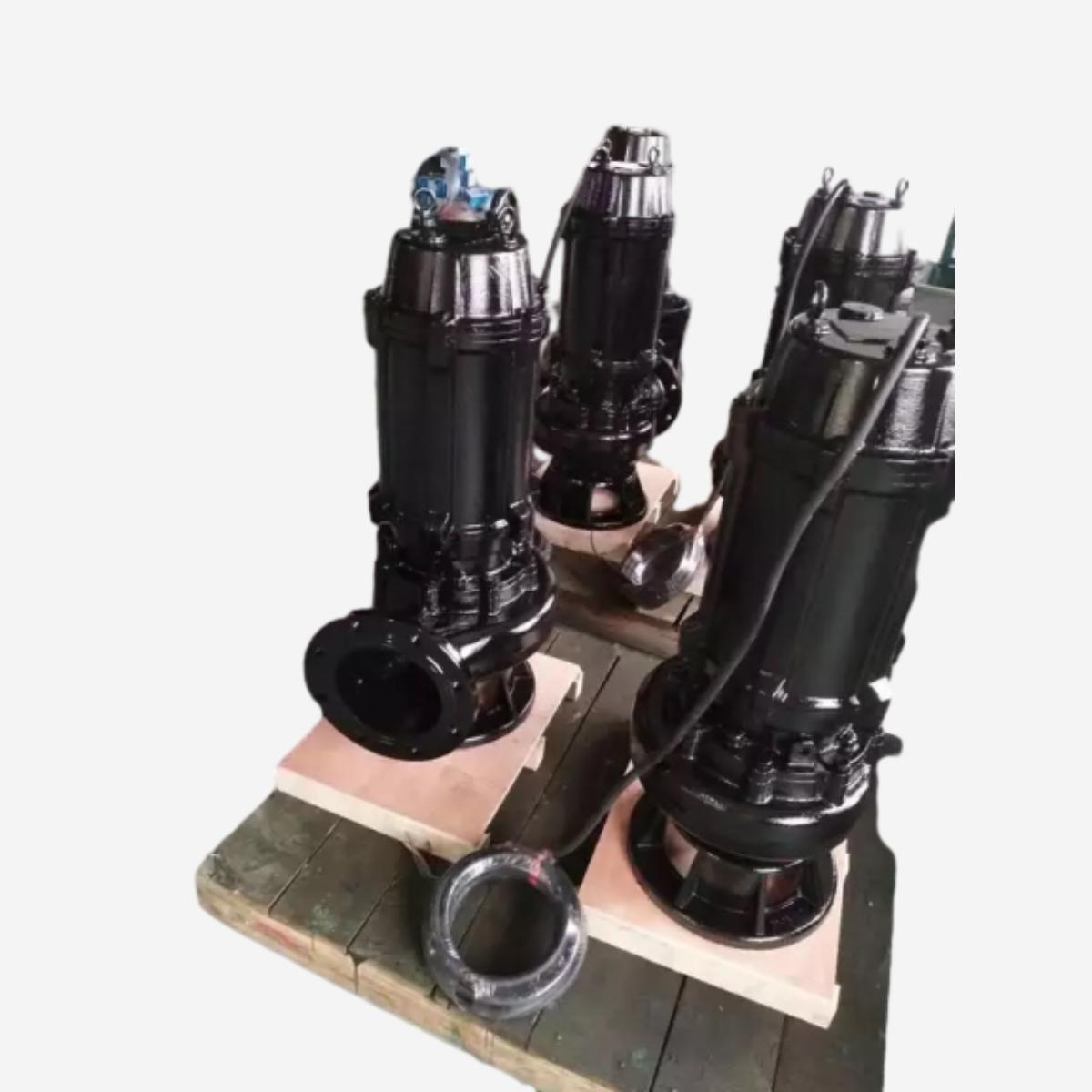
Introduction
Pumps and pipeline services represent a critical infrastructure component across numerous industries, including oil and gas, water treatment, chemical processing, power generation, and mining. These systems are responsible for the reliable and efficient transport of fluids – liquids, gases, and slurries – over varying distances and under demanding conditions. The technical position of pumps and pipelines lies at the intersection of mechanical engineering, fluid dynamics, materials science, and control systems. Core performance parameters include flow rate, pressure, efficiency, and operational reliability. A significant industry pain point centers on mitigating corrosion, erosion, and fatigue, leading to unscheduled downtime and costly repairs. Modern advancements focus on predictive maintenance, utilizing sensor technologies and data analytics to optimize lifespan and reduce lifecycle costs. This guide provides an in-depth examination of the materials, manufacturing, performance characteristics, failure modes, and relevant standards governing pumps and pipeline systems.
Material Science & Manufacturing
The selection of materials for pumps and pipelines is dictated by the fluid being transported, operating temperature and pressure, and environmental conditions. Pump casings commonly utilize cast iron (ASTM A48), ductile iron (ASTM A536), stainless steel (304, 316 – ASTM A240), and alloy steels (e.g., chromium-molybdenum steels – ASTM A351) depending on corrosion resistance and strength requirements. Impellers are often manufactured from bronze (ASTM B584), stainless steel, or polymeric materials for corrosion resistance and hydraulic efficiency. Pipeline materials range from carbon steel (API 5L), commonly used for general-purpose applications, to stainless steel, duplex stainless steel (UNS S31803, offering enhanced chloride resistance), and high-nickel alloys (e.g., Inconel – ASTM B671) for highly corrosive environments. Manufacturing processes for pump components include casting, forging, machining, and welding. Pipeline fabrication relies heavily on welding (SMAW, GTAW, SAW – AWS D1.1), forming (bending, expansion), and coating (epoxy, polyethylene) for corrosion protection. Critical parameters in these processes include weld quality (penetration, porosity, residual stress), heat treatment to optimize material properties, and surface preparation to ensure coating adhesion. Material compatibility with the transported fluid is paramount; for instance, transporting sour crude oil necessitates the use of materials resistant to hydrogen sulfide stress cracking (HSSC) as defined by NACE MR0175/ISO 15156.
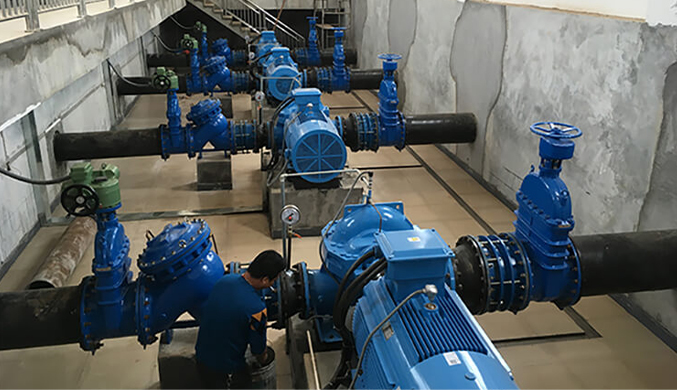
Performance & Engineering
Pump performance is fundamentally governed by the principles of fluid dynamics. Key parameters include volumetric flow rate (m³/h, GPM), head (meters, feet), power consumption (kW, HP), and efficiency (%). The pump’s performance curve, generated through hydraulic testing (ISO 9906), illustrates the relationship between these parameters. Engineering considerations include Net Positive Suction Head (NPSH) requirements to prevent cavitation, hydraulic losses due to friction within the pump and pipeline, and the selection of appropriate pump type (centrifugal, positive displacement, axial) based on application needs. Pipeline design involves stress analysis (using FEA software like ANSYS) to ensure structural integrity under internal pressure, external loads, and thermal expansion. Buckling analysis is crucial for long pipelines, considering soil properties and pipeline burial depth. Corrosion mitigation strategies, such as cathodic protection (NACE SP0169) and internal coatings, are essential for maintaining pipeline integrity. Compliance with environmental regulations (e.g., leak detection and repair – LDAR programs) and safety standards (e.g., pipeline safety management systems – PSMS) is paramount. Force analysis considers hydrodynamic forces acting on the pump and pipeline, particularly during transient events like water hammer, which can cause significant damage if not properly addressed.
Technical Specifications
| Pump Type | Maximum Flow Rate (m³/h) | Maximum Head (m) | Operating Temperature (°C) |
|---|---|---|---|
| Centrifugal Pump | 500 | 150 | 120 |
| Positive Displacement Pump (Gear) | 100 | 200 | 80 |
| Axial Flow Pump | 1000 | 10 | 60 |
| Carbon Steel Pipeline (DN100) | - | - | 100 |
| Stainless Steel Pipeline (DN50) | - | - | 200 |
| Duplex Stainless Steel Pipeline (DN25) | - | - | 150 |
Failure Mode & Maintenance
Pump failures commonly arise from cavitation (resulting in impeller erosion), bearing failure (due to inadequate lubrication or overload), seal failure (leading to leakage), and corrosion/erosion of pump components. Pipeline failures can stem from corrosion (internal and external), stress corrosion cracking (SCC), third-party damage, ground movement, and weld defects. Failure Analysis often involves non-destructive testing (NDT) methods like ultrasonic testing (UT – ASME Section V), radiographic testing (RT), and liquid penetrant testing (PT) to identify cracks, voids, and other defects. Predictive maintenance strategies, incorporating vibration analysis, oil analysis, and thermal imaging, enable early detection of potential failures. Regular inspection and maintenance are crucial. This includes lubricating bearings, replacing seals, monitoring corrosion rates, and conducting hydrostatic testing (API 510) to verify pipeline integrity. For corrosion mitigation, regular coating inspections and repairs are essential. When failures occur, root cause analysis (RCA) is critical to prevent recurrence. Fatigue cracking in pipelines can be mitigated through stress relieving and regular inspection programs. Degradation of polymeric pipeline liners can be addressed with periodic replacement or rehabilitation. Oxidation of metal components can be prevented through the use of protective coatings or alloy selection.
Industry FAQ
Q: What are the primary causes of cavitation in centrifugal pumps and how can it be prevented?
A: Cavitation occurs when the absolute pressure at the pump suction drops below the vapor pressure of the liquid, forming vapor bubbles that collapse violently, causing noise, vibration, and impeller damage. Prevention involves ensuring sufficient Net Positive Suction Head Available (NPSHA) exceeds the Net Positive Suction Head Required (NPSHR) by the pump, optimizing suction piping design to minimize pressure losses, and avoiding excessive pump speeds.
Q: How does sour service impact material selection for pipelines?
A: Sour service, involving fluids containing hydrogen sulfide (H₂S), poses a significant risk of hydrogen sulfide stress cracking (HSSC). Material selection must adhere to NACE MR0175/ISO 15156, specifying materials with low diffusion rates of hydrogen and appropriate hardness levels. Regular inspection and monitoring for HSSC are also critical.
Q: What is the role of cathodic protection in preventing pipeline corrosion?
A: Cathodic protection (CP) mitigates corrosion by making the pipeline a cathode in an electrochemical cell. This is achieved by supplying electrons from an external source (sacrificial anodes or impressed current systems). CP effectively reduces the corrosion rate by suppressing the oxidation reaction at the pipeline surface.
Q: What are the key considerations when selecting a pump for handling abrasive slurries?
A: Handling abrasive slurries necessitates pumps designed with wear-resistant materials (e.g., high-chrome cast iron, ceramic liners) and features to minimize erosion. Positive displacement pumps, such as peristaltic pumps or slurry pumps with hardened impellers, are often preferred. Proper slurry velocity control and regular inspection for wear are also essential.
Q: What are the typical inspection intervals for in-line pipeline inspection (ILI) using intelligent pigs?
A: Inspection intervals for ILI depend on factors such as pipeline operating conditions, fluid transported, and regulatory requirements. Typical intervals range from 5 to 10 years, but may be shorter for high-consequence areas or pipelines with a history of corrosion or defects. ILI tools can detect corrosion, cracks, dents, and other anomalies.
Conclusion
The reliable operation of pumps and pipeline systems is fundamental to the efficient functioning of numerous industries. Careful consideration of material selection, manufacturing processes, performance parameters, and potential failure modes is crucial for ensuring long-term integrity and minimizing lifecycle costs. Adherence to relevant industry standards and the implementation of proactive maintenance strategies, including predictive maintenance techniques, are essential for mitigating risks and maximizing operational uptime.
Future advancements in pump and pipeline technology will likely focus on the integration of advanced sensor technologies, data analytics, and artificial intelligence to optimize performance, predict failures, and enhance safety. The development of novel materials with improved corrosion resistance and mechanical properties will also play a significant role in extending the lifespan of these critical infrastructure components. Furthermore, increased emphasis on sustainable practices and environmentally friendly solutions will drive the adoption of energy-efficient pump designs and leak detection technologies.
-
Comprehensive Guide to Waterproof ORings for Optimal Sealing Solutions
News2026-06-09
-
septic system sump pump Performance Analysis
News2026-06-26
-
septic pump company Performance Analysis
News2026-06-26
-
pumps water treatment Performance Analysis
News2026-06-26
-
pumps for septic tanks Material Science and Manufacturing
News2026-06-26
-
pump for septic system Material Science Manufacturing
News2026-06-26
-
heavy duty submersible pump Performance Analysis
News2026-06-25
-
best submersible pump for septic tank Performance Analysis
News2026-06-25
-
basement sewer ejector pump Performance Analysis
News2026-06-25
-
basement pumps ejector pumps Performance Analysis
News2026-06-25
-
basement lift pump Performance and Engineering
News2026-06-25
-
basement bathroom pump systems Performance Analysis
News2026-06-24
-
basement bathroom ejector pump system Performance Engineering
News2026-06-24
-
2 hp sewage pump Performance Engineering
News2026-06-24
-
1 hp septic pump Performance Engineering
News2026-06-24




