English
- Afrikaans
- Albanian
- Amharic
- Arabic
- Armenian
- Azerbaijani
- Basque
- Belarusian
- Bengali
- Bosnian
- Bulgarian
- Catalan
- Cebuano
- Corsican
- Croatian
- Czech
- Danish
- Dutch
- English
- Esperanto
- Estonian
- Finnish
- French
- Frisian
- Galician
- Georgian
- German
- Greek
- Gujarati
- Haitian Creole
- hausa
- hawaiian
- Hebrew
- Hindi
- Miao
- Hungarian
- Icelandic
- igbo
- Indonesian
- irish
- Italian
- Japanese
- Javanese
- Kannada
- kazakh
- Khmer
- Rwandese
- Korean
- Kurdish
- Kyrgyz
- Lao
- Latin
- Latvian
- Lithuanian
- Luxembourgish
- Macedonian
- Malgashi
- Malay
- Malayalam
- Maltese
- Maori
- Marathi
- Mongolian
- Myanmar
- Nepali
- Norwegian
- Norwegian
- Occitan
- Pashto
- Persian
- Polish
- Portuguese
- Punjabi
- Romanian
- Russian
- Samoan
- Scottish Gaelic
- Serbian
- Sesotho
- Shona
- Sindhi
- Sinhala
- Slovak
- Slovenian
- Somali
- Spanish
- Sundanese
- Swahili
- Swedish
- Tagalog
- Tajik
- Tamil
- Tatar
- Telugu
- Thai
- Turkish
- Turkmen
- Ukrainian
- Urdu
- Uighur
- Uzbek
- Vietnamese
- Welsh
- Bantu
- Yiddish
- Yoruba
- Zulu

Telephone: +86 13120555503
Email: frank@cypump.com


Apr . 01, 2024 17:55 Back to list
pump tank septic system Performance Analysis
Introduction
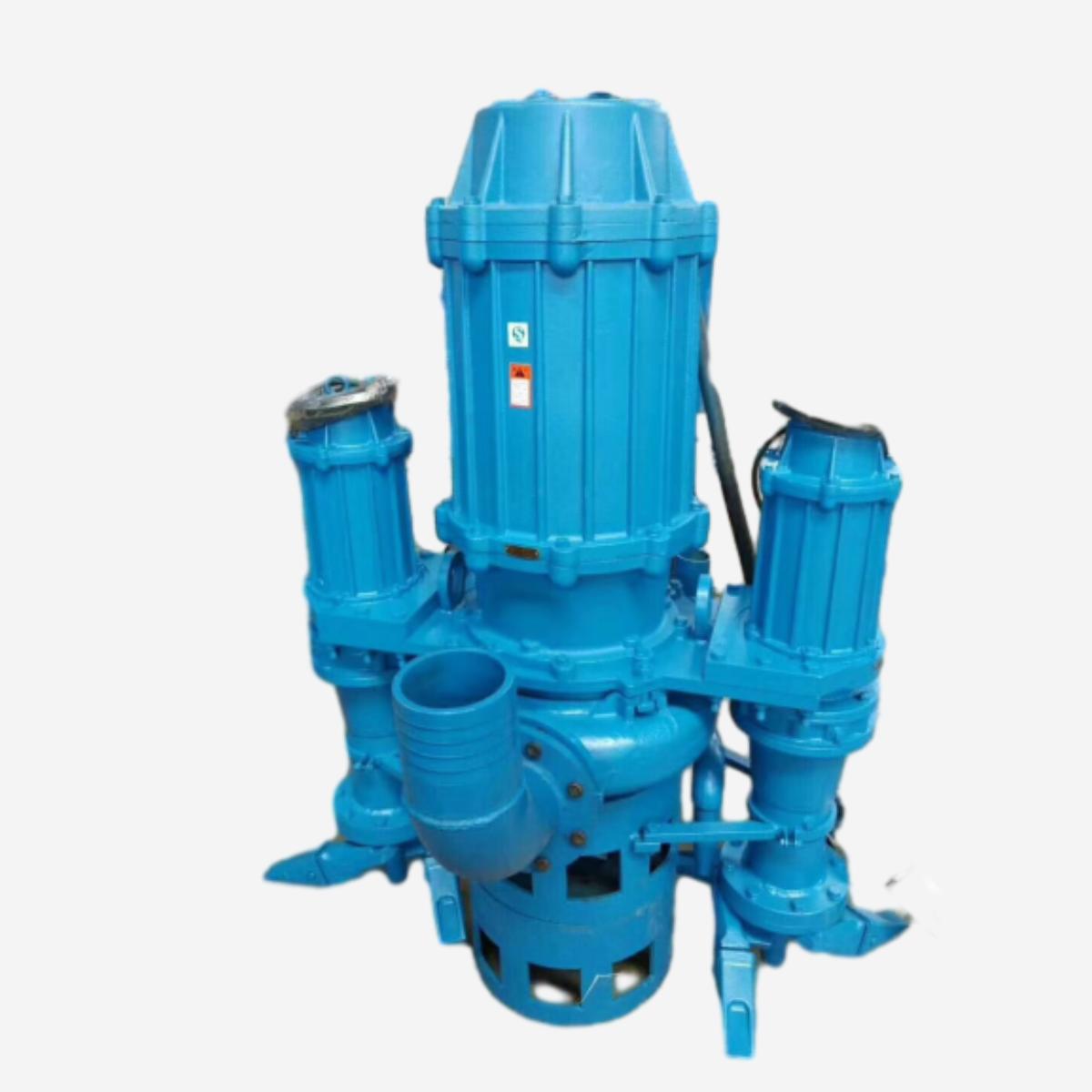
Pump tank septic systems represent a critical component of decentralized wastewater treatment, particularly in areas lacking access to centralized sewer networks. These systems utilize a tank for primary solids separation and a pump to deliver effluent to a subsequent treatment process, typically a leach field. Their technical position within the wastewater management chain is as a pre-treatment and dosing system, bridging the gap between waste generation and final effluent dispersal. Core performance metrics revolve around reliable pump operation, effective solids settling, consistent effluent quality (BOD, TSS, pathogens), and system longevity. A significant industry pain point is premature pump failure due to inadequate solids management, improper sizing for hydraulic loading, and corrosion within the tank environment. Another challenge lies in ensuring consistent effluent dispersal in varying soil conditions and maintaining compliance with increasingly stringent environmental regulations.
Material Science & Manufacturing
The primary materials of construction for pump tank septic systems dictate their durability and resistance to the corrosive environment. Tanks are typically fabricated from reinforced concrete, polyethylene (HDPE), or fiberglass. Reinforced concrete offers high structural strength and longevity, however, it is susceptible to cracking and leaching of alkalinity, potentially impacting pH. HDPE boasts excellent chemical resistance, lightweight properties, and ease of fabrication via rotational molding. Fiberglass provides a balance of strength and corrosion resistance but can be prone to delamination over time. Pump components are commonly constructed from cast iron (for impellers and housings), stainless steel (for shafts and fasteners), and engineered polymers (for seals and diffusers).
Manufacturing processes vary depending on material. Concrete tanks involve formwork construction, rebar placement, and concrete pouring, requiring precise mix designs and curing procedures to minimize cracking. HDPE tanks utilize rotational molding, demanding careful control of mold temperature, rotation speed, and resin density to achieve uniform wall thickness. Fiberglass tanks are created through layering resin-impregnated fiberglass mats within a mold, followed by curing. Pump assembly involves machining of metal components, polymer molding, and precise alignment of internal parts. Critical parameter control includes weld integrity (for metal components), polymer density and crystallinity (for plastic parts), and concrete compressive strength. The pump selection process considers flow rate, total dynamic head (TDH), and solids handling capacity. Proper selection also involves assessing the electrical power requirements and ensuring compatibility with local electrical codes.
Performance & Engineering
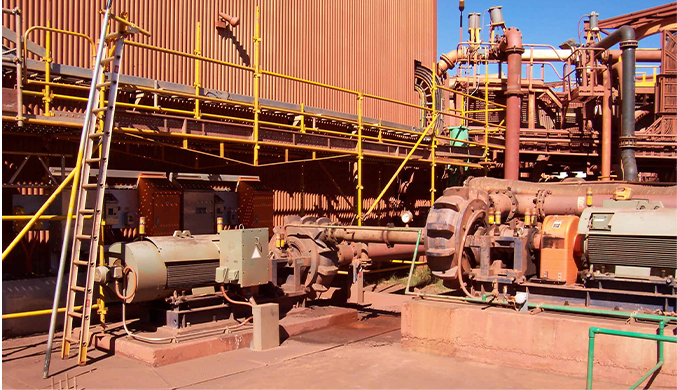
Performance analysis of pump tank septic systems centers around hydraulic loading rate, solids settling efficiency, pump head curves, and effluent dispersal. Hydraulic loading rate (gallons per day per square foot) dictates the tank’s ability to effectively separate solids from liquids. Solids settling relies on gravity and Stoke's Law; proper tank baffling and sufficient detention time are crucial. Pump performance is characterized by its head-capacity curve, illustrating the relationship between flow rate and the vertical distance the pump can lift the effluent (TDH). The TDH calculation must account for static head (elevation difference), friction losses in piping, and pressure requirements at the dispersal field. Environmental resistance necessitates consideration of freeze-thaw cycles (for concrete tanks), UV degradation (for plastic tanks), and corrosion from hydrogen sulfide (H2S) generated by anaerobic decomposition. Compliance requirements are governed by local and national regulations (see Standards & Regulations section) pertaining to effluent quality, setback distances from water sources, and system design specifications. Functional implementation requires proper sizing of the tank and pump based on anticipated wastewater flow, soil percolation rates, and local regulations. Furthermore, regular maintenance and inspection are essential to ensure optimal performance and prevent system failure.
Technical Specifications
| Tank Capacity (Gallons) | Pump Horsepower (HP) | Maximum Head (Feet) | Solids Handling Capacity (Inches) |
|---|---|---|---|
| 500 | 1/2 | 30 | 1/4 |
| 750 | 3/4 | 40 | 3/8 |
| 1000 | 1 | 50 | 1/2 |
| 1500 | 1.5 | 60 | 3/4 |
| 2000 | 2 | 70 | 1 |
| 3000 | 3 | 80 | 1.5 |
Failure Mode & Maintenance
Common failure modes in pump tank septic systems include pump motor burnout, impeller damage, float switch malfunctions, tank cracking, and leach field clogging. Pump motor burnout often results from overheating due to dry running (lack of liquid) or excessive cycling. Impeller damage can occur from abrasive solids or foreign objects entering the pump. Float switch malfunctions, caused by debris accumulation or mechanical failure, lead to improper pump operation. Tank cracking in concrete tanks is often attributed to ground settlement, freeze-thaw cycles, or improper construction. Leach field clogging is a prevalent issue stemming from excessive solids loading or biomat formation.
Preventative maintenance is critical. Regular pump inspections (every 6-12 months) should include checking motor amperage, impeller condition, and float switch operation. Annual tank inspections should assess sludge and scum accumulation, tank integrity, and effluent filter condition. Bioremediation products can be used to enhance bacterial breakdown of solids and reduce biomat formation in the leach field. Avoid flushing non-biodegradable items (e.g., wipes, feminine hygiene products) into the system. Periodic pumping of the tank (every 3-5 years) is necessary to remove accumulated solids and prevent system overload. In cases of significant tank cracking, structural repair or tank replacement may be required. Proper system design and adherence to local regulations are fundamental to minimizing the risk of failure and ensuring long-term performance.
Industry FAQ
Q: What is the optimal pump tank size for a 4-bedroom household?
A: The optimal pump tank size depends on several factors, including daily wastewater flow, soil percolation rates, and local regulations. However, a generally accepted guideline for a 4-bedroom household (estimated 150-200 gallons per day) is a 1000-1500 gallon tank. The pump should be sized to handle the peak flow rate and deliver effluent to the leach field at the required pressure and volume.
Q: How do I prevent hydrogen sulfide (H2S) buildup in the pump tank?
A: Hydrogen sulfide is a byproduct of anaerobic decomposition. Proper ventilation of the tank is crucial to remove H2S gas. Consider installing a vent pipe with a screened cap to allow for airflow. Adding an aeration system or using a chemical treatment can also help to reduce H2S production.
Q: What are the signs of a failing pump float switch?
A: Signs of a failing float switch include the pump running continuously, the pump not turning on when the water level rises, or erratic pump cycling. Inspect the float switch for debris accumulation or mechanical damage. A multimeter can be used to test the switch's electrical conductivity.
Q: What type of effluent filter is recommended for a pump tank septic system?
A: A self-cleaning effluent filter is highly recommended. These filters periodically backwash, removing accumulated solids and reducing the frequency of manual cleaning. Filter mesh size should be appropriate for the system’s design and the expected solids loading.
Q: What is the typical lifespan of a pump tank septic system?
A: The typical lifespan of a well-maintained pump tank septic system is 20-30 years. However, this can vary depending on factors such as soil conditions, wastewater loading, and the quality of materials used in construction. Regular maintenance and adherence to best practices are essential to maximizing system longevity.
Conclusion
Pump tank septic systems are essential components of decentralized wastewater treatment, requiring careful consideration of material science, engineering principles, and proactive maintenance. The selection of appropriate tank materials, pump sizing, and effluent dispersal methods are critical for ensuring optimal performance and environmental compliance. Understanding potential failure modes and implementing preventative maintenance strategies are vital for maximizing system longevity and minimizing costly repairs.
Future advancements in pump tank septic system technology are focused on improved solids separation, enhanced pump efficiency, and remote monitoring capabilities. Bioreactors integrated with pump tank systems offer a promising approach for further effluent polishing and nutrient removal. Continued research and development in these areas will contribute to more sustainable and cost-effective wastewater treatment solutions in areas lacking centralized sewer infrastructure.
-
Precision at the Pump: How Better Machining Protects Flow and Uptime
News2026-11-20
-
Why Pump Reliability Begins Before the First Drop of Fluid
News2026-11-20
-
Beyond the Pump: Designing Safer Access Around Critical Water Infrastructure
News2026-11-20
-
Why Pumping Stations Depend on the Infrastructure Beneath the Pumps
News2026-11-20
-
Beyond the Pump Room: How Smarter Loading Protects Industrial Equipment
News2026-11-19
-
When Pumps Stop: Designing More Resilient Power for Critical Pumping Systems
News2026-11-19
-
The Hidden Role of Dust and Gas Monitoring in Reliable Pump Operations
News2026-11-19
-
The Hidden Role of Mineral Compounds in Extending Industrial Pump Lifespan
News2026-10-12
-
Why Pump System Reliability Depends on Precision Hose Assembly Methods
News2026-09-15
-
How Advanced Imaging Films Are Transforming Pump Component Quality Control
News2026-08-25
-
How Advanced Filtration Protects Pump Systems from Premature Wear and Costly Downtime
News2026-08-25
-
How Steel Material Selection Drives Pump Reliability in Heavy-Duty Systems
News2026-08-25
-
Ensuring Pump System Efficiency: The Role of High-Quality Pipe Fittings and Tubing
News2026-08-24
-
Optimizing Fluid Dynamics and Material Consistency in Industrial Processing
News2026-08-18
-
Innovations and Challenges in Hydraulic Systems for Heavy Machinery
News2026-08-13




