English
- Afrikaans
- Albanian
- Amharic
- Arabic
- Armenian
- Azerbaijani
- Basque
- Belarusian
- Bengali
- Bosnian
- Bulgarian
- Catalan
- Cebuano
- Corsican
- Croatian
- Czech
- Danish
- Dutch
- English
- Esperanto
- Estonian
- Finnish
- French
- Frisian
- Galician
- Georgian
- German
- Greek
- Gujarati
- Haitian Creole
- hausa
- hawaiian
- Hebrew
- Hindi
- Miao
- Hungarian
- Icelandic
- igbo
- Indonesian
- irish
- Italian
- Japanese
- Javanese
- Kannada
- kazakh
- Khmer
- Rwandese
- Korean
- Kurdish
- Kyrgyz
- Lao
- Latin
- Latvian
- Lithuanian
- Luxembourgish
- Macedonian
- Malgashi
- Malay
- Malayalam
- Maltese
- Maori
- Marathi
- Mongolian
- Myanmar
- Nepali
- Norwegian
- Norwegian
- Occitan
- Pashto
- Persian
- Polish
- Portuguese
- Punjabi
- Romanian
- Russian
- Samoan
- Scottish Gaelic
- Serbian
- Sesotho
- Shona
- Sindhi
- Sinhala
- Slovak
- Slovenian
- Somali
- Spanish
- Sundanese
- Swahili
- Swedish
- Tagalog
- Tajik
- Tamil
- Tatar
- Telugu
- Thai
- Turkish
- Turkmen
- Ukrainian
- Urdu
- Uighur
- Uzbek
- Vietnamese
- Welsh
- Bantu
- Yiddish
- Yoruba
- Zulu

Telephone: +86 13120555503
Email: frank@cypump.com


Apr . 01, 2024 17:55 Back to list
pump system septic tank Performance Analysis
Introduction
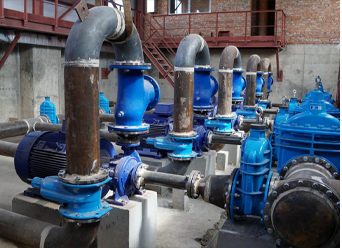
Pump system septic tanks represent a critical component in decentralized wastewater treatment, particularly in areas lacking centralized sewer infrastructure. These systems are engineered to receive, partially treat, and temporarily store wastewater generated from residential or commercial sources. The fundamental principle relies on gravity separation and anaerobic digestion to reduce solid waste, followed by effluent discharge to a drain field or further treatment via a pump system. The integration of a pump is essential when the drain field is situated at an elevation higher than the septic tank, or when soil conditions limit gravity flow. This guide provides an in-depth examination of pump system septic tanks, encompassing material science, manufacturing processes, performance characteristics, potential failure modes, and relevant industry standards. Core industry pain points include ensuring long-term system reliability, mitigating environmental impact through effective effluent management, and achieving compliance with increasingly stringent regulatory requirements regarding wastewater discharge. Proper system design, installation, and maintenance are paramount to addressing these challenges and ensuring sustainable wastewater treatment.
Material Science & Manufacturing
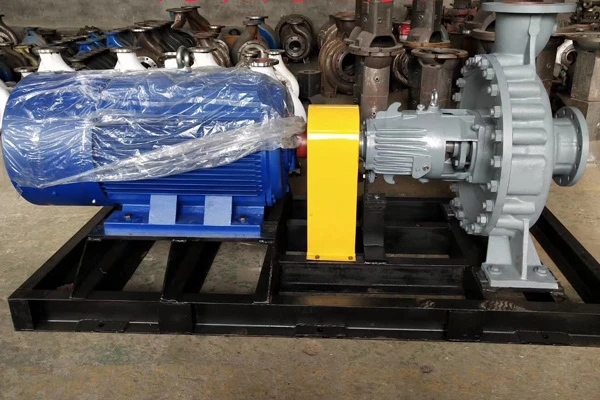
Septic tanks are commonly constructed from concrete, fiberglass, polyethylene, or steel. Concrete tanks, historically prevalent, offer robust structural integrity and thermal mass but are susceptible to cracking due to ground movement and corrosion from hydrogen sulfide (H₂S) generated during anaerobic digestion. Fiberglass tanks exhibit superior corrosion resistance and lighter weight, simplifying installation, but can be prone to deformation under heavy loads or improper backfilling. Polyethylene tanks offer excellent chemical resistance and flexibility, allowing for adaptation to soil movement; however, their structural strength is lower compared to concrete or fiberglass, requiring careful consideration of burial depth and surrounding soil conditions. Steel tanks, while offering high strength, are vulnerable to corrosion unless coated with specialized corrosion-resistant linings. The pump chamber, typically integral to the system, often utilizes a durable thermoplastic material like polypropylene for its resistance to wastewater components. Manufacturing processes vary depending on the material. Concrete tanks are cast in place or precast in forms. Fiberglass tanks are typically manufactured using hand lay-up or spray-up techniques, employing layers of fiberglass matting and resin. Polyethylene tanks are produced through rotational molding. Critical parameters during manufacturing include resin curing time and temperature (for fiberglass), wall thickness consistency (for polyethylene), and concrete mix design (including cement type and aggregate grading). Pump selection considers hydraulic head, flow rate, solids handling capability, and power efficiency, employing materials like stainless steel for impellers and casings to withstand corrosive environments.
Performance & Engineering
The performance of a pump system septic tank is governed by several key engineering principles. Hydraulic loading rate (HLR), defined as the volume of wastewater applied per unit area of the drain field, is a critical parameter influencing effluent quality. Septic tanks rely on solids settling and scum formation; efficient removal of solids reduces the burden on the drain field and extends its lifespan. Anaerobic bacteria degrade organic matter, reducing Biochemical Oxygen Demand (BOD) and Total Suspended Solids (TSS). The pump system must be sized to deliver a consistent flow rate to the drain field, preventing hydraulic overload and ensuring adequate treatment. Force analysis considers the static and dynamic loads on the tank, including soil pressure, hydrostatic pressure, and vehicular traffic. Environmental resistance focuses on preventing groundwater contamination through tank leakage or drain field failure. Compliance with local and national regulations, such as EPA guidelines in the US, is essential, dictating minimum setback distances from wells, property lines, and surface water bodies. The pump's electrical components require proper grounding and overcurrent protection. Regular monitoring of effluent quality (BOD, TSS, nitrogen levels) is crucial for assessing system performance and identifying potential issues. Pump curve analysis is used to determine optimal pump selection for specific head and flow rate requirements. Pipe sizing, material selection (typically PVC or HDPE), and slope are vital for efficient effluent transport and minimizing head loss.
Technical Specifications
| Parameter | Concrete Tank | Fiberglass Tank | Polyethylene Tank | Pump (Typical Submersible) |
|---|---|---|---|---|
| Capacity (Gallons) | 1000 – 5000+ | 750 – 4000 | 500 – 2500 | N/A – System Component |
| Material | Reinforced Concrete | Fiberglass Reinforced Polymer | High-Density Polyethylene (HDPE) | Stainless Steel, Thermoplastic |
| Weight (Empty) | 2000 – 10000+ lbs | 500 – 3000 lbs | 200 – 800 lbs | 10-50 lbs |
| Corrosion Resistance | Poor (requires coating) | Excellent | Excellent | Excellent (SS), Good (Thermoplastic) |
| Structural Strength | High | Moderate | Moderate | High (Pump Housing) |
| Installation Complexity | High (Heavy) | Moderate | Easy | Moderate |
Failure Mode & Maintenance
Pump system septic tanks are susceptible to various failure modes. Concrete tanks can develop cracks due to ground settlement or seismic activity, leading to effluent leakage and groundwater contamination. Fiberglass tanks may experience delamination or deformation under excessive load. Polyethylene tanks can become brittle with prolonged UV exposure or experience punctures from sharp objects during installation. Pump failures are common, often caused by impeller wear, motor burnout, or blockage from debris. Blockages in effluent filters or distribution lines restrict flow and can lead to system backup. Anaerobic digestion can produce hydrogen sulfide (H₂S), which corrodes concrete and metal components. Biofilm buildup reduces the tank's effective capacity and hinders bacterial activity. Regular maintenance is crucial for preventing these failures. This includes annual tank inspections, pumping out accumulated solids every 3-5 years, cleaning effluent filters, inspecting and maintaining the pump system (including float switches and alarm systems), and ensuring proper ventilation to mitigate H₂S buildup. Failure analysis should involve identifying the root cause of the problem (e.g., structural damage, pump failure, blockage) and implementing appropriate corrective actions. Periodic soil testing around the drain field assesses permeability and identifies potential issues with effluent dispersion. Corrosion inhibitors can be used to protect concrete tanks from H₂S attack. Preventative maintenance schedules should be documented and followed consistently.
Industry FAQ
Q: What is the optimal sizing criteria for the pump chamber within a septic system?
A: Optimal sizing of the pump chamber is determined by several factors, including anticipated peak flow rates, pump cycle times, and the volume of wastewater generated between pump cycles. Generally, the pump chamber should hold at least 24 hours of average daily flow. A minimum chamber volume of 400-800 gallons is common, but site-specific calculations based on daily wastewater production and pump performance are essential. Insufficient chamber volume leads to frequent pump cycling, reducing pump life and potentially overloading the drain field.
Q: How do different soil types affect the design and performance of the drain field component?
A: Soil permeability is paramount. Sandy soils with high permeability are ideal, allowing for rapid effluent dispersion. Clay soils, with low permeability, require larger drain field areas or alternative treatment technologies. Perc tests determine the soil's absorption rate. If the soil is unsuitable, engineered solutions like sand filters or mound systems must be implemented. The slope of the drain field also impacts performance; a gentle slope facilitates gravity flow and prevents ponding.
Q: What are the key considerations for selecting a pump specifically for septic tank applications?
A: Pump selection requires careful consideration of total dynamic head (TDH), flow rate, solids handling capability, and power efficiency. Submersible pumps are generally preferred for their reliability and quiet operation. The pump's impeller should be designed to handle solids without clogging. Stainless steel construction is recommended for corrosion resistance. A pump curve should be reviewed to ensure the pump operates within its optimal efficiency range for the specific application. Alarm systems should be incorporated to alert homeowners to pump failures.
Q: What preventative measures can be taken to minimize hydrogen sulfide (H₂S) buildup in the septic tank?
A: Minimizing H₂S buildup requires promoting aerobic conditions within the tank and ensuring adequate ventilation. Avoiding the disposal of harsh chemicals or excessive amounts of detergents can reduce the generation of sulfides. Installing a vent pipe extending above the roofline allows for the dissipation of H₂S gas. Chemical treatments are also available, but their long-term effectiveness and environmental impact should be carefully evaluated.
Q: What are the common causes of effluent filter clogging, and how can this be addressed?
A: Effluent filter clogging is typically caused by the accumulation of solids, grease, and fibrous materials. Regular inspection and cleaning of the filter (every 6-12 months) is essential. Preventing the disposal of non-biodegradable items (e.g., feminine hygiene products, wipes) into the system minimizes clogging. Ensuring the septic tank is adequately sized and pumped regularly reduces the solids load reaching the filter. In some cases, pre-treatment devices like grease traps can be used to remove grease before it enters the system.
Conclusion
Pump system septic tanks represent a vital component of decentralized wastewater management, demanding meticulous attention to material science, engineering principles, and long-term maintenance. Understanding the interplay between tank construction materials, pump performance characteristics, and soil conditions is paramount to ensuring reliable and environmentally responsible wastewater treatment. The selection of appropriate materials, coupled with correct sizing and installation, minimizes the risk of structural failure and maximizes system lifespan.
Moving forward, advancements in monitoring technologies, such as remote telemetry and sensor-based effluent quality analysis, will provide enhanced insights into system performance and enable proactive maintenance interventions. The development of more robust and energy-efficient pump technologies will further optimize system efficiency and reduce operational costs. Continued research into innovative treatment processes, such as bioaugmentation and membrane bioreactors, will offer alternative solutions for addressing increasingly stringent regulatory requirements and ensuring sustainable wastewater management practices.
-
Comprehensive Guide to Waterproof ORings for Optimal Sealing Solutions
News2026-06-09
-
submergable pump Material Science
News2026-06-23
-
sewer injection pump Performance Engineering
News2026-06-23
-
Sewer Ejector Pump System Performance Analysis
News2026-06-23
-
septic tank pump for sale Performance Engineering
News2026-06-23
-
septic pump for sale Performance Engineering
News2026-06-23
-
septic ejector system Performance Analysis
News2026-06-22
-
replace septic pump Performance Analysis
News2026-06-22
-
pump system septic tank Performance Analysis
News2026-06-22
-
lift pump for sewer Performance and Engineering
News2026-06-22
-
industrial submersible water pump Material Science
News2026-06-22
-
industrial submersible pumps Material Science and Manufacturing
News2026-06-21
-
best sewer ejector pump Performance Analysis
News2026-06-21
-
best septic pump Performance Analysis
News2026-06-21
-
1 2 hp septic pump Performance Engineering
News2026-06-21




