English
- Afrikaans
- Albanian
- Amharic
- Arabic
- Armenian
- Azerbaijani
- Basque
- Belarusian
- Bengali
- Bosnian
- Bulgarian
- Catalan
- Cebuano
- Corsican
- Croatian
- Czech
- Danish
- Dutch
- English
- Esperanto
- Estonian
- Finnish
- French
- Frisian
- Galician
- Georgian
- German
- Greek
- Gujarati
- Haitian Creole
- hausa
- hawaiian
- Hebrew
- Hindi
- Miao
- Hungarian
- Icelandic
- igbo
- Indonesian
- irish
- Italian
- Japanese
- Javanese
- Kannada
- kazakh
- Khmer
- Rwandese
- Korean
- Kurdish
- Kyrgyz
- Lao
- Latin
- Latvian
- Lithuanian
- Luxembourgish
- Macedonian
- Malgashi
- Malay
- Malayalam
- Maltese
- Maori
- Marathi
- Mongolian
- Myanmar
- Nepali
- Norwegian
- Norwegian
- Occitan
- Pashto
- Persian
- Polish
- Portuguese
- Punjabi
- Romanian
- Russian
- Samoan
- Scottish Gaelic
- Serbian
- Sesotho
- Shona
- Sindhi
- Sinhala
- Slovak
- Slovenian
- Somali
- Spanish
- Sundanese
- Swahili
- Swedish
- Tagalog
- Tajik
- Tamil
- Tatar
- Telugu
- Thai
- Turkish
- Turkmen
- Ukrainian
- Urdu
- Uighur
- Uzbek
- Vietnamese
- Welsh
- Bantu
- Yiddish
- Yoruba
- Zulu

Telephone: +86 13120555503
Email: frank@cypump.com


Apr . 01, 2024 17:55 Back to list
Pump Sewer System Material Science
Introduction
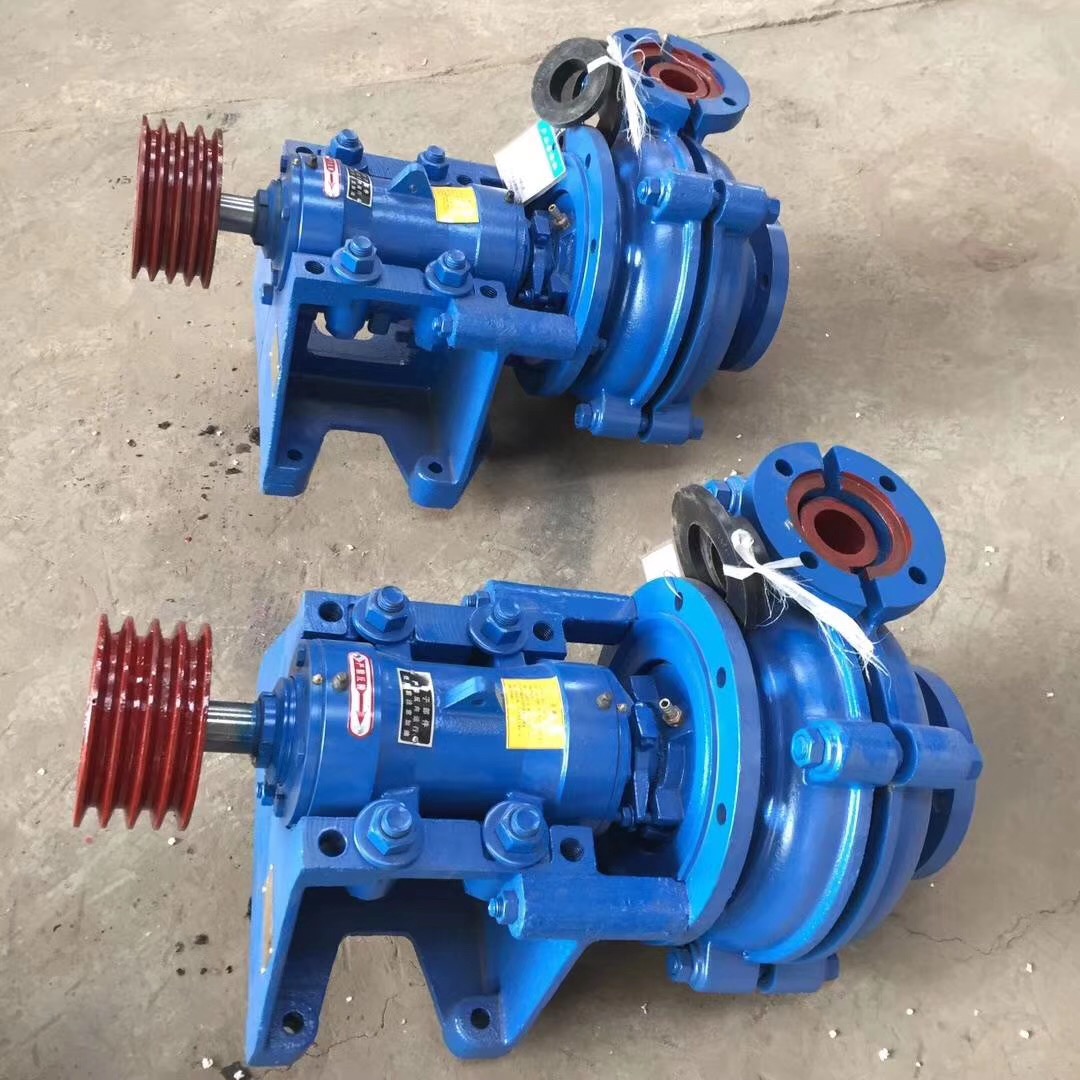
Pump sewer systems are engineered solutions for the efficient and reliable conveyance of wastewater and sewage. Positioned as a critical component within municipal and industrial wastewater treatment infrastructure, these systems overcome gravitational limitations by utilizing submersible pumps to lift effluent to higher elevations for processing or discharge. Their technical position lies between the collection network (sewer lines) and the treatment plant, bridging the gap where gravity-fed flow is insufficient. Core performance characteristics center around flow rate (gallons per minute/liters per second), total dynamic head (TDH – the vertical distance and friction losses the pump must overcome), pump efficiency, solids handling capability, and operational reliability. Addressing key industry pain points like minimizing blockages, reducing energy consumption, preventing overflows, and ensuring long-term durability are central to effective pump sewer system design and implementation.
Material Science & Manufacturing
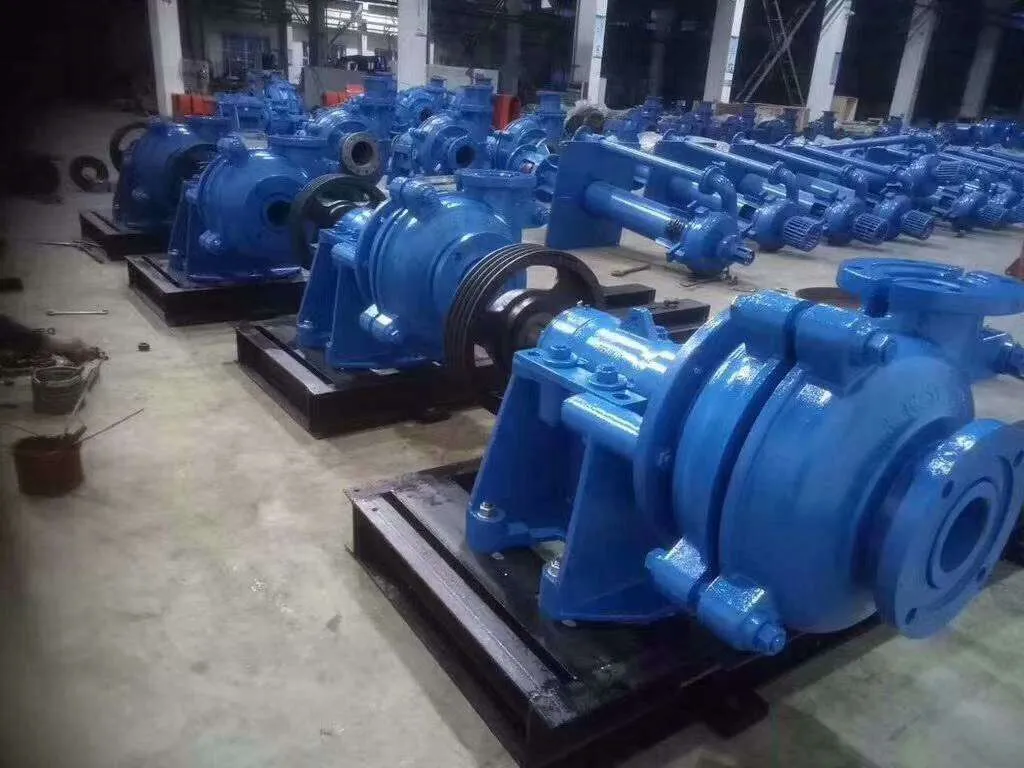
The materials comprising pump sewer systems are selected for their resistance to corrosion, abrasion, and the biological activity inherent in wastewater. Pump casings are commonly constructed from cast iron (ASTM A48 Class 30 or higher, for tensile strength and ductility), ductile iron (ASTM A536-89, offering improved impact resistance), or stainless steel (304/316 grades, for superior corrosion resistance in aggressive environments). Impellers, the rotating components driving fluid flow, utilize materials like high-chrome cast iron (to resist abrasive wear from solids) or stainless steel. Shafts are typically manufactured from 4140 or 4340 alloy steel, heat-treated for high tensile strength and fatigue resistance. Seals are critical, often employing materials like silicon carbide (SiC) against SiC faces for long-term wear resistance and compatibility with various fluids.
Manufacturing processes vary depending on the component. Pump casings are often produced using sand casting or investment casting for complex geometries. Impellers are typically cast or precision-machined. Shafts undergo forging, machining, and heat treatment. Pump assembly involves rigorous quality control, including hydrostatic testing to verify casing integrity and performance testing to validate flow rate and TDH. Fiberglass Reinforced Polymer (FRP) wet wells, increasingly common, are manufactured via filament winding or hand lay-up techniques, utilizing resin systems (typically polyester or vinyl ester) for chemical resistance and structural integrity. Welds, when employed (particularly in pipework), adhere to AWS D1.1 standards for structural welding. Parameter control during casting involves precise mold temperature and cooling rates to minimize porosity and ensure material homogeneity.
Performance & Engineering
Pump sewer system performance relies heavily on hydraulic principles and mechanical engineering considerations. Force analysis focuses on the stresses imposed on the pump casing, impeller, and shaft during operation. Cavitation – the formation of vapor bubbles due to low pressure – is a critical concern, leading to impeller erosion and reduced efficiency. Net Positive Suction Head Required (NPSHr) must be carefully calculated and maintained to prevent cavitation. Pump selection involves matching the pump curve (flow rate vs. TDH) to the system curve (representing the resistance to flow in the pipeline). Environmental resistance is paramount; systems must withstand temperature fluctuations, humidity, and potential exposure to corrosive gases. Compliance requirements include adherence to EPA regulations regarding wastewater discharge, and local building codes related to electrical safety and structural integrity. Functional implementation necessitates proper piping design (diameter, material, slope), valve selection (check valves to prevent backflow, gate valves for isolation), and control system integration (level sensors, variable frequency drives (VFDs) for energy optimization, SCADA systems for remote monitoring and control).
Technical Specifications
| Parameter | Unit | Typical Range | Industry Standard |
|---|---|---|---|
| Flow Rate | GPM (Gallons Per Minute) | 50 – 5000 | HI 1.6 |
| Total Dynamic Head (TDH) | ft (Feet) | 10 – 200 | ANSI/HI 1.3 |
| Pump Efficiency | % | 60 – 85 | DOE Pump Efficiency Standards |
| Solids Handling Capability | in (Inches) | Up to 4 | N/A – Application Specific |
| Motor Horsepower | HP | 0.5 – 200 | NEMA MG 1 |
| Operating Voltage | V | 230/460/575 | IEC 60038 |
Failure Mode & Maintenance
Pump sewer systems are susceptible to several failure modes. Fatigue cracking in the pump casing or impeller can occur due to cyclical loading and stress concentration. Delamination of FRP wet wells can result from moisture ingress or improper resin curing. Seal failures lead to leakage and reduced pump efficiency. Clogging from rags, debris, or solids buildup is a frequent issue, leading to pump overload and potential motor burnout. Corrosion, particularly in aggressive wastewater environments, degrades material integrity. Oxidation of metal components can also contribute to performance degradation.
Preventative maintenance is critical. Regular inspections should include visual checks for corrosion, leakage, and wear. Pump curves should be periodically monitored to detect efficiency losses. Seals should be replaced according to manufacturer recommendations. Wet wells should be cleaned regularly to remove accumulated solids. VFDs should be inspected for proper operation and cooling. Bearing lubrication is essential for smooth pump operation. Predictive maintenance techniques, such as vibration analysis and infrared thermography, can identify potential failures before they occur. Proper grounding and surge protection are crucial to prevent electrical damage. For FRP structures, regular coating inspections and repairs are needed to maintain barrier properties.
Industry FAQ
Q: What are the primary considerations when selecting a pump type (e.g., centrifugal, submersible, vortex) for a specific sewer application?
A: The choice of pump type depends heavily on the solids content and characteristics of the wastewater. Centrifugal pumps are suitable for relatively clean effluent with minimal solids. Submersible pumps are ideal for handling high solids content and are often preferred for their self-priming capabilities. Vortex pumps excel at handling stringy materials and large solids without clogging, but typically have lower efficiency. A thorough assessment of the wastewater composition is crucial for optimal pump selection.
Q: How does the selection of impeller material impact the long-term operational costs of a pump sewer system?
A: Impeller material significantly impacts lifespan and maintenance frequency. Standard cast iron impellers are cost-effective initially but are prone to wear in abrasive environments, leading to frequent replacement. High-chrome cast iron provides superior abrasion resistance, extending impeller life and reducing downtime. Stainless steel offers the best corrosion resistance but is the most expensive option. A cost-benefit analysis, considering the wastewater characteristics and operational hours, is essential.
Q: What are the key factors to consider when designing a wet well to prevent sedimentation and odor issues?
A: Wet well design should prioritize sufficient detention time to allow solids to settle, but avoid prolonged stagnation which can lead to anaerobic decomposition and odor generation. Adequate inlet baffling prevents turbulence and promotes settling. Proper ventilation is crucial for odor control. Wet well geometry should minimize dead zones where solids can accumulate. Regularly scheduled cleaning is essential to remove settled solids.
Q: How do Variable Frequency Drives (VFDs) contribute to energy savings in pump sewer systems?
A: VFDs allow pump speed to be modulated to match the actual flow demand, rather than running at a constant speed. This significantly reduces energy consumption, particularly during periods of low flow. VFDs also reduce mechanical stress on the pump and motor, extending their lifespan. Payback periods for VFD installations are often relatively short due to the substantial energy savings.
Q: What are the implications of improper grounding and surge protection in a pump sewer system?
A: Improper grounding can lead to stray currents and corrosion, damaging pump components and posing a safety hazard. Surge protection is essential to protect the pump motor and control system from voltage spikes caused by lightning or switching transients. Failure to implement adequate grounding and surge protection can result in costly repairs, downtime, and potential injury.
Conclusion
Pump sewer systems represent a critical infrastructure element for efficient wastewater management. The effective design, material selection, and ongoing maintenance of these systems are essential for ensuring reliable operation, minimizing environmental impact, and reducing long-term operating costs. Understanding the interplay between hydraulic principles, material science, and industry standards is paramount for professionals involved in the specification, installation, and maintenance of these vital systems.
Future trends in pump sewer system technology are focused on increased energy efficiency through advanced control systems and pump designs, enhanced monitoring and diagnostics via IoT sensors and data analytics, and the adoption of more sustainable materials and manufacturing processes. Continued research and development are needed to address emerging challenges related to climate change, population growth, and increasingly stringent environmental regulations.
-
Comprehensive Guide to Waterproof ORings for Optimal Sealing Solutions
News2026-06-09
-
heavy duty submersible pump Performance Analysis
News2026-06-25
-
best submersible pump for septic tank Performance Analysis
News2026-06-25
-
basement sewer ejector pump Performance Analysis
News2026-06-25
-
basement pumps ejector pumps Performance Analysis
News2026-06-25
-
basement lift pump Performance and Engineering
News2026-06-25
-
basement bathroom pump systems Performance Analysis
News2026-06-24
-
basement bathroom ejector pump system Performance Engineering
News2026-06-24
-
2 hp sewage pump Performance Engineering
News2026-06-24
-
1 hp septic pump Performance Engineering
News2026-06-24
-
submersible effluent pump Performance Analysis
News2026-06-24
-
submergable pump Material Science
News2026-06-23
-
sewer injection pump Performance Engineering
News2026-06-23
-
Sewer Ejector Pump System Performance Analysis
News2026-06-23
-
septic tank pump for sale Performance Engineering
News2026-06-23




