English
- Afrikaans
- Albanian
- Amharic
- Arabic
- Armenian
- Azerbaijani
- Basque
- Belarusian
- Bengali
- Bosnian
- Bulgarian
- Catalan
- Cebuano
- Corsican
- Croatian
- Czech
- Danish
- Dutch
- English
- Esperanto
- Estonian
- Finnish
- French
- Frisian
- Galician
- Georgian
- German
- Greek
- Gujarati
- Haitian Creole
- hausa
- hawaiian
- Hebrew
- Hindi
- Miao
- Hungarian
- Icelandic
- igbo
- Indonesian
- irish
- Italian
- Japanese
- Javanese
- Kannada
- kazakh
- Khmer
- Rwandese
- Korean
- Kurdish
- Kyrgyz
- Lao
- Latin
- Latvian
- Lithuanian
- Luxembourgish
- Macedonian
- Malgashi
- Malay
- Malayalam
- Maltese
- Maori
- Marathi
- Mongolian
- Myanmar
- Nepali
- Norwegian
- Norwegian
- Occitan
- Pashto
- Persian
- Polish
- Portuguese
- Punjabi
- Romanian
- Russian
- Samoan
- Scottish Gaelic
- Serbian
- Sesotho
- Shona
- Sindhi
- Sinhala
- Slovak
- Slovenian
- Somali
- Spanish
- Sundanese
- Swahili
- Swedish
- Tagalog
- Tajik
- Tamil
- Tatar
- Telugu
- Thai
- Turkish
- Turkmen
- Ukrainian
- Urdu
- Uighur
- Uzbek
- Vietnamese
- Welsh
- Bantu
- Yiddish
- Yoruba
- Zulu

Telephone: +86 13120555503
Email: frank@cypump.com


Apr . 01, 2024 17:55 Back to list
pump septic tank Performance Analysis
Introduction
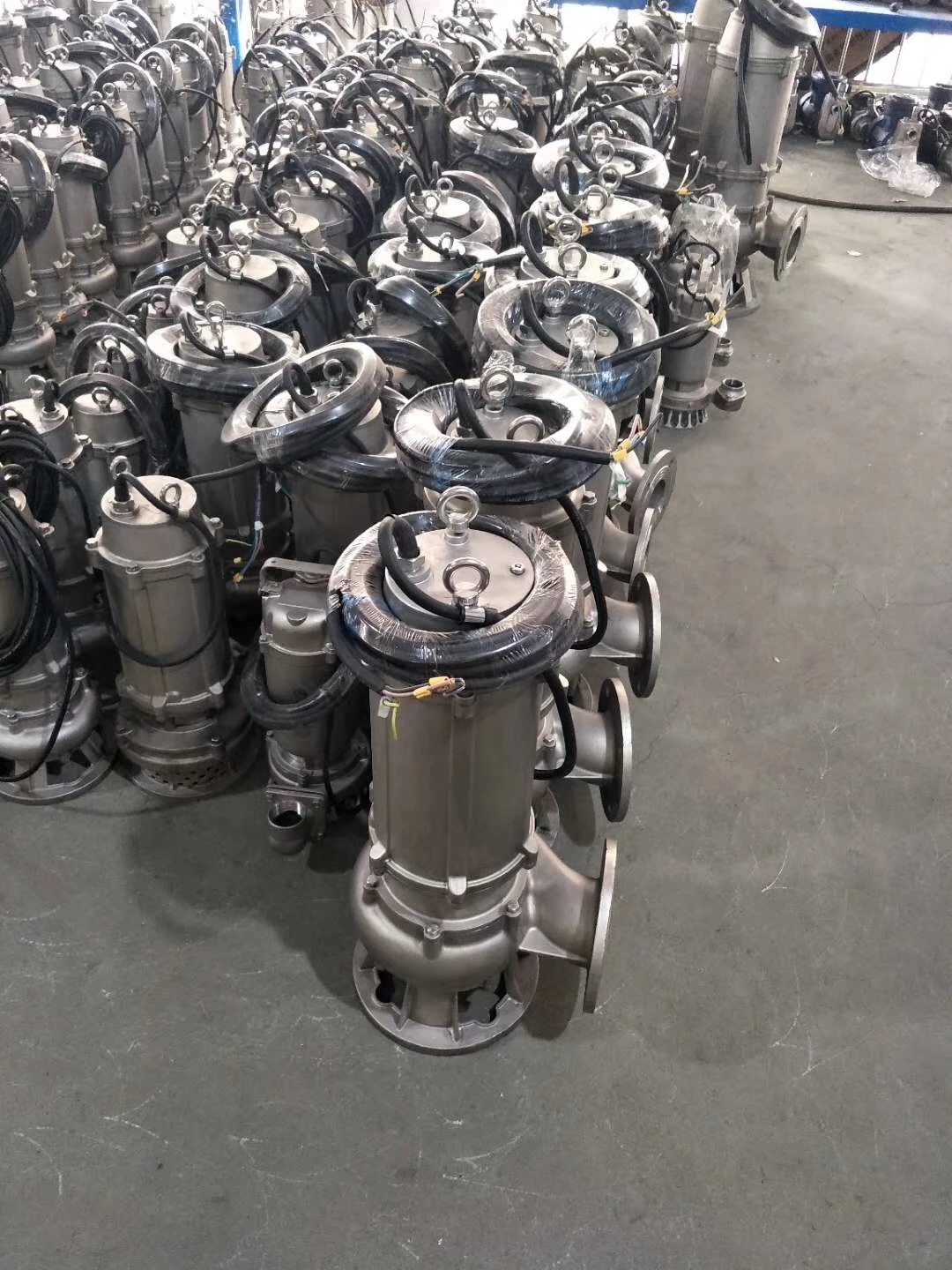
Pump septic tanks represent a critical component in decentralized wastewater treatment, primarily utilized in areas lacking access to centralized sewer systems. These systems consist of a septic tank for primary treatment – settling of solids and initial decomposition – coupled with a pump chamber and a soil absorption field (leach field). The pump is essential for overcoming limitations imposed by challenging site conditions, such as high water tables, sloping terrain, or poorly permeable soils, which would otherwise render conventional gravity-fed systems ineffective. The technical position within the wastewater treatment chain is post-primary clarification, preceding secondary treatment within the leach field. Core performance parameters include pumping rate (gallons per minute/hour), total dynamic head (TDH), solids handling capability, and alarm functionality for high liquid level or pump failure. Proper design and maintenance are vital for preventing system failure and ensuring environmental protection.
Material Science & Manufacturing
The primary materials utilized in pump septic tank systems necessitate resistance to corrosive environments created by wastewater. Septic tanks themselves are commonly constructed from precast concrete, polyethylene, or fiberglass. Concrete tanks require careful sealing to prevent groundwater infiltration and exfiltration, typically achieved through the application of polymer coatings and joint sealants. Polyethylene tanks utilize high-density polyethylene (HDPE) known for its chemical resistance and durability, manufactured via rotational molding. Fiberglass tanks employ unsaturated polyester resins reinforced with glass fibers, providing a lightweight and corrosion-resistant solution. The pump chamber, housing the effluent pump, is similarly constructed from these materials. The pumps themselves primarily employ cast iron for the pump casing, providing strength and resistance to abrasion. Impeller materials commonly include engineered plastics like polypropylene or stainless steel (304 or 316) for corrosion resistance. Seals are often made of materials like nitrile rubber or Viton, chosen for compatibility with wastewater constituents. Manufacturing processes include concrete formwork and pouring, rotational molding for polyethylene, resin infusion for fiberglass, and precision machining for pump components. Critical parameter control during manufacturing focuses on wall thickness uniformity, weld integrity (for metal components), and proper sealant application to prevent leaks.
Performance & Engineering
Performance of pump septic tank systems hinges on accurate hydraulic design and pump selection. Force analysis considers the static head (vertical distance between the pump and the leach field), friction losses within the piping network, and dynamic head requirements to overcome elevation changes. Pump curves, providing the relationship between flow rate and TDH, are crucial for selecting a pump capable of delivering the required flow at the given head. Environmental resistance is paramount; tanks must withstand soil loads, hydrostatic pressure, and freeze-thaw cycles. Compliance with local and national regulations is mandatory. For example, effluent quality standards dictate permissible levels of biochemical oxygen demand (BOD), total suspended solids (TSS), and nitrogen. Pump systems also require electrical safety considerations, including proper grounding and overcurrent protection. Functional implementation involves a float switch system within the pump chamber, triggering the pump when the liquid level reaches a predetermined setpoint. Redundancy is often incorporated, utilizing a second pump as a backup in case of primary pump failure. Pump selection factors include solids handling capacity (to prevent clogging), pump efficiency (to minimize energy consumption), and alarm system integration (for remote monitoring and diagnostics).
Technical Specifications
| Tank Capacity (Gallons) | Pump Flow Rate (GPM) | Total Dynamic Head (TDH) (Feet) | Pump Motor Horsepower (HP) |
|---|---|---|---|
| 750 | 25 | 50 | 1/2 |
| 1000 | 35 | 75 | 3/4 |
| 1500 | 50 | 100 | 1 |
| 2000 | 75 | 125 | 1.5 |
| 3000 | 100 | 150 | 2 |
| 4000 | 150 | 200 | 3 |
Failure Mode & Maintenance
Pump septic tank systems are susceptible to several failure modes. Pump failure, often due to impeller wear, motor burnout, or switch malfunction, is a common issue. Solids accumulation within the pump chamber can lead to clogging and reduced pumping efficiency. Tank leakage, stemming from cracks in concrete or compromised seals, can cause groundwater contamination. Leach field failure, resulting from soil saturation and reduced permeability, hinders effluent dispersal. Corrosion of metal components, particularly the pump casing and impeller, can occur over time due to the corrosive nature of wastewater. Fatigue cracking in pump components can develop due to cyclical loading. Delamination of concrete tanks can occur due to freeze-thaw cycles and improper concrete mixing. Maintenance solutions include regular tank inspections (every 3-5 years) to assess tank integrity and sludge levels. Pump inspections and cleaning (annually) are critical for preventing clogging. Float switch testing and calibration ensures proper pump activation. Periodic leach field evaluation assesses soil permeability and identifies potential saturation issues. Preventative maintenance includes avoiding the introduction of non-biodegradable materials into the system and promoting water conservation to reduce hydraulic loading.
Industry FAQ
Q: What is the typical lifespan of an effluent pump in a septic tank system?
A: The typical lifespan of an effluent pump ranges from 7 to 10 years, contingent upon water quality, pump usage frequency, and maintenance practices. Pumps exposed to high solids content or operated continuously will likely exhibit a shorter lifespan. Regular maintenance, including cleaning and impeller inspection, can extend pump life.
Q: How often should the septic tank be pumped?
A: Septic tanks should be pumped every 3 to 5 years, depending on household size and water usage. Regular pumping removes accumulated sludge and scum, preventing solids from entering the leach field and causing failure. Ignoring this maintenance can significantly reduce the system’s lifespan.
Q: What causes a high-level alarm in the pump chamber?
A: A high-level alarm indicates that the pump is failing to remove effluent at the expected rate, causing the liquid level to rise excessively. This can be due to a malfunctioning pump, a clogged pump intake, a faulty float switch, or a blocked discharge pipe. Immediate investigation is required to prevent overflow.
Q: What are the signs of a failing leach field?
A: Signs of a failing leach field include slow draining toilets and sinks, sewage backups, soggy areas around the leach field, and the presence of foul odors. Soil saturation hinders effluent dispersal, leading to these symptoms. Repair or replacement of the leach field may be necessary.
Q: What types of pretreatment are recommended before the septic tank to extend system life?
A: Implementing pretreatment steps, such as a solids interceptor or a grease trap, can significantly extend the system lifespan. These devices remove larger solids and fats, oils, and greases (FOG) before they enter the septic tank, reducing the burden on the pump and leach field. Additionally, utilizing enzyme-based additives can enhance the decomposition of organic matter.
Conclusion
Pump septic tank systems offer a robust solution for wastewater treatment in challenging environments, but their long-term performance is intrinsically linked to proper design, installation, and diligent maintenance. Selecting a pump with the appropriate flow rate and TDH for the specific site conditions, coupled with periodic inspections and cleaning, is paramount. Understanding the potential failure modes—ranging from pump malfunction to leach field saturation—allows for proactive intervention and prevents costly repairs.
Future trends in pump septic tank technology are focused on enhancing monitoring capabilities through remote sensors and data analytics, predicting potential failures before they occur. Further research into advanced materials with improved corrosion resistance and extended lifespan will also contribute to system reliability. Ultimately, a holistic approach encompassing responsible water usage, pretreatment strategies, and regular maintenance ensures the sustainable operation and environmental protection offered by these critical wastewater treatment systems.
-
Comprehensive Guide to Waterproof ORings for Optimal Sealing Solutions
News2026-06-09
-
drainage pumps Performance and Engineering
News2026-06-09
-
basement bathroom ejector pump Material Science
News2026-06-09
-
Sewer Ejector Pump Cost Performance Analysis
News2026-06-09
-
Septic Tank Pump Replacement Performance Analysis
News2026-06-09
-
septic sump pump Performance and Engineering
News2026-06-09
-
Septic Pump System Performance Analysis
News2026-06-08
-
pump for septic Material Science
News2026-06-08
-
basement sewer pump Performance Analysis
News2026-06-08
-
submerged pump Performance Engineering
News2026-06-08
-
Septic System Pumps Performance Analysis
News2026-06-08
-
septic system pump Material Science and Manufacturing
News2026-06-07
-
pump for septic tank Material Science Manufacturing
News2026-06-07
-
submersible sewage pump Material Science
News2026-06-07
-
Sewage Ejector Material Science and Manufacturing
News2026-06-07




