English
- Afrikaans
- Albanian
- Amharic
- Arabic
- Armenian
- Azerbaijani
- Basque
- Belarusian
- Bengali
- Bosnian
- Bulgarian
- Catalan
- Cebuano
- Corsican
- Croatian
- Czech
- Danish
- Dutch
- English
- Esperanto
- Estonian
- Finnish
- French
- Frisian
- Galician
- Georgian
- German
- Greek
- Gujarati
- Haitian Creole
- hausa
- hawaiian
- Hebrew
- Hindi
- Miao
- Hungarian
- Icelandic
- igbo
- Indonesian
- irish
- Italian
- Japanese
- Javanese
- Kannada
- kazakh
- Khmer
- Rwandese
- Korean
- Kurdish
- Kyrgyz
- Lao
- Latin
- Latvian
- Lithuanian
- Luxembourgish
- Macedonian
- Malgashi
- Malay
- Malayalam
- Maltese
- Maori
- Marathi
- Mongolian
- Myanmar
- Nepali
- Norwegian
- Norwegian
- Occitan
- Pashto
- Persian
- Polish
- Portuguese
- Punjabi
- Romanian
- Russian
- Samoan
- Scottish Gaelic
- Serbian
- Sesotho
- Shona
- Sindhi
- Sinhala
- Slovak
- Slovenian
- Somali
- Spanish
- Sundanese
- Swahili
- Swedish
- Tagalog
- Tajik
- Tamil
- Tatar
- Telugu
- Thai
- Turkish
- Turkmen
- Ukrainian
- Urdu
- Uighur
- Uzbek
- Vietnamese
- Welsh
- Bantu
- Yiddish
- Yoruba
- Zulu

Telephone: +86 13120555503
Email: frank@cypump.com


Apr . 01, 2024 17:55 Back to list
Pump Pipeline System Analysis and Design
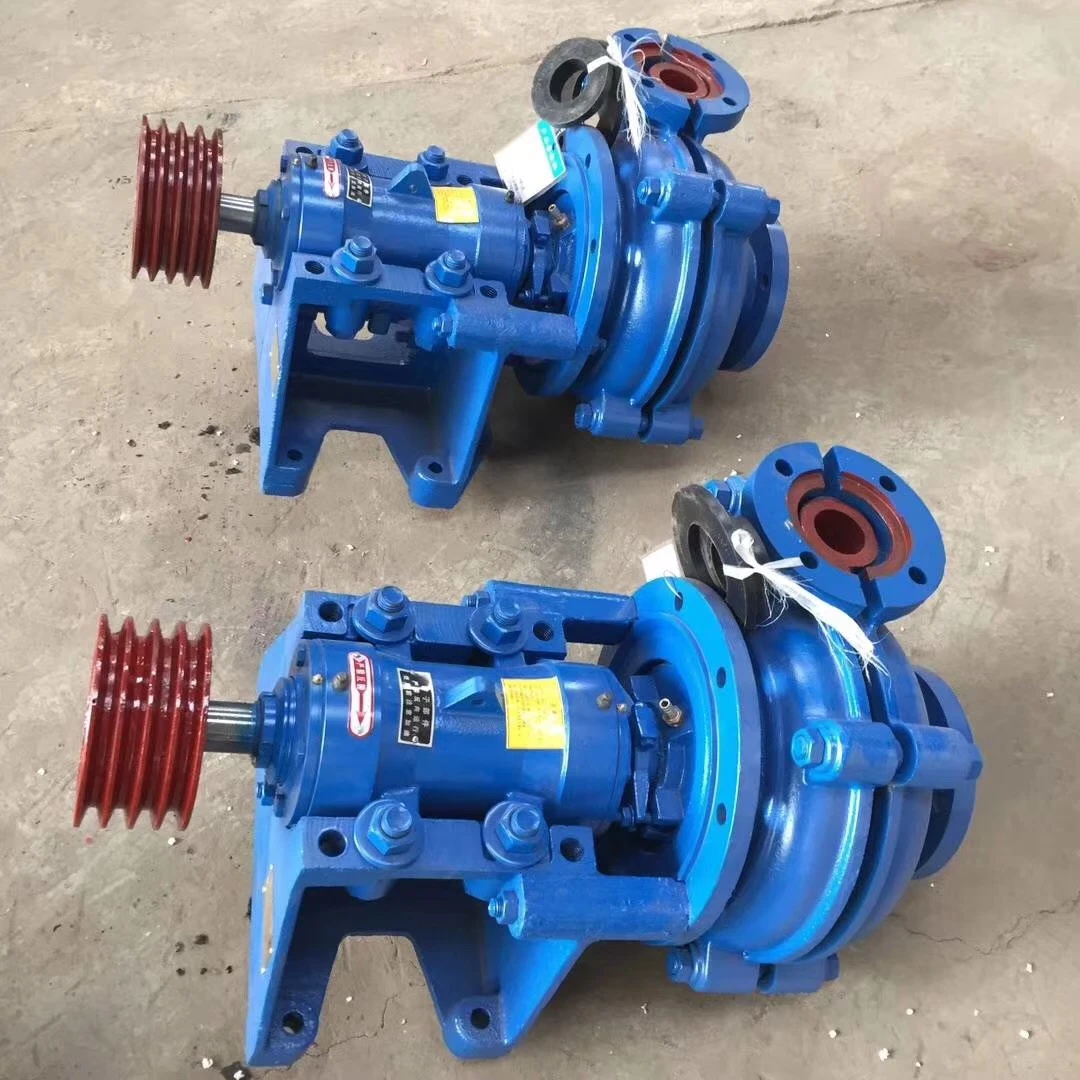
Introduction
Pump pipeline system analysis and design constitutes a critical engineering discipline focused on the efficient and reliable conveyance of fluids. Situated within the broader fields of process engineering, mechanical engineering, and fluid dynamics, its technical position in the industry chain extends from initial fluid source to the point of consumption or processing. The core performance characteristics of a well-designed pump pipeline system are defined by minimized energy consumption, maximized flow rate at desired pressures, long-term operational reliability, and adherence to stringent safety and environmental regulations. Industry pain points revolve around cavitation, corrosion, erosion, water hammer, and the complex interaction between pump performance curves and pipeline hydraulic profiles. Optimized design necessitates a thorough understanding of fluid properties, pipe material selection, pump characteristics, and control system integration. This guide provides an in-depth technical overview of the critical aspects of pump pipeline system analysis and design, addressing these key challenges and outlining best practices for robust and efficient operation.
Material Science & Manufacturing
The materials employed in pump pipeline systems are subject to significant stresses from pressure, temperature fluctuations, fluid composition, and mechanical forces. Pipeline construction commonly utilizes carbon steel (ASTM A53, A106), stainless steel (304, 316 – offering superior corrosion resistance), ductile iron (ANSI/AWWA C151), and increasingly, High-Density Polyethylene (HDPE) and Polyvinyl Chloride (PVC) for lower-pressure applications. Pump components, particularly impellers and casings, frequently employ cast iron, stainless steel, or bronze depending on the fluid being pumped and the required wear resistance. Manufacturing processes for metallic pipelines involve seamless or welded steel pipe production, followed by hydrostatic testing to ensure integrity. Welding procedures (SMAW, GMAW, SAW) must adhere to ASME Section IX standards to guarantee weld quality and avoid defects such as porosity and incomplete penetration. Plastic pipelines are manufactured via extrusion, injection molding, or rotational molding. Critical parameters during plastic pipe manufacturing include melt temperature, cooling rate, and dimensional tolerances. Surface treatments, such as epoxy coatings (for corrosion protection on steel pipelines) and polyethylene encasement, are common. The chemical compatibility of the chosen materials with the conveyed fluid is paramount; for example, hydrochloric acid requires specialized alloys or lined pipes to prevent rapid corrosion. Microstructural analysis of welds, including metallographic examination and non-destructive testing (NDT) such as ultrasonic testing (UT) and radiographic testing (RT), are essential quality control measures.
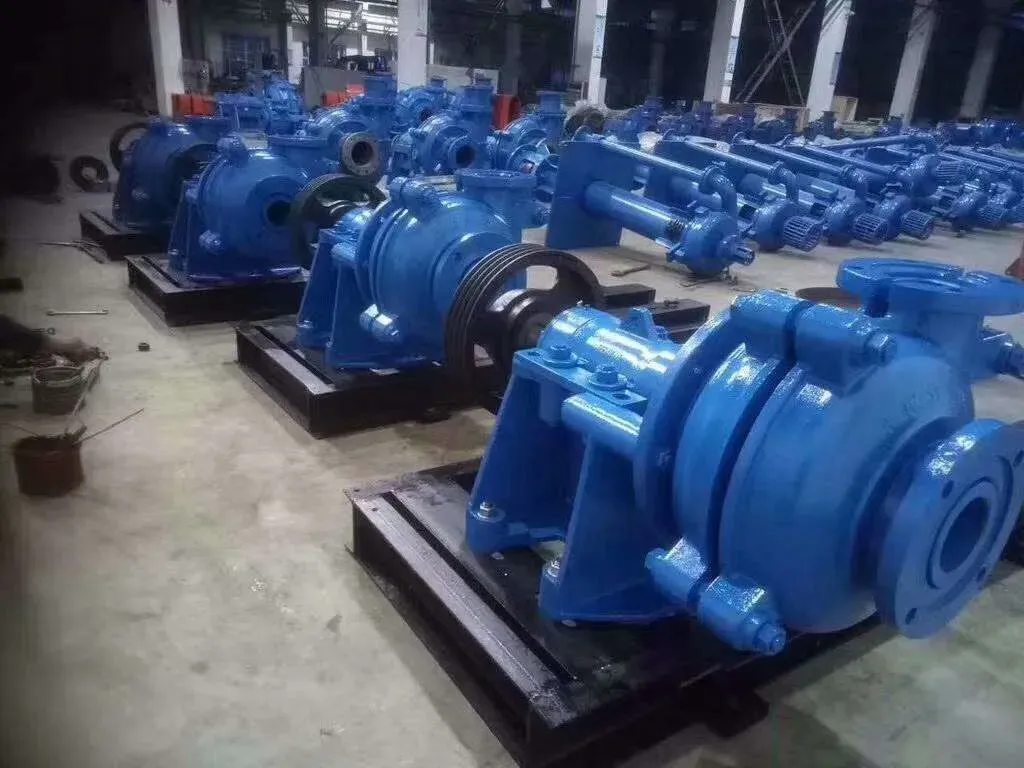
Performance & Engineering
Performance engineering for pump pipeline systems centers around hydraulic analysis, stress analysis, and system control. Hydraulic analysis, typically performed using software such as AFT Fathom or PIPE-FLO, determines pressure drops, flow velocities, and energy losses throughout the system. The Darcy-Weisbach equation and the Hazen-Williams equation are fundamental tools in this analysis. Pump performance is characterized by pump curves, which depict the relationship between flow rate, head, and efficiency. System resistance curves, representing the pressure drop across the pipeline network, are superimposed on pump curves to determine the operating point. Stress analysis, utilizing Finite Element Analysis (FEA) software (ANSYS, ABAQUS), assesses the structural integrity of the pipeline under various loading conditions (internal pressure, external loads, thermal stresses). Piping design must account for thermal expansion and contraction to prevent stress concentration and potential failure. Water hammer, a transient pressure surge caused by sudden changes in flow velocity, is a critical concern. Mitigation strategies include surge tanks, air release valves, and slow-closing valves. Compliance requirements depend on the application and location. For example, oil and gas pipelines are subject to DOT regulations (Department of Transportation), while potable water systems must meet NSF/ANSI standards. Proper grounding and cathodic protection are essential for mitigating corrosion in metallic pipelines.
Technical Specifications
| Parameter | Unit | Typical Range | Test Standard |
|---|---|---|---|
| Pipe Material Tensile Strength | MPa | 415-830 (Steel), 20-60 (PVC) | ASTM A370, ASTM D638 |
| Pipe Internal Pressure Rating | bar | 6-160 (depending on material and diameter) | API 5L, ISO 3183 |
| Pump Head | m | 10-200 | ISO 9906 |
| Pump Flow Rate | m³/h | 1-1000 | ISO 9906 |
| Fluid Viscosity | cP | 1-1000 | ASTM D2983 |
| Pipeline Roughness Coefficient | mm | 0.046-0.76 | Colebrook Equation |
Failure Mode & Maintenance
Pump pipeline systems are susceptible to several failure modes. Cavitation, caused by vapor bubble formation and collapse due to low pressure, leads to impeller erosion and pump damage. Corrosion, driven by electrochemical reactions between the fluid and pipe material, weakens the pipe wall and can result in leaks. Erosion, particularly in abrasive fluid applications, wears away the pipe material. Fatigue cracking, resulting from repeated stress cycles, is common in pipelines subjected to vibration or pressure fluctuations. Delamination occurs in composite pipelines due to poor bonding between layers. Degradation of plastic pipelines, caused by UV exposure and temperature extremes, reduces their mechanical properties. Oxidation of metallic pipelines leads to scaling and reduced flow capacity. Preventative maintenance is critical. This includes regular visual inspections for leaks and corrosion, non-destructive testing (NDT) such as ultrasonic thickness testing (UTT) to monitor pipe wall thickness, and vibration analysis to detect pump bearing failures. Flushing and cleaning pipelines to remove sediment and scale is also essential. Pump impeller balancing and seal replacement are routine maintenance tasks. Cathodic protection systems require periodic monitoring and maintenance to ensure continued effectiveness. Detailed failure analysis, including fractographic examination of failed components, is crucial for identifying root causes and implementing corrective actions.
Industry FAQ
Q: What are the primary considerations for selecting a pump type for a specific pipeline application?
A: Pump selection depends on several factors, including the fluid properties (viscosity, density, corrosiveness), flow rate, head requirements, and system layout. Centrifugal pumps are suitable for high-flow, low-head applications. Positive displacement pumps (e.g., reciprocating, rotary) are preferred for viscous fluids or applications requiring precise flow control. Net Positive Suction Head Required (NPSHr) must be carefully considered to prevent cavitation.
Q: How does fluid temperature affect pipeline design and material selection?
A: Elevated temperatures reduce the tensile strength of most materials and accelerate corrosion rates. Pipeline design must account for thermal expansion and contraction. Material selection should prioritize materials with high-temperature strength and corrosion resistance. Thermal insulation may be necessary to maintain fluid temperature and prevent heat loss.
Q: What are the common methods for mitigating water hammer in pipeline systems?
A: Several methods can be employed. Surge tanks provide a cushion to absorb pressure surges. Air release valves vent trapped air, preventing pressure buildup. Slow-closing valves reduce the rate of flow change. Pipeline profiling and optimized valve placement can also minimize water hammer effects. Proper system modeling and transient analysis are crucial for effective mitigation.
Q: What is the role of cathodic protection in preventing pipeline corrosion?
A: Cathodic protection utilizes electrochemical techniques to reduce the corrosion rate of metallic pipelines. Sacrificial anodes (made of a more reactive metal) provide a preferential corrosion path, protecting the pipeline. Impressed current cathodic protection uses an external power source to drive a protective current. Regular monitoring of protection potentials is essential to ensure effectiveness.
Q: How frequently should pipeline inspections be conducted, and what types of inspections are typically performed?
A: Inspection frequency depends on the pipeline's criticality, operating conditions, and regulatory requirements. Regular visual inspections should be conducted monthly or quarterly. Non-destructive testing (NDT) such as ultrasonic thickness testing (UTT), radiographic testing (RT), and liquid penetrant testing (PT) should be performed annually or bi-annually. In-line inspection (ILI) using intelligent pigs can assess pipeline integrity over long distances.
Conclusion
The successful analysis and design of pump pipeline systems requires a multidisciplinary approach, integrating principles of fluid dynamics, material science, and structural engineering. A thorough understanding of fluid properties, pump characteristics, and pipeline behavior is essential for minimizing energy consumption, maximizing operational reliability, and ensuring long-term safety. Addressing industry pain points such as cavitation, corrosion, and water hammer necessitates careful material selection, rigorous stress analysis, and the implementation of appropriate mitigation strategies.
Future trends in pump pipeline system design include the increased adoption of advanced modeling and simulation tools, the use of smart sensors for real-time monitoring and control, and the development of more durable and corrosion-resistant materials. Furthermore, a growing emphasis on sustainability and energy efficiency will drive innovation in pump and pipeline technologies, leading to more environmentally responsible and cost-effective solutions. Continuous improvement through data analysis and predictive maintenance will be paramount for maintaining optimal system performance and extending pipeline lifespan.
-
Comprehensive Guide to Waterproof ORings for Optimal Sealing Solutions
News2026-06-09
-
heavy duty submersible pump Performance Analysis
News2026-06-25
-
best submersible pump for septic tank Performance Analysis
News2026-06-25
-
basement sewer ejector pump Performance Analysis
News2026-06-25
-
basement pumps ejector pumps Performance Analysis
News2026-06-25
-
basement lift pump Performance and Engineering
News2026-06-25
-
basement bathroom pump systems Performance Analysis
News2026-06-24
-
basement bathroom ejector pump system Performance Engineering
News2026-06-24
-
2 hp sewage pump Performance Engineering
News2026-06-24
-
1 hp septic pump Performance Engineering
News2026-06-24
-
submersible effluent pump Performance Analysis
News2026-06-24
-
submergable pump Material Science
News2026-06-23
-
sewer injection pump Performance Engineering
News2026-06-23
-
Sewer Ejector Pump System Performance Analysis
News2026-06-23
-
septic tank pump for sale Performance Engineering
News2026-06-23




