English
- Afrikaans
- Albanian
- Amharic
- Arabic
- Armenian
- Azerbaijani
- Basque
- Belarusian
- Bengali
- Bosnian
- Bulgarian
- Catalan
- Cebuano
- Corsican
- Croatian
- Czech
- Danish
- Dutch
- English
- Esperanto
- Estonian
- Finnish
- French
- Frisian
- Galician
- Georgian
- German
- Greek
- Gujarati
- Haitian Creole
- hausa
- hawaiian
- Hebrew
- Hindi
- Miao
- Hungarian
- Icelandic
- igbo
- Indonesian
- irish
- Italian
- Japanese
- Javanese
- Kannada
- kazakh
- Khmer
- Rwandese
- Korean
- Kurdish
- Kyrgyz
- Lao
- Latin
- Latvian
- Lithuanian
- Luxembourgish
- Macedonian
- Malgashi
- Malay
- Malayalam
- Maltese
- Maori
- Marathi
- Mongolian
- Myanmar
- Nepali
- Norwegian
- Norwegian
- Occitan
- Pashto
- Persian
- Polish
- Portuguese
- Punjabi
- Romanian
- Russian
- Samoan
- Scottish Gaelic
- Serbian
- Sesotho
- Shona
- Sindhi
- Sinhala
- Slovak
- Slovenian
- Somali
- Spanish
- Sundanese
- Swahili
- Swedish
- Tagalog
- Tajik
- Tamil
- Tatar
- Telugu
- Thai
- Turkish
- Turkmen
- Ukrainian
- Urdu
- Uighur
- Uzbek
- Vietnamese
- Welsh
- Bantu
- Yiddish
- Yoruba
- Zulu

Telephone: +86 13120555503
Email: frank@cypump.com


Apr . 01, 2024 17:55 Back to list
pump on septic tank Performance Analysis
Introduction
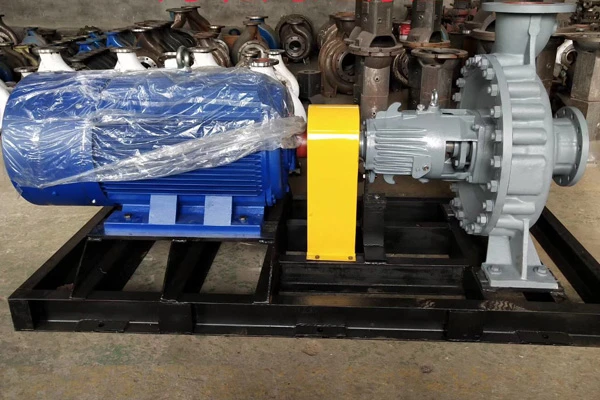
Submersible pumps for septic tank applications represent a critical component in wastewater management systems, facilitating the transfer of effluent from the septic tank to the drain field. These pumps differ significantly from centrifugal pumps typically used in municipal wastewater treatment due to the unique challenges of handling partially treated, often solids-laden, domestic wastewater. Their technical position lies at the intersection of hydraulic engineering, materials science (specifically corrosion resistance), and electrical engineering (regarding submersible motor design). Core performance characteristics include flow rate (gallons per minute – GPM), total dynamic head (TDH, measured in feet), horsepower (HP), and solids handling capability (expressed as sphere diameter in inches). Failure of these pumps can lead to septic system backups, environmental contamination, and significant remediation costs, making their proper selection, installation, and maintenance paramount. The increasing stringency of environmental regulations regarding wastewater discharge further elevates the importance of reliable septic tank pump performance.
Material Science & Manufacturing
The construction of submersible septic tank pumps necessitates careful material selection to withstand the corrosive environment of sewage. Pump housings are commonly manufactured from cast iron (ASTM A48 Class 30) with an epoxy coating or, for enhanced durability, stainless steel (typically 316L for superior chloride resistance). Impeller materials often utilize high-chrome cast iron or stainless steel to resist abrasion from solids. Shafts are frequently constructed from 4140 alloy steel, heat-treated for increased tensile strength and wear resistance. Seals, a critical component, are typically made from materials like silicon carbide versus silicon carbide (SiC/SiC) or tungsten carbide versus tungsten carbide (WC/WC) to ensure long-term reliability and prevent leakage. Manufacturing processes include sand casting for the housing, precision machining for the impeller and shaft, and automated winding for the submersible motor. Key parameter control during manufacturing focuses on impeller balance (to minimize vibration and bearing wear), coating thickness and adhesion (for corrosion protection), and electrical insulation integrity (to prevent motor failures). The winding insulation class must meet or exceed Class H (180°C) standards to cope with the heat generated during pump operation. Quality control includes hydrostatic testing to verify housing integrity and dielectric strength testing to ensure electrical safety.
Performance & Engineering
Pump performance is heavily governed by hydraulic principles and fluid dynamics. The pump’s flow rate and head are interdependent, defined by the pump curve provided by the manufacturer. Force analysis involves considering the hydrostatic pressure exerted by the liquid column, the dynamic pressure generated by the impeller, and frictional losses within the pump and discharge piping. Environmental resistance is crucial; pumps must operate reliably in temperatures ranging from near-freezing to moderately warm, and withstand immersion in corrosive wastewater. Compliance requirements dictate adherence to National Electrical Code (NEC) standards for submersible equipment, as well as EPA regulations concerning septic system design and performance. Furthermore, many jurisdictions require pumps to be certified to UL 778 standards for safety. Functional implementation demands proper sizing of the pump to the tank and drainfield capacity, accounting for peak flow rates and static lift. The pump’s on/off cycle is usually controlled by a float switch or pressure transducer, ensuring efficient wastewater evacuation without overloading the system. Proper venting of the discharge line is essential to prevent air locking and maintain optimal pump performance.
Technical Specifications
| Horsepower (HP) | Flow Rate (GPM) | Total Dynamic Head (TDH) - ft | Solids Handling (in) |
|---|---|---|---|
| 1/3 HP | 40-60 | 20-30 | 1/2 |
| 1/2 HP | 60-80 | 30-40 | 3/4 |
| 3/4 HP | 80-100 | 40-50 | 1 |
| 1 HP | 100-120 | 50-60 | 1 1/4 |
| 1.5 HP | 120-150 | 60-70 | 1 1/2 |
| 2 HP | 150-200 | 70-80 | 2 |
Failure Mode & Maintenance
Common failure modes include impeller blockage (caused by debris), seal failure (leading to motor submersion and burnout), motor winding failure (due to overheating or moisture ingress), and float switch malfunction (resulting in continuous pump operation or failure to activate). Fatigue cracking in the impeller or housing can occur over time due to cyclical stress. Delamination of the epoxy coating can accelerate corrosion. Oxidation of electrical connections can increase resistance and reduce pump efficiency. Failure analysis often reveals that inadequate pre-filtration, infrequent pump station inspections, or improper electrical connections are contributing factors. Preventive maintenance includes regular inspection of the inlet screen, cleaning of the pump housing, lubrication of bearings (if applicable), testing of the float switch, and verification of electrical connections. Scheduled pump station cleaning (every 1-3 years) is vital to remove accumulated solids and prevent blockages. When replacing a pump, it's crucial to ensure compatibility with the existing piping and electrical system. Routine voltage and amperage checks can identify potential electrical issues before they lead to catastrophic failure.
Industry FAQ
Q: What is the significance of the pump’s shut-off head in relation to septic system performance?
A: The shut-off head represents the maximum head the pump can develop. It’s crucial to ensure the shut-off head exceeds the static lift plus the friction losses in the discharge line. If the pump operates near its shut-off head for prolonged periods, it can lead to overheating and reduced pump life. A properly sized pump will operate within its optimal efficiency range, maximizing its lifespan and minimizing energy consumption.
Q: How does the type of wastewater impact the selection of pump materials?
A: Septic wastewater contains a complex mixture of organic and inorganic compounds, often with high concentrations of hydrogen sulfide (H2S) and chlorides. These substances are highly corrosive. Stainless steel (316L) is preferred for pump components exposed to the wastewater, offering superior resistance to corrosion compared to cast iron. The seal materials must also be compatible with the chemical composition of the wastewater to prevent degradation and leakage.
Q: What are the best practices for preventing impeller blockage?
A: Implementing a robust pre-filtration system is the most effective way to prevent impeller blockage. This includes a properly sized inlet screen and regular cleaning to remove large debris. Avoiding the introduction of non-biodegradable materials into the septic system is also critical. Consider a pump with a vortex impeller design, which is less susceptible to clogging than a conventional impeller.
Q: What are the implications of using a pump with an incorrect horsepower rating?
A: An undersized pump will struggle to evacuate the septic tank effectively, leading to backups and potential drainfield saturation. An oversized pump can cycle on and off frequently, causing excessive wear and tear on the motor and potentially damaging the piping system due to water hammer. Proper pump sizing requires careful consideration of the tank volume, drainfield capacity, and static lift.
Q: How important is the pump’s electrical protection in a septic system application?
A: Electrical protection is paramount. Pumps should be equipped with thermal overload protection to prevent motor burnout. Ground fault circuit interrupters (GFCIs) are essential to protect personnel from electrical shock. Proper grounding of the pump and electrical system is critical to ensure safety and prevent corrosion. Adherence to NEC guidelines is mandatory.
Conclusion
Submersible pumps for septic tanks represent a complex engineered solution requiring meticulous attention to material science, hydraulic performance, and electrical safety. Effective pump selection and maintenance are central to the reliable operation of septic wastewater systems, protecting both public health and the environment. Ignoring the technical nuances of these systems often leads to premature failure, costly repairs, and potential regulatory violations.
Future trends indicate a move toward smart pump technologies incorporating remote monitoring, predictive maintenance algorithms, and variable frequency drives (VFDs) for optimized energy efficiency. These advancements promise to further enhance the reliability and longevity of septic tank pumps, while minimizing operational costs and environmental impact. Continued research and development in corrosion-resistant materials and advanced impeller designs will also play a crucial role in addressing the challenges of handling increasingly complex wastewater streams.
-
Precision at the Pump: How Better Machining Protects Flow and Uptime
News2026-11-20
-
Why Pump Reliability Begins Before the First Drop of Fluid
News2026-11-20
-
Beyond the Pump: Designing Safer Access Around Critical Water Infrastructure
News2026-11-20
-
Why Pumping Stations Depend on the Infrastructure Beneath the Pumps
News2026-11-20
-
Beyond the Pump Room: How Smarter Loading Protects Industrial Equipment
News2026-11-19
-
When Pumps Stop: Designing More Resilient Power for Critical Pumping Systems
News2026-11-19
-
The Hidden Role of Dust and Gas Monitoring in Reliable Pump Operations
News2026-11-19
-
The Hidden Role of Mineral Compounds in Extending Industrial Pump Lifespan
News2026-10-12
-
Why Pump System Reliability Depends on Precision Hose Assembly Methods
News2026-09-15
-
How Advanced Imaging Films Are Transforming Pump Component Quality Control
News2026-08-25
-
How Advanced Filtration Protects Pump Systems from Premature Wear and Costly Downtime
News2026-08-25
-
How Steel Material Selection Drives Pump Reliability in Heavy-Duty Systems
News2026-08-25
-
Ensuring Pump System Efficiency: The Role of High-Quality Pipe Fittings and Tubing
News2026-08-24
-
Optimizing Fluid Dynamics and Material Consistency in Industrial Processing
News2026-08-18
-
Innovations and Challenges in Hydraulic Systems for Heavy Machinery
News2026-08-13




