English
- Afrikaans
- Albanian
- Amharic
- Arabic
- Armenian
- Azerbaijani
- Basque
- Belarusian
- Bengali
- Bosnian
- Bulgarian
- Catalan
- Cebuano
- Corsican
- Croatian
- Czech
- Danish
- Dutch
- English
- Esperanto
- Estonian
- Finnish
- French
- Frisian
- Galician
- Georgian
- German
- Greek
- Gujarati
- Haitian Creole
- hausa
- hawaiian
- Hebrew
- Hindi
- Miao
- Hungarian
- Icelandic
- igbo
- Indonesian
- irish
- Italian
- Japanese
- Javanese
- Kannada
- kazakh
- Khmer
- Rwandese
- Korean
- Kurdish
- Kyrgyz
- Lao
- Latin
- Latvian
- Lithuanian
- Luxembourgish
- Macedonian
- Malgashi
- Malay
- Malayalam
- Maltese
- Maori
- Marathi
- Mongolian
- Myanmar
- Nepali
- Norwegian
- Norwegian
- Occitan
- Pashto
- Persian
- Polish
- Portuguese
- Punjabi
- Romanian
- Russian
- Samoan
- Scottish Gaelic
- Serbian
- Sesotho
- Shona
- Sindhi
- Sinhala
- Slovak
- Slovenian
- Somali
- Spanish
- Sundanese
- Swahili
- Swedish
- Tagalog
- Tajik
- Tamil
- Tatar
- Telugu
- Thai
- Turkish
- Turkmen
- Ukrainian
- Urdu
- Uighur
- Uzbek
- Vietnamese
- Welsh
- Bantu
- Yiddish
- Yoruba
- Zulu

Telephone: +86 13120555503
Email: frank@cypump.com


Apr . 01, 2024 17:55 Back to list
pump for wastewater Material Science Manufacturing
Introduction
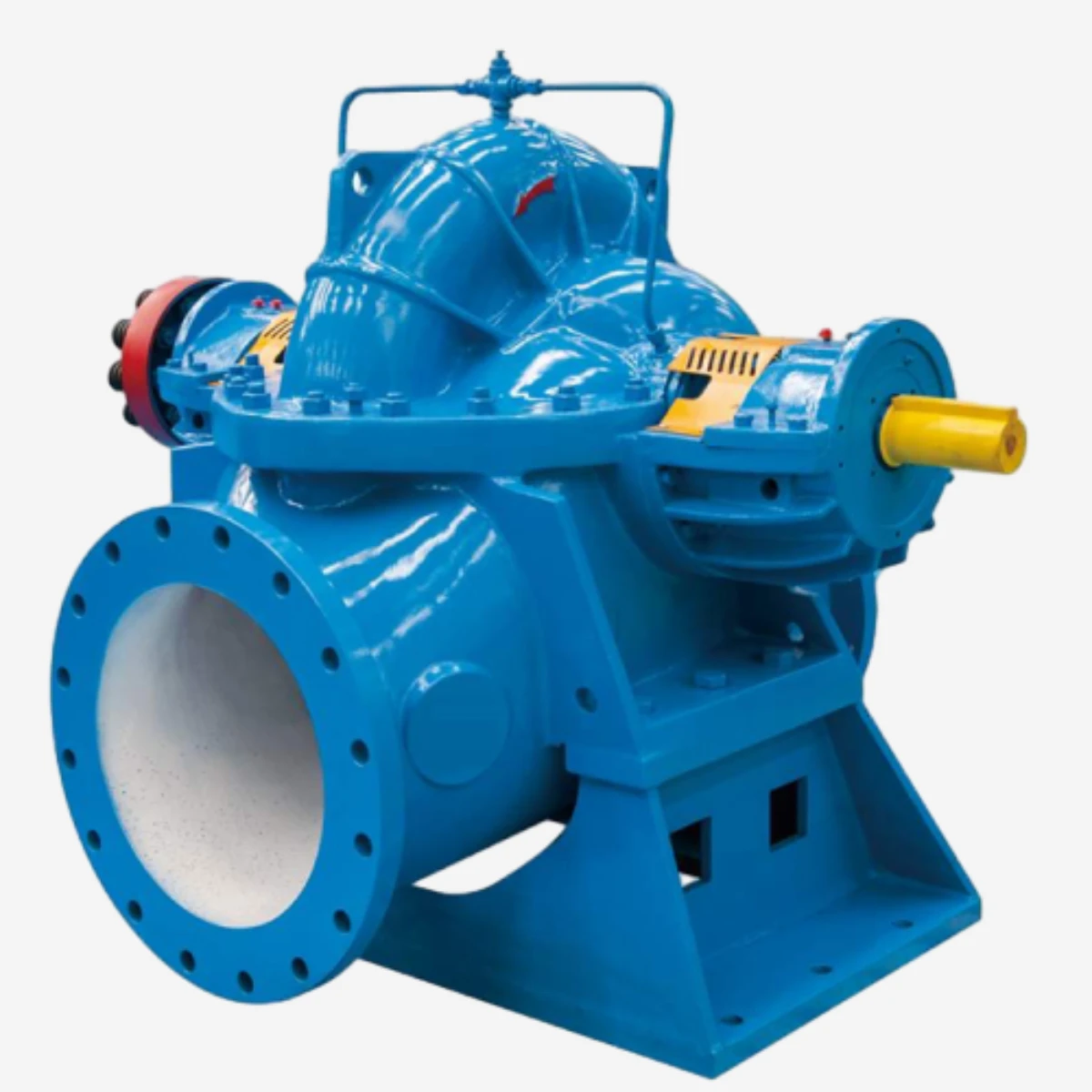
Wastewater pumps are critical components in municipal and industrial water and wastewater treatment facilities. These pumps are designed to handle abrasive and corrosive fluids containing solids, significantly differing from clean water centrifugal pumps. Their primary function is to efficiently transfer wastewater from collection systems to treatment plants and subsequently discharge treated effluent. The technical position of these pumps is central to the effective operation of any wastewater management system, impacting treatment efficiency, energy consumption, and overall system reliability. Core performance characteristics include flow rate (typically measured in gallons per minute or cubic meters per hour), total dynamic head (TDH, measured in feet or meters), pump efficiency, and solids handling capability. The increasing stringency of environmental regulations and the growing demand for sustainable water management practices are driving demand for more robust and efficient wastewater pump technologies. Failures in these pumps can lead to significant environmental consequences, overflows, and costly repairs, highlighting the importance of robust design and reliable operation.
Material Science & Manufacturing
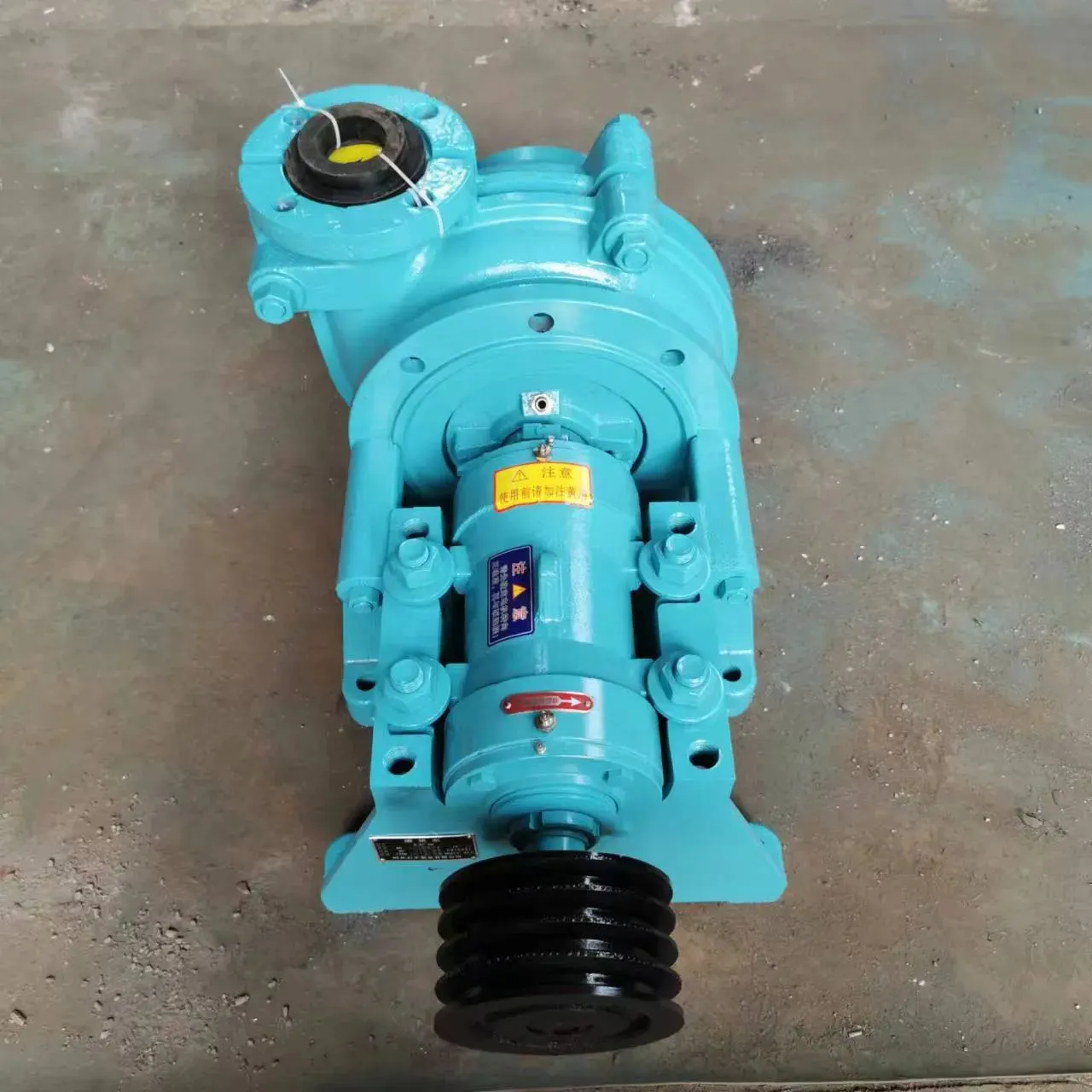
Wastewater pump construction materials are selected for their resistance to corrosion, abrasion, and the chemical constituents present in wastewater. Common materials include cast iron (ASTM A48 Class 30 or higher), ductile iron (ASTM A536 Type 65-45-12), stainless steel (304, 316, and duplex stainless steels like 2205), and various polymeric materials for impellers and casings. Cast iron is often coated with epoxy or other protective layers to enhance corrosion resistance. Impellers are frequently manufactured from high-chrome iron alloys for superior abrasion resistance, particularly in applications handling high solids content. Manufacturing processes vary based on pump size and design. Casing fabrication often utilizes sand casting, investment casting, or centrifugal casting. Impellers are typically produced via investment casting or machining from solid billets. Welding processes, particularly submerged arc welding (SAW) for larger casings, require strict quality control to ensure structural integrity and prevent defects like porosity or incomplete fusion. Key parameter control includes ensuring proper material composition through spectroscopic analysis, maintaining precise tolerances during machining, and performing non-destructive testing (NDT) like radiographic testing (RT) and ultrasonic testing (UT) on welds. The selection of shaft materials, often alloy steels hardened and tempered, is crucial for fatigue resistance under cyclical loading. Surface treatments, such as electroless nickel plating, are used to further enhance corrosion and wear resistance.
Performance & Engineering
The performance of a wastewater pump is governed by principles of fluid mechanics, particularly the Bernoulli equation and the affinity laws. Force analysis involves evaluating stresses on pump components due to fluid pressure, impeller centrifugal forces, and hydraulic loads. Cavitation, the formation and implosion of vapor bubbles in the liquid, is a major concern. Net Positive Suction Head Required (NPSHr) must be carefully considered to prevent cavitation damage to the impeller. Pump curves, generated through hydraulic testing, illustrate the relationship between flow rate, head, and efficiency. Environmental resistance is critical, especially in outdoor installations. Pump seals must prevent leakage and ingress of contaminants. Mechanical seals are commonly employed, utilizing materials compatible with the wastewater composition. Compliance requirements vary by region but typically include standards for pump efficiency (e.g., DOE regulations in the US), hydraulic performance (e.g., Hydraulic Institute standards), and safety (e.g., UL certifications). Functional implementation often involves variable frequency drives (VFDs) to optimize energy consumption by adjusting pump speed to match demand. Submersible pumps require careful consideration of motor cooling and cable sealing to ensure reliable operation underwater. Pump system design must account for pipe friction losses, elevation changes, and the effects of solids buildup in the system.
Technical Specifications
| Parameter | Centrifugal Pump (Solid Handling) | Positive Displacement Pump (Progressive Cavity) | Submersible Pump (Chopper) | Diaphragm Pump (Air Operated) |
|---|---|---|---|---|
| Flow Rate (GPM) | 100-10,000 | 50-500 | 50-5,000 | 10-200 |
| Total Dynamic Head (ft) | 50-300 | 100-400 | 20-200 | 0-100 |
| Solids Handling (in) | Up to 3 | Up to 0.5 | Up to 4 (chopper dependent) | Up to 2 |
| Pump Efficiency (%) | 60-85 | 50-70 | 55-80 | 30-50 |
| Power (HP) | 5-200 | 2-20 | 3-100 | 0.5-10 |
| Casing Material | Cast Iron, Ductile Iron, Stainless Steel | Cast Iron, Stainless Steel | Stainless Steel, Thermoplastic | Polypropylene, Aluminum |
Failure Mode & Maintenance
Common failure modes in wastewater pumps include impeller wear due to abrasive solids, seal failures leading to leakage, motor winding failures due to overheating or moisture ingress, bearing failures due to overloading or improper lubrication, and corrosion of pump components. Fatigue cracking can occur in casings and impellers under cyclical loading. Delamination of coatings (e.g., epoxy linings) can expose underlying metal to corrosion. Oxidation of stainless steel components can occur in the presence of chlorides. Failure analysis typically involves visual inspection, dimensional measurements, metallographic examination, and chemical analysis to identify the root cause. Preventive maintenance is crucial and includes regular inspection of seals, bearings, and motor windings. Lubrication schedules must be strictly followed. Impellers should be inspected for wear and erosion, and replaced as needed. Pump alignment should be checked and corrected to minimize vibration and bearing wear. Regular cleaning of pump suction and discharge lines prevents clogging and reduces strain on the pump. Condition monitoring techniques, such as vibration analysis and oil analysis, can provide early warning of potential failures. Proper pump selection and system design are essential to minimize the risk of failures. Regular monitoring of pump performance parameters (flow rate, head, power consumption) can help detect deviations from normal operation and identify potential problems.
Industry FAQ
Q: What is the best material for a wastewater pump impeller handling highly abrasive sludge?
A: For highly abrasive sludge, a high-chrome iron alloy (typically 15-30% chromium) is generally the best choice for the impeller material. These alloys offer exceptional resistance to abrasion and erosion, significantly extending impeller life compared to standard cast iron or stainless steel. The specific grade of high-chrome iron should be selected based on the particle size distribution and hardness of the solids in the sludge.
Q: How do I determine the correct NPSHr for a wastewater pump installation?
A: Determining the correct NPSHr involves calculating the Net Positive Suction Head Available (NPSHa) and ensuring it exceeds the pump’s NPSHr by a sufficient margin (typically 0.5-1.0 meters or 2-3 feet). NPSHa is calculated considering the suction tank liquid level, atmospheric pressure, suction line losses, and vapor pressure of the liquid. Incorrect NPSHa can lead to cavitation, damaging the impeller.
Q: What are the advantages and disadvantages of using a submersible pump versus a dry-installed pump?
A: Submersible pumps eliminate the need for priming and are well-suited for applications where suction lift is an issue. They also minimize noise. However, they are more difficult to access for maintenance and repair. Dry-installed pumps are easier to maintain but require priming and are more susceptible to cavitation if not properly installed.
Q: How can I improve the energy efficiency of my wastewater pump system?
A: Implementing variable frequency drives (VFDs) to match pump speed to demand is the most effective way to improve energy efficiency. Optimizing pump sizing, reducing pipe friction losses, and performing regular maintenance to maintain pump efficiency are also important. Conducting a pump system audit can identify areas for improvement.
Q: What is the role of pump seals in preventing wastewater contamination and ensuring environmental compliance?
A: Pump seals are critical for preventing leakage of wastewater into the environment and preventing ingress of contaminants into the pump. Selecting seal materials compatible with the wastewater composition and performing regular seal inspections and replacements are essential for maintaining environmental compliance and preventing costly leaks.
Conclusion
Wastewater pump technology is a complex field demanding careful consideration of material science, hydraulic performance, and long-term reliability. The optimal pump selection hinges on a thorough understanding of the wastewater characteristics, flow requirements, and operating environment. Failure to account for factors such as solids content, corrosion potential, and NPSHr can lead to premature failures, increased maintenance costs, and environmental consequences.
Moving forward, advancements in pump design, materials, and control systems will focus on increasing energy efficiency, reducing maintenance requirements, and enhancing overall system resilience. Predictive maintenance strategies, leveraging data analytics and sensor technologies, will play an increasingly important role in optimizing pump performance and preventing unplanned downtime, ensuring the continued effective operation of wastewater treatment facilities.
-
Precision at the Pump: How Better Machining Protects Flow and Uptime
News2026-11-20
-
Why Pump Reliability Begins Before the First Drop of Fluid
News2026-11-20
-
Beyond the Pump: Designing Safer Access Around Critical Water Infrastructure
News2026-11-20
-
Why Pumping Stations Depend on the Infrastructure Beneath the Pumps
News2026-11-20
-
Beyond the Pump Room: How Smarter Loading Protects Industrial Equipment
News2026-11-19
-
When Pumps Stop: Designing More Resilient Power for Critical Pumping Systems
News2026-11-19
-
The Hidden Role of Dust and Gas Monitoring in Reliable Pump Operations
News2026-11-19
-
The Hidden Role of Mineral Compounds in Extending Industrial Pump Lifespan
News2026-10-12
-
Why Pump System Reliability Depends on Precision Hose Assembly Methods
News2026-09-15
-
How Advanced Imaging Films Are Transforming Pump Component Quality Control
News2026-08-25
-
How Advanced Filtration Protects Pump Systems from Premature Wear and Costly Downtime
News2026-08-25
-
How Steel Material Selection Drives Pump Reliability in Heavy-Duty Systems
News2026-08-25
-
Ensuring Pump System Efficiency: The Role of High-Quality Pipe Fittings and Tubing
News2026-08-24
-
Optimizing Fluid Dynamics and Material Consistency in Industrial Processing
News2026-08-18
-
Innovations and Challenges in Hydraulic Systems for Heavy Machinery
News2026-08-13




