English
- Afrikaans
- Albanian
- Amharic
- Arabic
- Armenian
- Azerbaijani
- Basque
- Belarusian
- Bengali
- Bosnian
- Bulgarian
- Catalan
- Cebuano
- Corsican
- Croatian
- Czech
- Danish
- Dutch
- English
- Esperanto
- Estonian
- Finnish
- French
- Frisian
- Galician
- Georgian
- German
- Greek
- Gujarati
- Haitian Creole
- hausa
- hawaiian
- Hebrew
- Hindi
- Miao
- Hungarian
- Icelandic
- igbo
- Indonesian
- irish
- Italian
- Japanese
- Javanese
- Kannada
- kazakh
- Khmer
- Rwandese
- Korean
- Kurdish
- Kyrgyz
- Lao
- Latin
- Latvian
- Lithuanian
- Luxembourgish
- Macedonian
- Malgashi
- Malay
- Malayalam
- Maltese
- Maori
- Marathi
- Mongolian
- Myanmar
- Nepali
- Norwegian
- Norwegian
- Occitan
- Pashto
- Persian
- Polish
- Portuguese
- Punjabi
- Romanian
- Russian
- Samoan
- Scottish Gaelic
- Serbian
- Sesotho
- Shona
- Sindhi
- Sinhala
- Slovak
- Slovenian
- Somali
- Spanish
- Sundanese
- Swahili
- Swedish
- Tagalog
- Tajik
- Tamil
- Tatar
- Telugu
- Thai
- Turkish
- Turkmen
- Ukrainian
- Urdu
- Uighur
- Uzbek
- Vietnamese
- Welsh
- Bantu
- Yiddish
- Yoruba
- Zulu

Telephone: +86 13120555503
Email: frank@cypump.com


Apr . 01, 2024 17:55 Back to list
pump for waste water Performance Analysis
Introduction
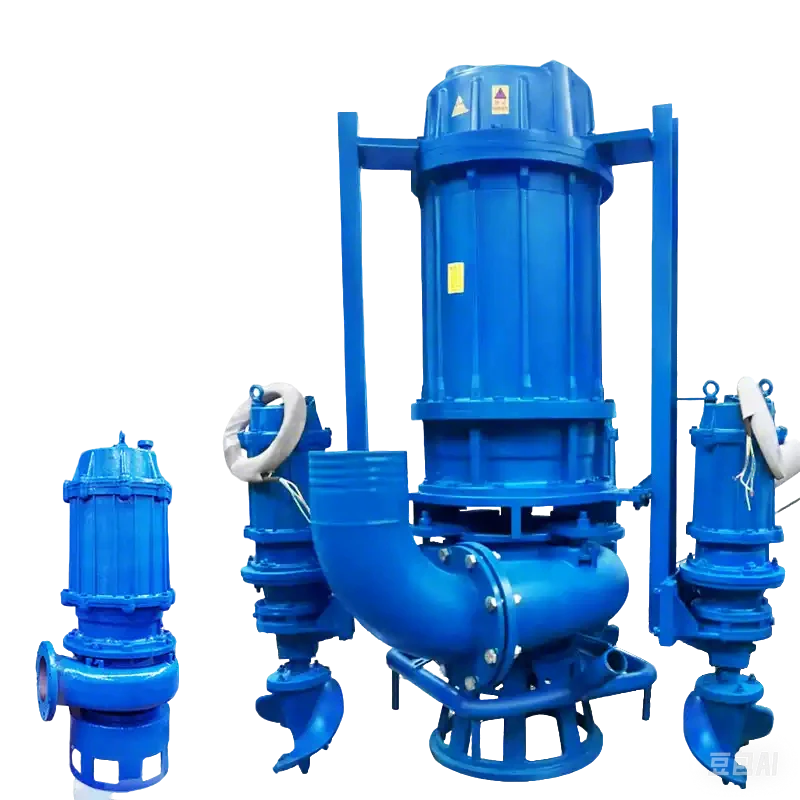
Wastewater pumps represent a critical component in municipal and industrial water and wastewater treatment infrastructure. These pumps are specifically engineered to handle fluids containing solids, abrasives, and corrosive elements not typically encountered in clean water applications. Their technical position within the industry chain lies between the collection/treatment process and discharge/reuse stages. Core performance characteristics are defined by flow rate (gallons per minute or cubic meters per hour), head (total dynamic head in feet or meters), power consumption (kW or HP), solids handling capability (sphere diameter in inches or millimeters), and pump efficiency (percentage). Wastewater pumps are not merely fluid movers; they’re integral to environmental compliance, operational efficiency, and the longevity of treatment facilities. The rising complexity of wastewater composition, driven by industrial discharge and evolving regulations, necessitates increasingly robust and specialized pump designs. This guide details the material science, manufacturing processes, performance parameters, potential failure modes, and maintenance protocols associated with industrial wastewater pumps.
Material Science & Manufacturing
The selection of materials for wastewater pumps is paramount, dictated by the aggressive nature of the conveyed fluids. Pump casings are commonly constructed from cast iron (ASTM A48 Class 30), ductile iron (ASTM A536 65-45-12), or stainless steel (304, 316, and duplex stainless steels). The choice depends on the level of corrosion resistance required. Impellers, subject to the highest erosive forces, are frequently manufactured from high-chrome iron alloys (e.g., Alloy 27) or specialized polymer composites. Shafts require high tensile strength and corrosion resistance, commonly utilizing 4140 alloy steel with a hardened surface. Seals are crucial to prevent leakage and are often composed of silicon carbide, tungsten carbide, or Viton (fluoroelastomer) depending on the chemical compatibility with the wastewater. Manufacturing processes vary with pump type. Centrifugal pumps utilize investment casting for complex impeller geometries. Positive displacement pumps (e.g., progressing cavity pumps) involve machining and assembly of a rotor and stator. Key parameter control during manufacturing includes dimensional accuracy of impeller blades, concentricity of shaft alignment, surface finish to minimize friction, and non-destructive testing (NDT) – radiography, ultrasonic testing – to identify internal flaws. Welding processes (SMAW, GTAW) used in casing fabrication must adhere to AWS D1.1 standards for structural welding code to ensure integrity. Heat treatment processes, like quenching and tempering, are applied to steel components to achieve desired hardness and toughness properties.
Performance & Engineering
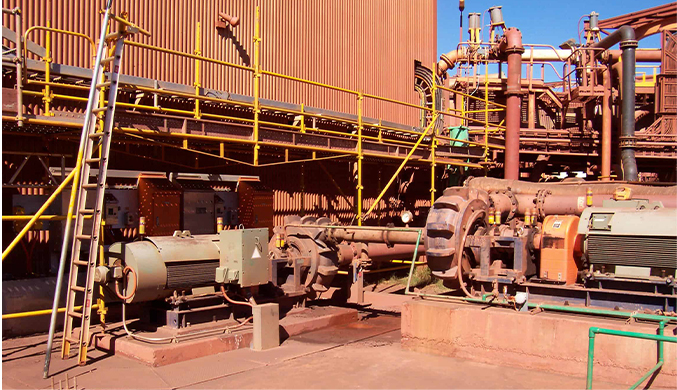
Wastewater pump performance is governed by hydraulic principles and mechanical engineering considerations. Force analysis focuses on radial and axial thrust loads exerted on the impeller and shaft, necessitating robust bearing systems (ball, roller, or hydrodynamic bearings). Environmental resistance is critical; pumps must withstand varying temperatures, humidity, and potential exposure to UV radiation. Compliance requirements stem from regulatory bodies like the EPA (Environmental Protection Agency) in the US and similar organizations globally. These regulations dictate discharge limits for pollutants, necessitating pumps capable of reliable operation within specified parameters. Specific functional implementations include variable frequency drives (VFDs) for energy optimization, automated shutdown systems for dry-run protection, and remote monitoring capabilities for proactive maintenance. Pump selection involves calculating the total dynamic head (TDH) – accounting for static lift, friction losses in piping, and pressure at the discharge point. The pump’s affinity laws dictate the relationship between flow rate, head, and power consumption; understanding these relationships is crucial for efficient system design. Cavitation, a major performance concern, occurs when the absolute pressure at the pump inlet falls below the vapor pressure of the fluid, forming vapor bubbles that collapse and damage the impeller. Proper Net Positive Suction Head Available (NPSHA) calculations are essential to prevent cavitation. Furthermore, pump curves (head-capacity curves) provide vital information for matching pump performance to system requirements.
Technical Specifications
| Parameter | Centrifugal Pump (Solid Handling) | Progressing Cavity Pump | Submersible Pump (Chopper) |
|---|---|---|---|
| Maximum Flow Rate (GPM) | Up to 10,000 | Up to 500 | Up to 5,000 |
| Maximum Head (ft) | Up to 500 | Up to 250 | Up to 200 |
| Solids Handling (in) | Up to 3 | Up to 2 | Up to 4 (Chopped) |
| Power Range (HP) | 5 - 500 | 2 - 50 | 10 - 200 |
| Pump Efficiency (%) | 60-85 | 50-70 | 55-75 |
| Typical Applications | Wastewater treatment plants, sewage lift stations | Sludge transfer, chemical dosing | Sewer bypass, storm water pumping |
Failure Mode & Maintenance
Wastewater pumps are susceptible to several failure modes. Fatigue cracking, particularly in impellers and casings, arises from cyclical loading and stress concentration. Corrosion, ranging from uniform corrosion to pitting and crevice corrosion, degrades material integrity. Erosion, caused by abrasive solids, wears down impeller vanes and casing surfaces. Mechanical seal failure leads to leakage and potential pump damage. Bearing failure results from inadequate lubrication, contamination, or excessive loads. Blockage from rags or debris reduces pump efficiency and can cause motor overload. Failure analysis often employs techniques such as visual inspection, dye penetrant testing, metallurgical analysis, and vibration analysis. Preventive maintenance is crucial and includes regular lubrication of bearings, inspection of seals, cleaning of strainers, and monitoring of pump vibration. Scheduled impeller inspection and replacement are vital in abrasive applications. Motor maintenance includes checking winding insulation resistance and ensuring proper ventilation. For progressing cavity pumps, stator inspection for wear is essential. Documentation of maintenance activities and performance data enables predictive maintenance strategies and extends pump lifespan. Adherence to manufacturer recommendations for spare parts and service intervals is paramount.
Industry FAQ
Q: What is the impact of wastewater composition variability on pump selection?
A: Wastewater composition fluctuates significantly depending on industrial discharge, rainfall events, and time of day. Highly variable solids content necessitates pumps with robust solids handling capabilities and potentially variable speed drives to adjust flow rates. Corrosive components dictate the need for specialized materials like duplex stainless steel or corrosion-resistant coatings. A thorough wastewater characterization study is essential before pump selection.
Q: How do you mitigate the risk of cavitation in wastewater pumps?
A: Cavitation is a serious concern. Mitigating it requires ensuring adequate Net Positive Suction Head Available (NPSHA). This involves optimizing suction pipe design (diameter, length, and minimizing bends), lowering pump lift, and controlling fluid temperature. Regular monitoring of pump suction pressure is also crucial.
Q: What are the benefits of using variable frequency drives (VFDs) with wastewater pumps?
A: VFDs offer significant energy savings by adjusting pump speed to match demand. They also reduce mechanical stress on the pump, extend its lifespan, and improve process control. VFDs are particularly beneficial in applications with fluctuating flow requirements.
Q: What is the typical lifespan of a wastewater pump, and what factors affect it?
A: A typical lifespan ranges from 10-20 years, but it's heavily influenced by operating conditions. High solids content, corrosive fluids, and improper maintenance significantly shorten lifespan. Regular maintenance, proper material selection, and adherence to operating limits are essential for maximizing lifespan.
Q: What is the role of pump curves in ensuring proper system operation?
A: Pump curves illustrate the relationship between flow rate, head, power consumption, and efficiency. They are vital for selecting a pump that operates within its optimal performance range for a given application, preventing overloads, cavitation, and inefficient operation. They also enable accurate system modelling and optimization.
Conclusion
Wastewater pumps are complex systems requiring careful consideration of material science, manufacturing precision, and hydraulic engineering principles. Selecting the appropriate pump type and materials for a specific application is paramount, dictated by the characteristics of the wastewater being handled and the demands of the treatment process. Proactive maintenance, including regular inspections, lubrication, and performance monitoring, is crucial for ensuring long-term reliability and minimizing lifecycle costs.
The future of wastewater pumping technology focuses on increased energy efficiency, improved solids handling capabilities, and remote monitoring/diagnostic capabilities. The integration of advanced sensors, data analytics, and artificial intelligence will enable predictive maintenance and optimize pump performance in real-time, contributing to more sustainable and cost-effective wastewater treatment operations. Further research into advanced materials and pump designs will continue to address the challenges posed by increasingly complex wastewater streams.
-
Comprehensive Guide to Waterproof ORings for Optimal Sealing Solutions
News2026-06-09
-
submergable pump Material Science
News2026-06-23
-
sewer injection pump Performance Engineering
News2026-06-23
-
Sewer Ejector Pump System Performance Analysis
News2026-06-23
-
septic tank pump for sale Performance Engineering
News2026-06-23
-
septic pump for sale Performance Engineering
News2026-06-23
-
septic ejector system Performance Analysis
News2026-06-22
-
replace septic pump Performance Analysis
News2026-06-22
-
pump system septic tank Performance Analysis
News2026-06-22
-
lift pump for sewer Performance and Engineering
News2026-06-22
-
industrial submersible water pump Material Science
News2026-06-22
-
industrial submersible pumps Material Science and Manufacturing
News2026-06-21
-
best sewer ejector pump Performance Analysis
News2026-06-21
-
best septic pump Performance Analysis
News2026-06-21
-
1 2 hp septic pump Performance Engineering
News2026-06-21




