English
- Afrikaans
- Albanian
- Amharic
- Arabic
- Armenian
- Azerbaijani
- Basque
- Belarusian
- Bengali
- Bosnian
- Bulgarian
- Catalan
- Cebuano
- Corsican
- Croatian
- Czech
- Danish
- Dutch
- English
- Esperanto
- Estonian
- Finnish
- French
- Frisian
- Galician
- Georgian
- German
- Greek
- Gujarati
- Haitian Creole
- hausa
- hawaiian
- Hebrew
- Hindi
- Miao
- Hungarian
- Icelandic
- igbo
- Indonesian
- irish
- Italian
- Japanese
- Javanese
- Kannada
- kazakh
- Khmer
- Rwandese
- Korean
- Kurdish
- Kyrgyz
- Lao
- Latin
- Latvian
- Lithuanian
- Luxembourgish
- Macedonian
- Malgashi
- Malay
- Malayalam
- Maltese
- Maori
- Marathi
- Mongolian
- Myanmar
- Nepali
- Norwegian
- Norwegian
- Occitan
- Pashto
- Persian
- Polish
- Portuguese
- Punjabi
- Romanian
- Russian
- Samoan
- Scottish Gaelic
- Serbian
- Sesotho
- Shona
- Sindhi
- Sinhala
- Slovak
- Slovenian
- Somali
- Spanish
- Sundanese
- Swahili
- Swedish
- Tagalog
- Tajik
- Tamil
- Tatar
- Telugu
- Thai
- Turkish
- Turkmen
- Ukrainian
- Urdu
- Uighur
- Uzbek
- Vietnamese
- Welsh
- Bantu
- Yiddish
- Yoruba
- Zulu

Telephone: +86 13120555503
Email: frank@cypump.com


Apr . 01, 2024 17:55 Back to list
pump for sewage water Performance Analysis
Introduction
Sewage water pumps, critical components within wastewater treatment infrastructure, are engineered to efficiently transfer effluent, solids-laden fluids, and debris. These pumps occupy a vital position in the municipal and industrial water cycle, bridging the gap between collection systems and treatment facilities. Their primary function is to overcome gravitational limitations and transport wastewater to points of processing and disposal. The performance of a sewage pump is fundamentally defined by its hydraulic efficiency (the ratio of hydraulic power output to shaft power input), its solids handling capability (determined by impeller design and passage size), and its resistance to corrosion and abrasion inherent in sewage composition. Unlike clean water pumps, sewage pumps must contend with abrasive solids, stringy materials, and corrosive byproducts, necessitating specialized design considerations and material selections. This guide provides a comprehensive technical overview of sewage water pumps, covering material science, manufacturing, performance characteristics, potential failure modes, and relevant industry standards.
Material Science & Manufacturing
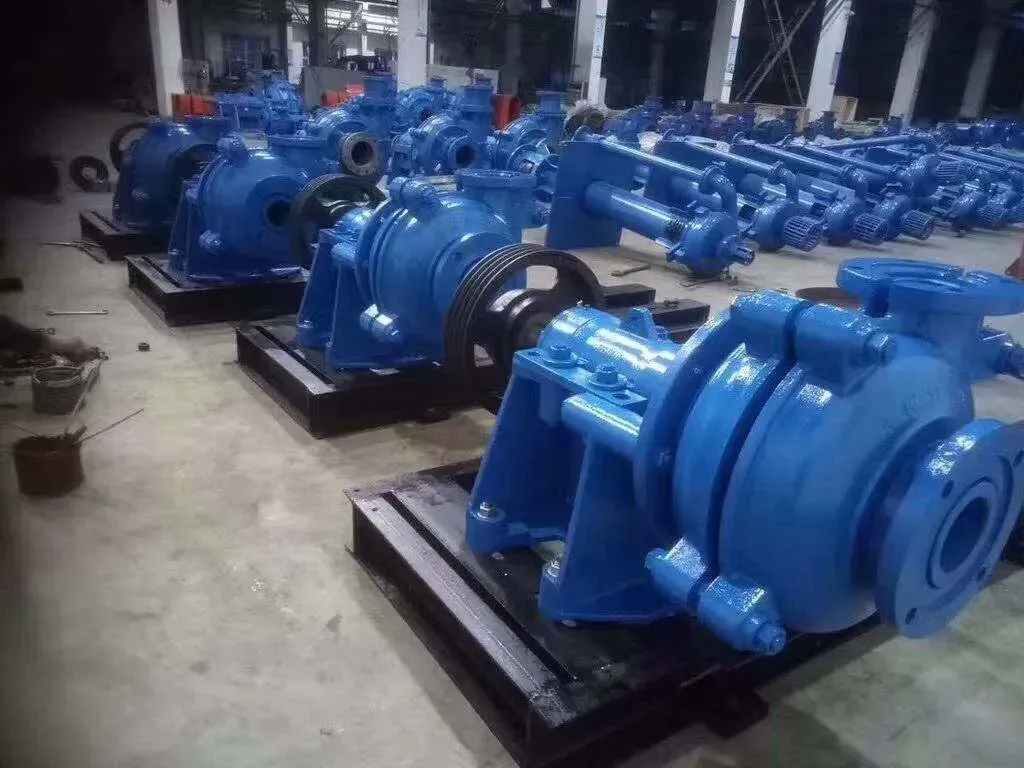
The construction of sewage water pumps heavily relies on materials selected for their resistance to corrosion, abrasion, and mechanical stress. Pump casings are commonly manufactured from ductile iron (ASTM A536 Grade 65-45-12) due to its high tensile strength, impact resistance, and relatively low cost. However, for particularly aggressive sewage compositions, stainless steel (specifically 316L – ASTM A743 Type CF8M) is employed, offering superior corrosion resistance. Impellers, the rotating component responsible for fluid movement, often utilize high-chrome cast iron (typically containing 15-28% chromium) to maximize abrasion resistance from suspended solids. Shafts are generally forged from alloy steel (such as 4140 – ASTM A297) and heat-treated to achieve high yield strength and fatigue resistance. Seals are critical for preventing leakage and are typically composed of silicon carbide (SiC) or tungsten carbide (WC) faces, paired with elastomers like Viton (fluoroelastomer) or EPDM (ethylene propylene diene monomer rubber) for compatibility with the chemical constituents of sewage. Manufacturing processes vary depending on component complexity. Casings are typically produced using sand casting, followed by machining to precise tolerances. Impellers often utilize investment casting or centrifugal casting for complex geometries. Welding (SMAW, GMAW, or SAW depending on material and thickness) is frequently used for joining components, requiring stringent quality control measures to ensure weld integrity and prevent corrosion initiation. Parameter control during heat treatment is crucial to achieving desired material properties, particularly hardness and ductility.
Performance & Engineering
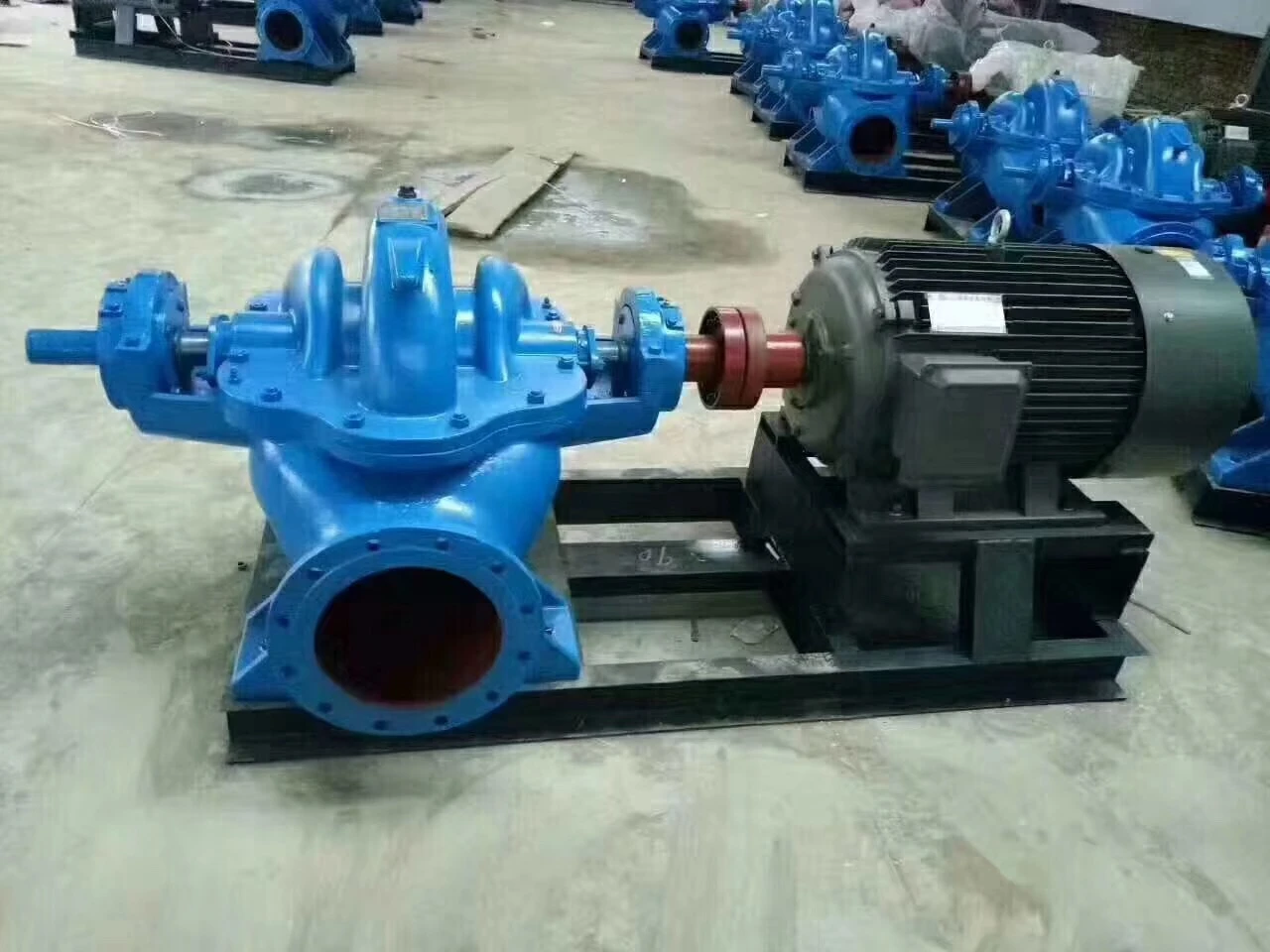
The performance of a sewage pump is governed by several key engineering principles. Hydraulic design focuses on maximizing efficiency while minimizing clogging. Impeller geometry (radial, axial, or mixed flow) dictates the pump’s head-capacity characteristics. Open or semi-open impellers are preferred for sewage applications to allow solids to pass through, preventing blockage. Force analysis considers both static and dynamic loads. Static loads include the weight of the pump and fluid, while dynamic loads arise from impeller rotation, fluid turbulence, and pipe stresses. Finite element analysis (FEA) is often used to optimize casing and impeller designs for stress distribution and minimize deflection. Environmental resistance is paramount. Pump materials must withstand exposure to corrosive chemicals, including hydrogen sulfide (H2S), sulfates, and chlorides. Coatings (e.g., epoxy, polyurethane) are frequently applied to casing surfaces to enhance corrosion protection. Compliance requirements vary by region. In the United States, pumps must meet EPA effluent guidelines and potentially state-specific regulations. European pumps must conform to the Machinery Directive (2006/42/EC) and the ATEX Directive (2014/34/EU) for potentially explosive atmospheres. Cavitation, a critical failure mechanism, occurs when the absolute pressure at the impeller inlet falls below the vapor pressure of the fluid, forming vapor bubbles that collapse and erode the impeller material. Net Positive Suction Head Required (NPSHr) is a crucial parameter determined by pump design and operating conditions, ensuring sufficient pressure at the impeller inlet to prevent cavitation.
Technical Specifications
| Parameter | Unit | Typical Range (Municipal Sewage) | Typical Range (Industrial Wastewater) |
|---|---|---|---|
| Flow Rate | m³/hr | 5 - 500 | 10 - 1000 |
| Total Dynamic Head | m | 5 - 60 | 10 - 150 |
| Solids Handling Capability | mm | >50 | >75 (depending on application) |
| Pump Speed | RPM | 800 - 3600 | 600 - 3600 (VFD often used) |
| Power Rating | kW | 0.75 - 150 | 1.5 - 300 |
| Operating Temperature | °C | 4 - 40 | Varies widely (up to 80+) |
Failure Mode & Maintenance
Sewage pumps are susceptible to several failure modes. Fatigue cracking can occur in the casing or impeller due to cyclical loading, particularly in areas of stress concentration. Delamination of coatings can expose the underlying metal to corrosion. Degradation of elastomer seals leads to leakage and reduced pump efficiency. Oxidation of metallic components, especially in the presence of sulfides, results in corrosion and material loss. Abrasive wear, caused by suspended solids, gradually erodes impeller vanes and casing surfaces. Common maintenance procedures include regular visual inspections for leaks, corrosion, and wear. Lubrication of bearings is critical to prevent premature failure. Impeller cleaning to remove accumulated debris is essential for maintaining hydraulic efficiency. Seal replacement should be performed proactively based on operating hours and seal condition. Vibration analysis can detect early signs of bearing wear or impeller imbalance. Periodic performance testing (head-capacity curves) verifies pump efficiency and identifies potential issues. Preventive maintenance schedules should be tailored to the specific operating conditions and sewage composition. For example, systems handling high levels of H2S may require more frequent inspection and coating maintenance.
Industry FAQ
Q: What is the primary difference between a submersible pump and a dry-installed sewage pump?
A: Submersible pumps are designed to operate fully immersed in the sewage, eliminating the need for priming and offering quieter operation. Dry-installed pumps are positioned above the liquid level and require a suction lift, often employing self-priming mechanisms. Submersible pumps are generally preferred for lift stations and applications where noise is a concern, while dry-installed pumps are suitable for situations where accessibility for maintenance is paramount.
Q: How does impeller design impact the pump’s ability to handle solids?
A: Impeller design is critical. Open or semi-open impellers with larger passage sizes are essential for sewage applications. Non-clog impellers feature recessed designs to prevent stringy materials from wrapping around the impeller shaft. The impeller’s vane angle and number of vanes also influence solids handling capacity and pump efficiency.
Q: What measures can be taken to mitigate corrosion in a sewage pump application?
A: Material selection is the first line of defense. Using corrosion-resistant alloys like 316L stainless steel or high-chrome cast iron is crucial. Applying protective coatings (epoxy, polyurethane) to the casing and impeller surfaces provides an additional barrier against corrosion. Regular monitoring of sewage composition and pH levels can help identify potential corrosion risks. Cathodic protection can be considered in severe corrosive environments.
Q: What role does NPSH play in pump performance and longevity?
A: Net Positive Suction Head (NPSH) is critical. Insufficient NPSH leads to cavitation, which causes impeller erosion and reduces pump efficiency. Maintaining adequate NPSH ensures the fluid pressure at the impeller inlet remains above the vapor pressure, preventing bubble formation. Proper system design, including sufficient submergence and minimizing suction pipe losses, is vital for maintaining adequate NPSH.
Q: What are the benefits of using a Variable Frequency Drive (VFD) with a sewage pump?
A: VFDs allow for precise control of pump speed, optimizing energy consumption based on actual flow requirements. They reduce mechanical stress on the pump and piping system by minimizing water hammer and surge pressures. VFDs can also provide soft starting and stopping, extending pump life and reducing maintenance costs.
Conclusion
Sewage water pumps are complex systems requiring careful consideration of material science, hydraulic engineering, and operational parameters. Selecting the appropriate pump type and materials for the specific application is paramount to ensuring long-term reliability and efficiency. The potential for corrosion, abrasion, and clogging necessitates robust design features and proactive maintenance programs.
Continued advancements in pump technology, such as improved impeller designs, advanced coatings, and the integration of smart monitoring systems, are driving further improvements in performance and reducing life-cycle costs. Proper installation, operation, and maintenance, guided by industry standards and best practices, are essential for maximizing the return on investment in these critical wastewater infrastructure components.
-
pump for sewage water Performance Analysis
News2026-05-23
-
plumbing sewage ejector pump Performance Engineering
News2026-05-23
-
home sewer pump station Performance and Engineering
News2026-05-23
-
high pressure sump pump Performance Analysis
News2026-05-23
-
high head effluent pump Performance Analysis
News2026-05-23
-
Effluent vs Sump Pump Performance Analysis
News2026-05-22
-
effluent septic pump Performance Engineering
News2026-05-22
-
best sewer pumps Performance Engineering
News2026-05-22
-
best sewer pump Performance Analysis
News2026-05-22
-
best sewage pumps Performance Engineering
News2026-05-22
-
basement bathroom sewage pump Material Science Manufacturing
News2026-05-21
-
wastewater treatment plant pumps Material Science Manufacturing
News2026-05-21
-
waste water pump for basement Material Science Manufacturing
News2026-05-21
-
sump pump sewage Performance Analysis
News2026-05-21
-
sump pump for sewage Material Science and Manufacturing
News2026-05-21




