English
- Afrikaans
- Albanian
- Amharic
- Arabic
- Armenian
- Azerbaijani
- Basque
- Belarusian
- Bengali
- Bosnian
- Bulgarian
- Catalan
- Cebuano
- Corsican
- Croatian
- Czech
- Danish
- Dutch
- English
- Esperanto
- Estonian
- Finnish
- French
- Frisian
- Galician
- Georgian
- German
- Greek
- Gujarati
- Haitian Creole
- hausa
- hawaiian
- Hebrew
- Hindi
- Miao
- Hungarian
- Icelandic
- igbo
- Indonesian
- irish
- Italian
- Japanese
- Javanese
- Kannada
- kazakh
- Khmer
- Rwandese
- Korean
- Kurdish
- Kyrgyz
- Lao
- Latin
- Latvian
- Lithuanian
- Luxembourgish
- Macedonian
- Malgashi
- Malay
- Malayalam
- Maltese
- Maori
- Marathi
- Mongolian
- Myanmar
- Nepali
- Norwegian
- Norwegian
- Occitan
- Pashto
- Persian
- Polish
- Portuguese
- Punjabi
- Romanian
- Russian
- Samoan
- Scottish Gaelic
- Serbian
- Sesotho
- Shona
- Sindhi
- Sinhala
- Slovak
- Slovenian
- Somali
- Spanish
- Sundanese
- Swahili
- Swedish
- Tagalog
- Tajik
- Tamil
- Tatar
- Telugu
- Thai
- Turkish
- Turkmen
- Ukrainian
- Urdu
- Uighur
- Uzbek
- Vietnamese
- Welsh
- Bantu
- Yiddish
- Yoruba
- Zulu

Telephone: +86 13120555503
Email: frank@cypump.com


Apr . 01, 2024 17:55 Back to list
pump for sewage Material Science Manufacturing
Introduction
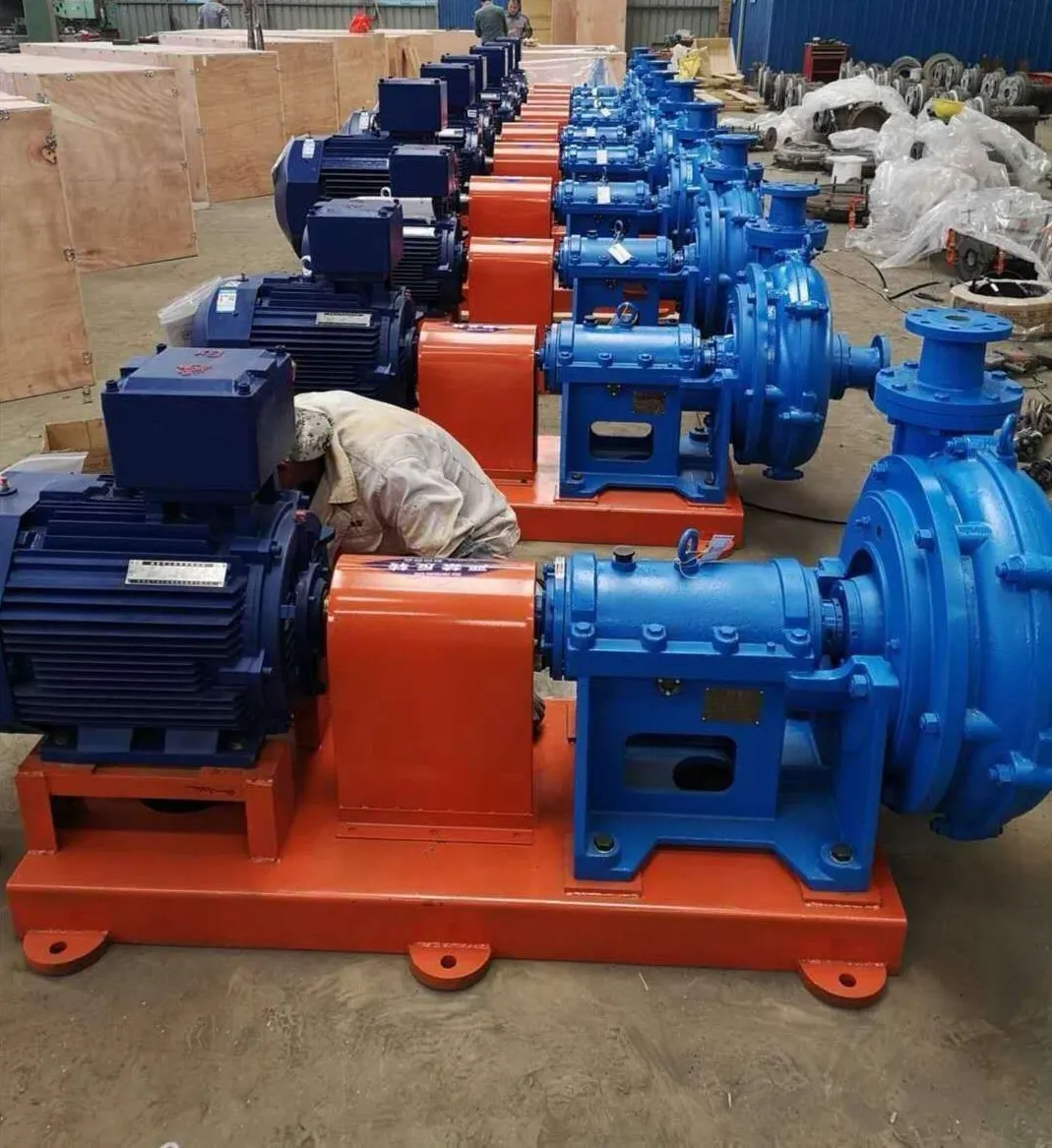
Sewage pumps, formally classified as submersible centrifugal pumps specifically engineered for wastewater management, represent a critical component in municipal and industrial infrastructure. Positioned within the broader fluid handling industry, their primary function is the efficient and reliable transfer of raw sewage, effluent, and other non-potable liquids. These pumps differ significantly from clean water pumps due to their construction materials, impeller design, and sealing mechanisms, all optimized for handling abrasive solids and corrosive substances. Core performance metrics center around flow rate (measured in gallons per minute or liters per second), head (vertical lift capacity in feet or meters), solids handling capability (maximum sphere size in millimeters or inches), and power consumption (expressed in horsepower or kilowatts). The escalating demands of urbanization and stricter environmental regulations drive the continuous development of more efficient, durable, and automated sewage pumping systems. A key industry pain point is balancing operational efficiency with long-term reliability, particularly in preventing clogging and minimizing maintenance downtime.
Material Science & Manufacturing
The construction of sewage pumps necessitates materials capable of withstanding highly corrosive environments and abrasive wear. Impellers and volute casings are commonly manufactured from ductile iron (ASTM A536-83 Grade 65-45-12) due to its high tensile strength, impact resistance, and relatively low cost. However, for highly corrosive applications, stainless steel alloys (specifically 316 stainless steel – ASTM A743 Grade CF8M) are employed, offering superior resistance to chlorides and sulfides. Shafts are typically made from high-strength alloy steel (4140 – ASTM A576) and undergo hardening and tempering processes to enhance durability. Sealing materials, crucial for preventing leakage, consist of silicon carbide (SiC) mechanical seals due to their exceptional hardness and chemical inertness. Pump housings are often coated with epoxy or polyurethane coatings to provide an additional barrier against corrosion.
Manufacturing processes involve several stages. Casting forms the initial shape of the impeller and housing. Precision machining, utilizing CNC (Computer Numerical Control) milling and turning, ensures dimensional accuracy and smooth surface finishes. Welding (SMAW or GTAW) is employed for joining various components, requiring strict adherence to welding procedures and quality control measures (AWS D1.1). Finally, rigorous testing, including hydrostatic testing and performance curve verification, confirms the pump's integrity and functionality. Critical parameter control during manufacturing focuses on impeller balancing to minimize vibration, seal alignment to prevent leakage, and coating thickness to ensure adequate corrosion protection.
Performance & Engineering
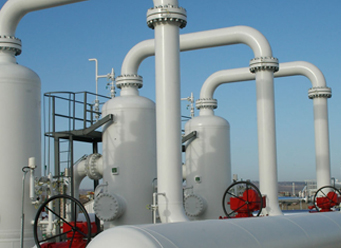
The hydraulic performance of sewage pumps is governed by principles of fluid dynamics, specifically centrifugal force and Bernoulli’s equation. Pump selection necessitates a thorough force analysis, considering static head (vertical distance the fluid must be lifted), friction losses within the piping system, and velocity head. Environmental resistance is a paramount concern, with pumps operating in potentially corrosive and abrasive environments. The pump's design must mitigate the effects of these factors to ensure longevity. Compliance requirements are stringent, encompassing standards such as the National Electrical Manufacturers Association (NEMA) standards for motor performance, and potentially environmental regulations relating to noise emissions (governed by ISO 3744) and energy efficiency (often subject to regional energy efficiency standards).
Functional implementation includes considerations for pump curve characteristics (relationship between flow rate and head), motor sizing to accommodate varying loads, and installation practices to minimize vibration and noise. Submersible designs require watertight cable entry seals (IP68 rating – IEC 60529) to prevent water ingress and electrical hazards. Control systems, ranging from simple float switches to sophisticated variable frequency drives (VFDs), are employed to automate pump operation and optimize energy consumption. Regular monitoring of vibration levels and bearing temperatures is essential for preventative maintenance and early detection of potential failures.
Technical Specifications
| Parameter | Unit | Typical Value (Small Pump) | Typical Value (Large Pump) |
|---|---|---|---|
| Flow Rate | GPM (Gallons Per Minute) | 50-100 | 500-1500 |
| Head | ft (Feet) | 20-40 | 80-200 |
| Solids Handling | in (Inches) | 2 | 4 |
| Motor Power | HP (Horsepower) | 1-3 | 10-50 |
| Impeller Material | - | Ductile Iron | Stainless Steel (316) |
| Seal Material | - | Silicon Carbide | Silicon Carbide |
Failure Mode & Maintenance
Sewage pumps are susceptible to several failure modes. Clogging, caused by debris accumulation in the impeller or volute, is a common issue. This leads to reduced flow rate, increased motor load, and potential overheating. Cavitation, resulting from vapor bubble formation due to low inlet pressure, can erode the impeller and housing. Mechanical seal failure, often caused by abrasive particles or chemical attack, results in leakage and pump inefficiency. Bearing failure, due to inadequate lubrication or excessive vibration, leads to increased noise and potential motor damage. Corrosion, particularly in aggressive environments, weakens the pump components and can lead to catastrophic failure.
Maintenance strategies include regular inspection for clogging, proper lubrication of bearings (using appropriate greases – NLGI Grade 2), periodic seal replacement, and corrosion monitoring. Vibration analysis (ISO 10816) can detect early signs of bearing failure or impeller imbalance. Preventive maintenance schedules should be tailored to the specific application and operating conditions. In cases of frequent clogging, installing a pre-screen or grinder can mitigate the problem. For corrosion issues, upgrading to more corrosion-resistant materials or applying protective coatings can extend pump life.
Industry FAQ
Q: What is the optimal impeller design for handling stringy materials common in municipal wastewater?
A: Non-clog impellers, characterized by a recessed or vortex design, are optimal for stringy materials. These designs create a swirling motion that draws the fluid into the pump without wrapping around the impeller blades, minimizing clogging potential. The impeller angle and blade geometry are also critical parameters.
Q: How does the specific gravity of the sewage affect pump selection and performance?
A: Higher specific gravity increases the density of the fluid, requiring a pump with greater power and torque to achieve the desired flow rate and head. Pump curves are typically based on water (specific gravity of 1.0); adjustments must be made for fluids with higher densities.
Q: What are the advantages and disadvantages of submersible versus dry-installed sewage pumps?
A: Submersible pumps eliminate the need for priming and reduce noise levels, but are more challenging to maintain. Dry-installed pumps are easier to access for maintenance but require a priming system and are generally noisier. The selection depends on the site conditions and maintenance accessibility.
Q: What are the key considerations for selecting a variable frequency drive (VFD) for a sewage pump?
A: VFD selection requires matching the motor voltage and current ratings, considering the pump's torque-speed characteristics, and ensuring adequate heat dissipation. The VFD should also have appropriate protection features against overvoltage, overcurrent, and short circuits.
Q: What is the impact of hydrogen sulfide (H2S) on sewage pump materials, and how can this be mitigated?
A: H2S is a corrosive gas commonly found in sewage, causing sulfide stress cracking in stainless steels and concrete corrosion. Mitigation strategies include using H2S-resistant alloys (e.g., duplex stainless steel), employing chemical dosing to neutralize H2S, and ensuring adequate ventilation in pump stations.
Conclusion
Sewage pumps are indispensable components of modern wastewater management systems, requiring careful consideration of material science, hydraulic performance, and operational constraints. The selection process demands a holistic understanding of fluid properties, environmental factors, and compliance requirements. Addressing industry pain points such as clogging, corrosion, and energy efficiency necessitates a proactive approach to design, manufacturing, and maintenance.
Future trends point towards the integration of smart technologies, including predictive maintenance algorithms and remote monitoring systems, to optimize pump performance and minimize downtime. Advancements in materials science will lead to the development of more durable and corrosion-resistant pump components, further extending service life and reducing lifecycle costs. Continuous innovation in impeller design and control systems will drive improvements in energy efficiency and overall system reliability.
-
Comprehensive Guide to Waterproof ORings for Optimal Sealing Solutions
News2026-06-09
-
heavy duty submersible pump Performance Analysis
News2026-06-25
-
best submersible pump for septic tank Performance Analysis
News2026-06-25
-
basement sewer ejector pump Performance Analysis
News2026-06-25
-
basement pumps ejector pumps Performance Analysis
News2026-06-25
-
basement lift pump Performance and Engineering
News2026-06-25
-
basement bathroom pump systems Performance Analysis
News2026-06-24
-
basement bathroom ejector pump system Performance Engineering
News2026-06-24
-
2 hp sewage pump Performance Engineering
News2026-06-24
-
1 hp septic pump Performance Engineering
News2026-06-24
-
submersible effluent pump Performance Analysis
News2026-06-24
-
submergable pump Material Science
News2026-06-23
-
sewer injection pump Performance Engineering
News2026-06-23
-
Sewer Ejector Pump System Performance Analysis
News2026-06-23
-
septic tank pump for sale Performance Engineering
News2026-06-23




